





 Portuguese
  English
  Spanish
 3 min of reading
  0 comments


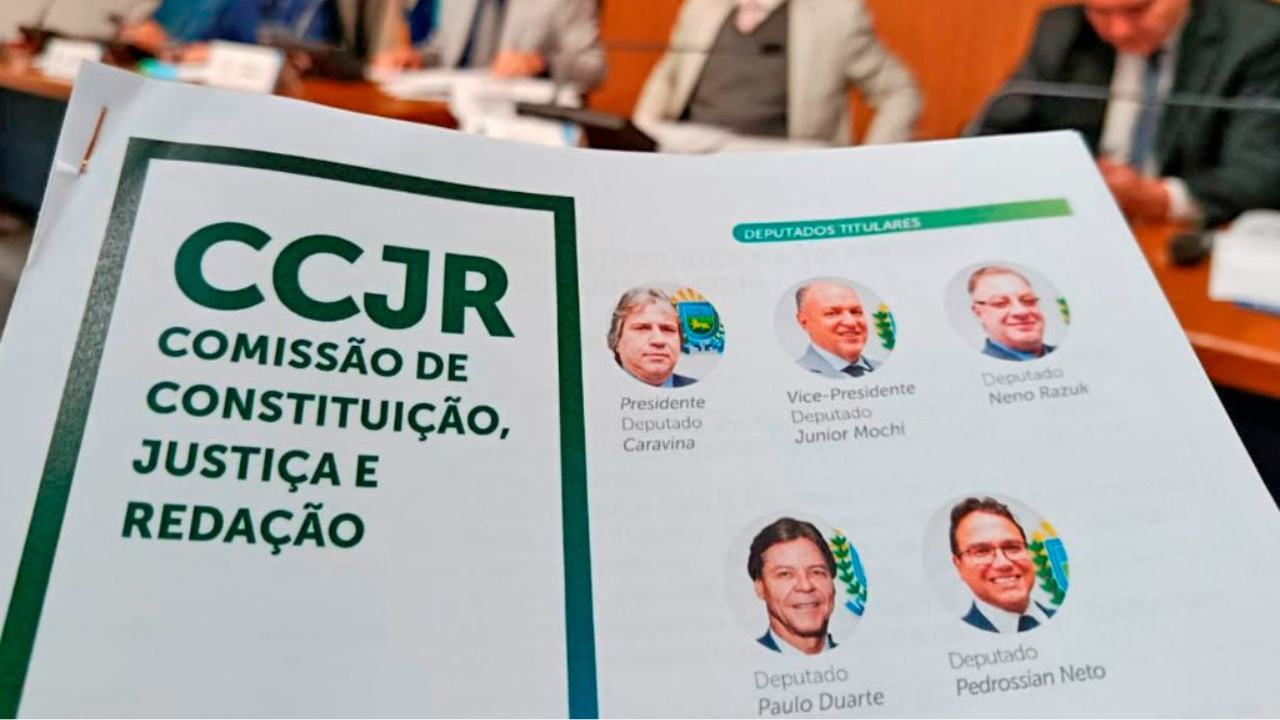
Assembly Committee Approves Bill to Promote Solar Energy in Popular Housing, Proposing Loans and Measures to Reduce Electricity Bills in the State of Mato Grosso.
The Constitution, Justice and Redaction Committee (CCJR) of the Legislative Assembly of Mato Grosso approved, on this Tuesday (14), Bill No. 965/2025, which creates guidelines for implementing a state program to incentivize solar energy in popular housing. The proposal, authored by Deputy Júlio Campos (União), was one of 18 matters approved during the ordinary meeting, which analyzed a total of 27 projects.
The text foresees the creation of loan lines and incentive measures aimed at installing solar energy generation systems in the homes of low-income families. The goal is to reduce electricity costs and promote the use of renewable sources, expanding access to clean and sustainable energy in communities with greater economic vulnerability.
Project Seeks to Relieve the Burden of Electricity Bills and Promote Sustainability
During the session, the president of the CCJR, Eduardo Botelho (União), emphasized the social and environmental importance of the proposal. According to him, the project represents a significant advancement for the state, which faces some of the highest energy costs in the country.
-
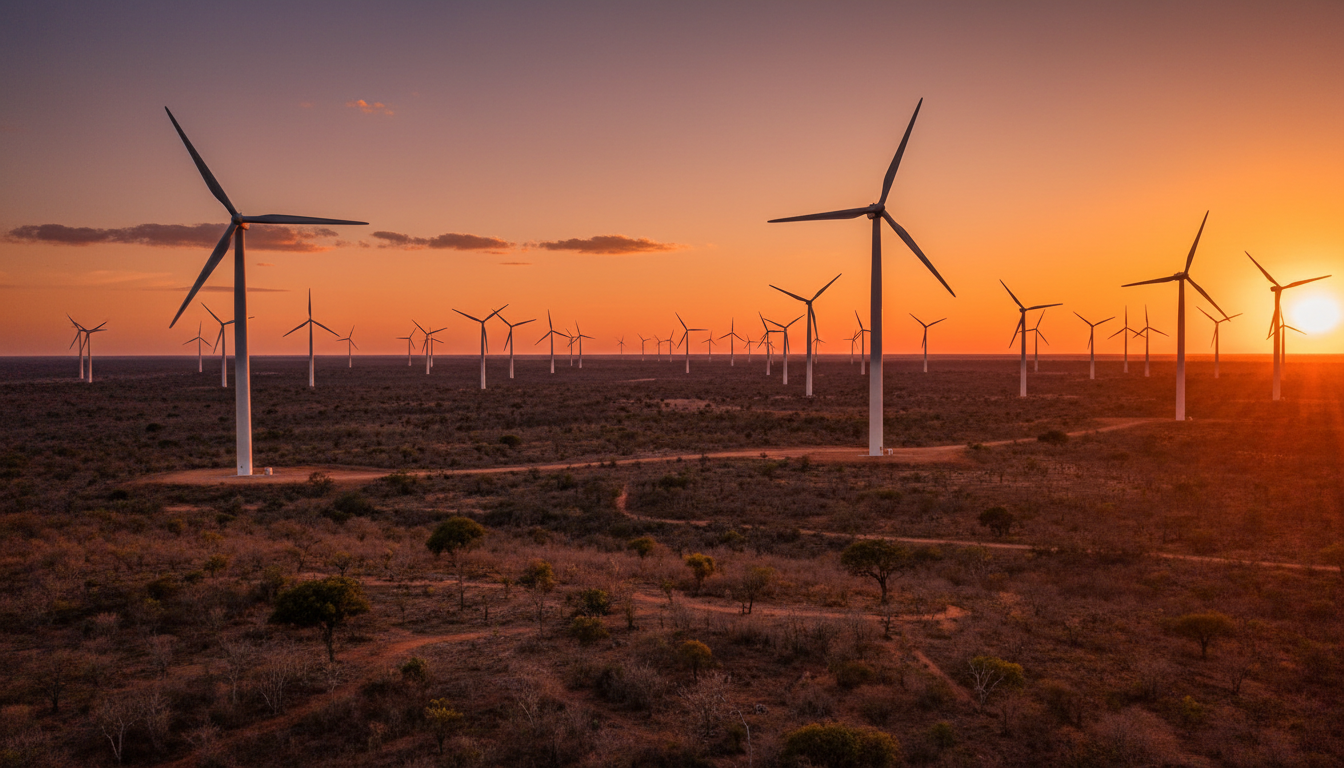
The Brazilian Northeast is receiving the largest wave of investments in clean energy ever seen in the country, with R$ 200 billion in wind and solar, 9,000 km of transmission lines, and a promise that could change the economy of 60 million people.
-
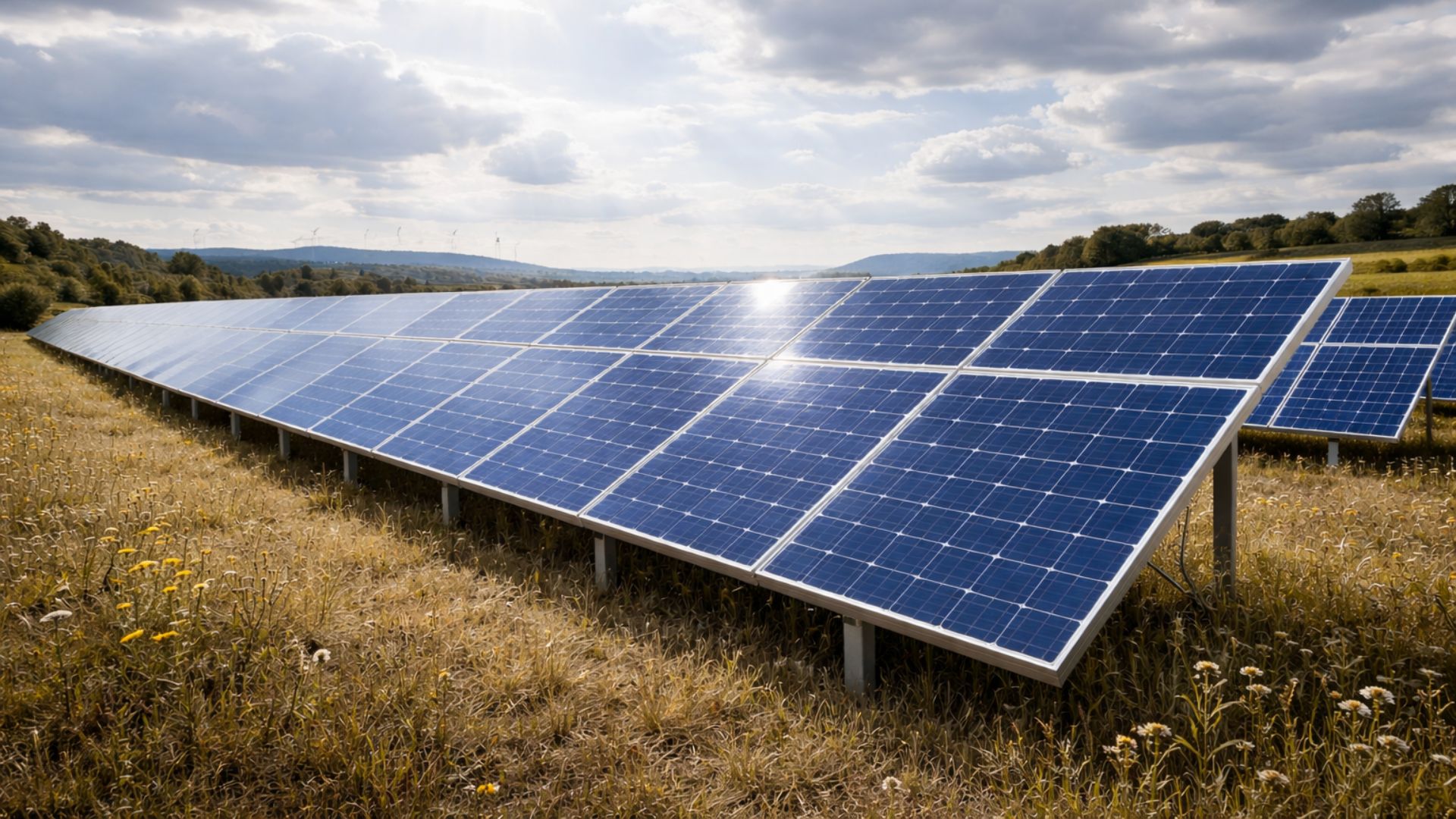
Chinese company creates solar cell that breaks the physical limit of silicon with 34.85% efficiency and promises to revolutionize electricity bills with panels that generate 20% more energy starting in 2026.

-
Jacareí advances with a photovoltaic plant and bets on sustainability to transform public management with clean solar energy, reducing operational costs and strengthening energy efficiency in essential services.
-
Maricá transforms Risca-Faca into Leonel Brizola Neighborhood with solar energy and promises to reduce costs for families while promoting dignity, urbanization, and social development in a historically vulnerable community.

“Energy represents a very large burden on the family budget. In Mato Grosso, it represents even more, because we have one of the most expensive energies in the country. And we have plenty of sun here. So, the project helps low-income families have access to subsidized financing, assistance so they can install solar energy and reduce this cost. It is a project of great relevance and social impact,” Botelho stated.
The initiative, in addition to alleviating the financial impact on families, also aims to strengthen the state’s energy transition. The adoption of photovoltaic systems can reduce dependence on non-renewable sources and contribute to environmental decarbonization goals.
Assembly Intensifies Debate on the Cost and Quality of Energy in Mato Grosso
Eduardo Botelho also highlighted that the Assembly has been continuously working to find solutions that reduce electricity costs and improve the quality of services provided in the state.
“We will have a public hearing in Rondonópolis, then we will go to the Sinop region. We also have the director of Aneel coming scheduled. We have several meetings planned to develop a proposal for changes in the concession contract, to be submitted to both Aneel and the Ministry of Mines and Energy, because the ministry coordinates the contract,” the deputy explained.
These discussions are expected to contribute to the review of state and federal energy policies, stimulating the development of new forms of decentralized solar energy generation.
Other Projects Were Also Approved by the CCJR
In addition to the incentive for solar energy, the CCJR approved other proposals focused on education and women’s protection. Among them is Bill No. 750/2024, which creates a monitoring and evaluation system for inclusion policies in state schools, and Resolution No. 119/2025, which addresses awareness about gender-based violence.
In total, 18 matters received favorable opinions, while nine proposals were rejected by the committee. The decisions are part of the regular agenda of the CCJR, which analyzes the constitutionality and legal feasibility of each project before they proceed to plenary voting.
During the meeting, the president of the CCJR also commented on the processing of the 2026 Annual Budget Bill (PLOA). He informed that a schedule of public hearings is being prepared to discuss the state budget and ensure greater transparency in the application of resources.
“Starting on November 4, we will have the first public hearing of the CCJR,” Botelho announced.
With the approval of the solar energy incentive project, the Legislative Assembly of Mato Grosso reinforces its commitment to sustainability policies, reducing inequalities and energy efficiency, seeking to align economic development and environmental responsibility in the state scenario.








Seja o primeiro a reagir!