





 Portuguese
  English
  Spanish
 6 min of reading
  0 comments


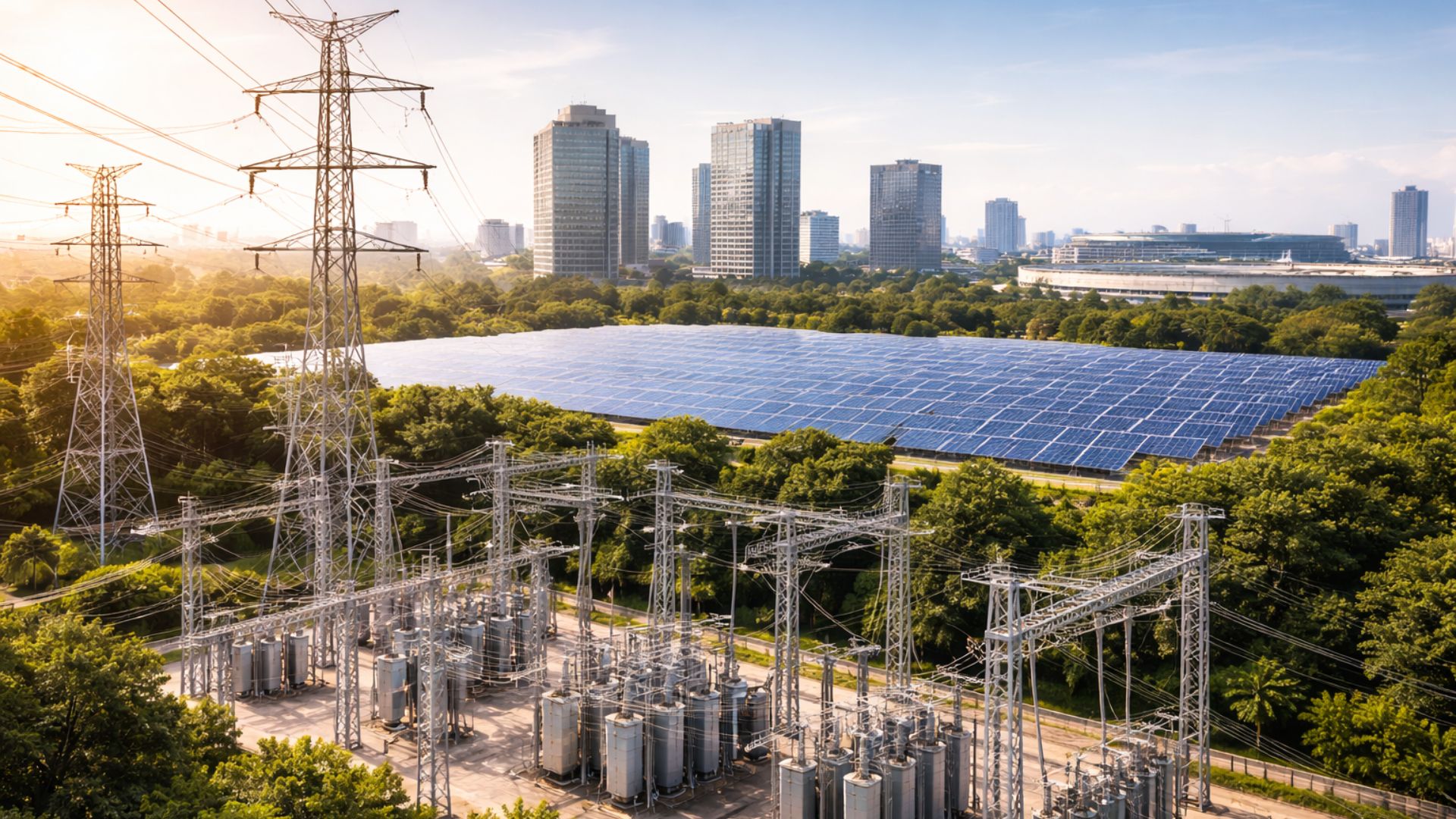
Ceará Expands Migration of Public Buildings to the Free Energy Market, Adopting Renewable Energy to Reduce Electricity Costs and Modernize State Energy Management.
The Ceará has expanded an innovative strategy within Brazilian public administration: the migration of public buildings to the free energy market. The initiative, led by the Secretariat of Infrastructure (Seinfra), aims to reduce electricity expenses and increase the use of renewable energy in the operation of the state public machinery.
By the end of 2025, the state government had already included 130 public facilities in the new electricity contracting model. In 2026, the policy is expected to advance even further, with plans to migrate 61 more units, totaling 191 public buildings operating within the free energy market.
According to a publication by the Ceará government this Friday (13), with this expansion, the state administration expects to achieve an annual savings of up to R$ 19 million in energy bills. In addition to the positive financial impact, the strategy also reinforces the Ceará‘s commitment to sustainable practices, prioritizing contracts with suppliers of renewable energy.
-
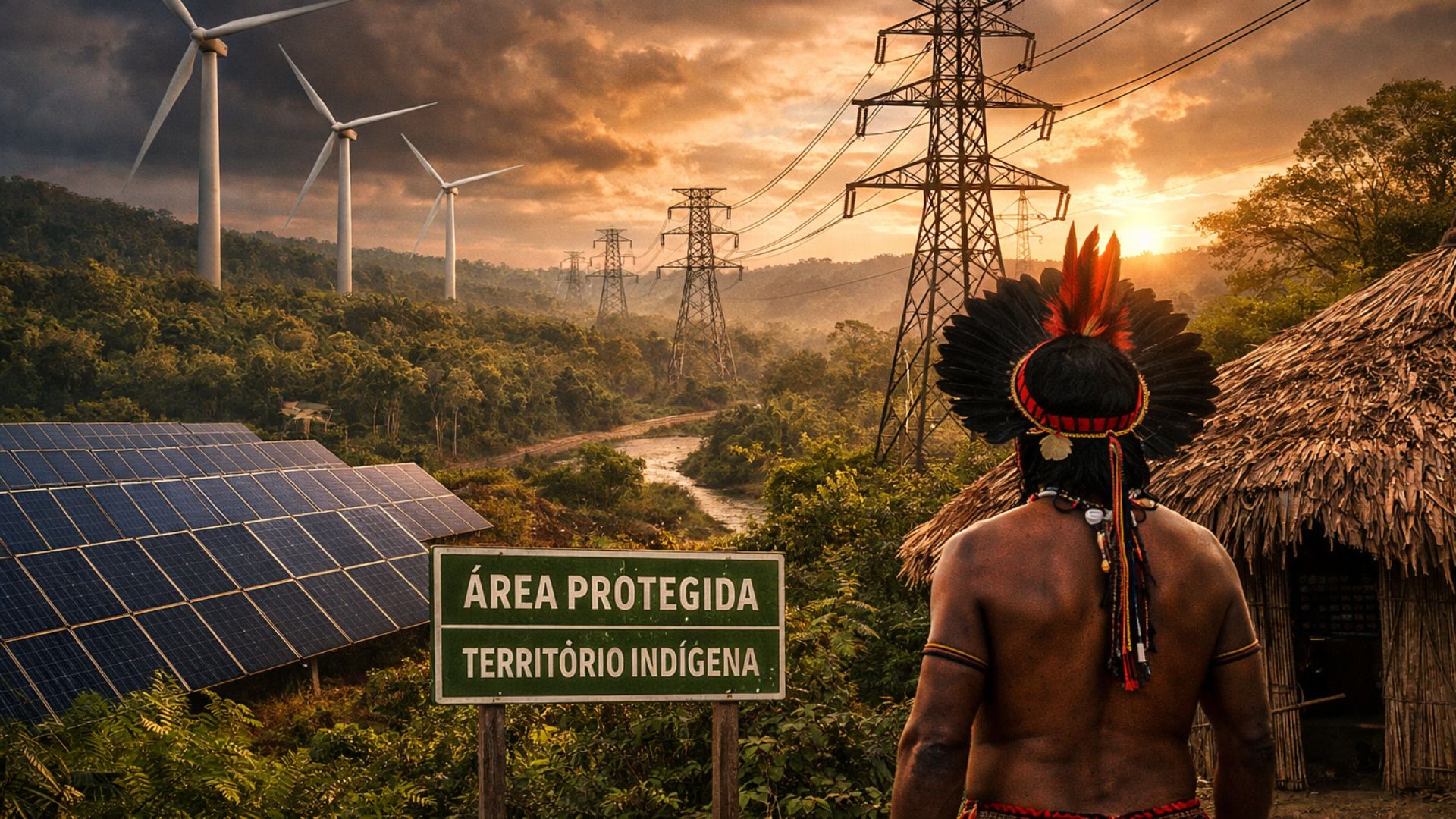
Renewable energy advances over protected areas in Brazil, and a survey by the Energy Transition Observatory reveals silent impacts that challenge environmental conservation and pressure sensitive traditional territories.
-
Rio Grande do Sul accelerates energy transition: State invests in renewable technologies and consolidates decarbonization strategies and pathways to attract billions in new industrial investments.

-
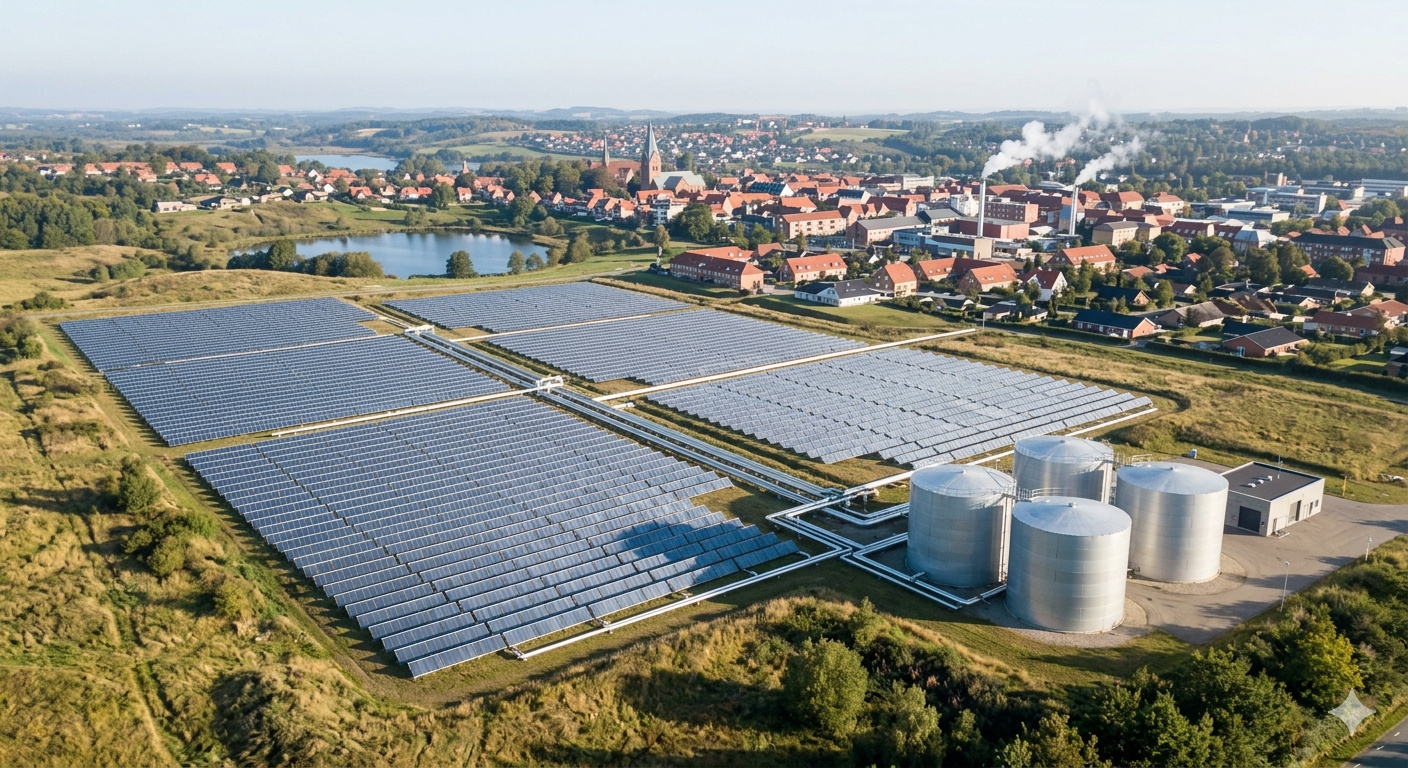
With 160,000 m² of collectors, an area larger than 20 football fields, Silkeborg, in Denmark, hosts a solar thermal plant that heats 19,500 homes and could become the largest solar heating plant in the world.
-
A study reveals the expansion of renewable energy procurement in Brazil and shows how companies are taking advantage of opportunities to reduce expenses, ensure energy efficiency, and strengthen strategic environmental commitments.


The initiative also positions the state as one of the first in the country to widely apply this energy contracting model in the public sector, demonstrating that efficiency policies can generate savings and administrative modernization simultaneously.
Ceará Expands Use of the Free Energy Market in Public Buildings
Adopting the free energy market allows large consumers to negotiate directly with electricity generators and marketers, instead of purchasing energy exclusively through the traditional regulated market model.
In this format, public buildings remain connected to the grid of the responsible utility company but begin to choose their suppliers in the free contracting environment. This allows for negotiating more competitive prices and selecting sources of renewable energy.
In the case of the Ceará, the strategy began to be implemented in November 2024, when the state government began the process of migrating large consumers from public administration to the new system.
According to Seinfra, the change allows for an average reduction of about 30% in monthly electricity costs. This percentage may vary depending on the consumption profile of each unit, but initial results indicate significant savings for public funds.
In addition to reducing expenses, the adoption of the free energy market strengthens the state’s sustainability policy and increases the use of renewable energy in government buildings.
New Migration Stage Includes 61 Public Buildings in 2026
The expansion of the energy policy in the Ceará continues at an accelerated pace throughout 2026. The new stage of the program provides for the inclusion of 61 new public agencies and facilities in the free energy market.
The first package of migrations for the year has already been implemented in February, when 19 units began operating under the new electricity supply model.
Among the locations included are public buildings of the Secretariat of Finance, the headquarters of the Cearense Foundation of Meteorology and Hydric Resources (Funceme), and units of the Cearense Women’s House.
According to data from the Energy and Telecommunications Coordination of Seinfra (Coete), this first migration group is expected to generate a monthly savings of R$ 26,454.55. Annually, this represents about R$ 317,000, which corresponds to a reduction of approximately 23.6% in electricity costs for these units.
These numbers demonstrate the potential of the free energy market to make the management of public buildings more efficient and increase the use of renewable energy in the operations of state administration.

Electricity Savings Varies Between Units and Reinforces Administrative Efficiency
The percentages of savings achieved by migrating to the free energy market vary according to the consumption of each building and the contractual conditions negotiated.
In the case of the new units incorporated into the system, some cost reduction estimates include various public buildings of the Secretariat of Finance distributed throughout the state.
Among the examples are:
Secretary of Finance in Russas, with estimated savings of 25.2%
Secretary of Finance in Iguatu, with reduction of 21.9%
Secretary of Finance in Crateús, with savings of 27.3%
Secretary of Finance in Juazeiro do Norte, with reduction of 22.7%
Secretary of Finance in Sobral, with savings of 23.6%
Secretary of Finance in Penaforte, with reduction of 20.9%
Secretary of Finance in Maracanaú, with savings of 23.2%
Secretary of Finance in Crato, with reduction of 21.5%
Secretary of Finance in Chaval, with savings of 21.7%
Other units also exhibit significant reductions in electricity bills. The unit of the Secretary of Finance in Fortaleza/Parangaba shows an estimated savings of 23.3%, while the Água Fria unit registers 21.2%.
The unit of Finance at the Airport shows estimated savings of 20.4%, and the Memory Center of the Finance Department can achieve a reduction of 27.8%.
These results reinforce the potential of the free energy market as an administrative efficiency tool within the public management of the Ceará, while simultaneously increasing the use of renewable energy.
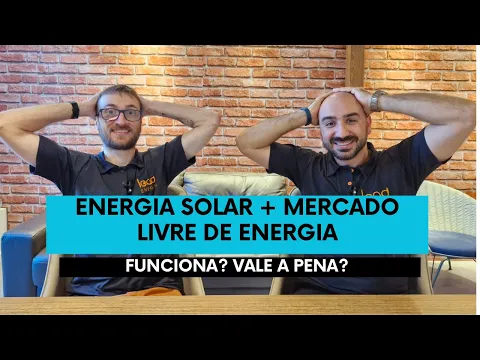
Results Already Achieved with the Free Energy Market in Ceará
The results obtained since the beginning of the program show that the energy policy is already generating concrete impacts on the public budget.
Among the state facilities that have begun operating in the free energy market are large electricity consumers, such as the Arena Castelão, the Ceará Events Center, regional hospitals, state schools, and units of the prison system.
These public buildings represent a significant portion of the energy consumption of the state administration. Therefore, migrating these structures to contracts with renewable energy has a direct impact on reducing government expenses.
In the first cycle of migrations, which included 130 buildings and facilities by the end of 2025, the average reduction in electricity bills reached 31.17%.
According to a report from the Secretariat of Infrastructure, the accumulated savings in the first 12 months of the initiative was R$ 11,908,861.54.
The estimate is that the potential savings within this initial group of units could reach around R$ 15.43 million, depending on the contractual conditions and energy consumption.
With the inclusion of new units planned for 2026, the government of Ceará believes that the free energy market will solidify as one of the main tools for energy efficiency for public buildings.
Expansion of Renewable Energy Strengthens State Energy Policy
Another important aspect of the strategy is the incentive for the consumption of renewable energy within the state’s administrative structure.
By negotiating contracts in the free energy market, the government of Ceará can choose suppliers who generate electricity from clean sources, such as wind farms and solar plants.
The state has favorable natural conditions for this type of generation. The Northeast is one of the regions with the highest installed capacity for wind energy in the country, and Ceará has a significant share in this sector.
By directing the consumption of public buildings to renewable sources, the government also strengthens the development of the regional energy sector and encourages investments in clean generation infrastructure.
This policy helps reduce emissions associated with electricity production and aligns the state with sustainability and energy transition goals.
Ceará’s Energy Policy Combines Economy, Innovation, and Sustainability
The expansion of the free energy market in state administration shows how well-structured public policies can yield economic and environmental results simultaneously.
By gradually migrating its public buildings to this contracting model, Ceará reduces electricity expenses, improves cost predictability, and increases the use of renewable energy in its administrative structure.
The numbers presented by the Secretariat of Infrastructure indicate that the program has already generated millions in savings for public coffers and is expected to achieve even greater results with the inclusion of new units.
The expectation of reaching 191 public buildings operating in the free energy market, with annual savings of up to R$ 19 million, demonstrates that the strategy has the potential to transform energy management in the public sector.
By combining financial efficiency, administrative innovation, and sustainability, Ceará reinforces its position as one of the most advanced Brazilian states in adopting modern solutions for electricity consumption in public management.






-

Uma pessoa reagiu a isso.