





 Portuguese
  English
  Spanish
 5 min of reading
  0 comments


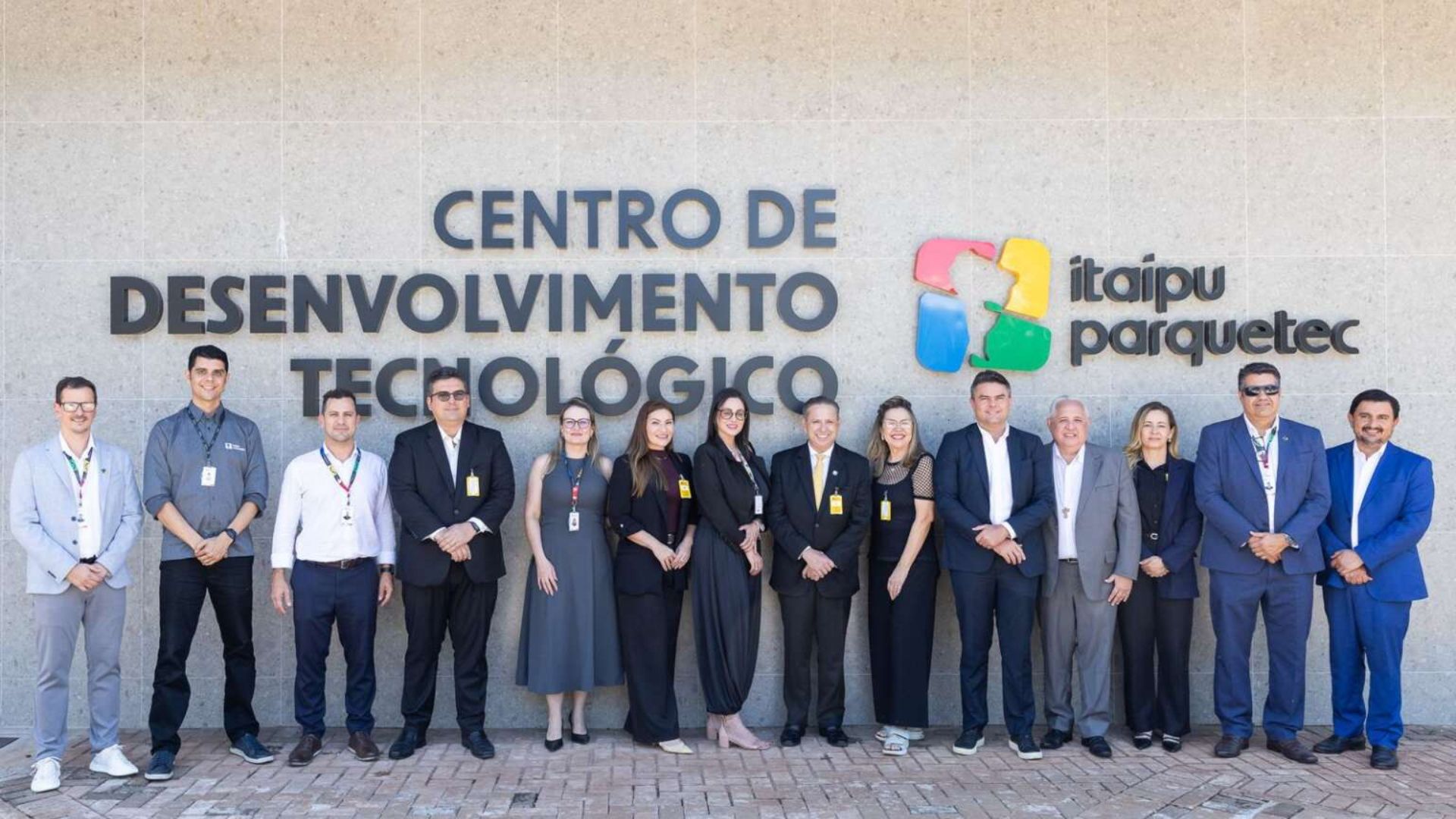
Ceará Advances in the Green Economy by Signing Agreement with ENBPar and Itaipu Parquetec to Install Pilot Plant for Green Hydrogen, Strengthening the Energy Transition, Encouraging Technological Innovation, and Training Professionals in Sustainable Energy.
The Ceará formalized a strategic partnership with ENBPar and Itaipu Parquetec, reinforcing the state’s strategy to position itself as a national reference in energy transition, decarbonization of the economy, and the development of green hydrogen. According to a report published by the Government of Ceará on February 5, the agreement provides for the implementation of a pilot plant focused on technological innovation, technical education, and training qualified professionals for the new sustainable economy.
Ceará, ENBPar, and Itaipu Parquetec Strengthen the Energy Transition in Brazil
The signing of the first stage of the Memorandum of Understanding (MoU) took place in Foz do Iguaçu, Paraná, during a technical visit by the Economic Development Secretariat (SDE) delegation to the facilities of Itaipu Binacional and Itaipu Parquetec, including the Hydrogen Technology Center. The initiative integrates research, development, experimental production, and professional training, strengthening the renewable energy chain in the Ceará territory.
The partnership between Ceará, ENBPar, and Itaipu Parquetec occurs at a strategic moment for the Brazilian energy sector. Brazil has a predominantly renewable electric matrix, with a strong participation of renewable sources, creating favorable conditions for the advancement of green hydrogen as an energy vector of the future.
-
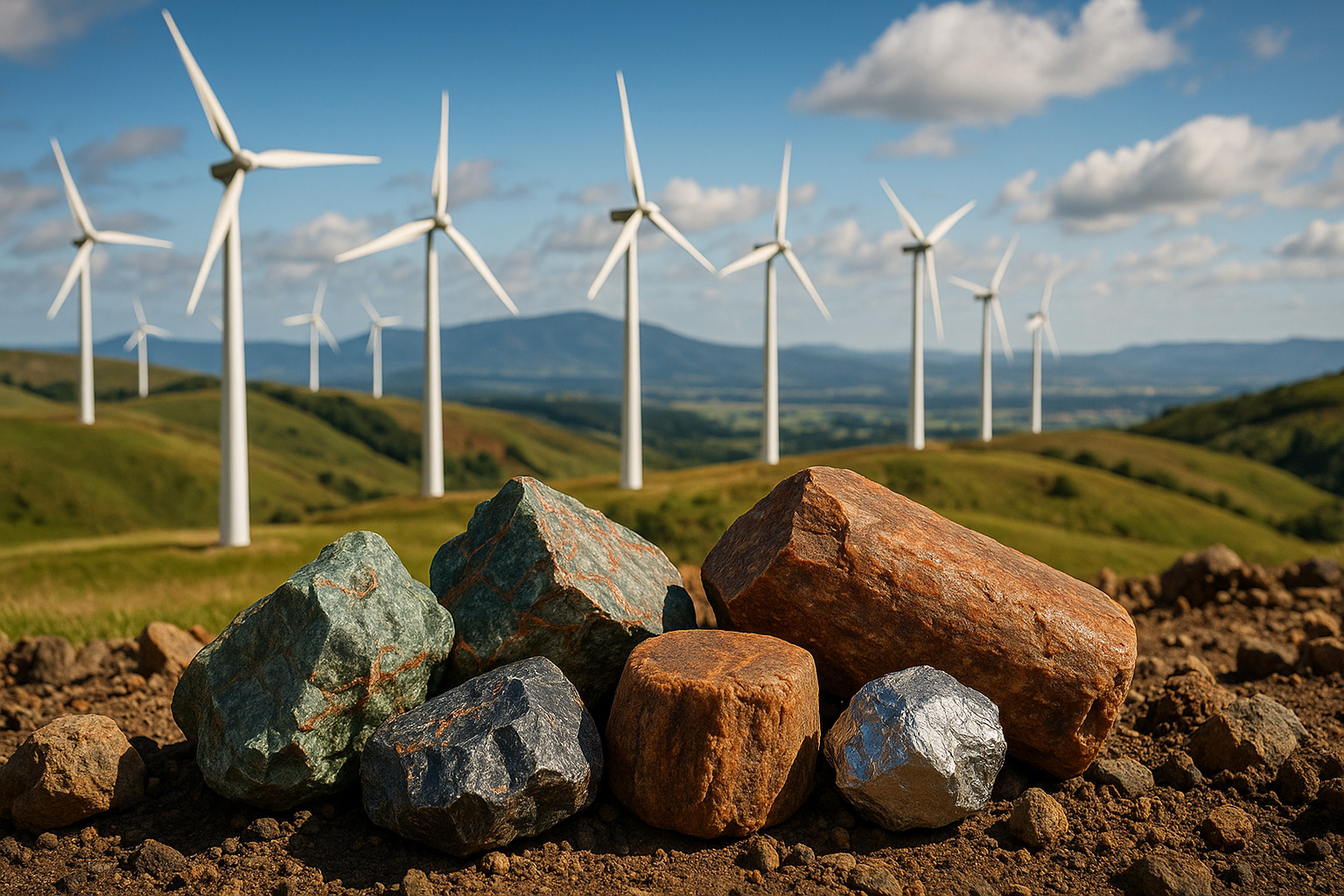
The Brazilian state accelerates industrial competitiveness with a focus on the extraction of strategic minerals to boost the energy transition in Goiás.
-
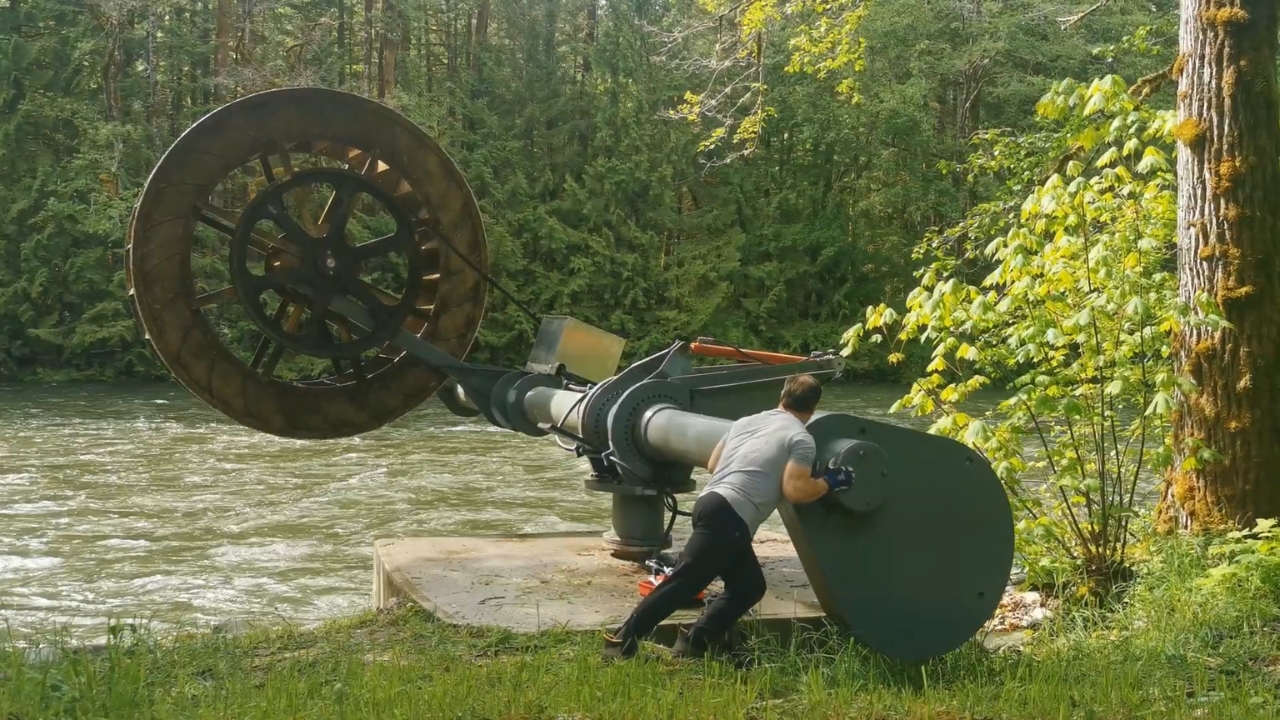
A Canadian retiree creates a hydroelectric system on a real river, generating energy continuously throughout the day and demonstrating how the power of water can supply a house with stability even in a simple structure.
-
Petrobras reaffirms its commitment to the market and ensures that it will carry out the energy transition safely to maintain national sovereignty.

-
Researchers discover a possible hydrogen deposit of up to 46 million tons beneath an ancient coal basin, and the volume could exceed half of the entire global production.


Ceará stands out nationally for the accelerated expansion of wind and solar energy, in addition to its strategic geographical position for exporting clean energy and sustainable derivatives. In this context, the signed agreement reinforces the state’s ambition to take center stage in the energy transition, connecting public policies, technological innovation, and sustainable economic development.
Joint action with ENBPar ensures institutional solidity for the project, while Itaipu Parquetec contributes technical knowledge and accumulated experience in applied hydrogen research.
Green Hydrogen Pilot Plant Unites Innovation, Education, and Sustainability
The main axis of the partnership is the implementation of the H2V-Education Pilot Plant (H2Lab) in Ceará. The unit will have an installed capacity of up to 300 kW, aimed at the experimental production of green hydrogen through water electrolysis using renewable energy.
The project was conceived as a comprehensive solution, including:
- Modular hydrogen production unit;
- Automated and secure operation system;
- Didactic structure for practical demonstration;
- Training for operators, technicians, and students.
By integrating technology and education, H2Lab becomes a strategic tool to accelerate learning, reduce technological risks, and prepare the state for future applications of green hydrogen on a commercial scale.
ENBPar and Its Strategic Role in the New Green Hydrogen Economy
ENBPar plays a fundamental role in the institutional articulation of the initiative. As a federal public company responsible for strategic holdings in the energy sector, its presence in the agreement enhances the legal security, governance, and reliability of the project.
According to the president of ENBPar, Marlos Costa, Ceará demonstrates a concrete commitment to leadership in the energy transition agenda. The convergence of state government, federal public company, and technology innovation center creates a favorable environment to transform energy potential into real solutions, with social, economic, and environmental impact.
This action also connects the Ceará project to a national vision of sustainable development, aligned with Brazil’s goals of reducing emissions and diversifying the energy matrix.
Itaipu Parquetec’s Experience Boosts Green Hydrogen in Ceará
Itaipu Parquetec has over a decade of experience in research, testing, and development of the entire chain of green hydrogen, including production, storage, transport, and energy applications. This trajectory consolidates the technological park as a national reference in the sector.
According to Professor Irineu Colombo, superintendent director of Itaipu Parquetec, Ceará’s interest in using pilot plants for local clean energy generation reinforces the institution’s role as a competence center for energy innovation. The transfer of technical knowledge is one of the main assets of the partnership, accelerating regional development and reducing technological barriers.
This cooperation expands the state’s capacity to structure future projects, both for internal consumption and for integration into national and international productive chains.
Professional Training and Technological Laboratories in Ceará
One of the differences of the agreement is the direct focus on professional training. The partnership provides for the creation of technological laboratories with didactic benches, capable of simulating all stages of green hydrogen production, from electrolysis to the final use of energy.
Students, technicians, and researchers from Ceará will have access to practical training, aligned with the real demands of the industry and energy sector. This strengthens the local human capital and expands the state’s capacity to attract new sustainable investments.
In addition, the project contributes to:
- Qualification of specialized labor;
- Encouragement of new businesses and startups;
- Strengthening of regional innovation;
- Generation of higher value-added jobs.
Green Hydrogen, Sustainable Mobility, and Decarbonization
The Memorandum of Understanding also establishes interest in future sustainable urban mobility projects in Ceará, highlighting the application of green hydrogen in heavy vehicles and school buses.
This approach is aligned with global trends of decarbonizing transportation, a sector responsible for a significant share of greenhouse gas emissions. The replacement of fossil fuels with clean hydrogen helps reduce emissions, improve air quality, and modernize urban infrastructure.
Thus, the project expands its impact beyond energy generation, integrating technological innovation, environmental sustainability, and public mobility policies.
Political Leadership and Strategic Vision for Energy Transition
The Secretary of Economic Development, Domingos Filho, highlighted that the partnership with ENBPar and Itaipu Parquetec is the result of the strategic vision of Governor Elmano de Freitas. The goal is to position Ceará at the forefront of the green economy, promoting sustainable growth, innovation, and the generation of qualified jobs.
Political leadership is a decisive factor in ensuring continuity, scale, and institutional integration of energy transition projects, especially in a sector that requires long-term planning and coordination among different levels of government.

A New Chapter for Sustainable Energy in Ceará
The signed partnership marks a new chapter for the energy development of Ceará. By bringing together ENBPar, Itaipu Parquetec, and the state government, the pilot plant project for green hydrogen consolidates a strategy based on innovation, education, sustainability, and competitiveness.
More than an investment in energy, it is an investment in people, knowledge, and the future. Ceará advances consistently in the energy transition, strengthens its position in the national scenario, and prepares to occupy a relevant space in the new low-carbon economy.








Seja o primeiro a reagir!