





 English
  Francês
  Alemão
  Italiano
  Japonês
  Norueguês
  Portuguese
  Spanish
 3 min of reading
  0 comments


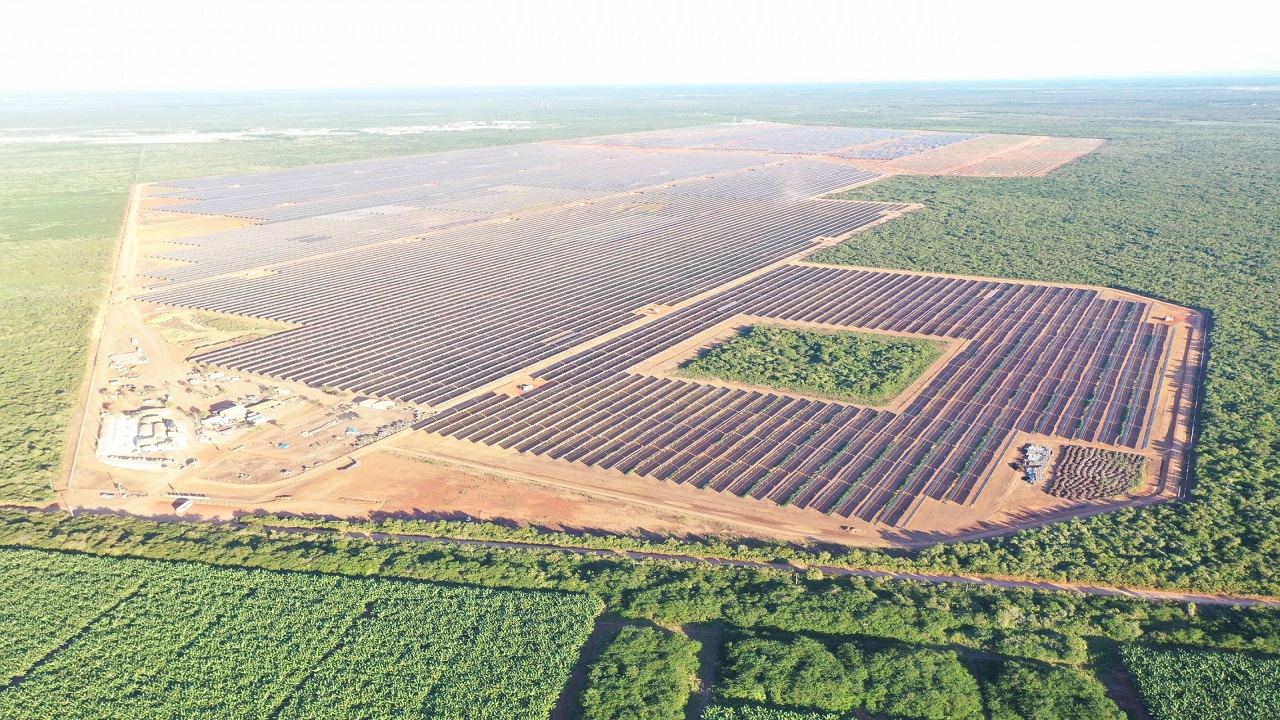
Observing The High Growth In The Brazilian Solar Energy Sector, Ceará Plans To Invest R$ 8 Billion In The Construction Of Several Solar Power Plants In The State With Capacity To Supply More Than 1.2 Million Households
To strengthen the renewable energy sector in Ceará, the Secretary of Economic Development and Labor (Sedet) intends to invest R$ 8 billion in the coming years. The investment information was announced first by Roseane Medeiros, the executive secretary of Sedet. According to Roseane, there is a company that is about to build a new solar energy production plant in the fixará region, in the municipality of Abaiara.
Read Other Related News
13 Municipalities In Ceará Will Receive Investments For The Construction Of New Solar Power Plants
The plant will have a capacity to generate 163 Megawatts (MW) of energy using solar power. Roseane highlights that investments in the sector’s plants will not be concentrated in a single region of Ceará and that several municipalities have great potential for solar energy generation.
Roseane states that the state government is joining forces to encourage investments from other private sector companies that intend to build solar power plants.
-
Renewable energy advances over protected areas in Brazil, and a survey by the Energy Transition Observatory reveals silent impacts that challenge environmental conservation and pressure sensitive traditional territories.

-
Rio Grande do Sul accelerates energy transition: State invests in renewable technologies and consolidates decarbonization strategies and pathways to attract billions in new industrial investments.

-
With 160,000 m² of collectors, an area larger than 20 football fields, Silkeborg, in Denmark, hosts a solar thermal plant that heats 19,500 homes and could become the largest solar heating plant in the world.

-
A study reveals the expansion of renewable energy procurement in Brazil and shows how companies are taking advantage of opportunities to reduce expenses, ensure energy efficiency, and strengthen strategic environmental commitments.


Without revealing the number or names of interested parties, the representative stated that negotiations are underway for the installation of photovoltaic plants in 13 municipalities in the State, including the expansion of already installed plants. The initiatives aim to explore the generation potential in the following municipalities in Ceará: Aquiraz, Aracati, Caucaia, Icó, Jaguaretama, Limoeiro do Norte, Mauriti, Milagres, Russas, São Gonçalo do Amarante, Sobral, and Trairi.
More Than 2.4 GW Of Energy Could Be Produced In The State
Roseane states that there is no set date for when the plants will begin to be built and emphasizes that, on average, two years are needed for analysis, infrastructure foundation, regulation, and licensing for the projects to become operational.
In total, the projection is that the construction of solar power plants will produce about 2.4 GW of power. According to data from the Brazilian Association of Photovoltaic Solar Energy, based on the energy consumption standard of 2018, the energy to be generated in Ceará has the capacity to supply around 1.2 million homes.
Roseane defines the installation of these investments in renewable energies in the state as inevitable and emphasizes that the government seeks to boost the entire process. Not only from the photovoltaic matrix but also from onshore and offshore wind power plants, and the government seeks to associate this with green hydrogen plant projects that will need sustainable energy and are already coming to the state.
Solar Power Plant Construction Promises To Generate More Than 4,000 Jobs
The great natural potential, tax incentives, and state support are standout factors that will promote renewable energy sources in the state. According to Roseane, the mission is not only to encourage plants and production itself but also to stimulate the entire economic chain, as this drives the local economy, especially the commerce and services sector.
The executive secretary of Sedet emphasizes that the priority of the companies will be the hiring of local labor with an average of 4,000 direct jobs for each project and another 600 jobs after the start of energy production at the plants.








Seja o primeiro a reagir!