





 English
  Francês
  Alemão
  Italiano
  Japonês
  Norueguês
  Portuguese
  Spanish
  3 min of reading


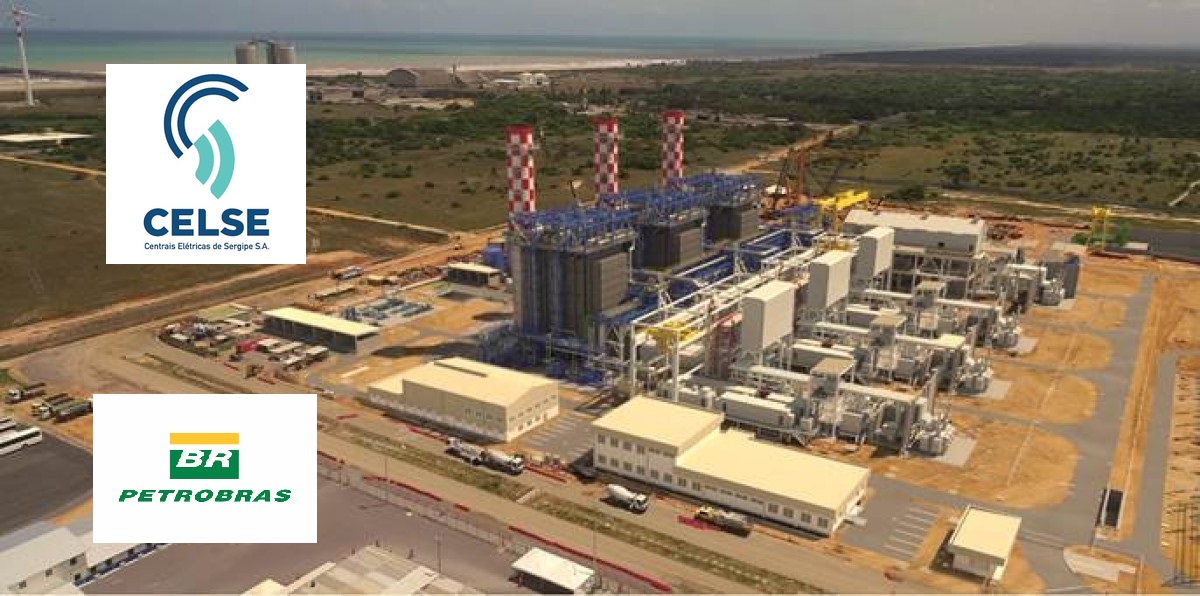
Sergipe Will Produce the Equivalent of 4 Times the Region’s Consumption. Half of the Production Will Come from Celse, Which Will Invest US$ 5 Billion; Plant Changes Residents’ Routine.
With the success of Petrobras in exploring six reservoirs and the arrival of private investors, Sergipe has been included in the global natural gas route. In five years, the state alone is expected to handle 40 million m³ of gas per day, a volume that corresponds to more than four times the current consumption capacity of the entire Northeast Region.
Celse, a company controlled by partners from Norway, the United States, and Brazil, built the country’s first private regasification unit next to the Port of Sergipe, in the municipality of Barra dos Coqueiros. Until then, only Petrobras had such units. The technology allows for importing the fuel in liquid form, LNG, by ship, then returning it to a gaseous state before injecting it into the land pipeline network.
-
Government unlocks R$ 554 million for a highway that has been requested for decades and accelerates the duplication of BR.
-
Without bricks, without cement, and without endless construction: the cardboard house that is assembled in modules and can be moved.

-
Billions of barrels on the equatorial margin could lead Amapá to double its oil production in Brazil — the state aims to enter the route of companies in the Campos Basin, attract investments, and boost jobs and businesses in the oil and gas sector.
-
Without bricks, without cement, and without endless construction: the cardboard house that is assembled in modules and can be moved.

“In the region, there is a substantial substation to transport the energy, and the land is close to the sea, in an area that has the best conditions for anchoring the ship (where the liquid fuel is transformed into gas), just 6 km from the coast,” says Pedro Litsek, president of Celse.
The first LNG shipment arrived last month from Cameroon in Africa, to be used as fuel for the operational testing of the Porto de Sergipe 1 thermal plant, also part of the Celse project. When it starts operating in January, the plant is expected to have a capacity to generate 1.5 gigawatts of electricity and will be the largest in Latin America.
This project was initiated about three years ago, before Petrobras discovered a reservoir of significant size in the region. Only the consumption of the electricity generator justifies the investment in gas import technology. Therefore, it serves as a gateway for private companies interested in competing in the domestic market.
Sergipe Has Oil, Gas, Potassium, and Biomass
Within Sergipe’s economic potential, we have mineral exploration capacity, especially due to oil and gas. We also have limestone, and the government has been attentive to this, seeking to create opportunities for companies that exploit these minerals to see Sergipe as a safe location with great opportunities.
Sergipe has a space in the Brazilian economy. Additionally, we have to consider that it also has a capital that offers quality of life and a good academic hub.
Carnallite, as the only producer of the mineral in the country, makes Sergipe a production hub for fertilizers capable of assuming the central project of Vale Fertilizantes’ potassium segment. The Sergipe deposit is located in the municipality of Rosário do Catete, being exploited to meet the growing national agricultural demand and reduce imports of the product.
The economic viability of Carnallite is intertwined with agronomic activity in Brazil, one of the largest agricultural producers in the world. Brazil has a strategic need for potassium because we import over 90% of what we need for agriculture. The Sergipe economy greatly benefits from this exploration.
Petrobras Receives Offer Exceeding US$ 1 Billion for Enchova and Pampo Poles in the Campos Basin









Seja o primeiro a reagir!