





 Portuguese
  English
  Spanish
  5 min of reading
  0 comments



Advancement Of Smart Glasses With AI Promises To Revolutionize The Relationship Between People And Technology, According To The Bets Of Large Companies In The Sector. Change Could Impact The Daily Lives Of Billions In The Coming Years.
Traditional smartphones may be numbered, according to Meta CEO Mark Zuckerberg.
During the financial results presentation for the second quarter of 2025, Zuckerberg reiterated one of his main bets for the future of technology: smart glasses equipped with artificial intelligence.
For the executive, these devices are set to take the central role of interface between people and technology in the coming years, gradually replacing smartphones.
-
After decades of failed attempts, Brazil is once again looking to space with an orbital rocket measuring 12 meters, weighing 12 tons, costing R$ 189 million, and scheduled for launch in 2026, in a new race to finally achieve autonomous access to orbit.

-
The Earth will plunge into a few minutes of darkness in broad daylight in August 2026, when a total solar eclipse transforms the sky into one of the most impressive astronomical phenomena in recent years.

-
How the terraforming of Mars can transform the planet: artificial aerosols can increase the temperature by up to 35°C in 15 years, creating conditions for liquid water.

-
Scientists drilled nearly 8,000 meters into the ocean floor above the fault that caused the 2011 tsunami in Japan and discovered that a layer of clay 130 million years old was responsible for making the wave much worse than any model had predicted.


According to Zuckerberg, the rise of AI glasses represents a profound shift in the way humans interact with the digital universe.
The entrepreneur stated that those without access to this innovation may face “significant cognitive disadvantage” compared to others, as artificial intelligence tends to radically transform daily life.
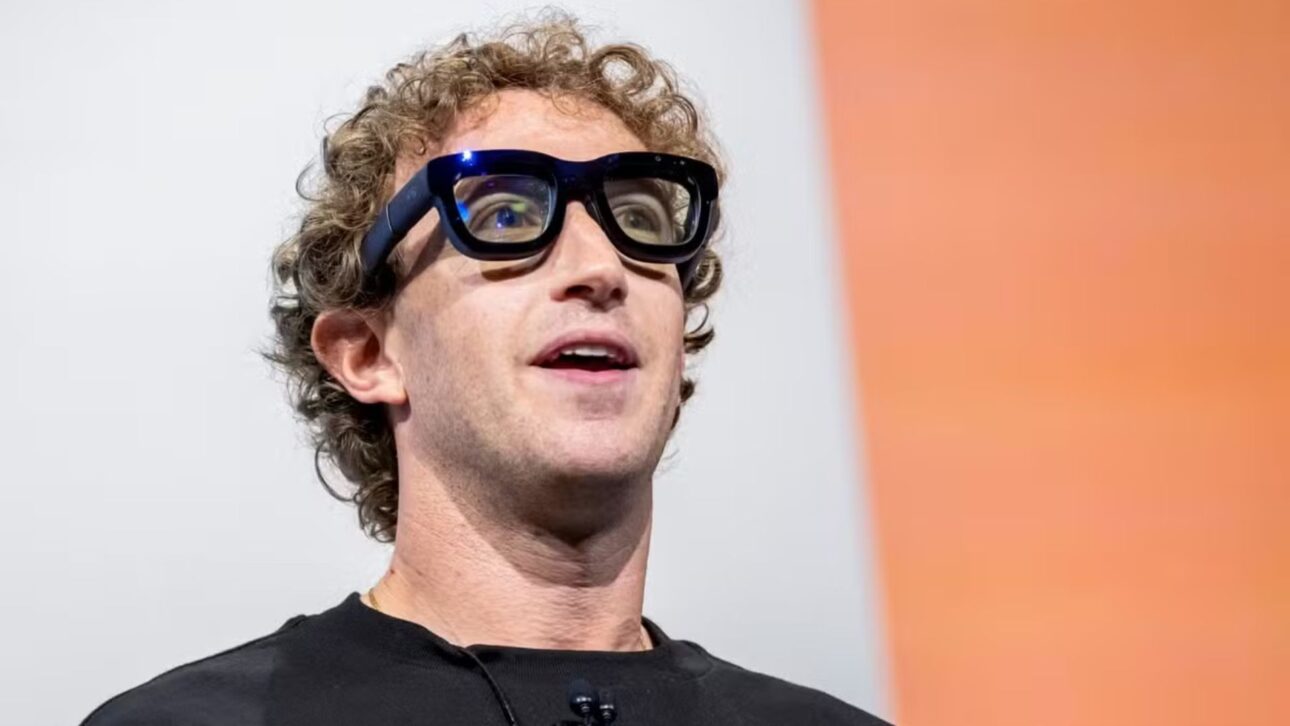
The statement was made during the traditional investor conference, in which the executive emphasized: “If you don’t have AI glasses — or some form of interacting with AI — you will likely be at a disadvantage compared to other people”.
This vision was also detailed in an article published by Zuckerberg on Meta’s official blog, where he argues that the so-called “superintelligence” will become an inseparable part of daily life.
Meta’s bet is that the next generation of smart glasses will be capable of real-time integrations between audio, vision, and digital content, providing an immersive experience without relying on traditional screens.
AI Glasses And The New Digital Interface
For the Meta CEO, AI-equipped glasses will be the “ideal interface for the next digital era”, as they can capture what the user sees, hears, and even respond in real-time.
The executive explains that this technology will allow “AI to see what you see during the day, hear what you hear, and talk to you”.
This integration should be enhanced through the use of built-in screens or even holographic projections, a technology that Meta is already developing with the Orion future glasses project.
One of the main examples of this advancement is the Ray-Ban Meta line, launched in partnership with the global optics giant EssilorLuxottica.
According to the company’s report, sales of these devices tripled compared to the same period last year, even without major hardware updates.
The glasses feature functionalities such as capturing photos and videos, audio playback, and intelligent responses based on AI, aiming to make the digital experience more fluid and natural.

Billion-Dollar Losses And Meta’s Strategy
Despite the optimism regarding the future of AI glasses, Meta continues to face financial challenges in its augmented and virtual reality division.
Reality Labs, the unit responsible for developing products such as smart glasses and devices for the Metaverse, recorded an operating loss of US$ 4.53 billion between April and June 2025.
Since 2020, the accumulated losses in the sector have approached US$ 70 billion, according to data released by the company itself.
Even so, Zuckerberg insists that it is a strategic, long-term investment aimed at permanently transforming users’ relationship with technology.
Experts believe that the CEO’s insistence on advocating for AI glasses seeks to justify the significant investments in this segment, arguing that the next generation of smart devices will render current smartphones obsolete.
For the executive, those who do not keep up with this transformation may end up marginalized from a technological standpoint.
Global Competition And The Race For New Interfaces
Meta is not the only tech giant betting on a new era for digital interfaces.
Companies like OpenAI, Humane, and Limitless are also developing innovative devices focused on artificial intelligence.
One of the most notable agreements involves OpenAI, led by Sam Altman, which partnered with designer Jony Ive — former Apple — to create an AI device for the end consumer, in a project valued at US$ 6.5 billion.
In addition to these names, startups specializing in wearable accessories are also betting on the integration of AI and accessories, such as smart pins and pendants capable of executing commands and processing information in real-time.
Despite technical limitations and still restricted adoption, market expectations are that these experiences will pave the way for increasingly sophisticated solutions.
According to a report from consulting firm Statista, the global market for smart wearables with AI is expected to exceed US$ 80 billion in revenue by 2027, reflecting major companies’ bets on solutions that transcend the traditional smartphone concept.
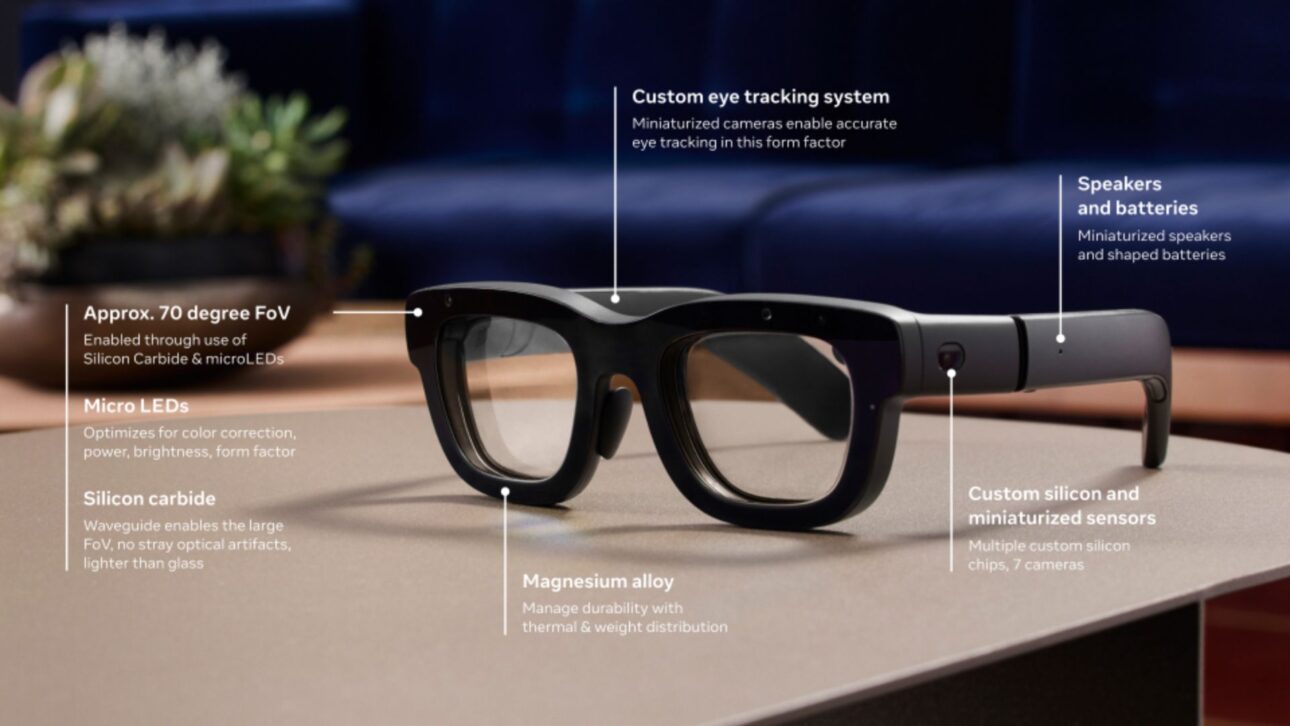
Why AI Glasses Could Replace Smartphones?
Zuckerberg argues that, unlike smartphones, AI glasses provide a truly immersive experience without physical barriers.
The technology, according to him, “will unite the physical and digital worlds in the best possible way”.
By using voice commands, gestures, and sensors, these devices can execute complex tasks, integrate information from the environment, and provide quick access to advanced artificial intelligence resources.
While the Orion glasses project still lacks an official launch date, Meta continues to invest heavily in research and development, aiming to lead the next technological revolution.
The executive assures that the company does not intend to abandon the concept of the Metaverse, as he believes that the future of computing will be shaped by increasingly interactive and personalized experiences.
Challenges For The Popularization Of AI Glasses
Even in light of positive prospects, the popularization of AI glasses still faces relevant obstacles, such as high production costs, battery limitations, privacy concerns, and limited adoption outside major tech centers.
Analysts warn that, although sales are on the rise, technical and cultural challenges may delay the total replacement of smartphones.
Still, the topic remains prominent at major technology fairs and discussions about the future of the sector.
The growing interest from companies, investors, and consumers suggests that the race for the next mass interface is just beginning.
Do You Believe That AI Glasses Will Really Replace Smartphones, Or Are We Facing Another Technological Promise? What Will Be The Impact Of This Transformation On Our Daily Lives?









-

-

-

-

-

12 pessoas reagiram a isso.