





 English
  Francês
  Alemão
  Italiano
  Japonês
  Norueguês
  Portuguese
  Spanish
  3 min of reading
  1 comment


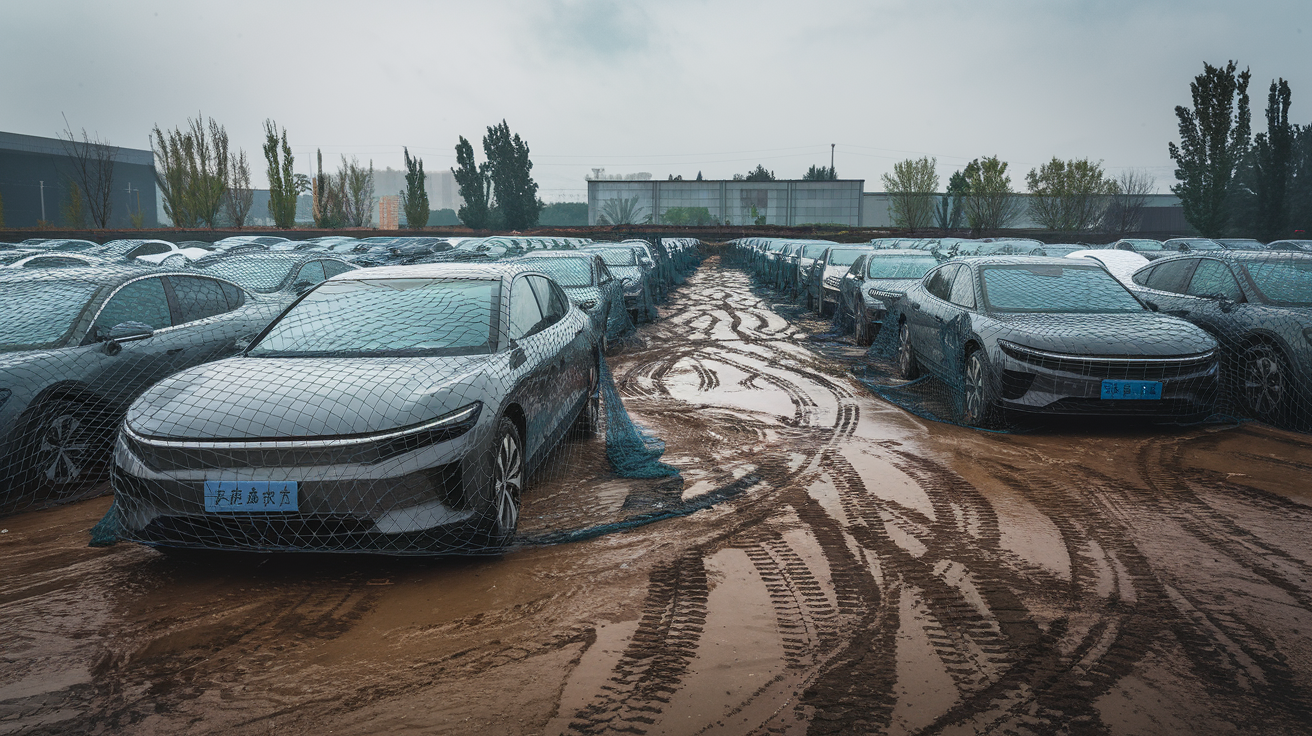


The Import of Used Electric Cars Is Also Gaining Ground in the Brazilian Automotive Market.
In recent years, the electric vehicle (EV) market has been growing exponentially worldwide, and Brazil is no exception. With increasing awareness of climate change and the need to reduce carbon emissions, many consumers are opting for electric cars as a more sustainable alternative to traditional fossil fuel-powered vehicles. However, the importation of used electric cars, through mechanisms such as the Special Vehicles and Enthusiasts Program (SEVS), has raised significant concerns about the safety of these vehicles on Brazilian soil.
The SEVS Program and the Import of Used Electric Cars
The Special Vehicles and Enthusiasts Program (SEVS) was originally created to allow the import of specialized or historic vehicles that would otherwise not be available in the Brazilian market.
This program has been used as a “back door” for the importation of used electric cars, mainly from Japan, the United Kingdom, and the United States. While this practice allows for greater diversity of EV options for Brazilian consumers, it also raises serious questions about the safety of these vehicles.
-
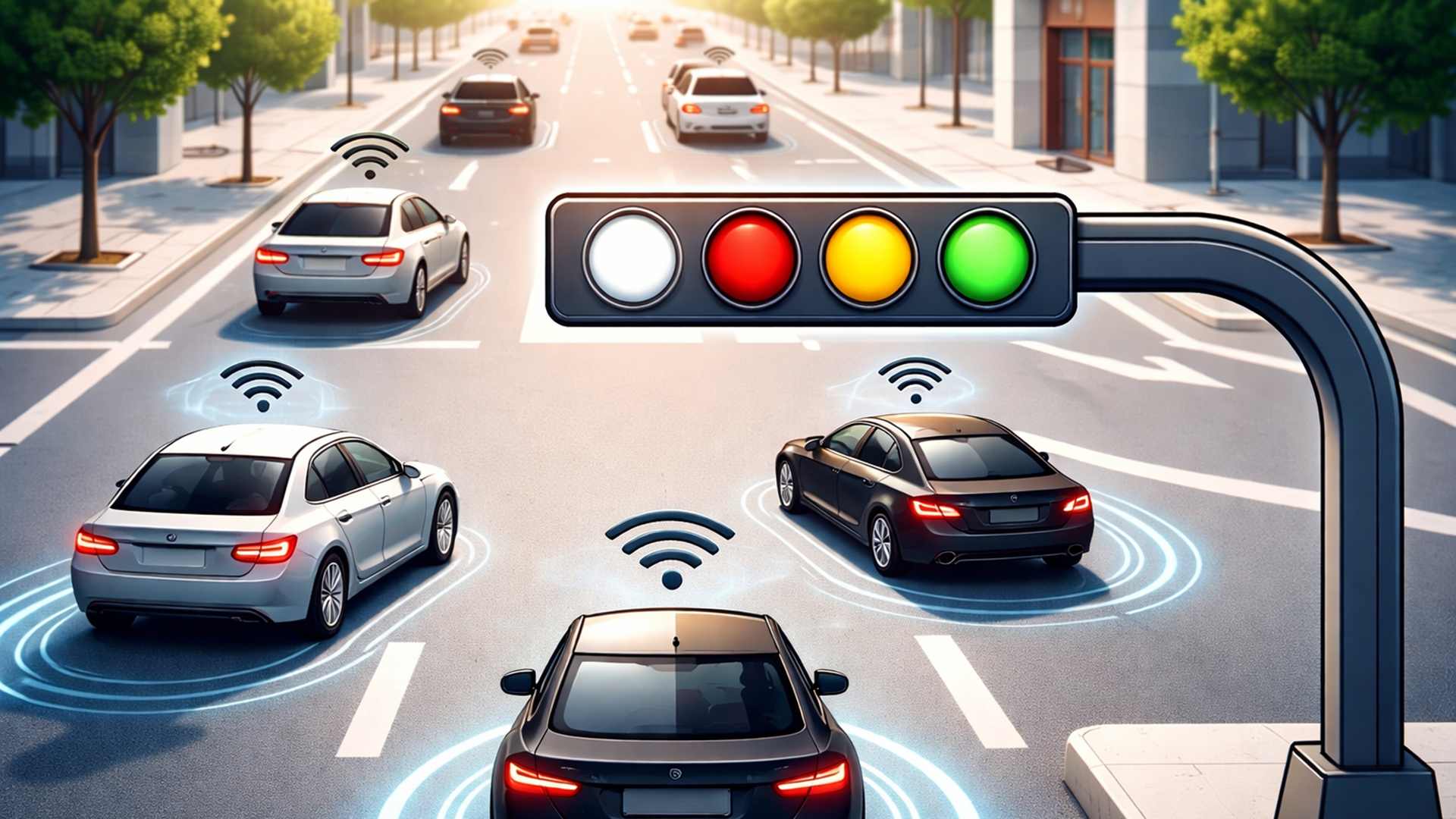
Engineers propose a fourth traffic light for intersections – the change promises to affect crossings, queues, and waiting times.
-
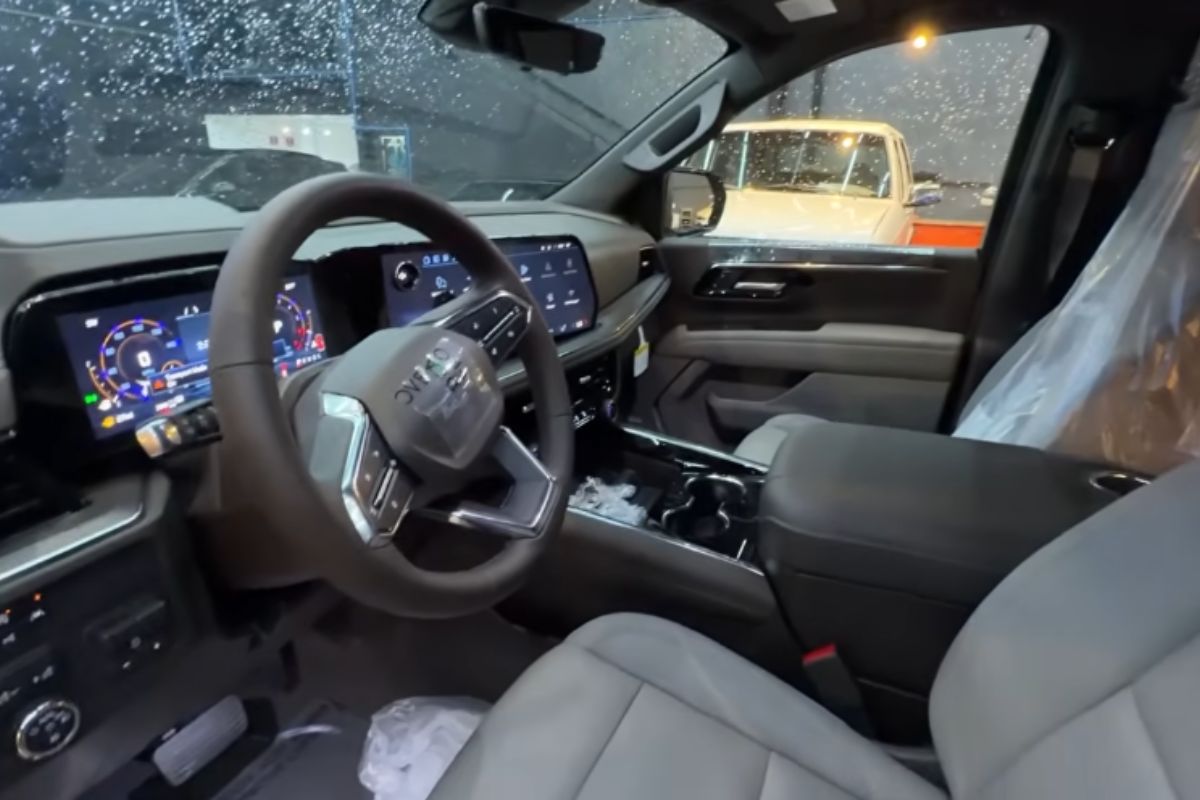
Chevrolet Suburban Z71 lands in Brazil with a V8 engine, off-road design, air suspension, seven seats, and colossal size, a rare version imported for around R$ 1.3 million with luxury and exclusivity.
-
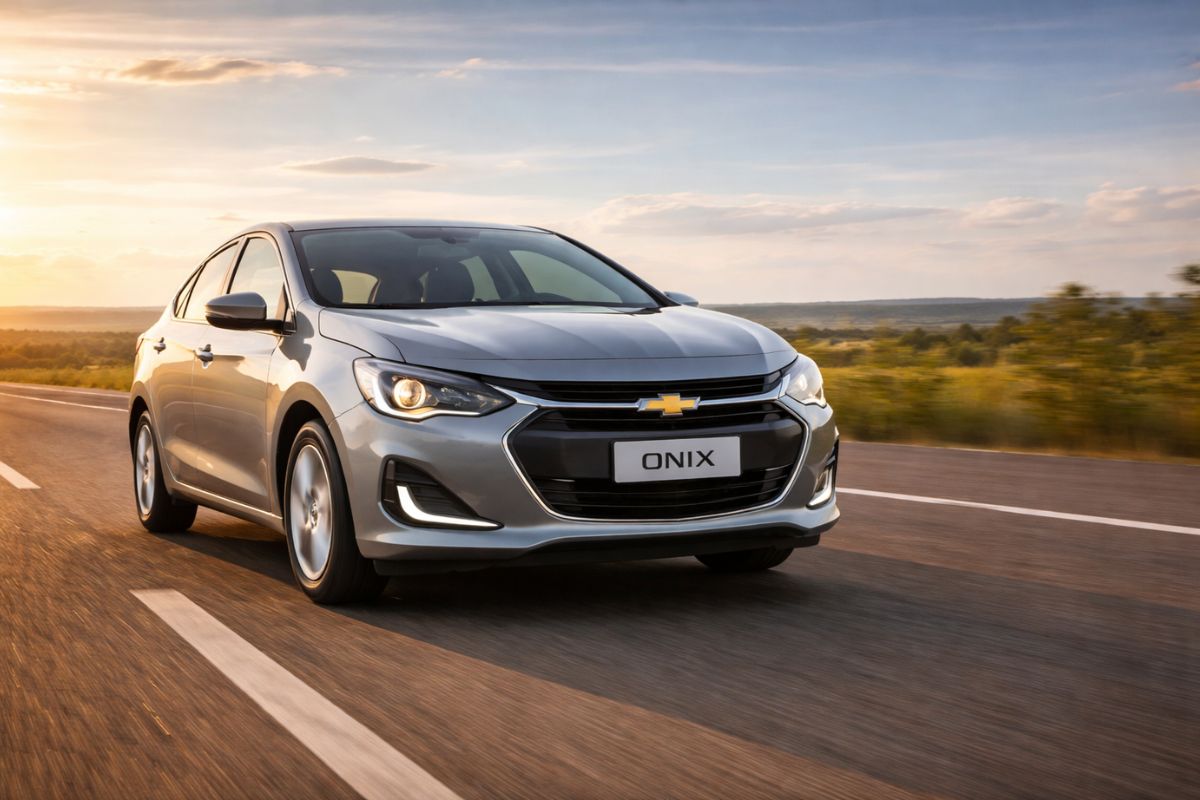
The Chevrolet Onix 1.0 turbo achieves 17.7 km per liter on the highway and ranks among the three most economical cars in Brazil in 2026, alongside two more expensive Toyota hybrids available at dealerships.
-
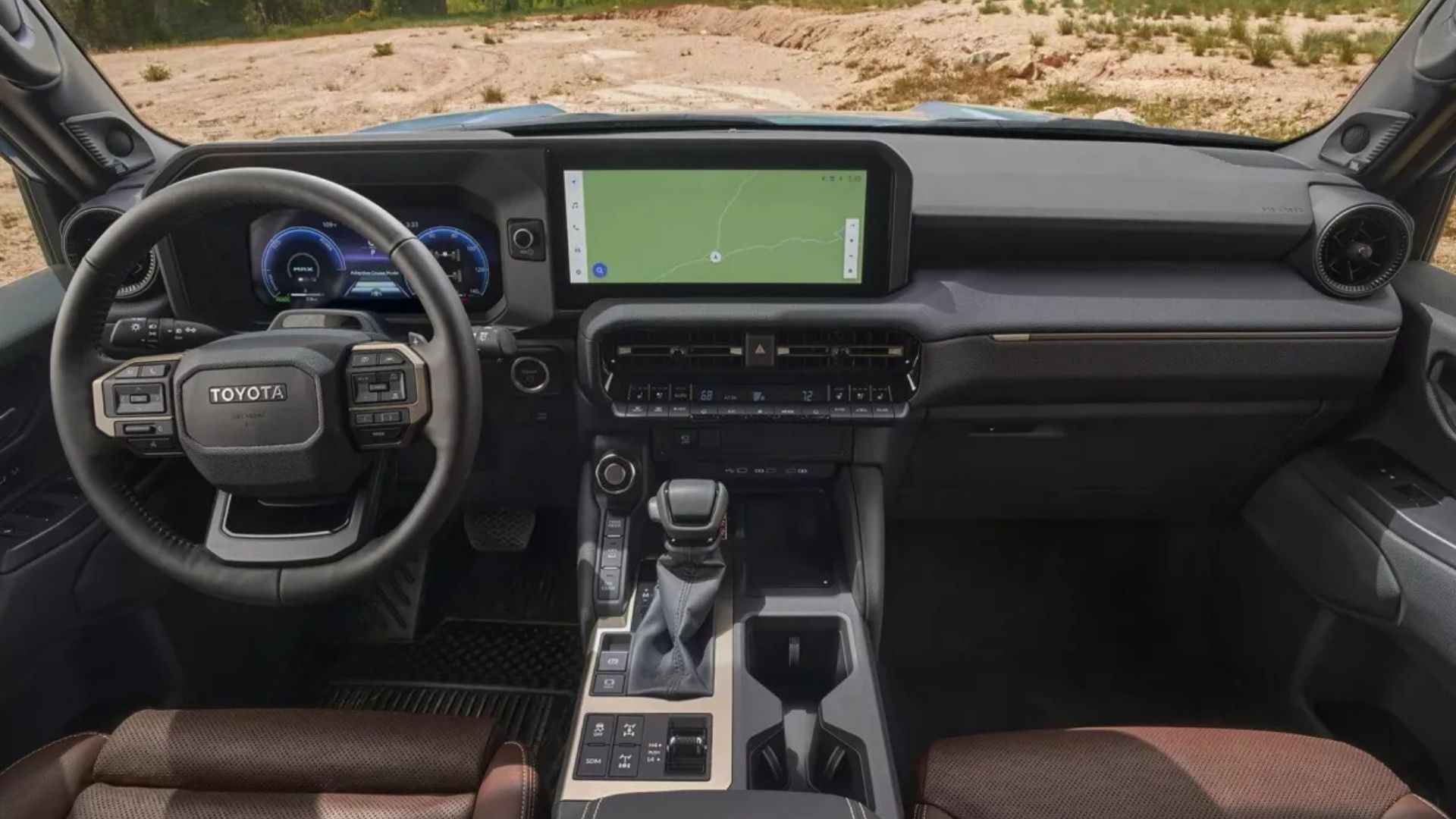
Little sister of the Hilux: Toyota launches Land Cruiser FJ with 4 radical versions, 2.7 engine with 166 hp and 4×4 traction with locking.

The Australasian New Car Assessment Program (ANCAP), an authority on vehicle safety in Australia, has expressed concerns about the use of the SEVS program for the import of used cars that cannot be tested according to local safety standards.
According to ANCAP, many of these vehicles are imported in small batches that cannot be evaluated for a safety rating, which may result in potentially unsafe vehicles circulating on Brazilian streets.
The Safety Issue Raised by ANCAP


One of the main concerns raised by ANCAP is the lack of safety testing for these imported vehicles.
In the case of Australia, ANCAP requires that, for a vehicle to receive a safety rating, a minimum of four vehicles of the same model must be tested. However, vehicles imported through the SEVS program often arrive in small batches, making comprehensive testing impractical.
This lack of testing raises important questions about the transfer of safety specifications from one country to another. Each jurisdiction has its own safety standards, and the absence of equivalent testing on Brazilian soil may mean that vehicles imported under the SEVS program do not meet strict local safety standards.
This undermines the ANCAP rating system and potentially the requirements of Australian Design Rules, which may not be applicable to the Brazilian context.
The Perspective of Used Car Importers
On the other hand, representatives of the vehicle import industry, such as Kristian Appelt from the Australian Imported Motor Vehicle Industry Association (AIMVIA), disagree with ANCAP’s claims. According to Appelt, the fact that a vehicle has not been tested by ANCAP does not necessarily mean it is unsafe.
He argues that the electric cars imported from countries like Japan, the United Kingdom, and the United States are manufactured according to safety standards equivalent to those in Brazil, and that these vehicles undergo rigorous inspections and modifications to meet Australian Design Rules before being registered.
Appelt also mentions that several electric vehicles imported through the SEVS program have high safety ratings in other jurisdictions.
For example, the 2020 Honda-e has a four-star rating from Euro NCAP, while the 2021 Ford Mustang Mach-E and the 2022 Nissan Ariya have five-star ratings. These ratings suggest that, despite the lack of testing by ANCAP, these vehicles may still be considered safe for Brazilian roads.





Como podem questionar a segurança de veículos novos, altamente tecnológicos, se aqui no Brasil rodam Fuscas, Belinas, Chevettes, carros que não possuem cintos abdominais e encostos de cabeça. Sem falar nos carros que rodam no interior e a noite sem farol, sem -brisas. E no RS ainda temos carroças com cavalos e com pessoas puxando…