





 Portuguese
  English
  Spanish
  5 min of reading
  0 comments


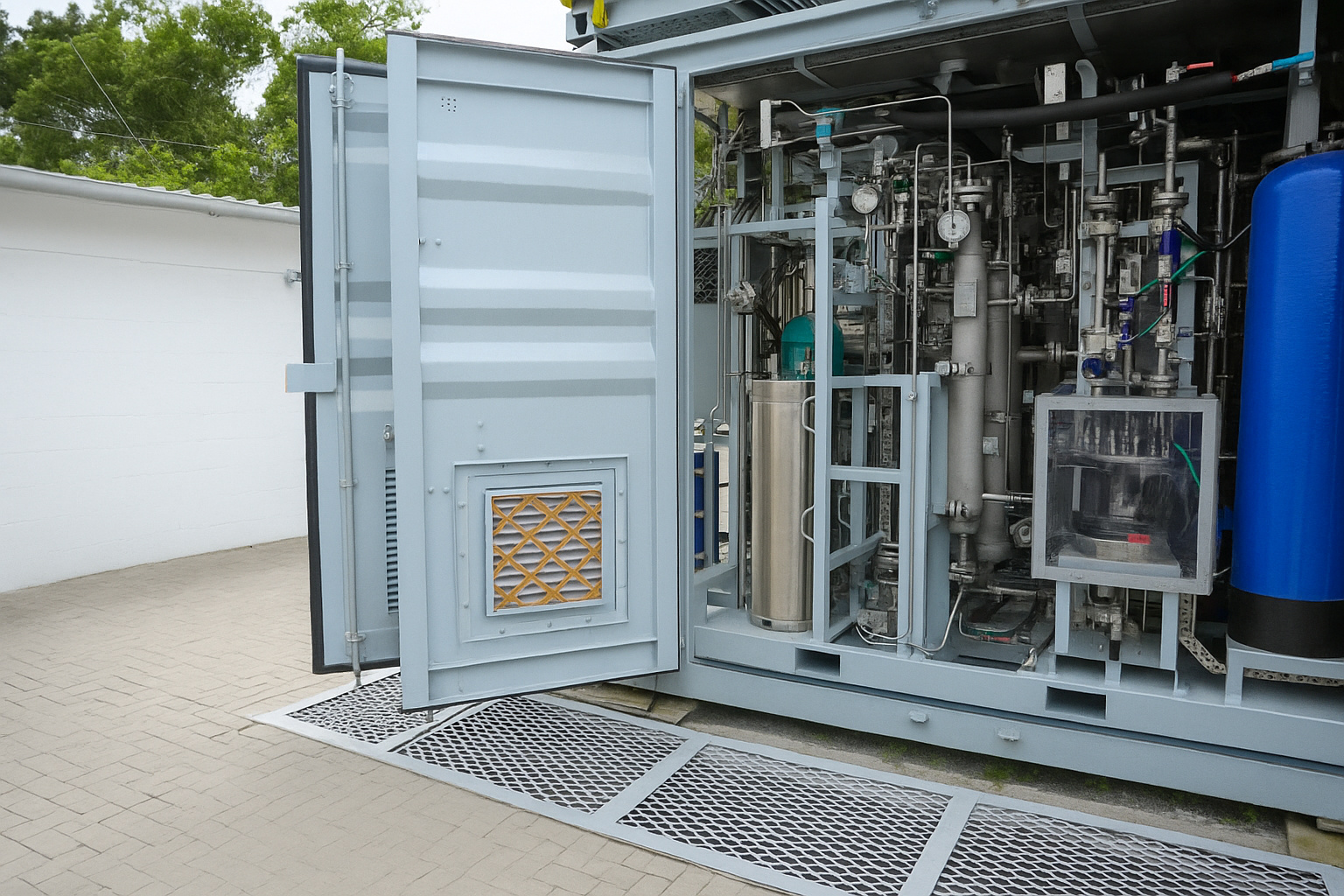
Discover How Senai Park Drives the Energy Transition in the Brazilian Industry, with Projects for Green Hydrogen and Lithium Batteries, Promoting Innovation and Sustainability.
The energy transition in the Brazilian industry has gained prominence in recent years, mainly due to the need to reconcile economic development with environmental responsibility.
Historically, the national industry predominantly used traditional energy sources, such as oil, coal, and natural gas. These resources, while essential for the country’s economic growth, also caused significant environmental impacts, such as greenhouse gas emissions and air pollution.
However, in recent years, global changes in climate policies, international agreements, and awareness of the planet’s limits have stimulated the search for cleaner and more efficient energy solutions.
-
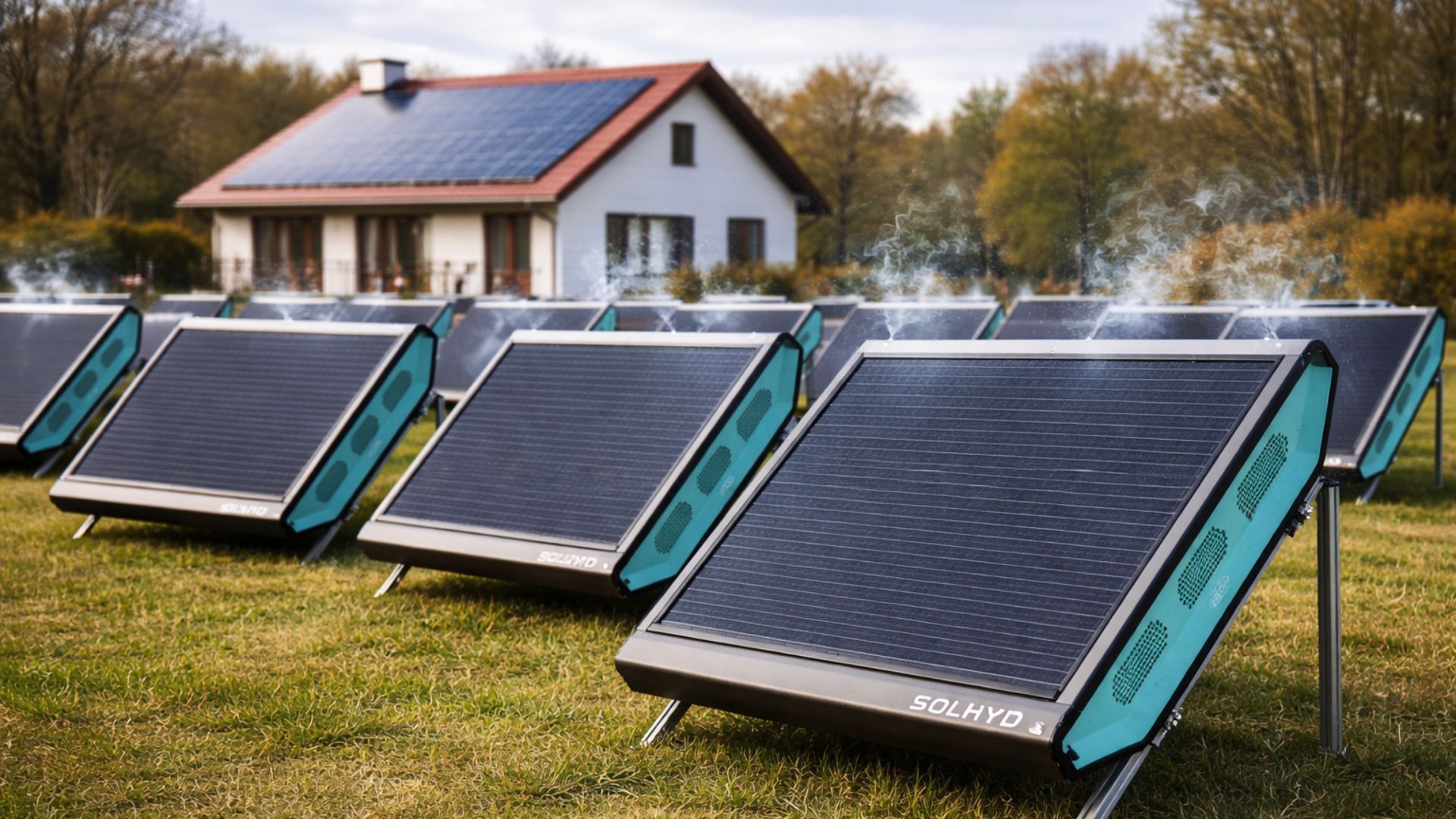
Green hydrogen at home: Belgium launches new technology that makes solar panels produce fuel from the moisture in the air, which could boost the energy transition.
-
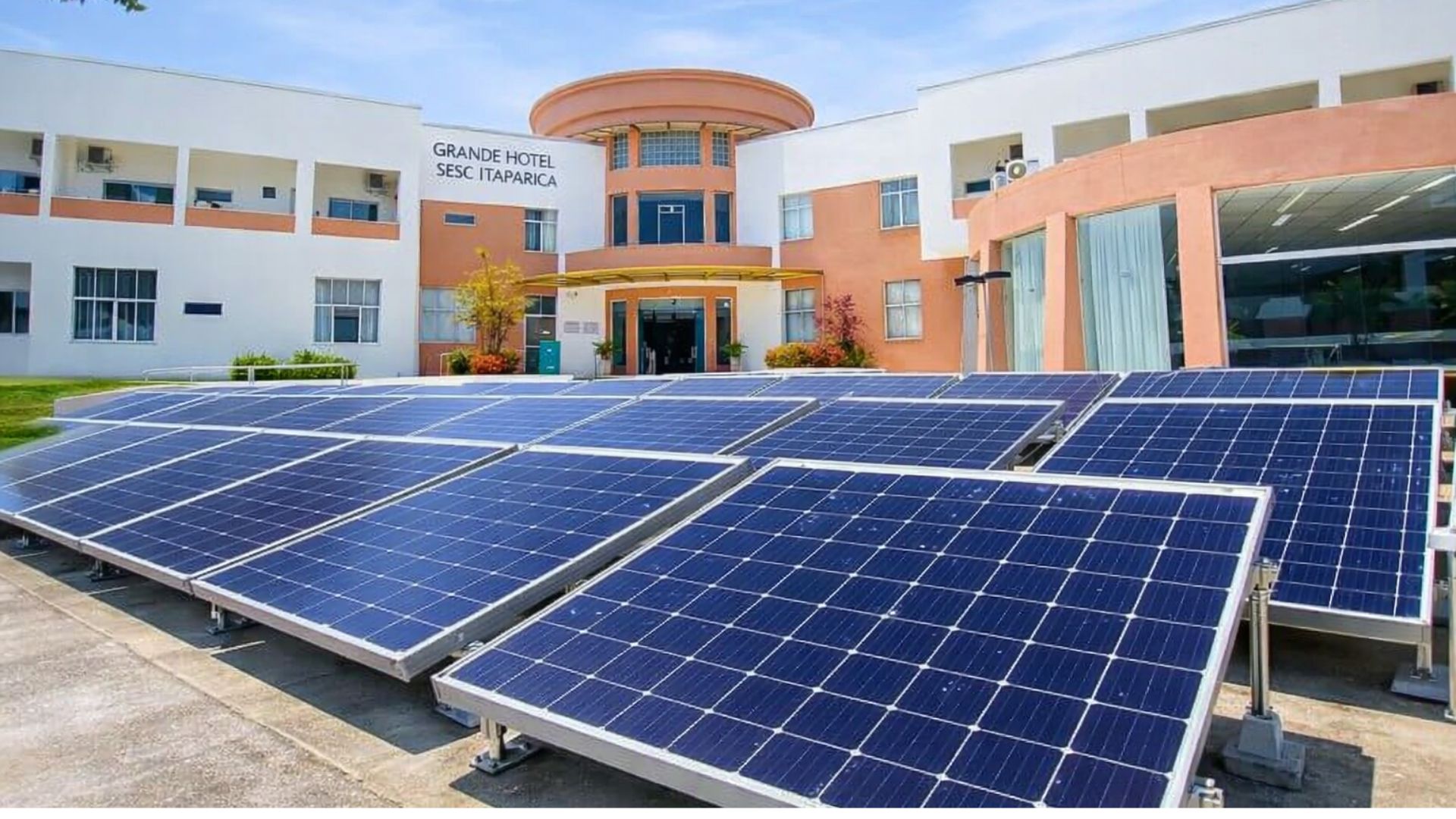
Sesc-BA bets on renewable energy with the support of EDP and drives the energy transition with a direct impact on cost reduction and the sustainability of its operations in Bahia.
-
Technology giant breaks global sustainability records: How Amazon’s leadership in renewable energy procurement transformed the global energy market in the past year.

-
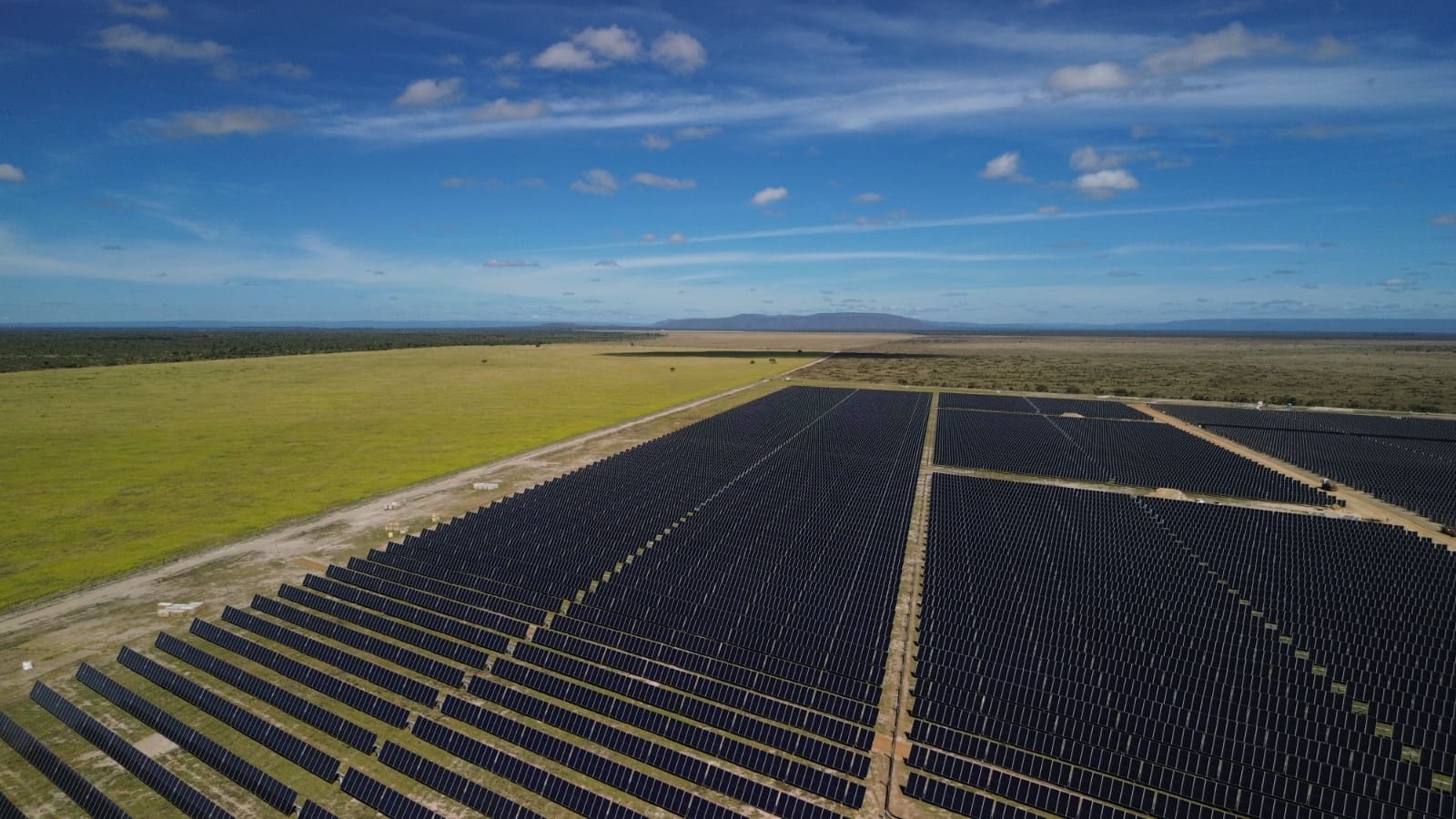
Alert in the electric sector: Atlas Renewable Energy confirms billion-dollar investment and Brazil risks losing a share of the new investment in Latin America to neighboring countries.

In this way, technology innovation centers are emerging as strategic spaces to enable the adoption of sustainable practices and accelerate the integration of renewable sources in the industry.
The Senai Park, inaugurated in the city of Ipojuca, in the metropolitan region of Recife, represents a milestone of this new phase. Thus, the park aims to develop technologies that contribute to industrial decarbonization, an essential step within the energy transition.
The concept of energy transition refers to the gradual replacement of fossil sources with alternatives for clean energy, such as solar, wind, and green hydrogen.
For the industry, this change brings environmental and economic benefits. Moreover, the adoption of low-carbon technologies increases companies’ competitiveness, especially in international markets that require clean production certifications.
In many cases, importing countries impose additional tariffs on products from carbon-intensive industries, making investment in clean energy a strategic differential.
On the other hand, consumer perception has changed significantly. Increasingly, customers value products from companies committed to sustainability.
Therefore, innovative initiatives have become essential for the industrial sector.
Green Hydrogen Projects and Industrial Decarbonization
At Senai Park, the energy transition in the Brazilian industry advances through innovative projects. One of the highlights is the development of green hydrogen, a gas that can generate energy without emitting carbon dioxide.
Although hydrogen is the most abundant element in the universe, it rarely appears in isolation, being generally combined with other elements, such as in water.
To obtain green hydrogen, researchers use the process of electrolysis, which separates the chemical elements present in water using energy.
When this energy comes from renewable sources, such as hydroelectric or solar, the resulting hydrogen is classified as green, making the technology clean and sustainable.
Green hydrogen meets various industrial applications. It generates electricity, powers vehicles, or serves as raw material in industrial processes.
At Senai Park, the installed electrolyzer produces up to 30 kilograms of hydrogen per day, a quantity sufficient to supply vehicles on industrial routes, such as the route between Porto do Suape and Recife.
Furthermore, the project involves large companies, such as Siemens, White Martins, and CTG Brasil, highlighting the relevance of the subject for industrial competitiveness.
The use of green hydrogen also creates opportunities in traditional sectors, such as steel and chemicals, historically reliant on highly polluting processes.
Thus, Brazil is advancing in the global energy innovation landscape.
Research and development in this field positions the country among the pioneers in industrial energy transition, contributing to reducing global emissions and reinforcing Brazil’s presence in international markets.
Energy Storage and Resource Optimization
Another central point of the energy transition is the storage of clean energy.
Storage systems, comparable to large batteries, allow for conserving energy generated by intermittent sources, such as solar and wind, for later use.
This concept helps reduce the phenomenon known as curtailment, which occurs when clean energy generation exceeds demand or distribution capacity, forcing the disposal of usable electricity.
By storing energy and using the surplus, for example, in the production of green hydrogen, the industry optimizes resources and reduces losses.
Moreover, these solutions encourage investments in energy infrastructure, bringing positive impacts on operational efficiency, supply security, and cost reduction.
Therefore, storage serves as a strategic element of industrial innovation.
Lithium Battery Production and Technological Innovation
The production of lithium batteries reinforces the energy transition in the Brazilian industry.
The growth of global electric mobility increases the demand for efficient batteries, essential for electric vehicles and storage systems.
Historically, Brazil relied on importing these components, primarily from China, which dominates lithium production and the associated technology.
For this reason, national battery production, referred to as “tropicalization”, adapts the technology to the Brazilian context. Thus, reducing dependence on imports and fostering local innovation.
The lithium battery project at Senai Park is conducted by the Moura Group and involves significant investments, including resources from the Green Mobility and Innovation Program (Mover).
The production line will be robotized and will have the capacity to manufacture 1,000 batteries per month, serving 12-volt and 48-volt vehicles.
The initiative demonstrates how the industry benefits from technological innovation applied to sustainability, connecting academic and laboratory research with market demands.
Moreover, the internal development of these batteries creates specialized labor and strengthens the Brazilian industrial ecosystem, promoting new job opportunities and technological development.
Industrial Cooperation and Sustainable Future
The participation of various automotive companies, such as Stellantis, Volkswagen, Iochpe Maxion, and Horse (Renault Group), highlights an important aspect of the energy transition: cooperation among competitors.
At Senai Park, the groups share knowledge, while each company protects specific innovations as trade secrets.
This approach allows the industry to advance collectively in implementing low-carbon practices, strengthening the country’s global competitiveness.
Historically, Brazil has always stood out as a pioneer in the adoption of renewable energies, especially in the power sector, with an emphasis on the hydroelectric matrix.
However, the industry still faces challenges in reducing dependence on fossil fuels.
Projects like those developed in Senai Park accelerate the decarbonization of the industry, promoting efficiency, innovation, and economic sustainability.
The impact of the energy transition extends beyond the environmental.
The national industry, by investing in green hydrogen, lithium batteries, and storage systems, positions itself better in the international market, reduces regulatory risks, and improves the reputation of its brands.
The consolidation of technology innovation centers in Brazil demonstrates that the energy transition in the Brazilian industry is not just a trend but an urgent necessity and a sustainable path for growth.
In summary, the implementation of projects like those at Senai Park shows that the Brazilian industry is incorporating the energy transition into its daily practices.
From the development of green hydrogen to the national production of lithium batteries, the country shows that it is possible to reconcile innovation, competitiveness, and sustainability.
The role of the industry is central, as without the effective involvement of companies in the production of clean energy, the energy transition would remain merely theoretical.
Today, the story of the Brazilian industry is being rewritten, incorporating renewable energies and smart technologies, paving the way for a sustainable and economically viable future.










Seja o primeiro a reagir!