





 Português
  Inglês
  Espanhol
 3 min de leitura


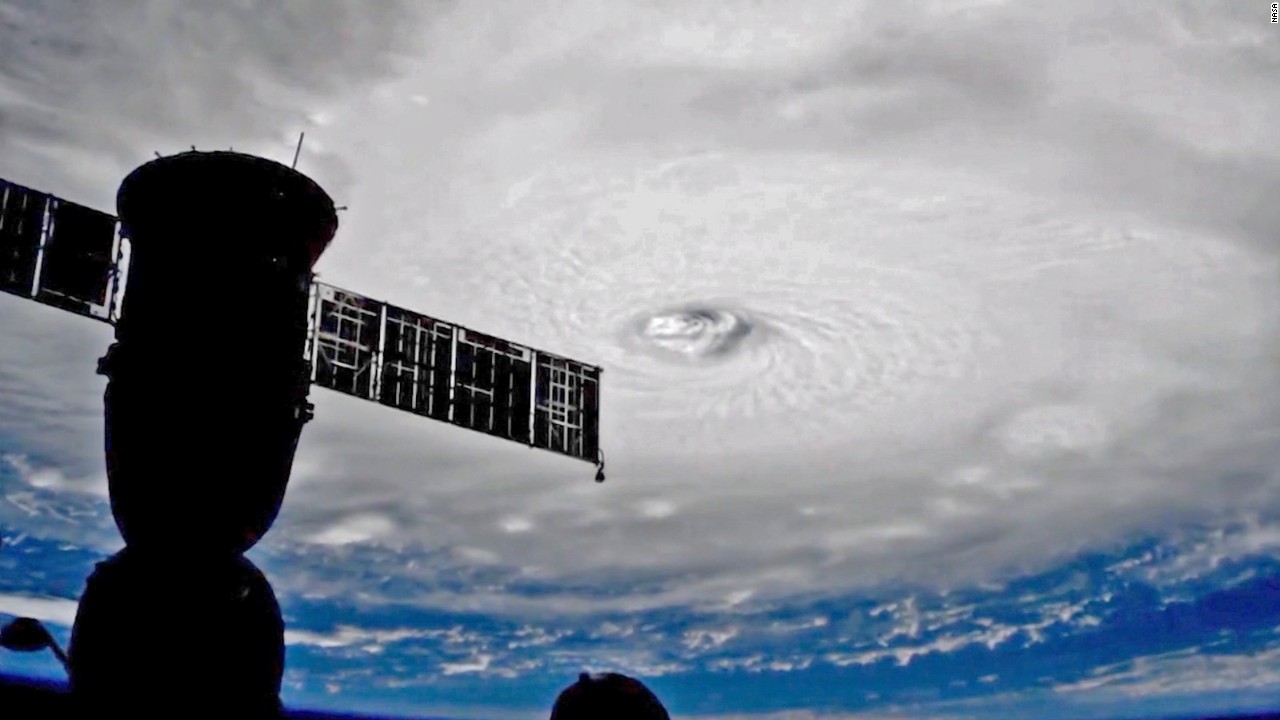
With the goal of better understanding the results of the partnership established between the municipality of the state of Rio de Janeiro and the National Aeronautics and Space Administration, NASA, the Rio Operations Center (COR) received, on last Friday (13), the consul general of the United States in Rio de Janeiro, Jacqueline Ward.
The partnership is an ongoing effort by the state to prevent disasters, so that Rio de Janeiro becomes a city adapted to increasingly intense climate change, with no signs of retreat, according to geopolitical analyses. Data is shared, along with models and scientific and operational knowledge, in an agreement in which NASA provides information to assist in monitoring summer rains in Rio de Janeiro.
Jacqueline Ward stated how special the experience is, both for the consulate and for her personally. The state has invested substantial resources in disaster prevention and response, and partnerships like this one with NASA greatly contribute to improving and expanding monitoring. It is the only way for the people of Rio de Janeiro to feel a little more secure and protected. In addition to representatives from the city hall, the visit also included the Education Attaché, Mark Carr, and Environmental Affairs Specialist, Alton King. He and Carr are members of the American consulate.
One of the models developed through the partnership and already implemented is the Landslide Hazard Assessment Model for Situational Awareness (Lhasa Rio).
This tool assists in monitoring during the summer, a period of intense rain. As a result, the risks of landslides can be tracked. The tool used by COR was developed through the partnership, which, in addition to NASA, involves the Pereira Passos Institute (IPP) and the Geo-Rio Foundation.
-
Oncorp wins auction and enables biodiesel and gas thermal plants in Brazil, with strategic projects in Suape and Xavantes Aruanã.
-
Raízen Recovery: Shell Cosan May Reduce Control After R$ 65 Billion Debt

-
Outback Montes Claros: Chain Confirms First Unit in Northern Minas in 2026

-
Inpasa Creates Advisory Council and Brings José Olympio to Strengthen Corporate Governance


The development of these models has provided benefits for all parties involved, and fruits have been harvested. When the space agency adapts global models to the city of Rio de Janeiro, it can assess how effective they are, and from this analysis, assist other cities across Brazil that also face intense rains during the season. The partnership has been so successful that it needed to be renewed in 2021.
This year, Lhasa has been improved. Starting in 2023, in addition to identifying the most susceptible areas to precipitation, it will also be possible to determine where it will have the greatest impacts, and where the real danger of landslides lies. This monitoring identifies areas around streets, paths, and avenues, through a hierarchical system in which the roads are classified. With this enhancement, it is now possible to see if there are important addresses in the vicinity of a landslide, allowing the city hall to quickly close roads that may be affected. It is the municipality of Rio de Janeiro at the “forefront of technology,” as noted by the executive head of COR, Alexandre Caderman.
As the first city where the developed model was implemented, today, in Rio de Janeiro, the city hall can make better decisions regarding the timing of operational level changes on days with intense rainfall. Lhasa can also predict if urban flooding may occur during such events, and mechanisms are being studied for the model to issue alerts regarding air quality in the marvelous city.










Seja o primeiro a reagir!