





 Portuguese
  English
  Spanish
  5 min of reading
  0 comments


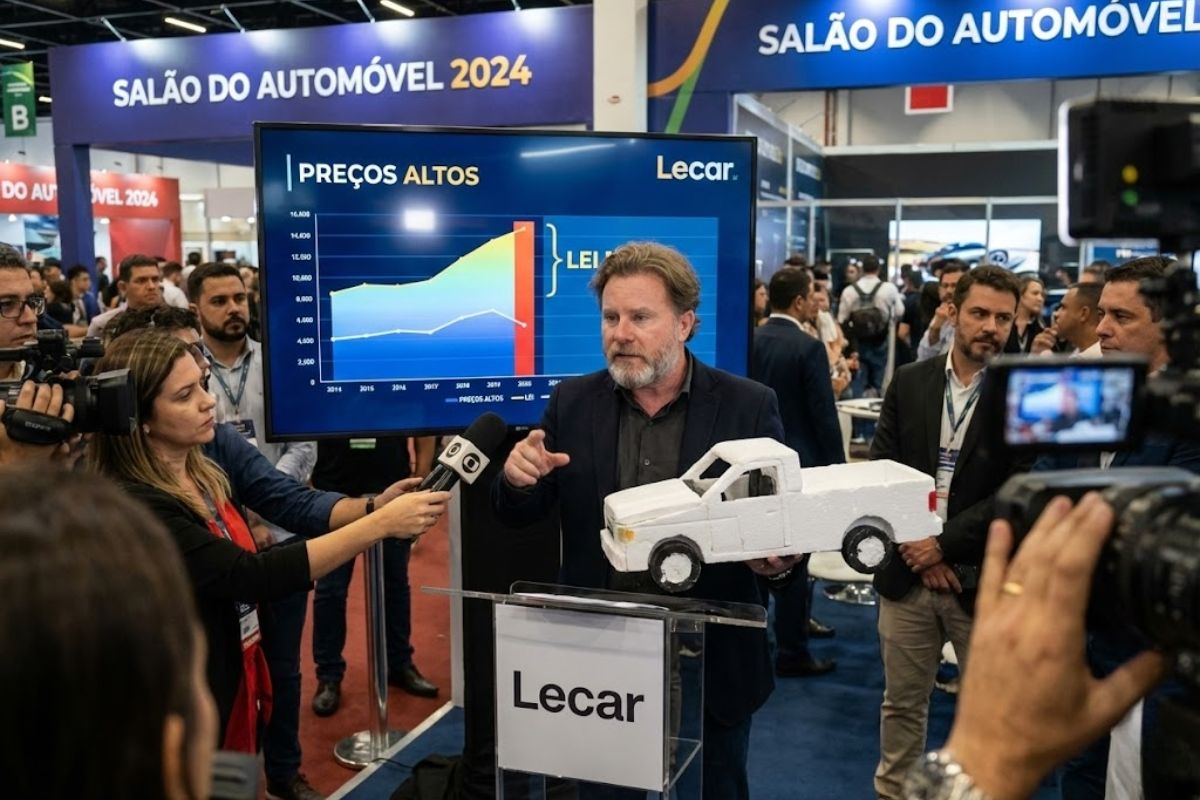
Lecar Leader, Flávio Figueiredo Assis Claims That Electric Car Below 100 Thousand Reais Is Unfeasible Due to Technology and Laws, Justifies High Prices, Delays Factory and Only Brings Styrofoam Pickup to the 2024 Auto Show in São Paulo, with Promise of Debut in 2026.
Between October 30 and November 10, 2024, during the São Paulo Auto Show, Lecar’s CEO, Flávio Figueiredo Assis, admitted in an interview that electric cars below 100 thousand reais remain out of reach for the Brazilian market, even with the push from Chinese brands and new local automakers. According to him, reaching the range of 90 thousand to 100 thousand reais, considered ideal for consumers, is currently an unattainable goal.
Presenting Lecar as the first 100% Brazilian electric automaker, the executive attributed the high prices to the cost of technology and safety and emissions requirements, while defending the controversial styrofoam pickup mockup brought to the 2024 Auto Show and promising to deliver a functional prototype in January 2026, after a series of delays in the schedule.
Harsh Reality of Electric Car Prices in Brazil
In Figueiredo’s assessment, affordable electric cars are still more a desire than a feasible product, even for major international players.
-
Around R$ 24,000: 4 used Ford SUVs with up to 253 hp, V6 engine, all-wheel drive, 7 airbags, panoramic sunroof, and a complete package that surprises with its price and performance in Brazil.
-
A brand new car starts at around R$ 75,000 in Brazil, but what stands out the most is seeing streets filled with SUVs and expensive sedans in a country where millions remain in debt.

-
For R$ 32,000, a brand new Hyundai car is a rival to the Kwid with a 1.2 engine producing 82 hp, 6 airbags as standard, multimedia with wireless Android Auto, up to 391 liters in the trunk, and a refreshed look for 2026 in India.
-
He bought a new car in 1983, locked it in the barn in 1988, and no one opened the door for 38 years until the family discovered what was stored inside and realized it looked like something out of a movie.

He claims no one has managed to deliver a genuinely competitive model in the range of 90 thousand to 100 thousand reais, not even the Chinese automakers currently pressing the Brazilian market with aggressive pricing.
The CEO maintains that the combination of batteries, onboard electronics, motors, and safety systems structurally drives up project costs.
According to him, the industry tries to balance cost and marketing, offering more technology to attract consumers, but the side effect is a naturally more expensive electric car compared to traditional combustion vehicles.
Laws, ADAS and Direct Impact on the Driver’s Wallet
Figueiredo points to legislation as one of the main factors distancing the dream of an affordable electric car.
He cites, in particular, the requirement for Level 2 ADAS systems, which will be mandatory in Brazil starting in 2028. These systems use sensors and cameras to activate automatic emergency braking, alert for lane departure, and prevent collisions, necessitating sophisticated components.
For the businessman, “all of this is cost”, from sensors to control modules that protect passengers, drivers, and pedestrians.
He argues that the increase in costs is not just a Brazilian phenomenon, but global, resulting from stricter safety and emissions standards.
In practice, the more regulatory layers added, the further away the electric car below 100 thousand reais becomes.
Lecar Promises to Be 100% Brazilian Automaker, but Factory Remains on Paper
Founded in 2022 and based in Barueri, in the São Paulo countryside, Lecar presents itself to the public as a 100% Brazilian electric automaker, but still has no functional electric car for sale or operational factory.
The models are announced, exhibited in images or mockups, while the actual industrial structure remains in the promise stage.
The industrial plan has changed several times. First, electric car production was announced for December 2024 in Rio Grande do Sul.
Then, the timeline and location shifted to August 2026 in Camaçari, Bahia, where BYD’s plant currently operates.
Now, the bet is to manufacture hybrids starting in August 2026 in Sooretama, Espírito Santo, at a plant designed for 120 thousand vehicles per year.
Three Models and an Auto Show with Styrofoam Pickup
At the São Paulo Auto Show 2024, held between October 30 and November 10, Lecar presented three projects to the public.
The Lecar 459 is described as a 4-door coupe, with a speed limited to 150 km/h to prioritize range and safety, reducing the electric motor’s power curve.
The Lecar Campo is the pickup designed to compete with the Fiat Strada and fit into the Finame and Pro Rural programs, with financing of up to 100 installments, lower interest rates, and a two-year grace period, specifically aimed at rural producers and small businesses.
The Lecar Tático is a 4×4 SUV with an estimated price between 170 thousand and 180 thousand reais, which, according to the CEO, was the model that generated the most public interest, to the point that he states if he could restart, he would launch the brand with it.
In practice, however, the great symbol of the company’s debut at the Auto Show was a styrofoam pickup. Lecar brought only a mockup of the Campo to the event, without an engine, brakes, suspension, or chassis.
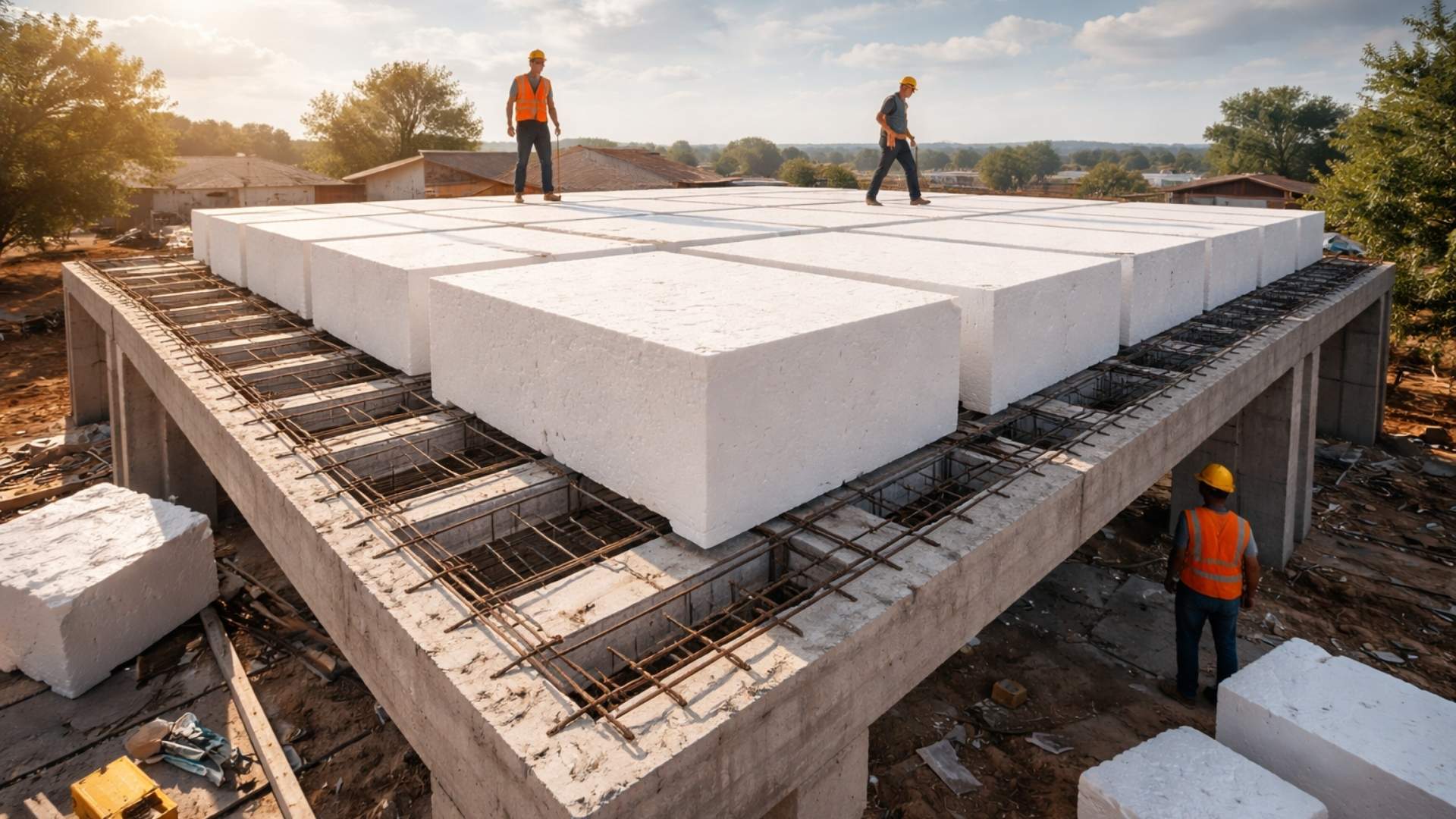
The vehicle was built with styrofoam, wood, cardboard, stickers, and LEDs, mounted on boards with wheels to be pushed.
The other two models appeared only in images on the screen, emphasizing the gap between the automaker’s discourse and the existence of a ready-to-drive electric car on the streets.
Range Extender Technology and Partner Network
Despite the absence of functional prototypes at the 2024 Auto Show, Lecar emphasizes the technical proposal of its vehicles.
All use electric traction with range extenders, a system where a flex engine, fueled by ethanol or gasoline, drives a generator that converts the fuel combustion into electric energy to power the main motor.
According to Figueiredo, the system is so efficient that even small amounts of fuel would be capable of generating enough energy to move the electric car over long distances.
He asserts that Lecar’s engineering developed the energy extender concept in-house and that the project gained strength with the entry of partners like WEG, responsible for the generator, and Renault, along with the mentioned participation of Rolls, adding more technology and know-how to the assembly.
The “Brazilian Elon Musk” Responds to Criticism and Aims for 2026
Flávio Figueiredo earned the nickname “Brazilian Elon Musk” for shifting from the payment and card sector to investing in electric and hybrid cars, just as the South African billionaire moved from technology to the automotive industry.
He says he is not bothered by the comparison and sees it as a quick way to explain to the Brazilian public the type of innovation he aims to deliver.
Regarding the episode of the styrofoam pickup at the 2024 Auto Show, the CEO defends that it is “something never seen in Brazilian automotive engineering” and claims the main valid criticism is the failure to deliver a functional prototype to the event.
He acknowledges delays but states that all deadlines were missed “by a little” and reaffirms that in January 2026 the company intends to finally deliver a prototype capable of real-world driving conditions.
According to Figueiredo, the current phase of prototyping is crucial to consolidate the technology, close partnerships, define suppliers, and validate the design with the public.
In the end, do you think Brazil is close to having an electric car below 100 thousand reais, or do the requirements for safety, emissions, and technology make this dream too distant?








-

-

2 pessoas reagiram a isso.