





 Portuguese
  English
  Spanish
  3 min of reading
  0 comments


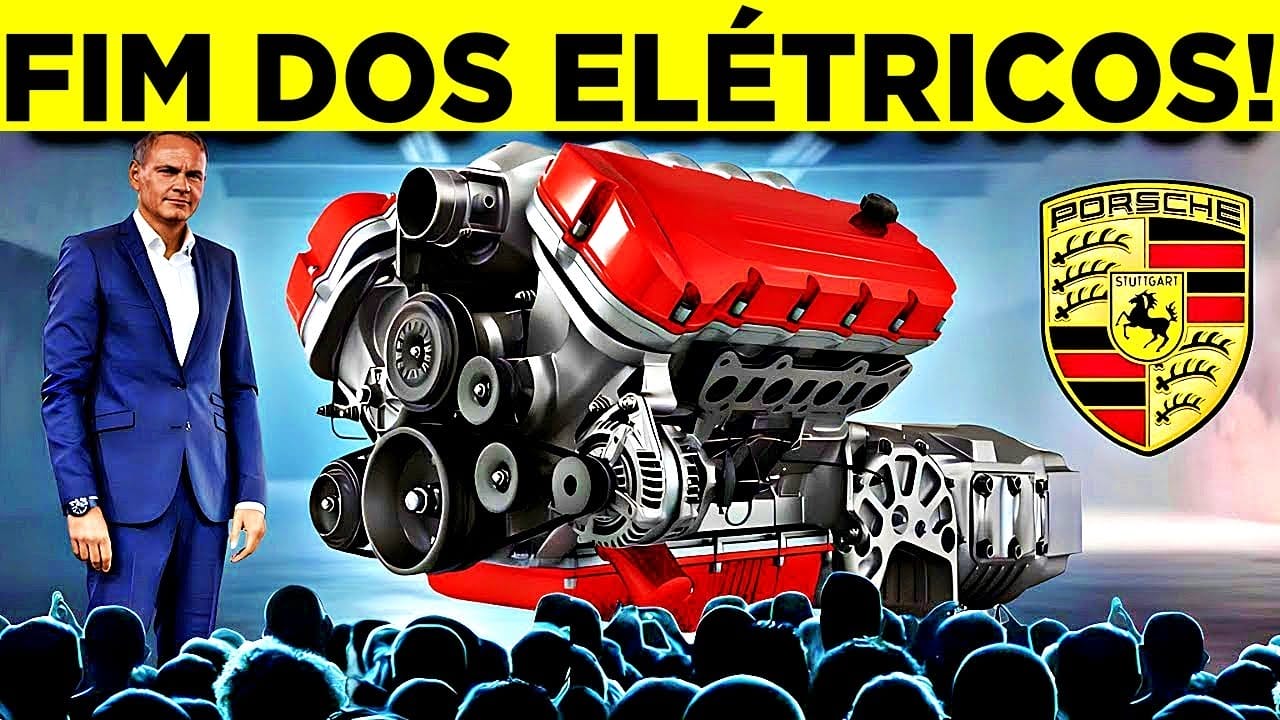
Porsche Wants To Lead The Electric Car Market With The Announcement Of The Development Of An Innovative Hydrogen-Powered Engine, Promising To Transform The Automotive Industry.
In the current environment of automotive innovation, where the search for alternative fuels is constant and challenging, Porsche, a brand renowned for its performance and luxury, is taking the lead. The company has introduced a new hydrogen-powered engine that has the potential to not only make a significant impact on automotive engineering but also provoke a comprehensive transformation in the electric car market, promising a new era in interaction with the world around.
New Hydrogen Engine From Porsche Will End Dependence On Electric Cars


According to Oliver Blume, CEO of Porsche, who steered the conversation in an exciting and unexpected direction with the revelation of a hydrogen-powered engine. Hydrogen as a fuel source is not a new concept, just as the fascination for its high energy content and clean water vapor emission.
Engineers have made various initiatives, however, dreams involving hydrogen in the automotive industry have generally been limited to fuel cell applications where hydrogen gas is converted into electricity to power an electric motor.
-
Costing R$ 16,000, the new Yamaha features a 125 cc hybrid engine with electric assistance, delivers 8.3 hp, includes ABS, optimized fuel consumption, Y-Connect connectivity, 25 liters of storage space, and a surprising 4-year warranty in the urban segment.

-
OMODA & JAECOO grows in Europe in 2026 with an integrated strategy of sales, innovation, local production, and technological advancement in the United Kingdom, Italy, and Spain.

-
OMODA & JAECOO expands after-sales service in Brazil with competitive maintenance, a 7-year warranty, and high availability of parts for technological SUVs.

-
OMODA & JAECOO appoints Alessandra Souza as executive marketing director in Brazil and accelerates brand expansion with a focus on innovation, networking, and hybrid portfolio.


What makes Porsche’s revelation with the hydrogen engine so striking is the commitment to harness hydrogen in its rawest and most primitive form. The combustion of the traditional engine has been a pillar of the automotive world for over a century, a symbol of human ingenuity, but also a testament to our reliance on fossil fuels in an era where carbon footprints and environmental impact are critical metrics. The idea of a hydrogen engine as an alternative to electric or polluting cars is a bold statement from Porsche.
Porsche Hydrogen-Powered Engine Will Deliver High Performance
Porsche’s approach, under Blume’s vision, is notably different. There is a clear intention not only to demonstrate but to dominate and redefine the electric car sector.
The hydrogen engine from Porsche seeks to harness the excitement of high-revving sports cars with the environmental aura of zero carbon emissions. This is not merely a scientific endeavor, but an emotional one, as Porsche understands that to win the hearts of enthusiastic consumers, it must provide an experience that transcends the numbers on a technical sheet.
Porsche’s heritage in sports cars and high-performance vehicles gives it a unique platform to advocate for hydrogen-powered engines, which will replace electric cars. The CEO’s revelation was strategically positioned to appeal to both the rational and emotional sides. The executive speaks of a future in which the iconic sound of a Porsche engine and the thrill of dynamic driving do not need to be sacrificed at the altar of sustainability.
Advantages Of Hydrogen Engine Over Electric Cars
In this bold move, Porsche is not only making comparisons with other automakers but is also challenging the industry’s very direction.
Electric cars have been heralded as the end of automotive propulsion, with giants like Tesla and its models leading the way, closely followed by traditional manufacturers like General Motors and Ford. These companies have invested billions in the promise of battery electric cars, creating a narrative that seems almost unassailable.
However, Porsche is taking an alternative path that does not require the same commitments as electric cars. Considering the challenges faced by battery technology such as range anxiety, prolonged charging times, and the environmental and ethical concerns associated with lithium and cobalt mining, a hydrogen combustion engine circumvents many of these problems since refueling can be as quick as filling up with gasoline or diesel.








Seja o primeiro a reagir!