





 Portuguese
  English
  Spanish
  4 min of reading
  0 comments


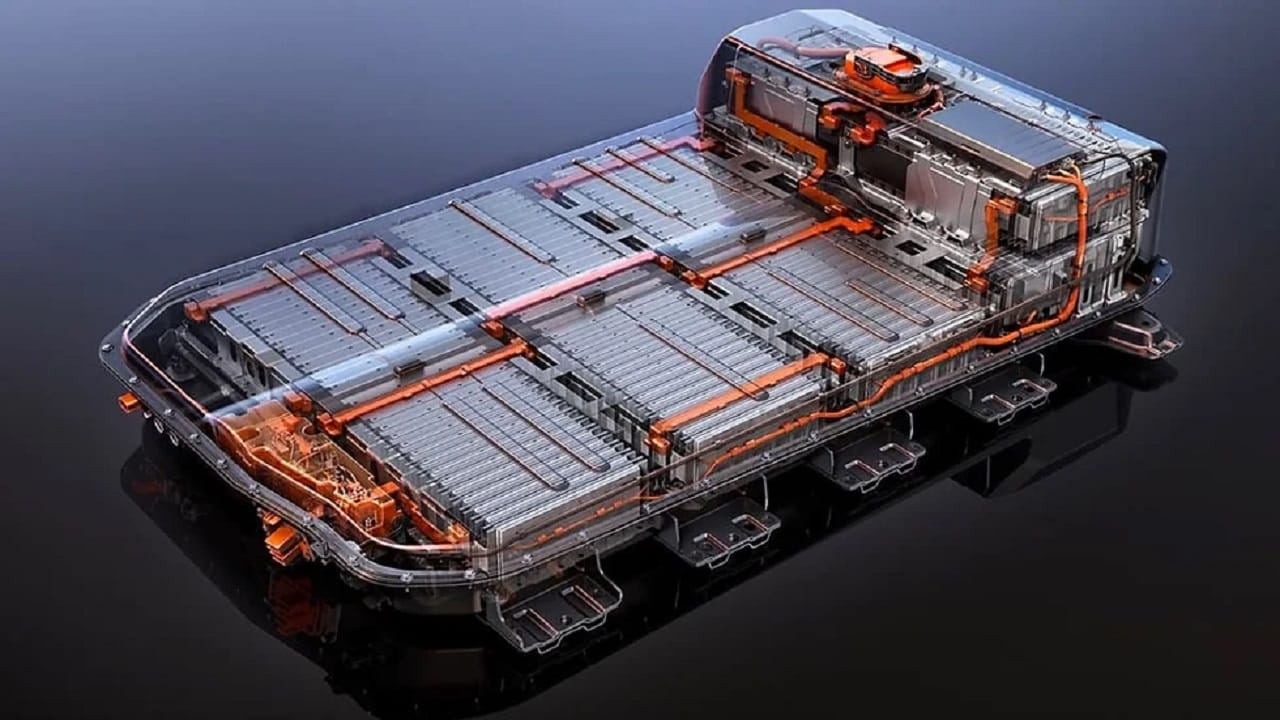
Toyota CEO Announces Brand Advancements for the Electric Car Segment. Meet Toyota’s New Solid-State Battery Coming Soon to the Automotive Market and promising significant changes in the industry.
Toyota, the world’s largest car manufacturer recognized for its dominance in the Global Market, is undergoing a mix of criticism and praise from its consumers due to its cautious approach to the emerging trend of electric cars. While the company has been slow to introduce new electric models, recent evidence suggests it is committed to making significant advancements with a new solid-state battery.
New Toyota Battery Promises More Than 1,000 km of Range


The automaker’s efforts are focused on developing innovative and more efficient technologies for its electric cars, indicating a commitment to sustainability and innovation in the era of electric mobility. In a significant event, Toyota CEO Koji Sato revealed a new battery technology that could change the industry.
Despite the major efforts made by the electric car sector, range anxiety continues to be one of the biggest concerns for buyers. Currently, the longest-range electric model is the Air Grand Touring from the Air Sedan line of Lucid Motors, which can travel up to 830 km on a single charge.
-
A 250cc motorcycle that can reach 560 km with a 14-liter tank, features disc brakes on both wheels and is among the most well-known in Brazil.
-
Man finds over 200 rare cars abandoned on a lot and tries to do the impossible in 8 hours with a surprise at the end.

-
An irregular parking case gains attention after a Mercedes Classe A was removed in such a strange way that it even raised doubts about damage to the car.
-
Costing R$ 16,000, the new Yamaha features a 125 cc hybrid engine with electric assistance, delivers 8.3 hp, includes ABS, optimized fuel consumption, Y-Connect connectivity, 25 liters of storage space, and a surprising 4-year warranty in the urban segment.

However, this is a luxury car costing over US$ 140,000, which places it well out of reach for most customers, and this is where Toyota comes into play. It now seems that the brand may be preparing a groundbreaking model with its solid-state battery technology that is safer, cheaper, and can give its electric cars a range of 1207 km.
To tackle the challenges of safety, durability, and costs of current lithium batteries, researchers and engineers have been exploring alternative technologies, such as this new battery from Toyota.
How Does the Solid-State Battery Announced by the Toyota CEO Work?
The new Toyota battery replaces the liquid or gel electrolyte with a solid material, offering several advantages. First, the elimination of flammable liquid electrolyte significantly improves battery safety. In addition, the new component announced by the Toyota CEO is less prone to leaks and overheating, which also reduces the risk of fire. This improved safety is of great importance for electric cars.
The solid-state battery can offer high energy density, meaning they can store more energy in the same space. This increased energy density can result in greater range for each charge and also a reduction in consumer concerns of this nature.
Another factor is that the new Toyota battery is expected to have a longer lifespan and better durability compared to lithium-ion batteries. With reduced degradation, solid-state batteries can provide improved performance and longevity, decreasing the need to frequently replace batteries, which lowers electric vehicle costs.
With high energy density, the new Toyota battery can be produced in smaller sizes, preventing a bellows effect of expansion and contraction of the material, which leads to degradation of lithium batteries. This also means shorter charging times.
Challenges Encountered During the Production Phase of the New Toyota Battery
The longer lifespan may mean that these batteries announced by Toyota’s CEO could last longer than the electric cars themselves. However, there are challenges that need to be overcome. Before these goals are reached, a major obstacle for Toyota’s new battery is the high production cost, as it can be particularly expensive at the current time.
Another hurdle is finding a solid electrolyte material that can efficiently use electrolytes at room temperature. Furthermore, battery durability has been a persistent issue for engineers, and for the industry, ensuring that batteries can withstand multiple charge and discharge cycles over a long period without significant degradation is crucial.
Despite these challenges, Toyota’s CEO claims to have made significant progress in addressing the issue of lifespan and finding solutions that advance beyond these barriers.
The company has been investing in research and development to improve the technology with the intent to implement this solid-state battery in its electric vehicles in the coming years. In a recent interview, Toyota’s Chief Technology Officer, Hiroki Nakajima, made a promising announcement stating that the company has successfully overcome some solid-state battery development challenges, claiming to have found quality material.
Although specific details about the material have not been disclosed, Toyota plans to launch solid-state batteries by 2027. The brand’s leadership in the research of this new Toyota battery is no surprise given its extensive portfolio with over 1000 patents.








Seja o primeiro a reagir!