





 Portuguese
  English
  Spanish
  4 min of reading
  24 comments





Toyota Is Working on a Water-Powered Engine That Could Threaten the Dominance of Electric Vehicles. With Nearly Zero Emissions and Accessible Refueling, the Innovation Promises to Revolutionize the Automotive Market. However, Technical Challenges and Industry Opposition May Hinder Its Implementation.
Imagine a technology so disruptive that it could redefine the course of the automotive industry and shake the reign of electric vehicles.
This is Toyota’s proposition, which has been developing a water-powered engine, an innovation with the potential to revolutionize sustainable transportation.
But is this advancement really ready to be put into practice?
-
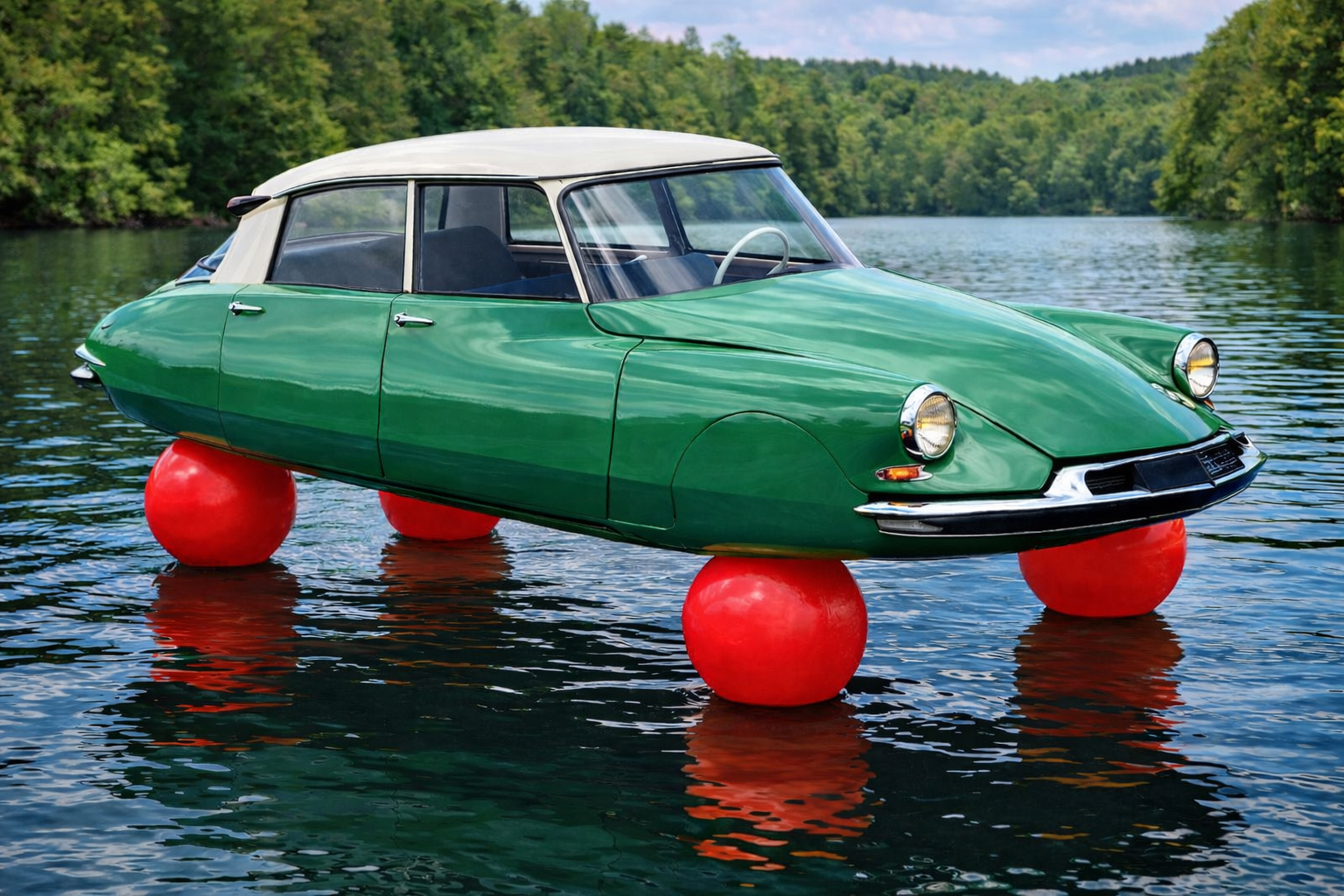
A French brand placed a car on four huge red balloons to prove that its suspension made the vehicle “float,” and the surreal scene became one of the most iconic and unusual images in automotive history.
-
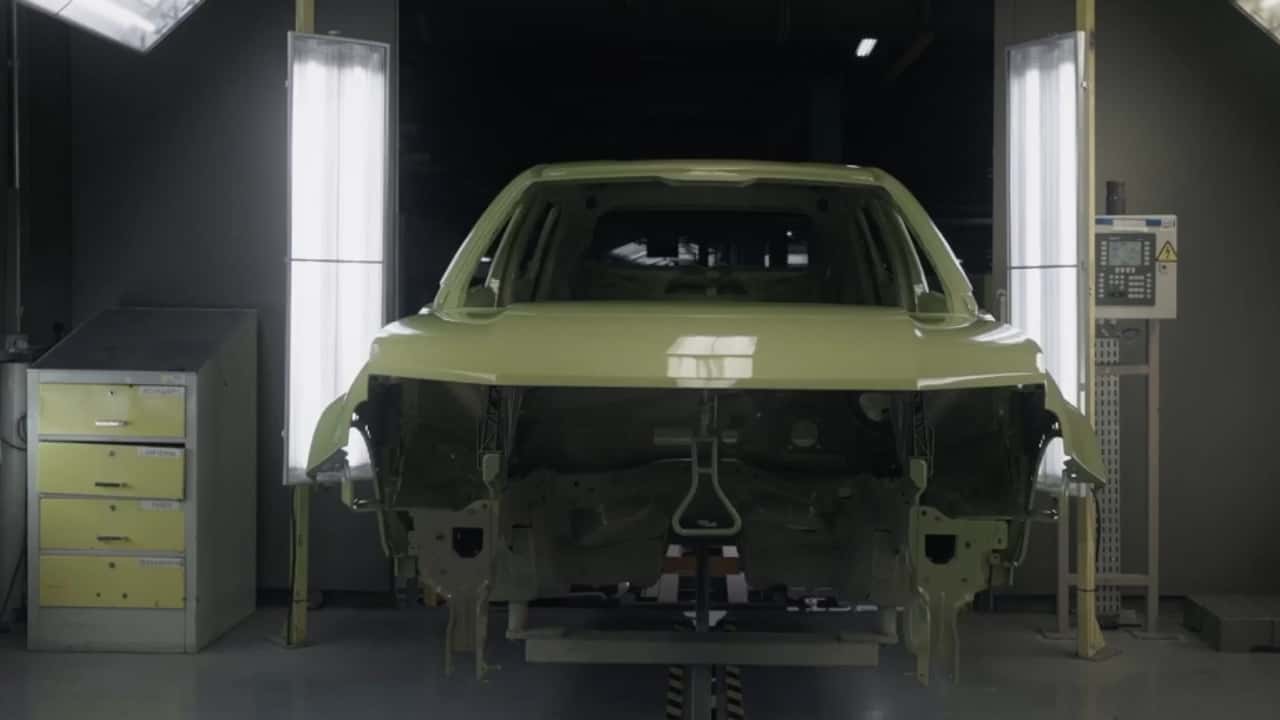
Jeep Avenger begins production in Brazil, debuting as the brand’s new entry-level SUV and inaugurating an unprecedented phase by becoming the first national Jeep manufactured outside of Goiana, as part of a R$ 3 billion plan.
-
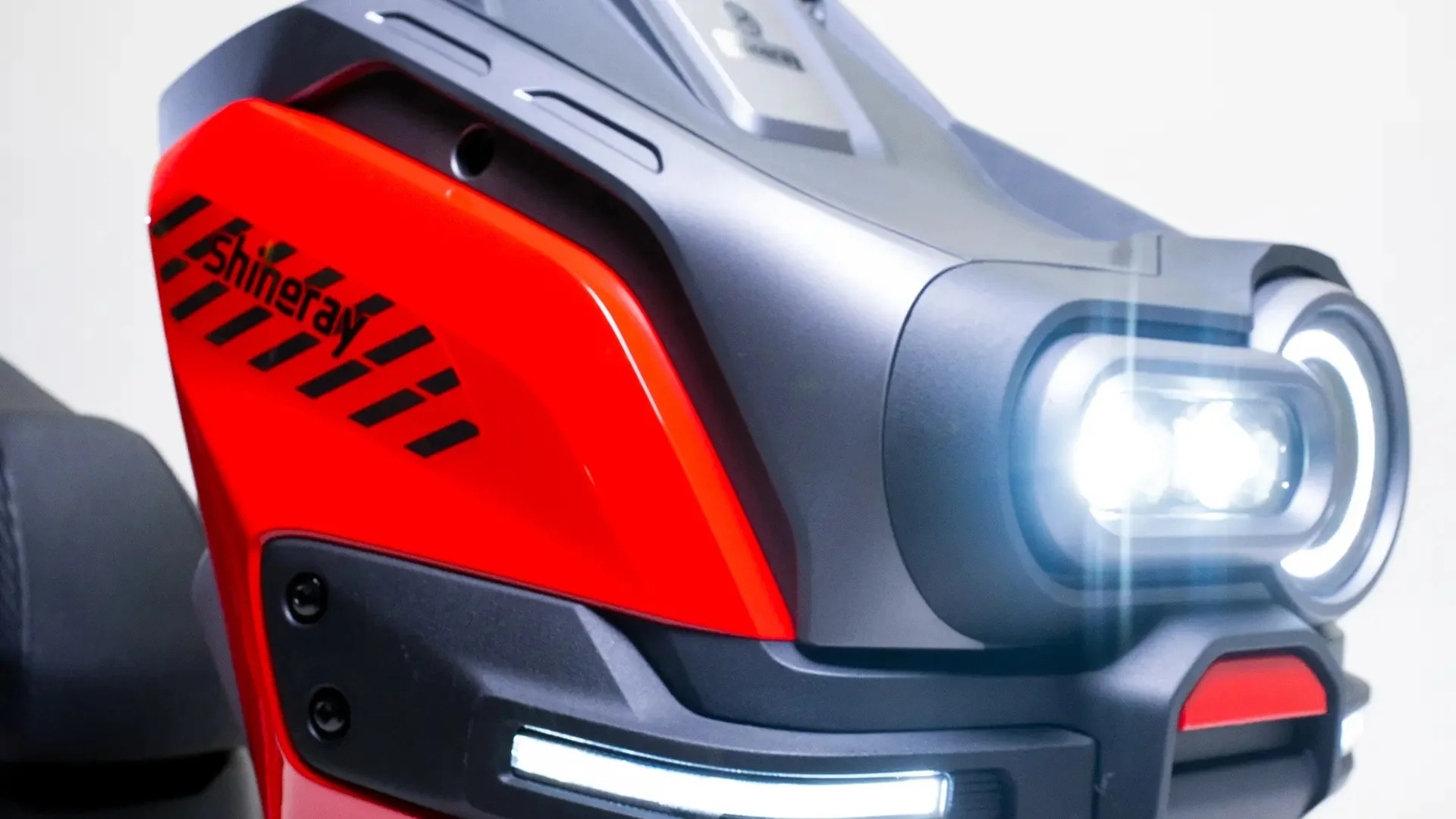
Costing R$ 12,490, the new Shineray Urban Lite 150 “cheap one” arrives in Brazil with a CVT transmission, digital dashboard, and LED lights, making it more affordable than the Biz and targeting those who want to abandon the bus.
-
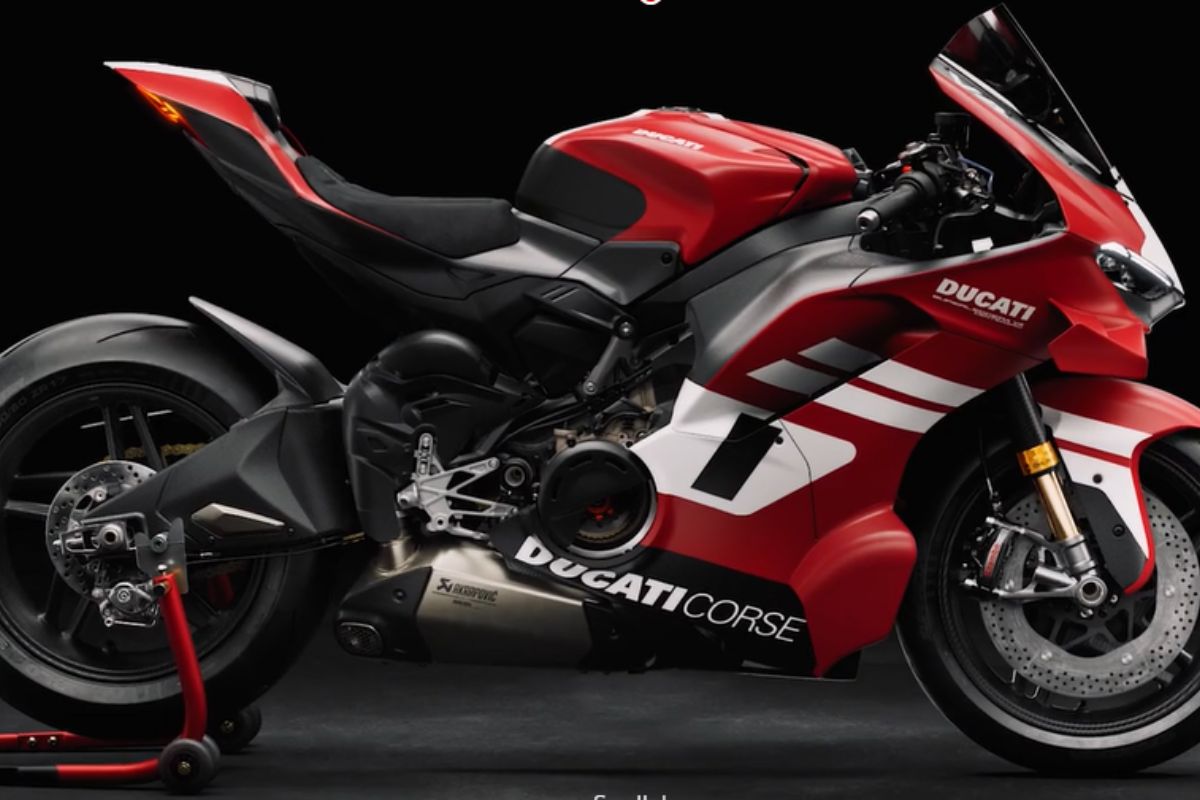
Ducati brings to Brazil the Superleggera V4 Centenario: 228 hp that become 247 with a track kit, carbon fiber and carbon-ceramic brakes, estimated price between R$ 1.5 and 2 million, deliveries only in 2027.

According to the Fórmula Turbo channel on YouTube, Toyota is testing an engine that uses water as a source of energy.
The technology, which combines features of internal combustion engines and fuel cells, aims to overcome the limitations of electric vehicles and offer a more eco-friendly and accessible solution.
This approach could finally solve the historical challenges associated with water-powered engines.
How the Water Engine Works
The principle behind the water-powered engine is electrolysis, a process that separates water molecules into hydrogen and oxygen.
Electrodes located in the water reservoir activate with high voltage, allowing the separation of hydrogen, which is then used as fuel.
Unlike conventional hydrogen engines, this system performs the entire process internally, eliminating the need for pressurized tanks and enhancing safety.
As detailed by Fórmula Turbo, the operation resembles the hydrogen engine of the Toyota Yaris J2, but with one crucial difference: instead of pre-processed hydrogen, the vehicle itself performs the separation of the chemical elements.
This eliminates the need for complex and costly storage, one of the main obstacles to the popularization of hydrogen engines.
Environmental and Economic Benefits
The adoption of this engine could bring significant benefits for the environment.
With virtually zero emissions, it stands on par with electric vehicles in terms of sustainability, but with greater convenience.
Distilled water, which can be found in supermarkets or even produced at home, would be the only resource needed to refuel the vehicle.
Additionally, the technology could reduce dependence on oil and the mining of rare metals, activities that generate devastating environmental impacts.
Replacing these materials with water, an accessible resource, could democratize access to sustainable vehicles, especially in developing countries.
The Challenges of the Technology
Despite the promising advantages, the Fórmula Turbo channel warns that water-powered engines still face significant barriers.
The production and storage of hydrogen are complex and costly processes, making large-scale economic viability challenging.
Moreover, safety remains a concern, as hydrogen is highly flammable and requires reinforced components to prevent accidents.
Another point of concern is the opposition from large industries, such as oil companies and battery manufacturers, who could see the popularization of this technology as a direct threat to their businesses.
The case of inventor Stanley Allen Meyer, creator of a water-powered car in the 1990s, illustrates the risks faced by those who challenge the interests of these corporations.
According to reports, Meyer reportedly received threats and million-dollar offers to abandon his project before his mysterious death.
Comparison with Other Technologies
Compared to electric vehicles and hydrogen engines, water-powered engines present significant competitive advantages.
Storing water is simple and economical, while pure hydrogen requires special conditions that increase costs and risks.
Additionally, water engines can be more powerful than traditional gasoline-powered ones, generating up to three times more energy.
However, the technology is still in its early stages, with prototypes that need to prove their reliability and efficiency in daily use.
Even with the financial and technical support of a giant like Toyota, the development of this type of engine faces technical, logistical, and commercial obstacles that could delay its implementation.
The Future of Water-Powered Engines
The possibility of an automotive revolution driven by water raises expectations and questions. Will Toyota be able to overcome the barriers and launch a viable model for the market? And, more importantly, how will the industry react to this innovation?
As Fórmula Turbo suggests, the success of this technology depends not only on technical advances but also on structural changes in the production and distribution chain.
Established companies may attempt to slow down progress, while consumers eagerly await accessible and sustainable alternatives.
What do you think of this innovation? Do you believe that water-powered engines will dethrone electric vehicles and transform the automotive industry? Share your opinion in the comments!











Revolução necessária para o universo da mobilidade, sabendo que para mudar o quadro global atual, as industrias não pelo lado ecológico, tudo pelo faturamento capitalista selvagem.
Salve se quem puder, ate quando o planeta resistira na sua integra.
E a energia para alimentar a eletrólise da água?
Texto vazio, válido somente para quem desconhece o assunto.
A máfia do petróleo não permitiu a evolução deste processo com o uso de uma simples tecnologia com energia limpa e de baixo custo.