





 Portuguese
  English
  Spanish
  6 min of reading
  0 comments


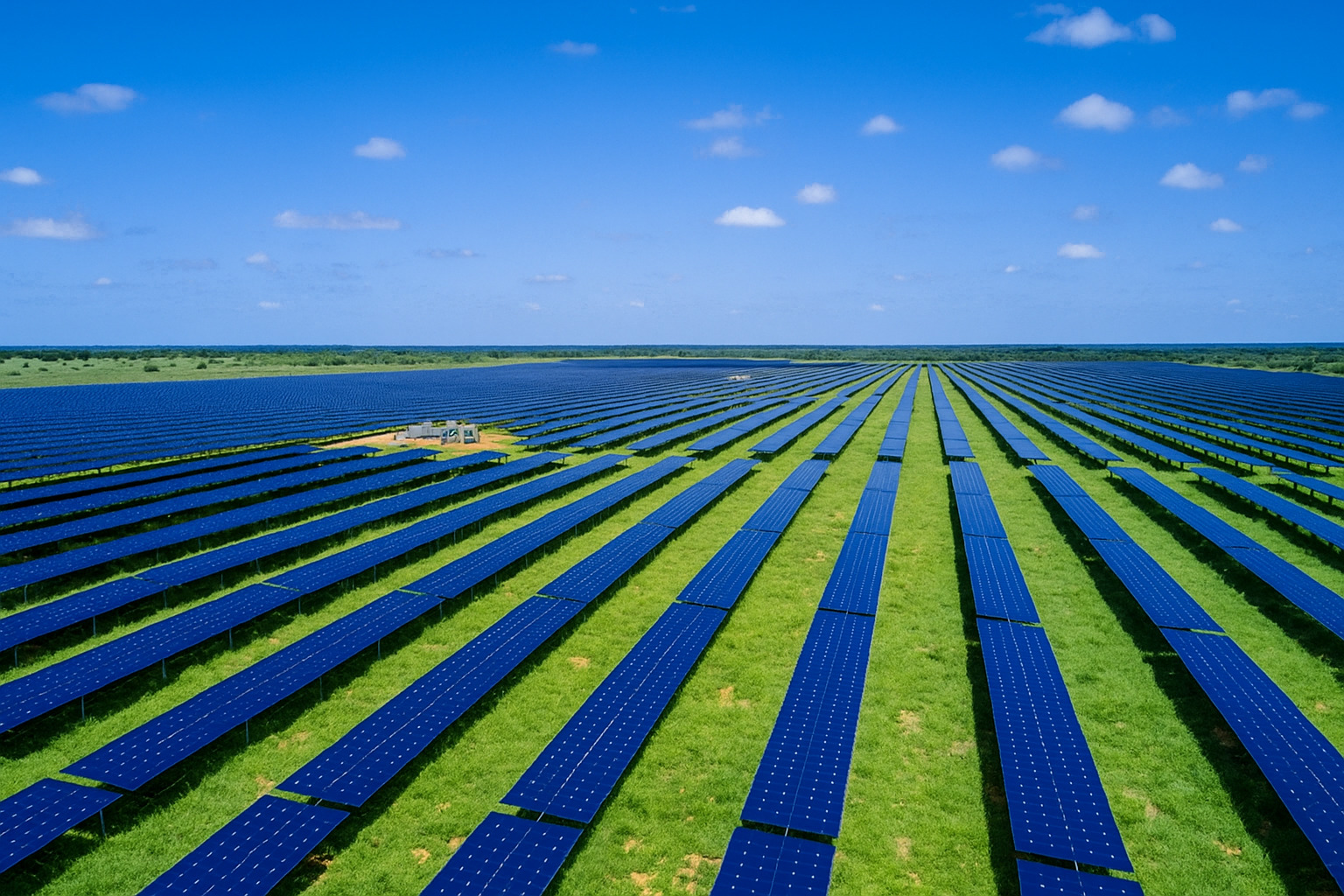
Meet the New Solar Plant in the Northeast of CGN Brazil, which integrates solar and wind energy, creates jobs, and strengthens the clean energy matrix of the region.
Brazil has stood out in recent decades for adopting renewable energies. Thus, it has consolidated itself as one of the countries with the greatest potential for clean energy generation.
Therefore, the construction of a new solar plant in the northeast represents an important step not only to diversify the energy matrix but also to strengthen the economic and social development of the region.
CGN Brazil Energy recently began the construction of the LDB Associated project, a photovoltaic solar plant in Lagoa do Barro do Piauí, approximately 580 kilometers from Teresina.
-
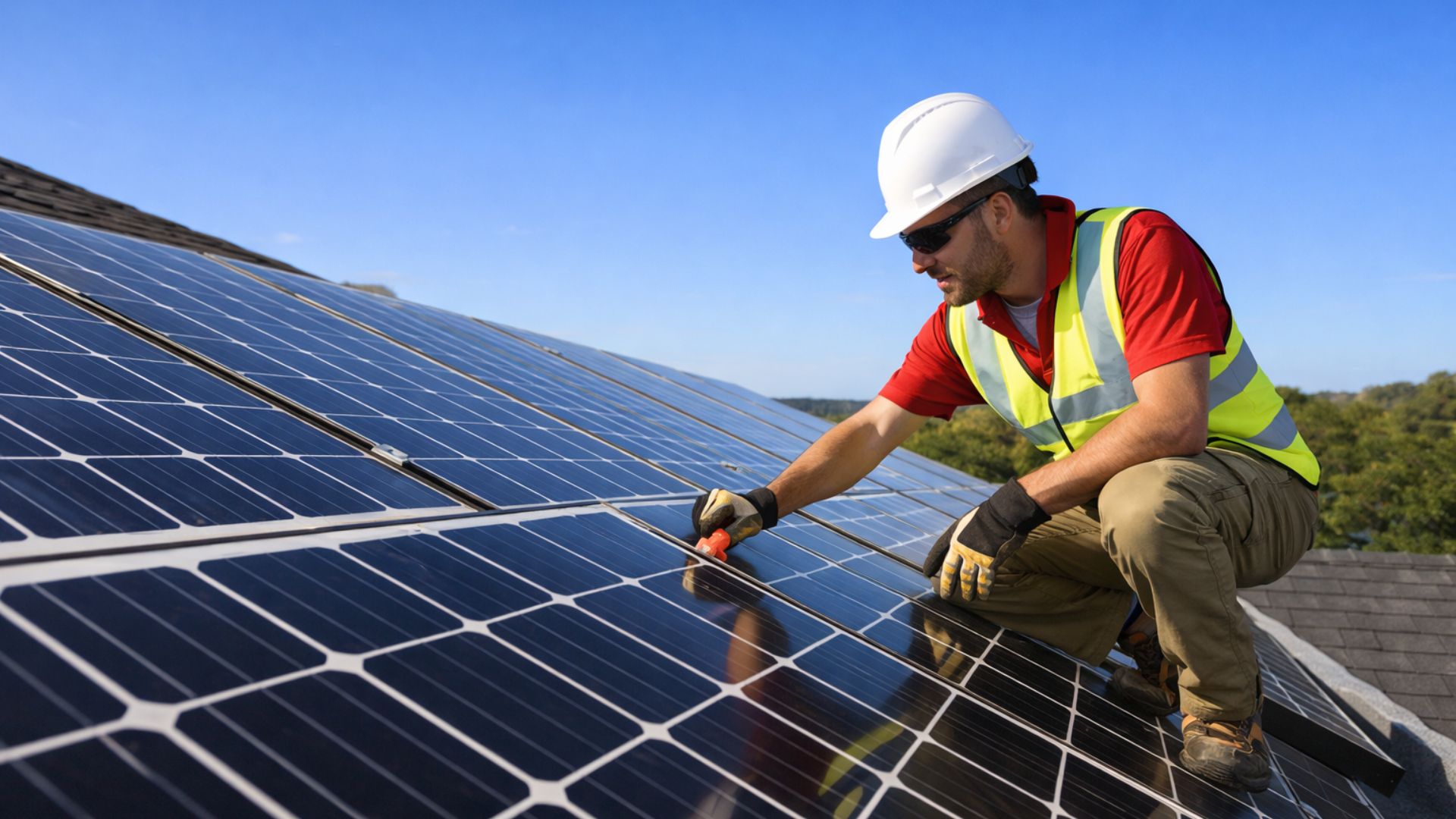
Seagri’s headquarters invests in solar energy with Neoenergia Coelba and promises to cut electricity costs, highlighting a strategic advance in sustainability and energy efficiency within state public administration.
-
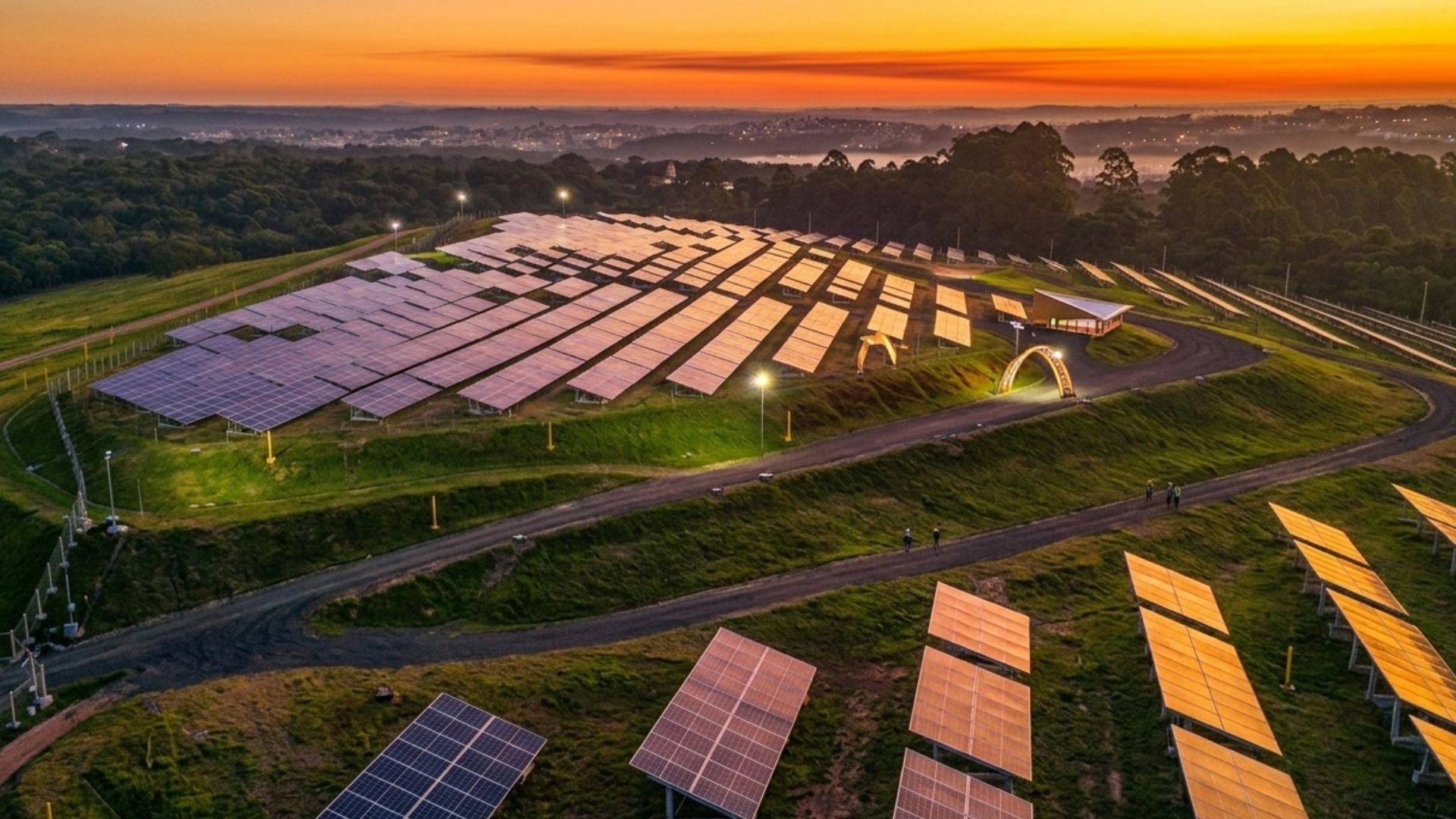
Solar Pyramid draws attention by converting solar energy into million-dollar savings and repositioning the City Hall of Curitiba as an example of innovation, sustainability, and intelligent use of public resources.
-
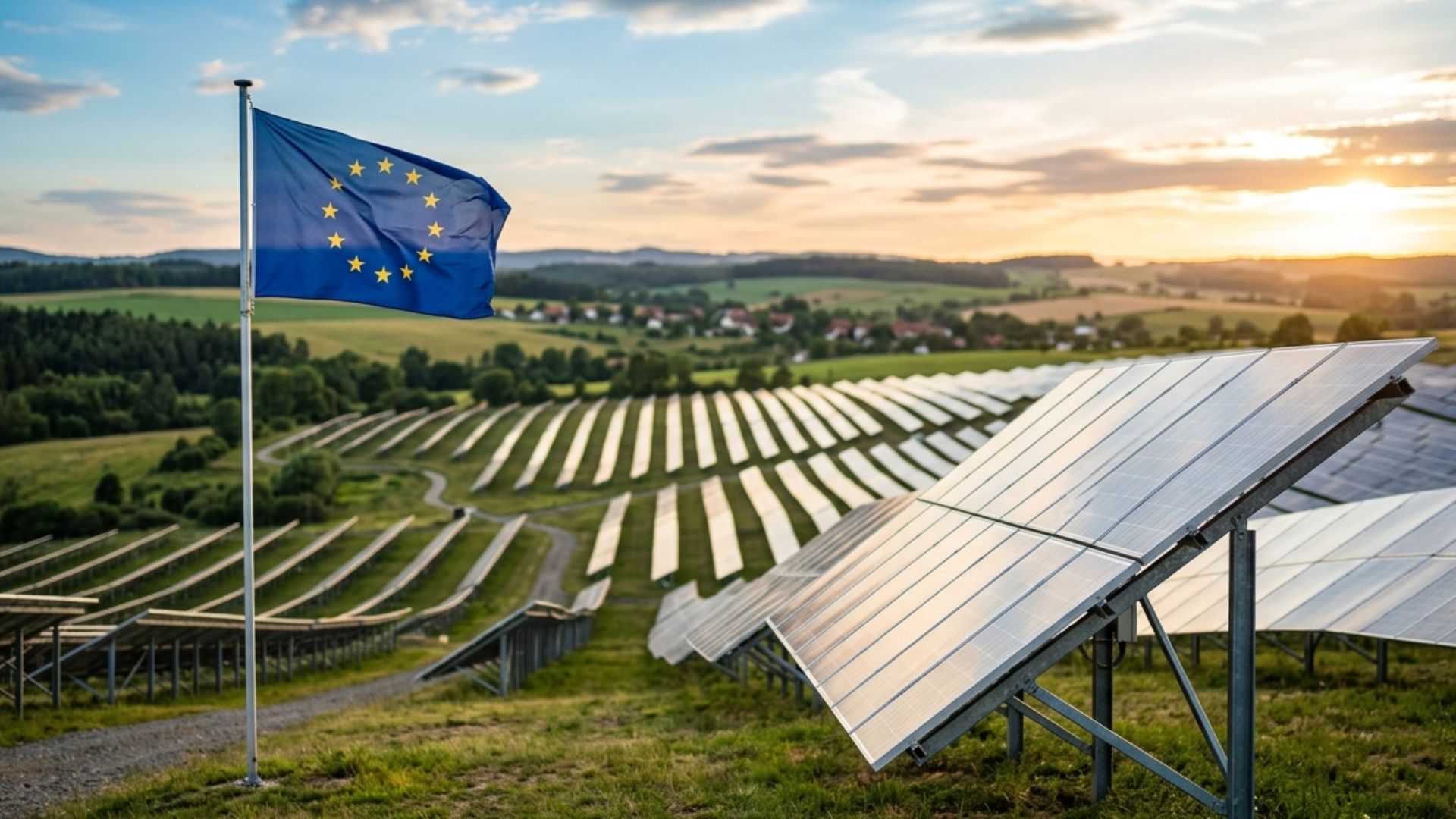
Europe records strong euro economy with solar energy in March and sparks curiosity about which country leads growth that redefines the energy market and reduces costs.
-
Piauí reaches a historic milestone in energy transition: State records nearly 160,000 households powered by solar energy and leads growth in the Northeast.
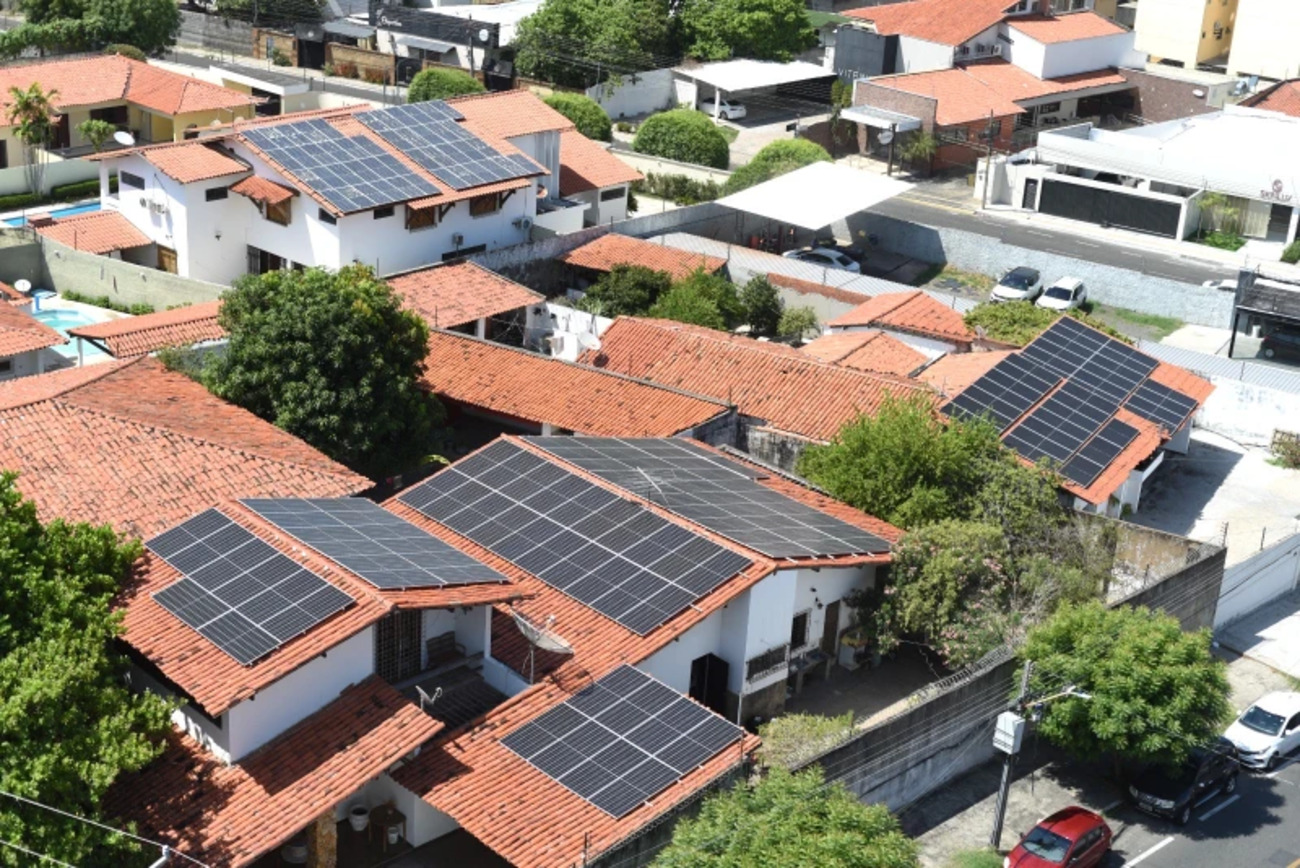

In addition, with an installed capacity of 44 MW, the project will integrate into the Lagoa do Barro Wind Complex, inaugurated in 2018, with a capacity of 295 MW.
This union of renewable sources creates a hybrid complex, combining solar and wind energy, becoming a reference in innovation and sustainability for the national energy sector.
Historically, the Brazilian Northeast has always shown great potential for renewable energies, especially solar and wind, due to its favorable climatic characteristics.
The region receives high solar incidence throughout the year and constant winds, ideal conditions for efficiently producing clean energy.
Consequently, projects like the new solar plant in the northeast increase energy security and encourage new investments in the region.
At the beginning of the 21st century, public and private initiatives began to explore these resources more intensively, bringing a new model of energy development to the Northeast.
Today, with the new solar plant in the northeast, Brazil reinforces this tradition of pioneering and sustainable use of its natural resources.
Moreover, the positive economic and social impact extends to small and medium enterprises, which start to participate in the clean energy production chain.
Expansion and Integration of Renewable Sources
The LDB Associated project is set to begin operations in 2026, consolidating the Lagoa do Barro Complex as one of CGN Brazil’s most strategic assets in the country.
Thus, with the integration of this new solar plant, the total installed capacity of the complex will exceed 1.5 GW, strengthening the company’s leadership in promoting innovative solutions in renewable energy.
This expansion highlights the group’s commitment to increasing the share of clean sources in the Brazilian energy matrix, offering alternatives that reduce reliance on fossil fuels and mitigate environmental impacts.
One of the major benefits of this association of renewable sources is the optimization of existing infrastructure. Allowing greater operational efficiency and reducing the intermittency of energy production.
In addition, by sharing substations, transmission lines, and other resources, the hybrid model decreases costs and ensures a more stable and reliable supply of clean energy.
This strategic planning demonstrates how the integration between different renewable sources maximizes results, leveraging the best of each technology.
The LDB Associated will have over 90,000 solar panels, reflecting CGN Brazil’s commitment to sustainable and high-performance generation.
The construction of the plant is expected to generate about 300 direct and indirect jobs, positively impacting the local economy and strengthening social development in the region.
Thus, this socioeconomic effect is particularly relevant for the Northeast, a region historically marked by economic challenges, and shows how renewable energy projects become engines of regional transformation.
Moreover, the investment in training local professionals creates career opportunities in the energy sector, strengthening human development and promoting social inclusion.
Therefore, the LDB Associated will serve as a benchmark model, showing that it is possible to align environmental sustainability and economic progress harmoniously and sustainably.
Sustainability and Operational Efficiency
According to Silvia Rocha, legal and compliance director at CGN Brazil, the project symbolizes a strategic advance in expanding renewable sources in the Brazilian energy matrix.
She emphasizes that the integration of solar and wind plants shows that it is possible to unite efficiency and sustainability.
In other words, this combination leverages the best of each source, ensuring high performance with a lower environmental impact.
Furthermore, the initiative reinforces the private sector’s role in promoting innovative energy solutions, showing how global companies can contribute to Brazil’s sustainable development.
The trajectory of CGN Brazil Energia in the country shows a constant growth and focus on renewable energies.
The Chinese group, with a global presence and an installed capacity of over 100 gigawatts, began its expansion in Brazil in 2019.
Since then, the company has been investing in greenfield projects, clean energy generation, and commercialization.
Currently, it operates seven wind complexes and three solar complexes, distributed across five regions of the country, totaling over 1.6 gigawatts of installed capacity.
Thus, the launch of the new solar plant in the northeast reinforces the group’s commitment to expand its operations and contribute to a cleaner and more diversified energy matrix.
The increase in installed capacity also strengthens the resilience of the Brazilian electrical system, helping to reduce risks of blackouts and ensuring that electricity reliably reaches homes, industries, and essential services.
Strategic Location and Environmental Benefits
Piauí presented ideal conditions for the installation of the new solar plant.
The region records one of the highest insolation rates in the country, ensuring that the solar panels operate at high efficiency for most of the year.
Moreover, the proximity of the wind complex increases the reliability of the energy produced.
Consequently, this combination reduces generation variability and improves the predictability of energy supply, ensuring stability to the electric grid.
In addition to technical and economic benefits, the new solar plant in the northeast contributes to global and national environmental goals.
The replacement of fossil sources with solar energy helps reduce greenhouse gas emissions and environmental impacts associated with the extraction and burning of fossil fuels.
Thus, projects like the LDB Associated show that it is possible to reconcile economic growth, social development, and environmental preservation, offering solutions that benefit both the local population and the country.
The development of solar energy in Brazil, especially in the Northeast, is advancing rapidly, supported by public policies, tax incentives, and private investments.
The region has become a reference in large-scale projects, attracting international companies interested in exploring its energy potential.
Thus, the arrival of the new solar plant in the northeast consolidates this trend, showing that strategic planning, advanced technology, and sustainability yield significant results in clean energy and regional development.
The New Solar Plant in the Northeast
The construction of the new solar plant in the Northeast marks an important step in Brazil’s journey toward a sustainable and diversified energy matrix.
Additionally, the integration with the Lagoa do Barro Wind Complex, job creation, infrastructure optimization, and environmental benefits make the LDB Associated project an example of innovation and commitment to the future.
With initiatives like this, Brazil strengthens its position as a leader in renewable energy production and demonstrates that it is possible to advance economically without compromising the environment.
Projects like the LDB Associated show that the future of energy in Brazil is in renewable sources and that strategic investments in the Northeast can create lasting impacts, both environmental and social.
Therefore, the experience gained from this plant will serve as a foundation for new projects, consolidating the country as a global reference in clean energy.










Seja o primeiro a reagir!