





 Portuguese
  English
  Spanish
  3 min of reading
  0 comments


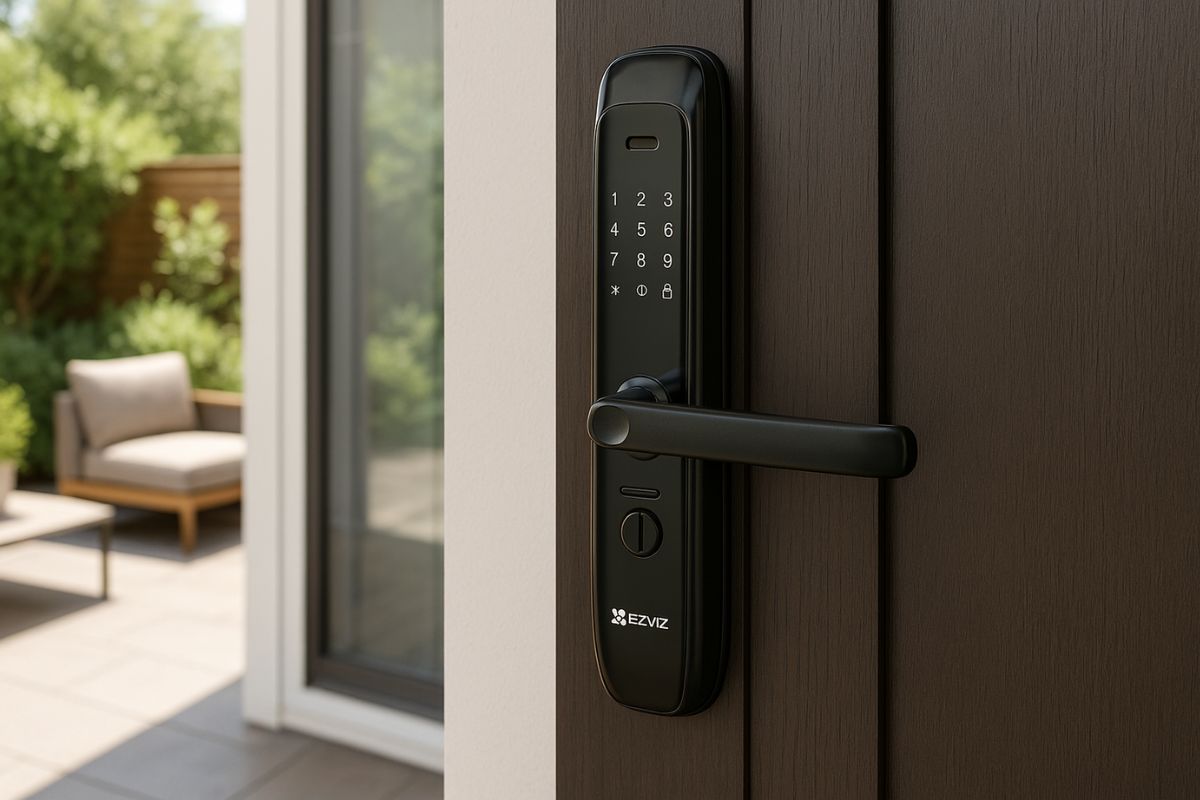
Traditional House And Car Keys Face Growing Competition From Smart Access Solutions. We Analyze If Their End Is Near And How Connected Locks And Biometrics Are Shaping The Future.
The way we interact with our personal spaces and vehicles is undergoing a profound transformation. The age-old house and car keys are beginning to give way to smarter and more personalized access solutions, such as connected locks and biometric systems.
This article assesses whether conventional keys are doomed to disappear and whether smart locks and biometric access represent the new norm, considering convenience, security, and the challenges of this transition in Brazil.
The Legacy And Limitations Of Traditional House And Car Keys
The house and car keys persist due to their low production and duplication costs, simplicity of operation (no need for power or internet), and deep cultural familiarity. This accessibility and ease of use ensure their relevance.
-
How to build a floating island from scratch with reeds, giant blocks, and stakes in the lake in a process that needs to be repeated almost every day.

-
A forgotten cord on the floor of a basement in Vienna leads a plumber to a box containing 30 kilograms of gold with Mozart’s face, hidden before World War II. The treasure, worth 2.3 million euros, was just centimeters away from a worker who ignored the sign a day earlier.

-
A couple buys an old chalet, breaks the kitchen floor for renovation, and finds over a thousand coins of gold and silver hidden since the English Civil War over 4 centuries ago.

-
Rigid bags with their days numbered: new trend prioritizes comfort in 2026.


However, the disadvantages are significant. Physical keys can be easily lost, stolen, or copied without authorization, compromising security. Common models are vulnerable to counterfeiting and tampering. The inconvenience of managing multiple keys and the inability to grant remote or temporary access securely are growing limitations.
The Revolution In Residential Access And The Farewell To Conventional House Keys
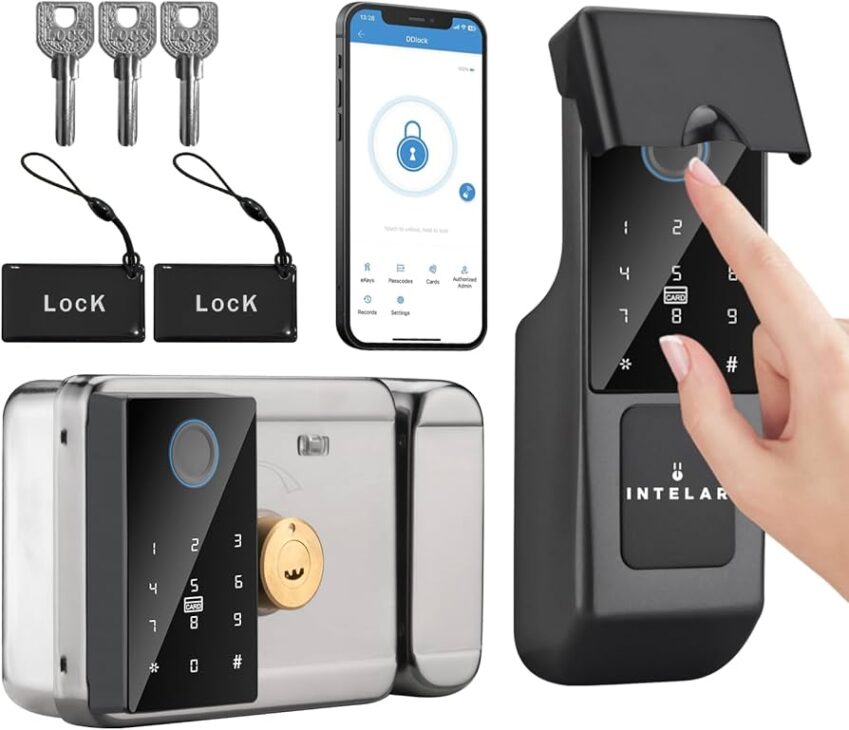
Smart locks differ from digital ones due to their connectivity (Wi-Fi, Bluetooth, Zigbee) and integration with smart homes. There are models such as deadbolts and integrated handle locks, surface-mounted or recessed. Access methods include PIN codes, RFID/NFC cards/tags, smartphone apps, biometrics (fingerprint, facial), and often a physical backup key.
Benefits include enhanced security (auto-locking, breach alerts, temporary passwords), full remote control via app, and integration with ecosystems like Amazon Alexa, Google Assistant, or Apple HomeKit for automation. In Brazil, the smart lock market is expanding, with brands like Intelbras, Elsys, Positivo Casa Inteligente, and Yale. Installation of recessed models may require professionals, with costs ranging from R$280-R$450, depending on the model and provider.
Personalization Coming To The Doors Of Houses And Our Cars
Biometric access uses unique human characteristics (fingerprint, facial recognition, voice, iris) for authentication. Fingerprint scanning is one of the most widespread, using optical or capacitive sensors. Facial recognition maps facial geometry using AI.
In homes, many smart locks already incorporate fingerprint readers. In the automotive sector, biometrics is advancing rapidly: Hyundai and Genesis use fingerprints to unlock and start the vehicle, personalizing settings. The Genesis GV60 uses facial recognition. Other brands like Tesla, BYD, and Changan are exploring facial and palm biometrics for access and personalization. The appeal lies in uniqueness, perception of security, and convenience of keyless access, along with continuous personalization.
Challenges, Concerns, And The Growth Of The Smart Access Market
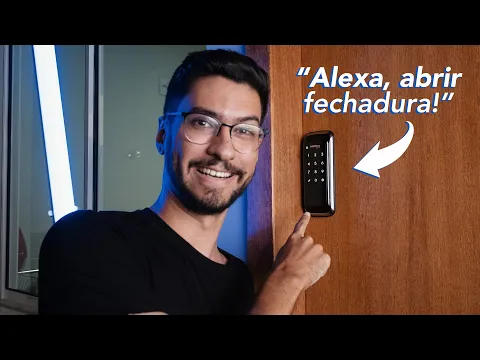

The transition to smart access brings challenges. Digital vulnerabilities include app or connection hacking, weak encryption, and lack of updates. Biometrics can suffer from “spoofing” (fingerprint falsification, use of photos/masks). Data governance is crucial, with the collection of personal information requiring compliance with the General Data Protection Law (LGPD) in Brazil.
Reliability during power outages (most operate on batteries, but online functions may fail) and battery longevity are concerns. The higher initial cost and complexity of installation remain barriers to mass adoption. Despite this, the global market for smart locks is projected to reach USD 8.14 billion by 2030 (CAGR of 19.7%), and the Brazilian market, USD 105.1 million (CAGR of 21.7%).








Seja o primeiro a reagir!