





 English
  Francês
  Alemão
  Italiano
  Japonês
  Norueguês
  Portuguese
  Spanish
  5 min of reading


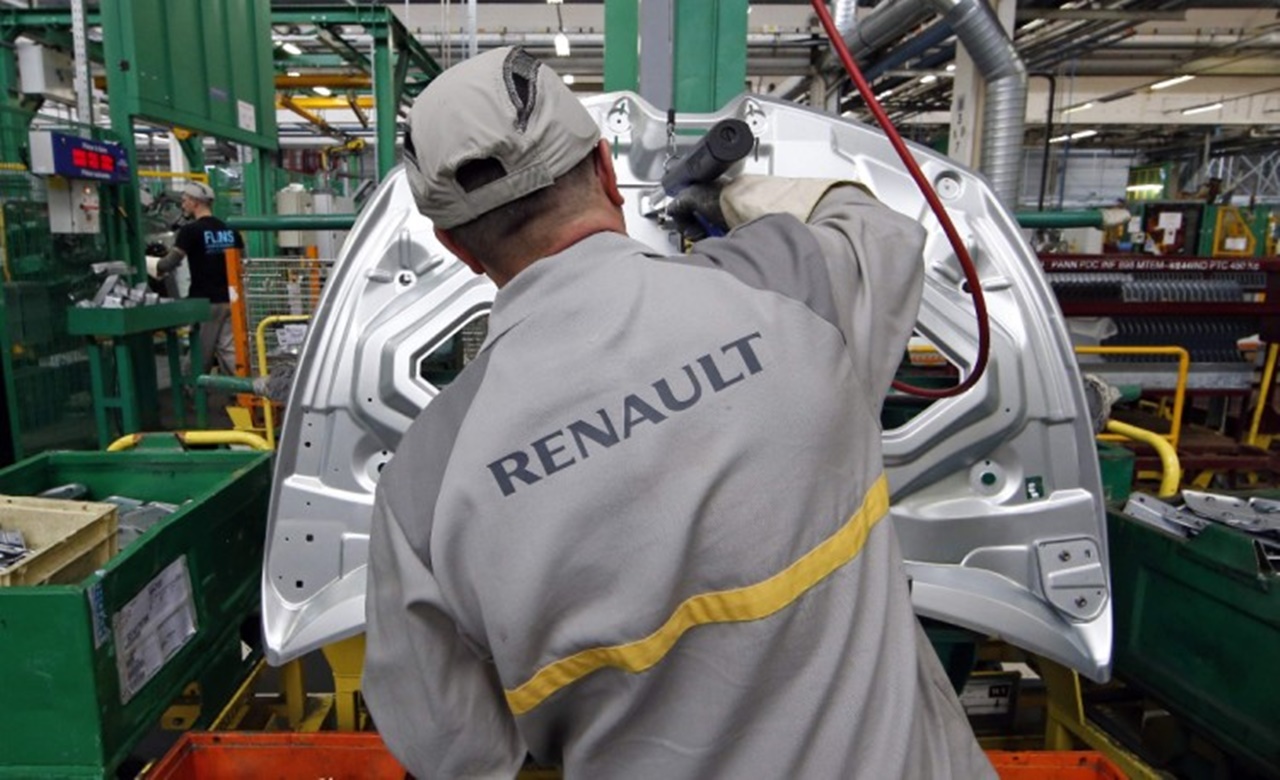
After Volkswagen, Ford, Honda, Audi, and Volvo, Renault Announces the End of Combustion Engine Production, Gasoline and Diesel, to Focus on Electric and Hybrid Cars
Automotive industry giants like Volkswagen, Ford, Honda, and Volvo have announced that they have already stopped or will stop the development and production of gasoline and diesel combustion engines. Now, it’s the turn of French automaker Renault to focus on electric cars. Luca de Meo, the head of Renault — the multinational manufacturer of Kwid, Logan, Duster, and Sandero cars, confirmed to the market that it will only update existing combustion engines, adapting them to new emission standards until the end of their life cycle.
Read Also
- Head of Ford, one of the most important automobile manufacturers in the world, will stop developing and manufacturing combustion engines, gasoline and diesel, for a fully electric future
- General Motors suspends production at its SP factory and negotiates, on this day 26, the suspension of labor contracts
- Volkswagen announces the end of production of gasoline and diesel combustion engines
- Ford Motor ‘burned’ 61 billion reais by deciding to close factories, halt vehicle production, and leave Brazil
- After Ford gave up on the country, multinational Volkswagen announces a new investment cycle and vehicle production at its SP factory
- Against Volkswagen, Renault, Honda, and Volvo, the multinational Toyota refuses to end the production of gasoline and diesel combustion engines
- After Volkswagen, Ford, Chevrolet, and Fiat, the multinational Yamaha suspends motorcycle production at its factories and puts employees on collective vacation
- Honda, one of the most important manufacturers of automobiles and motorcycles in the world, stops developing and manufacturing gasoline and diesel combustion engines
The decision of the French automaker Renault aligns with what has been announced by some automakers and countries like Germany and the United Kingdom.
Rules related to carbon emissions are becoming increasingly stringent, leaving manufacturers of gasoline and diesel combustion engines with little option, and automakers are racing to adapt to this emerging market reality of acquiring hybrid or electric vehicles.
-
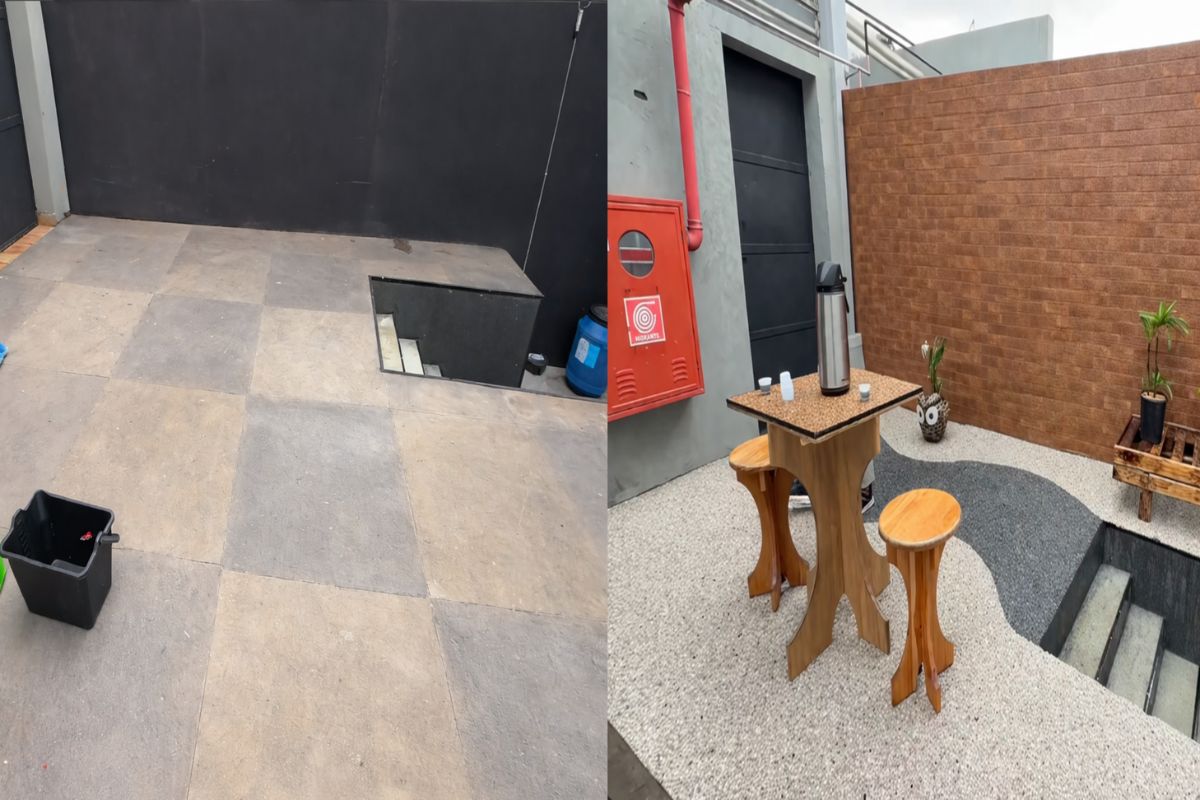
In just three hours, a natural stone floor transforms the entrance of the house with an organic effect, immediate drainage, and a sophisticated non-slip finish that doesn’t puddle water, dries quickly, and impresses with the final result.
-
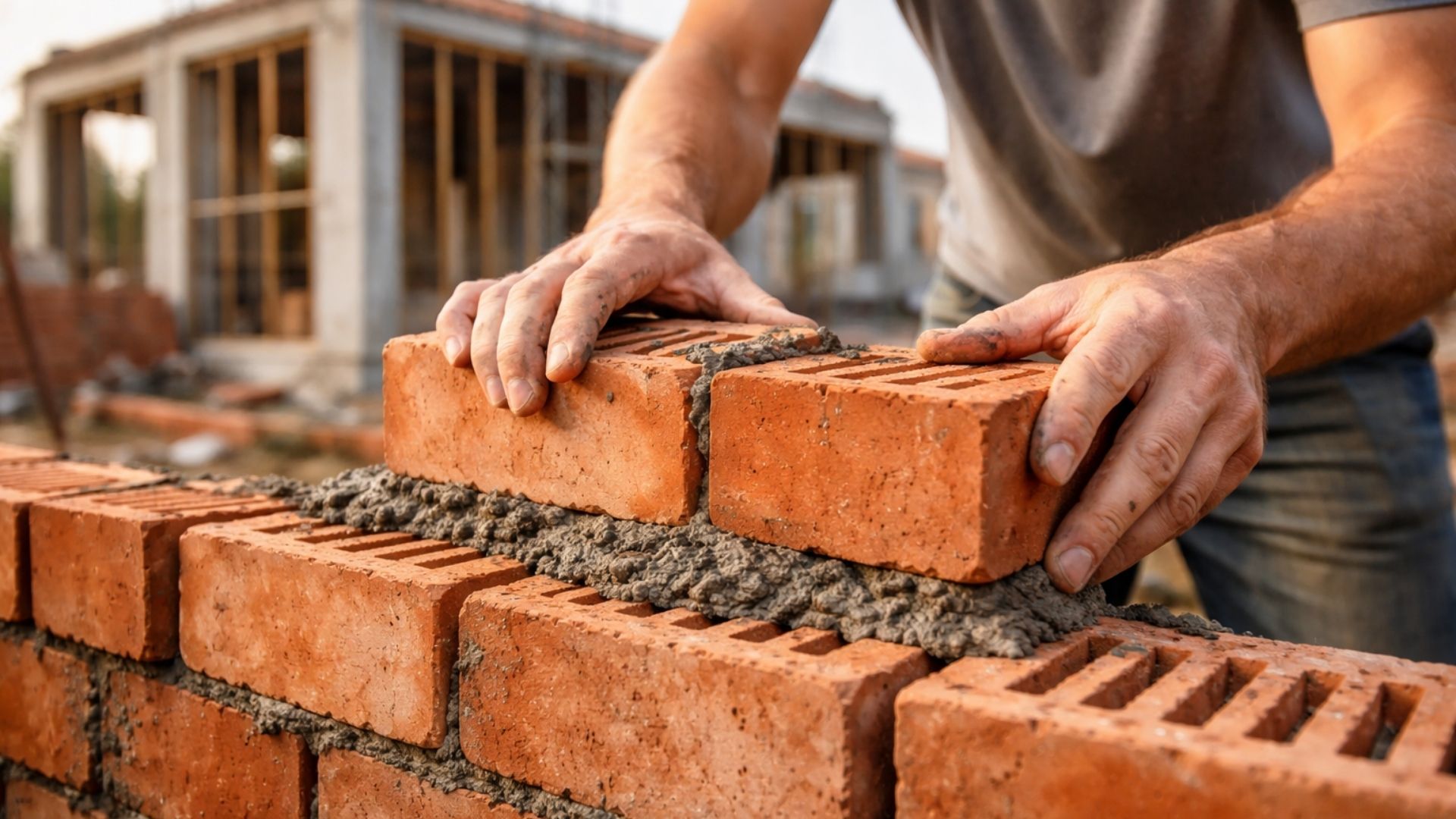
‘Interlocking brick’ made of earth arrives in the construction industry with cost reductions of up to 40% on the project.
-
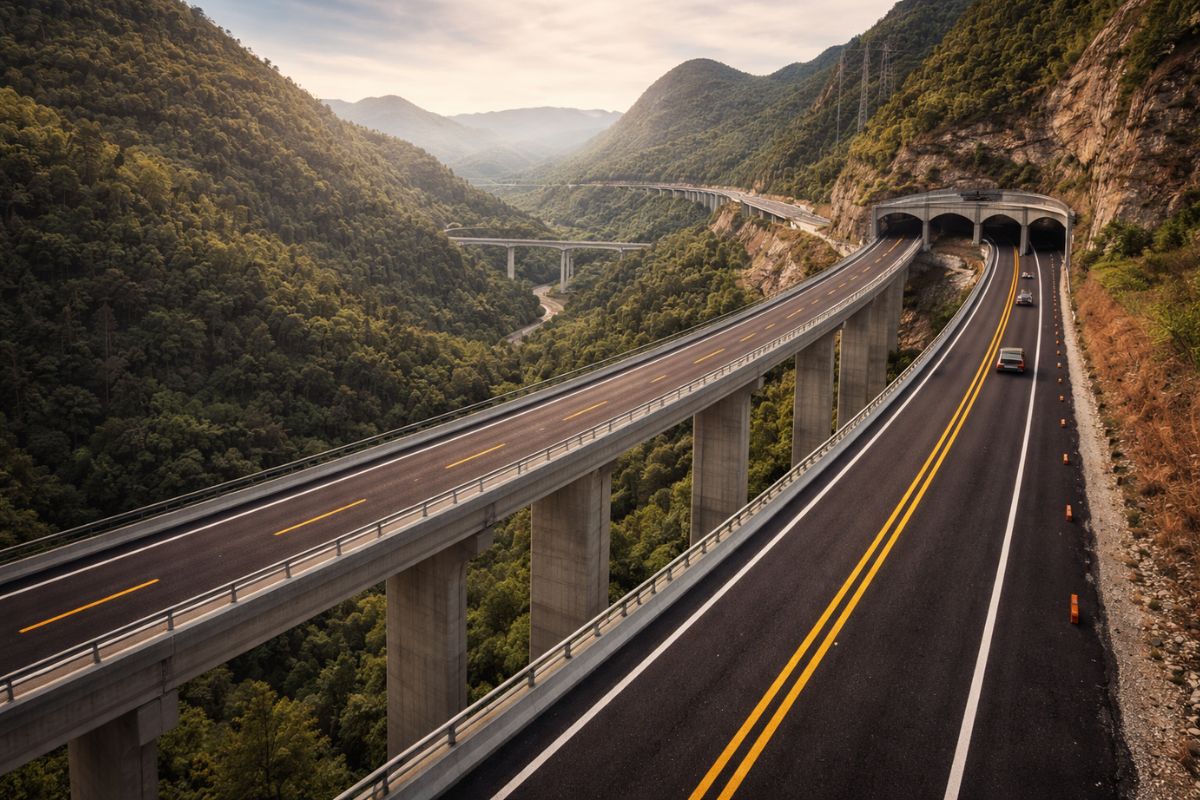
Espírito Santo will receive the largest engineering project in its history with the duplication of BR 262, which will have 50 viaducts, 28 bridges, and 2-kilometer tunnels cutting through the most challenging mountainous region of the entire state.
-
A project of nearly 9 million reais already has the first kilometer paved in Santa Catarina and promises to completely transform the access between Jaraguá do Sul and Rio dos Cedros in an area where tourism is growing at a rapid pace.

Renault CEO Luca de Meo Says Ending the Production of New Gasoline and Diesel Combustion Engines Will Reduce the Automaker’s Costs
According to Renault’s head, Luca de Meo, the decision to end the development of new gasoline and diesel combustion engines will allow the company to reduce costs at a particularly delicate time for its finances.
Thus, Renault’s gasoline and diesel combustion vehicles will be replaced by E-TECH Hybrid and E-TECH Plug-in hybrids. Moreover, this technology already equips models such as Clio, Captur, Megane, and Arkana. Soon, it will include Kadjar and Koleos, expected in 2022 and 2023, respectively.
In addition, Renault has been heavily investing in its 100% electric range, allowing it to focus on new models in the near future. Therefore, the Dacia Spring, Twingo E-TECH Electric, ZOE Z.E, Kangoo E-TECH Electric, and Master Z.E. may be joined by new proposals.
Honda, One of the Most Important Manufacturers of Automobiles and Motorcycles in the World, Stops Developing and Manufacturing Gasoline and Diesel Combustion Engines
The multinational Honda, one of the most important manufacturers of automobiles and motorcycles in the world, announced that by 2040, the Honda factory in Sumaré, São Paulo’s interior, will no longer be producing combustion engines, gasoline and diesel, and that the focus of the automaker will be on the manufacture of electric cars.
Although we are talking about the future, this decision was made now. The head of the brand also announced the new strategic plan, which begins with electrifying the European portfolio by the end of 2022. By 2030, the brand promises 40% of global sales, rising to 80% by 2035, and 100% by 2040.
Everything indicates that the Japanese will continue to manufacture combustion engines until the middle of the next decade, going against its competitors, who are already preparing for the end of pistons, connecting rods, cranks, and valves.
Despite this decision, Honda seeks carbon neutrality by 2050. A great example of this is here in Brazil, where the Japanese factories in the South and Northeast use energy from their own wind farms.
After Ford, Multinationals Renault and Nissan May Close Their Factories in Brazil, and the Automotive Industry May Collapse in the Country
After Ford’s exit from Brazil, the global supply crisis and the pandemic forced automobile factories like Chevrolet, Honda, Audi (Volkswagen), Scania, Volvo, and Mercedes-Benz to also suspend vehicle production. Now, according to information provided by Carlos Ghosn, former CEO of major vehicle manufacturers, multinationals Renault and Nissan may close their factories in Brazil, and the automotive industry may collapse in the country.
The Brazilian automobile market dropped from 4 million units/year to just 2 million, said former Nissan president Ghosn.
“The weakest will leave Brazil, which always happens in major crises. Among the weaker ones, I cite the Alliance (between Nissan and Renault), because to compete in Brazil, it is necessary to have a strong automaker, willing to overcome the specific cycles of the local economy, and if the company does not have that willingness, it will keep leaving and entering the country, laying off and hiring, stopping and returning. This stop and go is very bad for the brand and for employees,” says Ghosn.
Volkswagen Calls Candidates Without Experience in All Areas for Positions in Factories in SP and PR
The German multinational Volkswagen, the largest car manufacturer in the world, sees the importance of supporting young people to enter the job market. The company has trainee positions available in its SP and PR factories for candidates without experience and looking for their first job.
This is an opportunity aimed at graduates between 2016 and 2020 who are interested in working at one of the company’s locations in the country: São Bernardo do Campo (SP), Vinhedo (SP), Taubaté (SP), São Carlos (SP), and São José dos Pinhais (PR).
Prerequisites:
- Advanced English;
- Previous work experience;
- Education: 12/2016 to 12/2020; can be a second degree;
- Willingness to work at any Volkswagen location in Brazil,
Applications are open until May 30 and can be made directly on the company’s website at this link. Good luck to everyone!






Seja o primeiro a reagir!