





 Portuguese
  English
  Spanish
  6 min of reading
  8 comments


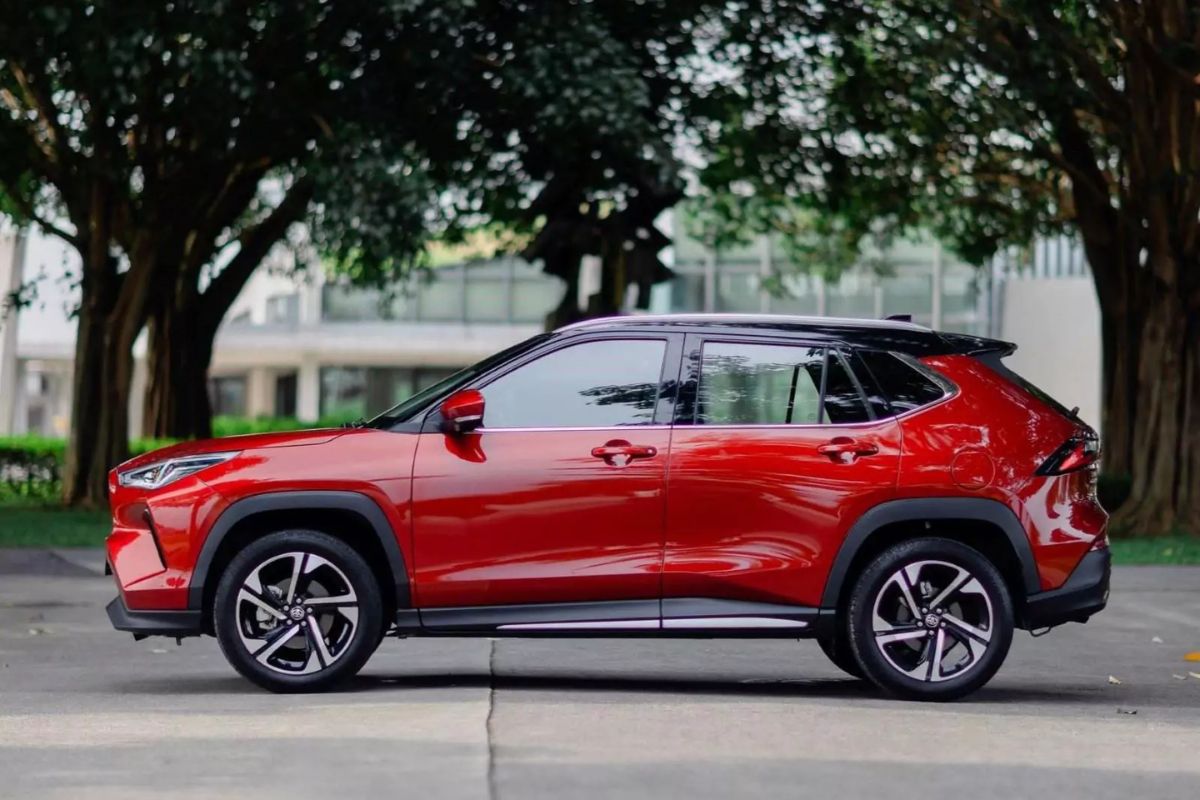


With prices ranging from R$ 161,390 to R$ 189,990, the Yaris Cross 2025 debuts as the most expensive flex hybrid compact SUV compared to many rivals, delivering only mediocre 1.5 Flex fuel consumption, a small tank in the hybrid versions, and a discreet performance that puts its cost-benefit ratio in question in the eyes of many consumers
The Yaris Cross 2025 arrives in Brazil with high expectations, carrying the label of the first flex hybrid compact SUV manufactured in the country and the mission to represent Toyota’s new phase in the compact SUV segment. On paper, the combination of a 1.5 engine, hybrid option, and technology package seemed to be the ideal formula to compete with the VW T-Cross, Honda WR-V, and other direct competitors.
In practice, however, the launch opens up an uncomfortable discussion: high prices, timid 1.5 Flex fuel consumption, and limited autonomy of the hybrid versions create a mismatch between image and real delivery. Instead of appearing as a rational alternative, the Yaris Cross 2025 enters the market already under criticism from consumers and analysts who expected more efficiency, more convincing performance, and a less aggressive pricing positioning.
Prices of the Yaris Cross 2025 and Positioning in the Segment

The pre-sale table of the Yaris Cross 2025 places the model at the top price range among many combustion compact SUVs.
-
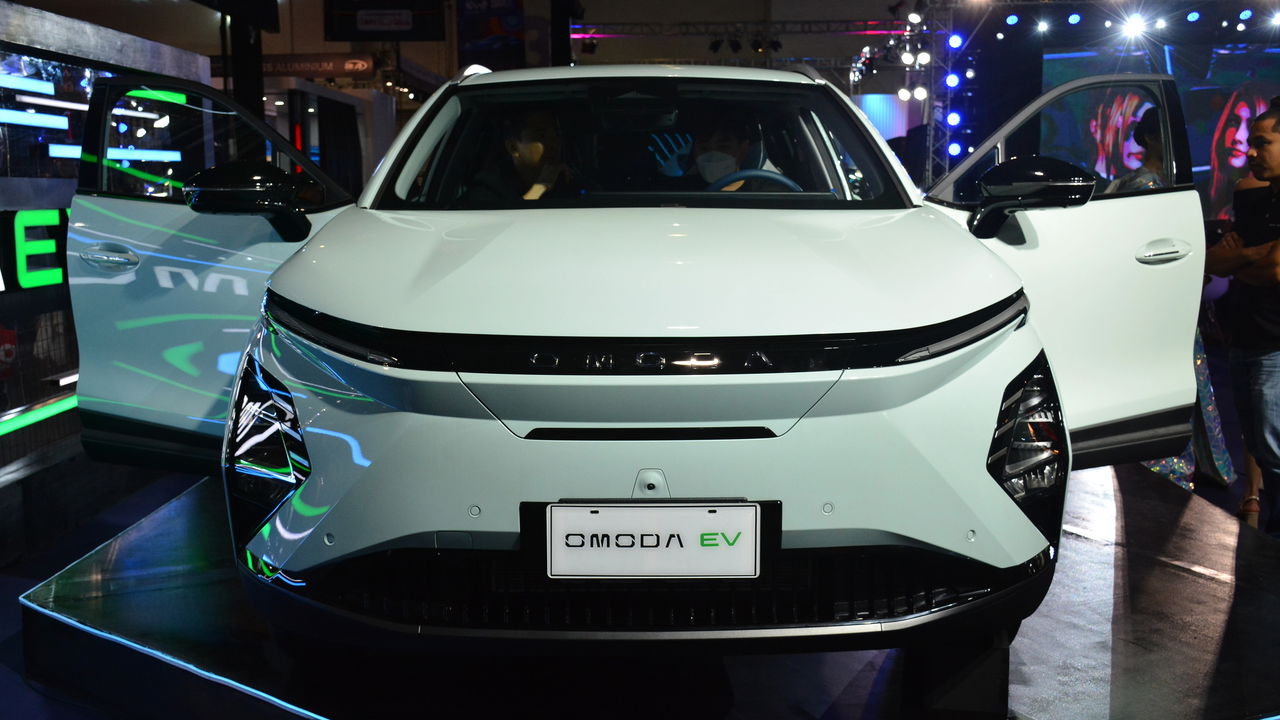
While the industry rushes towards automation, Omoda & Jaecoo bets on technology with a human touch and reveals its global mobility plan for 2026.
-
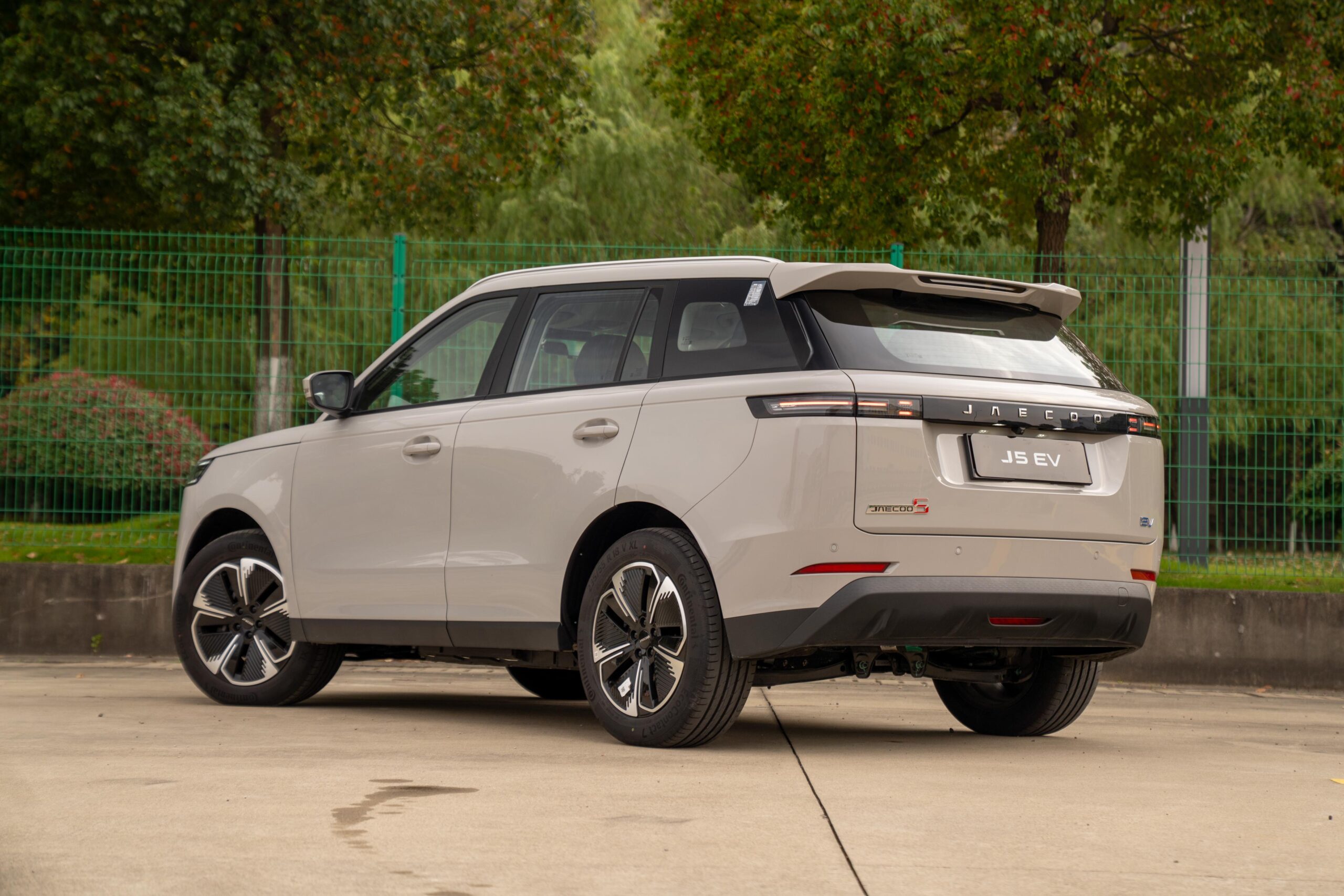
In just 1 year, JAECOO surpasses 7,000 units of the J5 EV delivered in Indonesia and consolidates trust in the Asian market.
-
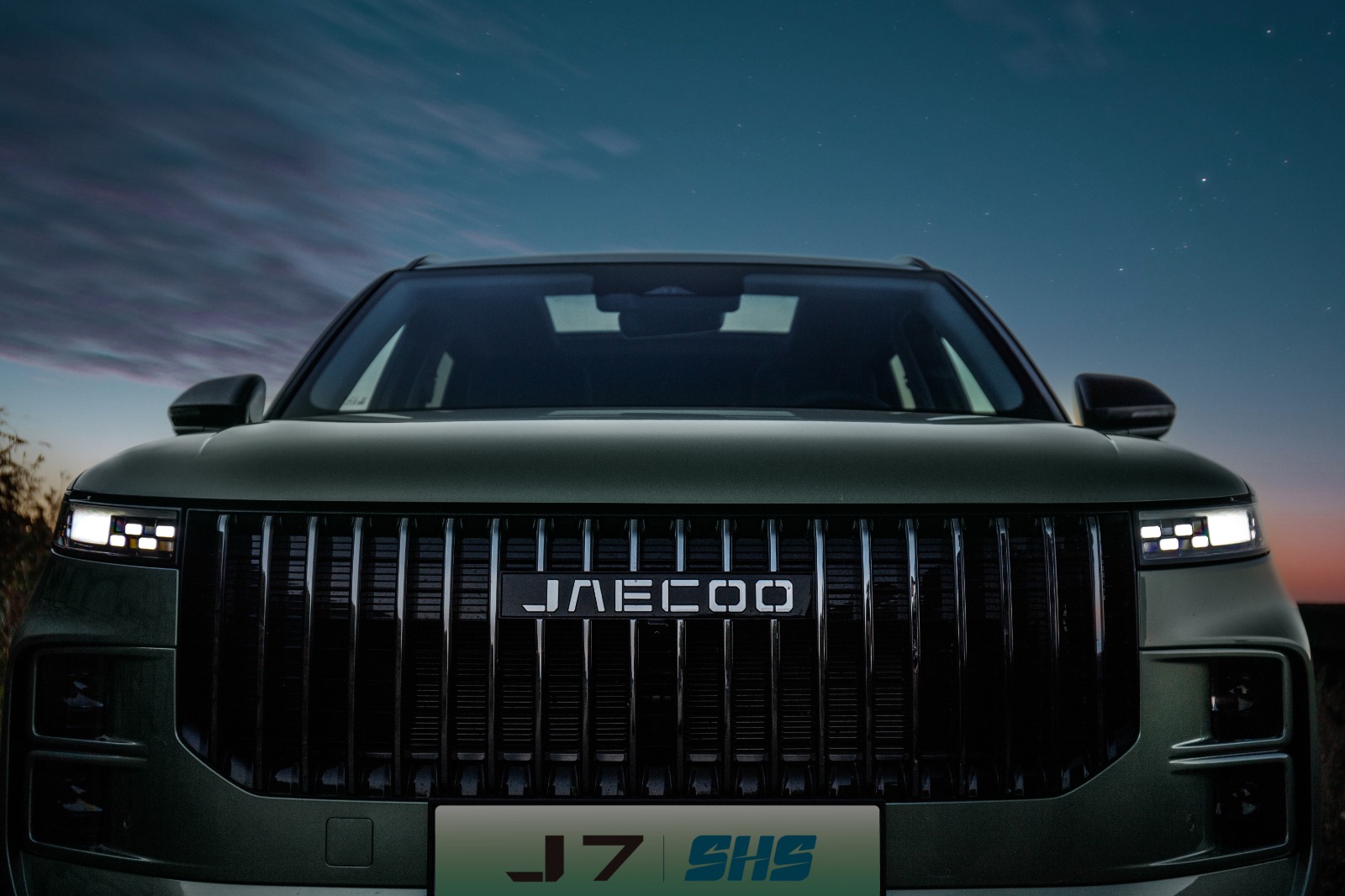
With awards in various countries, the Jaecoo 7 is establishing itself globally and accelerating the expansion of Omoda & Jaecoo in the hybrid SUV market.
-
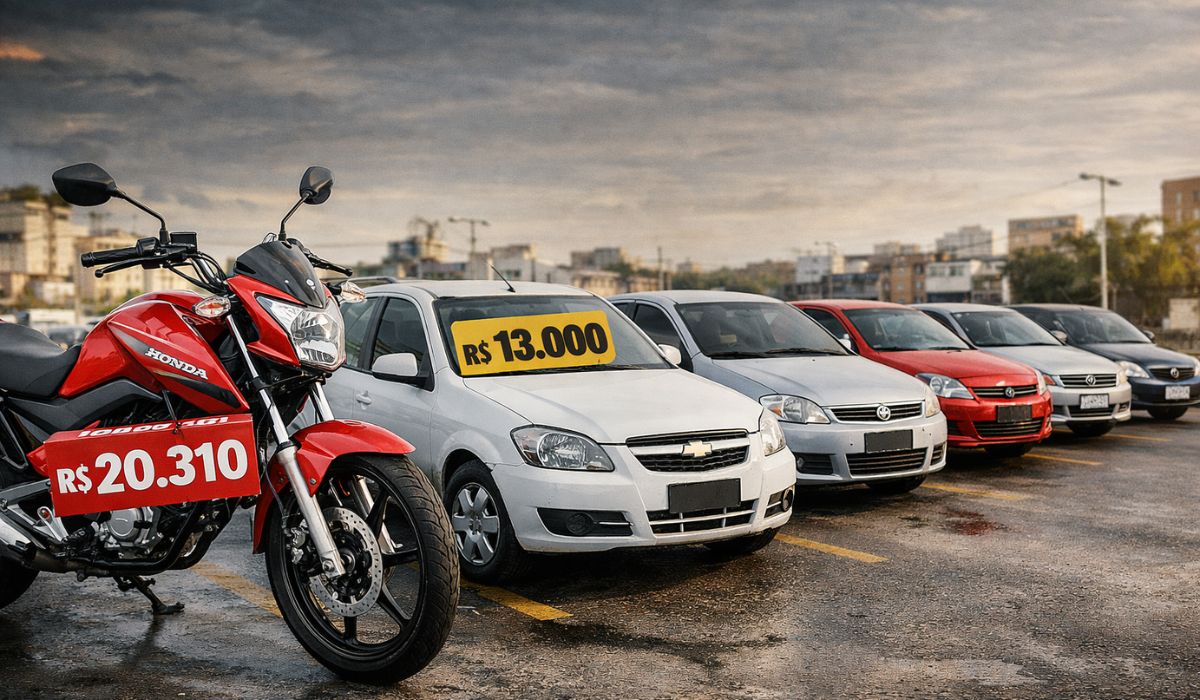
5 cheapest used cars than a Honda CG 160 Titan 0 km, with options starting at R$ 13,000 for those who want to trade their motorcycle for a car and escape the rain, sun, and risks of riding.
The lineup starts with the XRE 1.5 Flex version and goes up to the XRX Hybrid, with prices that bring the car closer to medium SUVs and away from the perception of being a good deal in the compact segment.
Versions and prices reported in the Yaris Cross 2025 pre-sale:
XRE 1.5 Flex: R$ 161,390
XRE Hybrid 1.5 Flex Hybrid: R$ 172,390
XRX 1.5 Flex: R$ 178,990
XRX Hybrid 1.5 Flex Hybrid: R$ 189,990
With dimensions of 4.31 meters in length and a wheelbase of 2.62 meters, the Yaris Cross 2025 is in the same size range as SUVs like the VW T-Cross and the new Honda WR-V, but charges more than a good part of its rivals equipped only with combustion engines.
The predominant feeling is that the consumer is paying a high price for a set that, outside of the hybrid version, does not stand out in performance or fuel consumption.
Moreover, the trunk space of 400 liters in the 1.5 Flex versions and 391 liters in the hybrid versions is consistent with the category, but does not compensate alone for the price jump compared to competing SUVs with similar proposals.
The result is a scenario where the Yaris Cross 2025 enters the showcase as an aspirational product in value, but fails to deliver equivalent technical advantages over its rivals.
Timid 1.5 Flex Fuel Consumption and Discreet Performance

In the versions equipped only with the 1.5 Flex engine with up to 122 hp, the Yaris Cross 2025 shows fuel consumption figures that fall short of the expectations created by the efficiency narrative.
According to the disclosed data, the compact SUV, weighing about 1,200 kg, delivers:
Gasoline: 12.9 km/l in the city and 14.3 km/l on the highway
Alcohol: 8.8 km/l in the city and 10.2 km/l on the highway
For a light SUV, with a 1.5 engine and an urban focus, the numbers are just acceptable, not competitive.
In a scenario where competitors bet on more efficient low-displacement turbo engines, the 1.5 Flex of the Yaris Cross 2025 seems outdated in terms of the relationship between performance and fuel consumption.
In practice, this means that those who choose the 1.5 Flex version will have a compact SUV with mediocre fuel consumption and discreet performance, lacking the torque gain typical of turbocharged engines.
The contrast between the requested price and what the 1.5 Flex engine delivers strengthens the perception that the conventional package does not keep pace with the ambition reflected in the pricing table.
Efficient Hybrid but with Limited Autonomy
The picture changes in the hybrid versions of the Yaris Cross 2025, which use a 1.5 Hybrid Flex setup with a combined power of 111 hp.
Here, Toyota plays in the territory where it is strongest: efficiency in urban cycles.
Disclosed numbers for the Yaris Cross 2025 Hybrid:
Gasoline: 17.9 km/l in the city and 15.3 km/l on the highway
Alcohol: 13.2 km/l in the city and 10.7 km/l on the highway
With these figures, the Yaris Cross 2025 hybrid stands out as the most economical compact SUV in the country for urban use, which is a real advantage for those who mainly drive in heavy traffic.
This is where the model gets closer to the promise of a modern urban SUV, aligned with the agenda of efficiency and emission reduction.
On the other hand, the 36-liter tank in the hybrid versions, compared to 42 liters in the 1.5 Flex versions, limits total autonomy.
Even with exemplary fuel consumption, the smaller capacity forces more frequent stops, especially for those planning to use the car for longer trips.
In the user’s perception, this may dilute part of the benefit of the economy per kilometer driven, especially in highway scenarios.
Equipment, XRX Version, and Value Perception
In the XRX version, the Yaris Cross 2025 offers standout features such as hybrid system, Toyota Safety Sense package, driving assistance features, and comfort items targeting an audience willing to pay more for built-in technology.
The 360-degree view, safety assistants, and the sophisticated electronic package help to justify, in part, the value of the XRX Hybrid version.
Still, the central question remains: does the real set of consumption, autonomy, performance, and interior space support the price difference compared to compact SUVs and some more accessible medium SUVs? For many consumers, especially those focusing on mixed city and highway use, the answer tends to be cautious.
In practice, the Yaris Cross 2025 builds its narrative around urban hybrid efficiency and the brand’s reliability, but opens itself to criticism when analyzed in detail in the 1.5 Flex versions.
The combination of high prices, only reasonable combustion fuel consumption, small tank in the hybrid versions, and contained performance creates a contrast between expectation and delivery that will likely mark the initial months of the model in the Brazilian market.
Expectations, Frustration, and Impact on Toyota’s Image
With a history of good fuel consumption ratings and a strong reputation for durability, Toyota typically launches products surrounded by public trust.
In the case of the Yaris Cross 2025, part of this trust has converted into expectations above the norm, especially among those seeking a flex hybrid compact SUV with an absolute rationality proposal.
Upon encountering prices reaching R$ 189,990, a lackluster 1.5 Flex engine, and reduced autonomy in the hybrid versions, a segment of consumers feels that the package does not deliver the clear advantage they expected.
The outcome is an important launch, but accompanied by noise, unfavorable comparisons with cheaper rivals, and an intense discussion about cost-benefit.
In the end, the Yaris Cross 2025 enters the Brazilian market as an emblematic case of how pricing and motorization strategy can transform a potential technical standout into a target of criticism.
Much will depend on the actual sales response and the perception of those who interact with the car daily to determine whether the model establishes itself as a benchmark or as a missed opportunity in the compact SUV segment.
And you, after seeing the prices, 1.5 Flex fuel consumption, hybrid autonomy, and equipment package of the Yaris Cross 2025, does it still make sense on your SUV list or did the expectations also fall short?









Achei o preço excelente e eu que não tenho esta grana mesmo kkkkpois aqui no Brasil somos bobos pagarmos tão caro em um carro sendo que no país de primeiro mundo é um terço do preço na minha opinião tinha que ser e mais caro ainda
Estava esperando esse carro para trocar o meu mas o yaris ficou bem mais caro que se esperava . Caro mesmo me decepcionado com.valor vou pessar em outro modelo híbrido.
Frustração total. Preço absurdo, quebra de expectativa! Mandou muito mal a Toyota! Os concorrentes felizes!
Vdd