





 Portuguese
  English
  Spanish
  6 min of reading
  0 comments


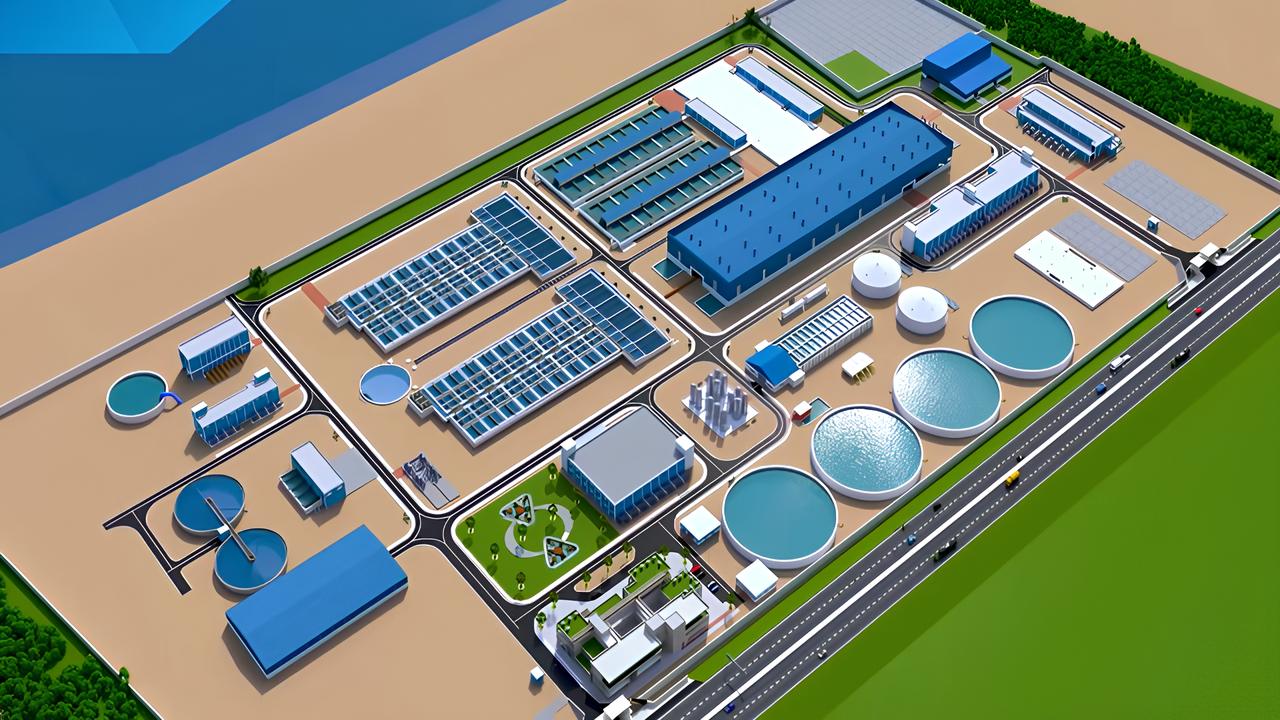
Chennai Is Building One of Asia’s Largest Desalination Systems to Turn Water from the Bay of Bengal into Drinking Water and Ensure Supply for Millions of People.
The city of Chennai, in southern India, is implementing one of the largest water security projects on the Asian continent. Located on the coast of the Bay of Bengal, the metropolis of over 11 million inhabitants has begun to invest heavily in seawater desalination after facing severe water crises in recent years. According to information from theTamil Nadu government and international organizations like the Japan International Cooperation Agency (JICA), the city is rapidly expanding its infrastructure to turn ocean water into drinking water. The goal is to reduce dependence on monsoon rains and ensure a stable supply for the population.
Today, Chennai already operates several desalination plants and is preparing to build a new massive facility that will increase total production to around 750 million liters of drinking water per day when all projects are completed.
Historical Water Crisis Led Chennai to Invest in Desalination
The expansion of desalination in Chennai began after a series of supply crises revealed the city’s water vulnerability. The region heavily relies on seasonal monsoon rains, which recharge the main reservoirs. When these rains fail, the city faces extreme water shortages.
-
Weighing almost 1 ton, with temperatures of up to 3,000°C, the ability to launch 10,000 fragments within a radius of 1 km, capable of penetrating concrete and melting steel, Turkey’s terrifying bomb emerges as one of the most destructive non-nuclear weapons ever presented.

-
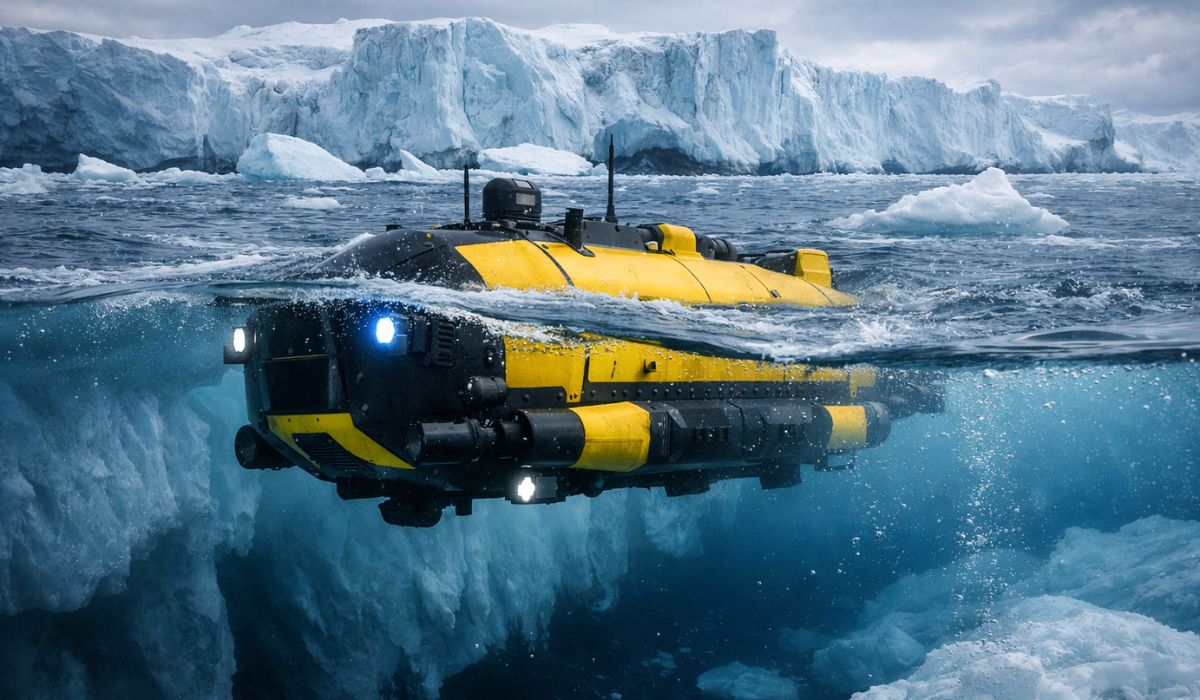
After a submarine disappeared beneath the “Doomsday Glacier,” scientists announce a new monstrous machine capable of operating at 3,000 meters depth to return to the heart of the ice and investigate a threat that could raise sea levels worldwide.
-
NASA has set a date for the beginning of the end of Earth, and it won’t be an asteroid or an explosion: the planet will slowly lose its oxygen over the course of 1 billion years because the Sun is getting hotter every day.

-
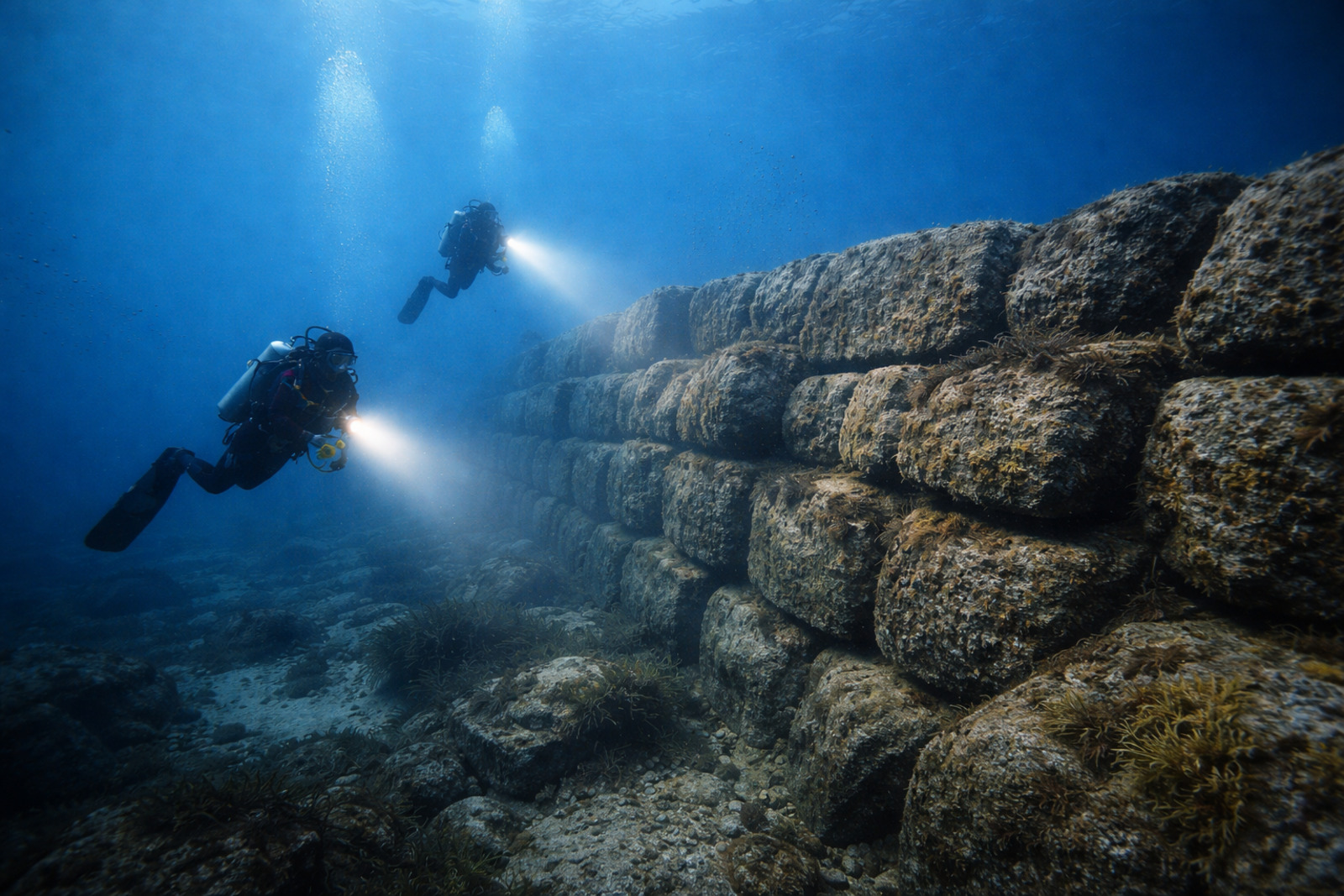
Archaeologists have discovered a colossal submerged wall in the Atlantic, dating back 7,000 years and weighing 3,300 tons, regarded as the largest prehistoric submerged structure ever found in France.

In 2019, Chennai experienced one of the most severe episodes in its recent history. The four main reservoirs that supplied the city — Poondi, Cholavaram, Red Hills, and Chembarambakkam — almost ran dry, leading authorities to declare a scenario close to the so-called “Day Zero,” when public supply collapses.
During the height of the crisis, the city needed about 830 million liters of water per day, but the system could provide only about 525 million liters, forcing residents to depend on water tankers and private wells.
This episode accelerated political decisions and investments to diversify water sources — and seawater desalination became the main bet.
First Plants Turned Seawater into a Source of Supply
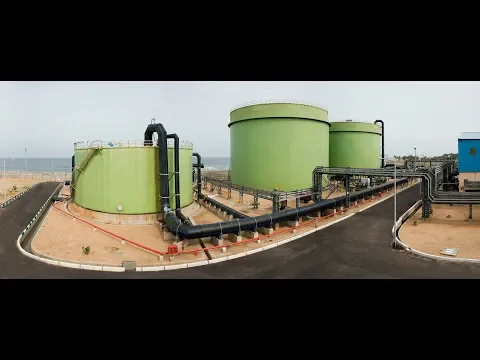
Chennai was one of the first major cities in India to invest in large-scale desalination plants. Two important facilities began operating last decade. The first was the Minjur plant, inaugurated in 2010. It was designed to produce about 100 million liters of drinking water per day, mainly serving neighborhoods in the northern part of the city.
Next, the Nemmeli plant began operations, also with an initial capacity of around 100 million liters per day. With subsequent expansions, the complex now reaches around 150 million liters daily.
These plants use reverse osmosis technology, an industrial process that removes salt from seawater through microscopic membranes under high pressure. The result is potable water that undergoes further treatment before entering the distribution network.
With the operation of these plants, Chennai began to have a relatively stable water source independent of rainfall.
New Giant Plant in Perur Will Be One of the Largest in Asia
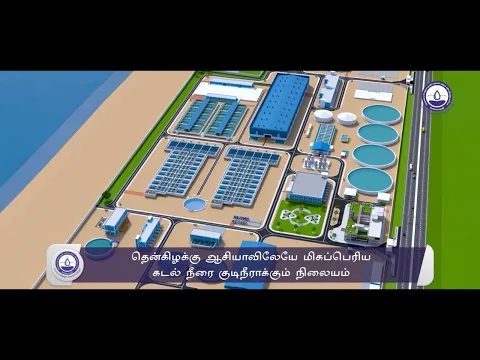
To further expand the system, the Tamil Nadu government initiated the construction of a new plant in Perur, south of the city. This project is considered one of the largest investments in water infrastructure in India.
The plant will have the capacity to produce 400 million liters of drinking water per day, almost four times the production of the city’s first facilities. The project is being financed with support from the Japan International Cooperation Agency (JICA) and is executed by a consortium of international companies specialized in water treatment.

The total cost of the project exceeds 6,000 crore rupees (approximately US$ 499 million) and includes not only the desalination plant but also the construction of pumping stations, reservoirs, and hundreds of kilometers of pipelines to distribute water throughout the city.
When operational, the Perur plant will be able to provide water for millions of residents in the metropolitan region.
Total Capacity Could Transform Chennai into a Global Desalination Hub
With the sum of existing plants and new projects, the production of desalinated water in Chennai is expected to reach around 750 million liters per day. This volume will place the city among the largest urban centers in the world dependent on desalination.
According to statements from the state government, when all projects are completed, Chennai could become one of the largest desalination hubs on the planet, drastically reducing the risk of new water crises.
The strategy also includes improvements in the distribution system, with new reservoirs and supply networks connecting the plants to the urban grid.
How the Technology Used in the Plants Works
The desalination plants in Chennai use an industrial process known as seawater reverse osmosis (SWRO). The operation takes place in several technical stages. First, ocean water is captured and goes through initial filtration, which removes sediments, particles, and marine organisms.
Then, this water is pressurized and forced to pass through special membranes, capable of retaining salt and other dissolved minerals. The process generates two flows:
- purified water, which will be treated and distributed
- concentrated brine, returned to the sea under controlled conditions
In the most modern plants, additional systems remove organic compounds and microscopic particles before the final potabilization stage. The result is water of adequate quality for human consumption.
Infrastructure Includes Hundreds of Kilometers of Pipelines
The Perur project involves not only the construction of the plant. It also includes a massive network of infrastructure to transport treated water to the city’s neighborhoods. According to technical documents of the project, the system foresees:
- more than 700 kilometers of new pipelines
- expansion of the total network to more than 1,300 km of distribution
- installation of hundreds of thousands of new water meters
This set of works will allow connection of more than 200 thousand additional households to the supply system.
Desalination Becomes a Global Strategy for Coastal Regions
The case of Chennai reflects a global trend. Coastal regions with water scarcity are increasingly investing in desalination.
Countries like Saudi Arabia, United Arab Emirates, Israel, and Australia are already producing a large part of their drinking water from the sea. In India, the coastline of over 7,500 kilometers offers potential for expansion of this technology in various cities.
In addition to Chennai, states like Gujarat, Andhra Pradesh, and Maharashtra are also studying or building new plants.
Water Security Becomes a Priority for Major Cities
Recent experience has shown that metropolises with millions of inhabitants need to diversify their water sources.
Reservoirs and rivers remain important, but they are subject to droughts, climate change, and population growth.
Therefore, coastal cities are increasingly turning to desalination to ensure a stable supply source.
In the case of Chennai, investments in desalination plants, reservoirs, and distribution networks are part of a long-term plan to protect the city from future crises.
A New Model of Urban Supply
When all the projects are completed, Chennai will be able to produce hundreds of millions of liters of drinking water directly from the ocean every day. This system will reduce dependence on the monsoons and create a more resilient supply network for one of India’s largest cities.
What began as an emergency response to a water crisis is now transforming into one of the largest urban desalination programs in Asia.
And if plans are fulfilled, Chennai could become a global example of how large coastal cities can turn seawater into water security for millions of people.





-

Uma pessoa reagiu a isso.