





 Portuguese
  English
  Spanish
  3 min of reading
  0 comments


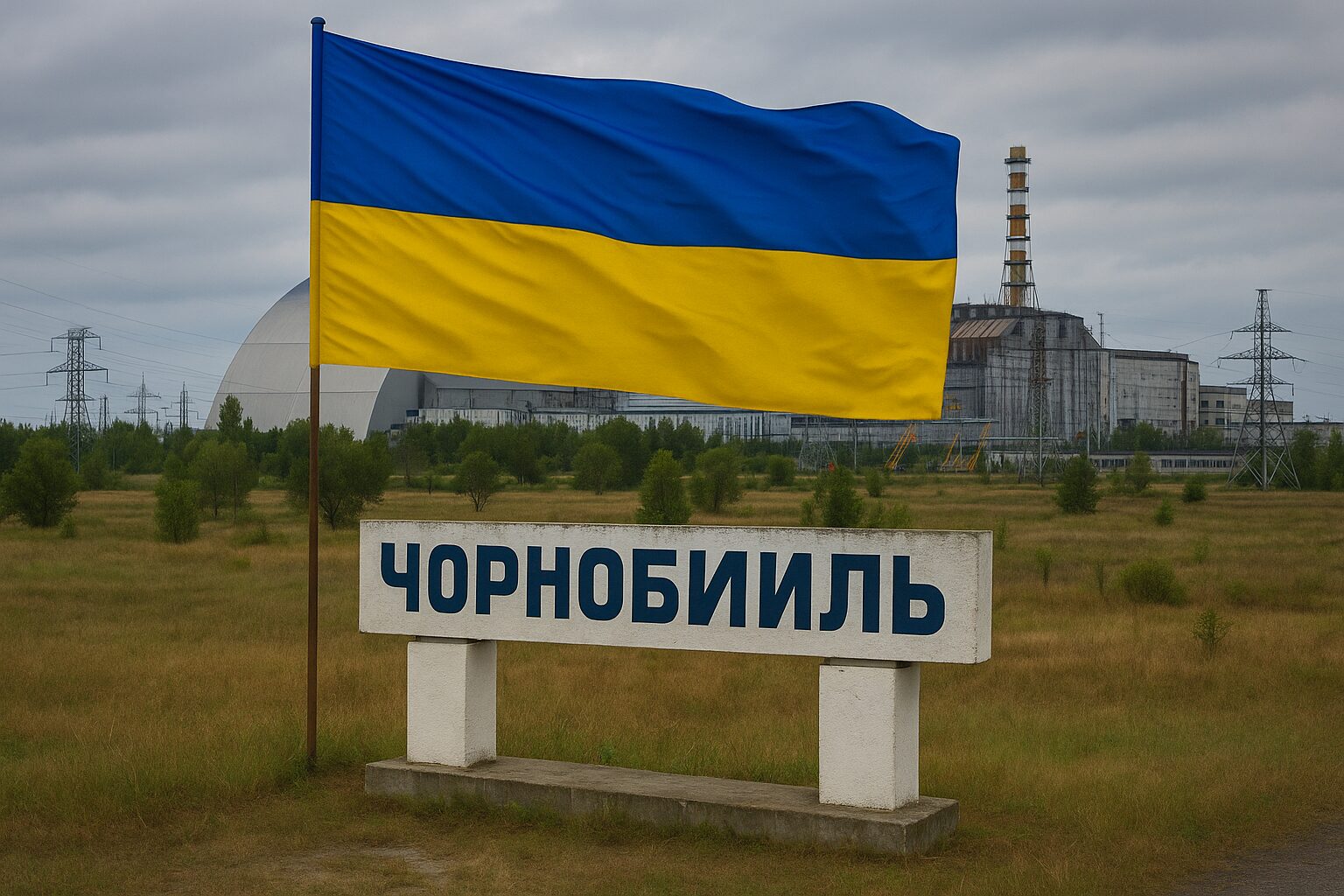
Ukraine Plans to Install Small Nuclear Reactors in Chernobyl Almost 40 Years After the Disaster as Part of Its Energy Reconstruction Strategy.
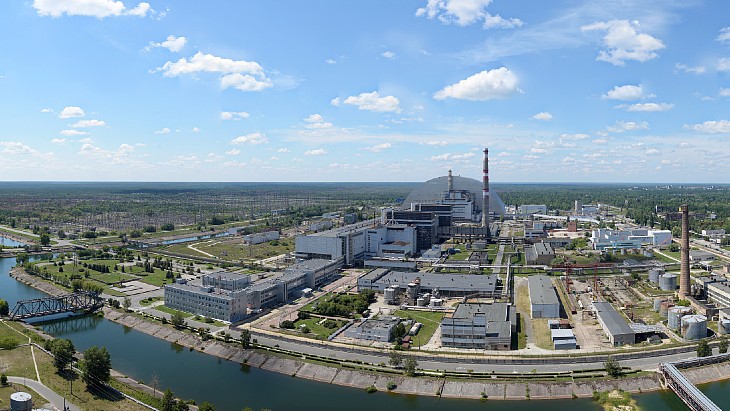
Ukraine may soon begin generating nuclear energy right at the site of one of the largest accidents in history. The Ukrainian government is studying the installation of small modular reactors (SMRs) in the Chernobyl exclusion zone, where reactor number 4 exploded in 1986.
Almost four decades after the disaster, authorities want to transform the area into a new energy source.
Plan for Reactors in the Exclusion Zone
Hryhorii Ishchenko, head of the State Agency of Ukraine for the Management of the Exclusion Zone, confirmed that his team is ready to allocate land to the state-owned Energoatom for the installation of the reactors.
-
Global warming will expose a treasure hidden under the ice of Antarctica and may spark an international dispute over gold and valuable minerals.

-
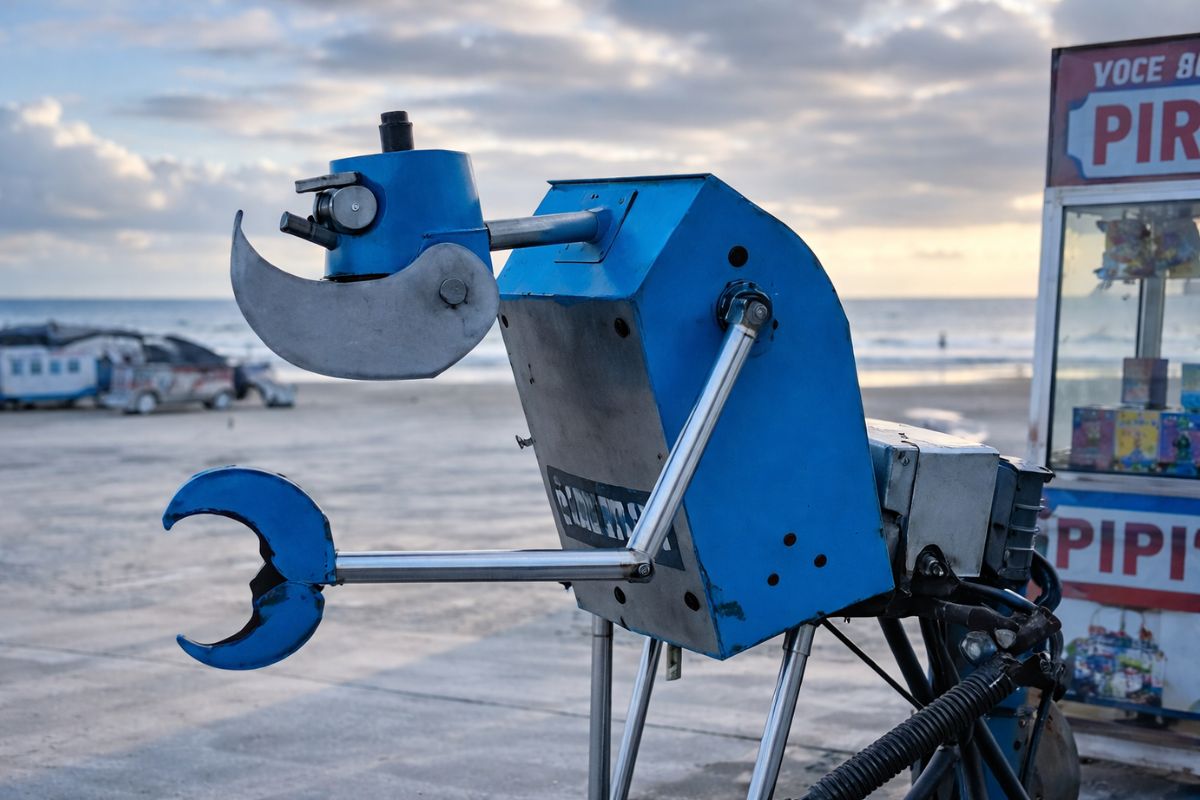
A street vendor from Praia Grande built a robot made of scrap from scooters and washing machines that pulls his popcorn cart on the beach, emits sounds, and interacts with customers, becoming an attraction on the coast of São Paulo.
-
The specifications of the Xiaomi 18 Pro Max have been leaked, and the highlight is a dual 200 MP camera with a new 22-nanometer technology that promises to consume less energy and capture details in shadows and bright areas using LOFIC HDR.

-
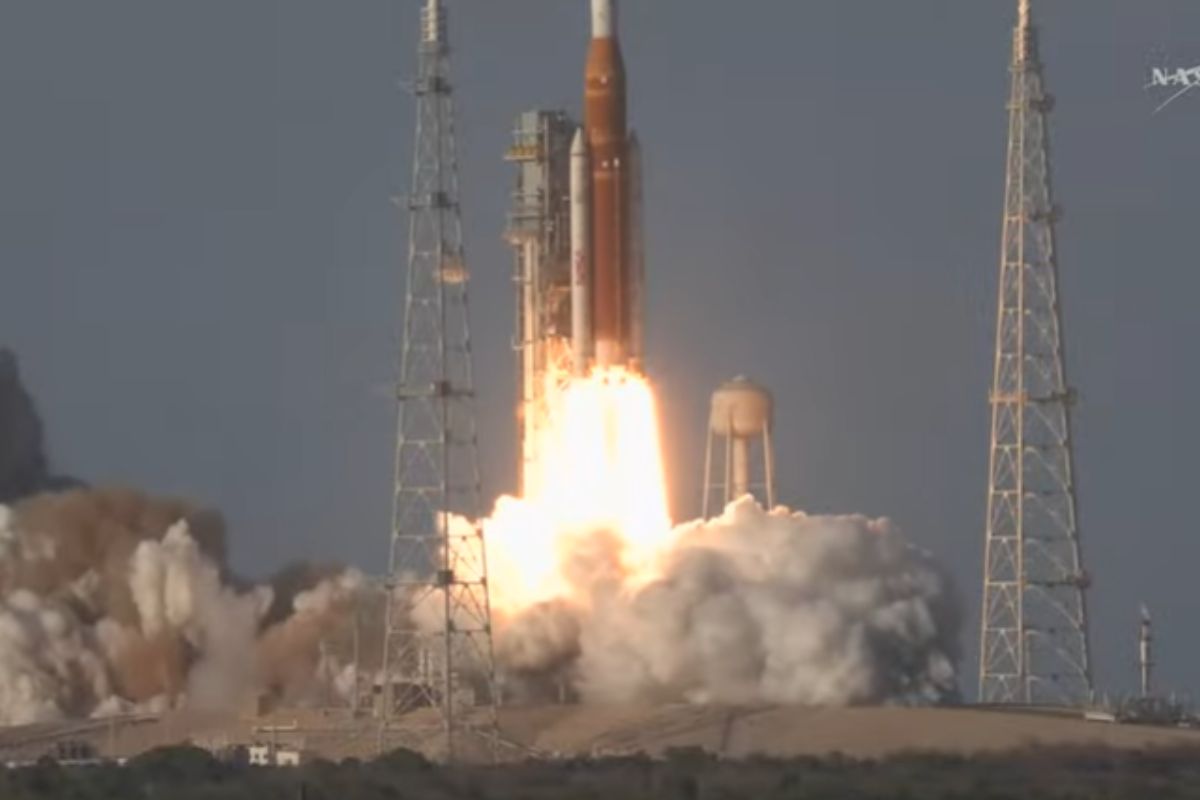
If the trip to the Moon were a hoax, it would be necessary to keep the secret among 400,000 people for more than 50 years and to deceive even the Soviet Union, which was tracking the radio signals coming from the exact direction of the satellite during each Apollo mission.


According to him, the agreement to start the project should be signed soon. The initiative is part of a broader plan.
Energoatom, responsible for nuclear energy in Ukraine, and the national energy company Ukrenergo have already identified 12 locations for installing SMRs throughout Ukrainian territory.
The proposal envisions that the new reactors will provide electricity for the country’s reconstruction and future energy needs, especially when the war with Russia ends.
Modular Reactors and Partnership with Holtec
Ukraine’s strategy is not limited to SMRs. The country also intends to build large reactors of the Westinghouse AP1000 model, in addition to the small modular ones. The SMR project, however, seems to be a priority for the coming years.
An agreement with the Holtec company, signed in 2023, envisions the construction of about 20 units of these small nuclear reactors. Other SMR manufacturers are also in negotiations with the Ukrainian government.
Even amid the war, the country has continued with its plans to modernize the electrical system. The deployment of SMRs is seen as a way to accelerate the resumption of energy production with lower costs and greater efficiency.
Chernobyl and the Impact of the 1986 Accident
The Chernobyl disaster occurred in April 1986 when one of the reactors at the nuclear power plant exploded during a safety test. The tragedy exposed approximately 8.4 million people to nuclear radiation, according to estimates.
More than 250,000 people are believed to have developed cancer as a result of the accident, with around 100,000 related deaths. Additionally, radiation compromised crops, forests, and much of the local infrastructure.
The site of the accident is about 130 kilometers from Kyiv, the capital of Ukraine. An area of 30 kilometers around the reactor was isolated and turned into what is known as the “exclusion zone.”
It was created to contain the effects of contamination and was later extended to other areas with high radiation levels.
Current Conditions of the Exclusion Zone
Currently, the region is practically uninhabited. Only scientists and researchers are authorized to stay in the area.
The absence of human presence, however, has allowed wildlife to recover, making the zone a refuge for various species.
Previous studies show that some parts of the zone could be used again for agricultural activities. The main concern in the past was with the isotope iodine-131, which has a half-life of eight days and has almost completely disappeared.
Other radioactive elements such as cesium-137 and strontium-90 are still present, but at levels reduced by more than half compared to previous years. Nonetheless, research on radiation continues to be conducted frequently in the region.
New Energy Phase May Begin Soon
Despite its traumatic history, Ukraine sees potential in transforming the area affected by one of the largest nuclear disasters in history into a base for the country’s energy future.
The date for the installation of the new reactors in the Chernobyl exclusion zone has not yet been officially announced. However, the plan is underway. If realized, it will mark a symbolic return to nuclear energy precisely where it left deep scars.





Seja o primeiro a reagir!