





 Portuguese
  English
  Spanish
  3 min of reading
  4 comments


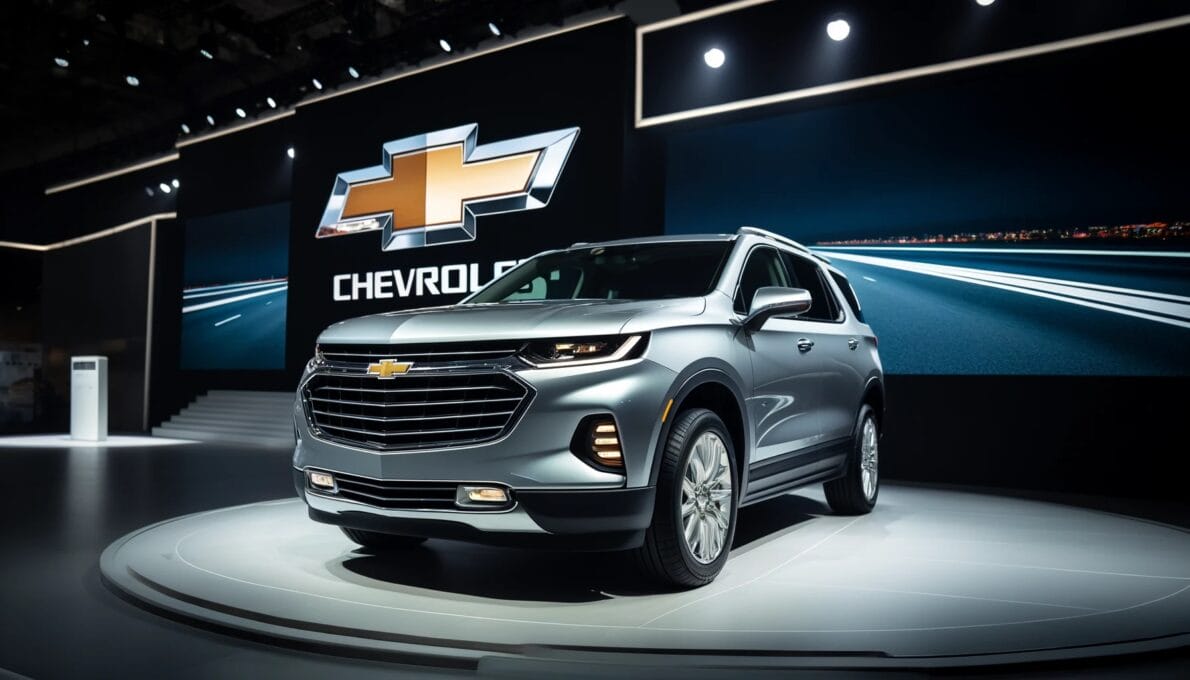


The Chevrolet Captiva SUV Returns to the Market with a New Look, Enhanced Engine, and Advanced Technologies, check it out!
In the Brazilian market, the Chevrolet Captiva SUV bid farewell in 2017, although it achieved a certain success. However, the model remains alive in other markets in South America, one of them being Uruguay, where the SUV has just received updates. In this article, you will learn about the new Chevrolet Captiva that achieves up to 19.4 km/l.
Find Out How the Chevrolet Captiva SUV Is in 2024


In the redesign, the new Chevrolet Captiva received smoother lines, making it more modern. In the old design, the Captiva had a polygonal and straight grille, but now the grille’s lines merge with the headlights. The model now features an elegant silver bar that emerges from the LED daytime running lights, gracefully extending until it meets the Chevrolet logo.
The model also includes fog lights with a black plastic outline. At the rear, the Chevrolet Captiva SUV also looks more modern, with the taillights becoming longer and slimmer, as well as gaining a fog light that extends across the entire bottom part of the model.
-
OMODA & JAECOO grows in Europe in 2026 with an integrated strategy of sales, innovation, local production, and technological advancement in the United Kingdom, Italy, and Spain.

-
OMODA & JAECOO expands after-sales service in Brazil with competitive maintenance, a 7-year warranty, and high availability of parts for technological SUVs.
-
OMODA & JAECOO appoints Alessandra Souza as executive marketing director in Brazil and accelerates brand expansion with a focus on innovation, networking, and hybrid portfolio.

-
Jaecoo 7 with super hybrid SHS system exceeds 1,200 km of combined range with a 1.5 turbo engine, high-density battery, and intelligent energy management.

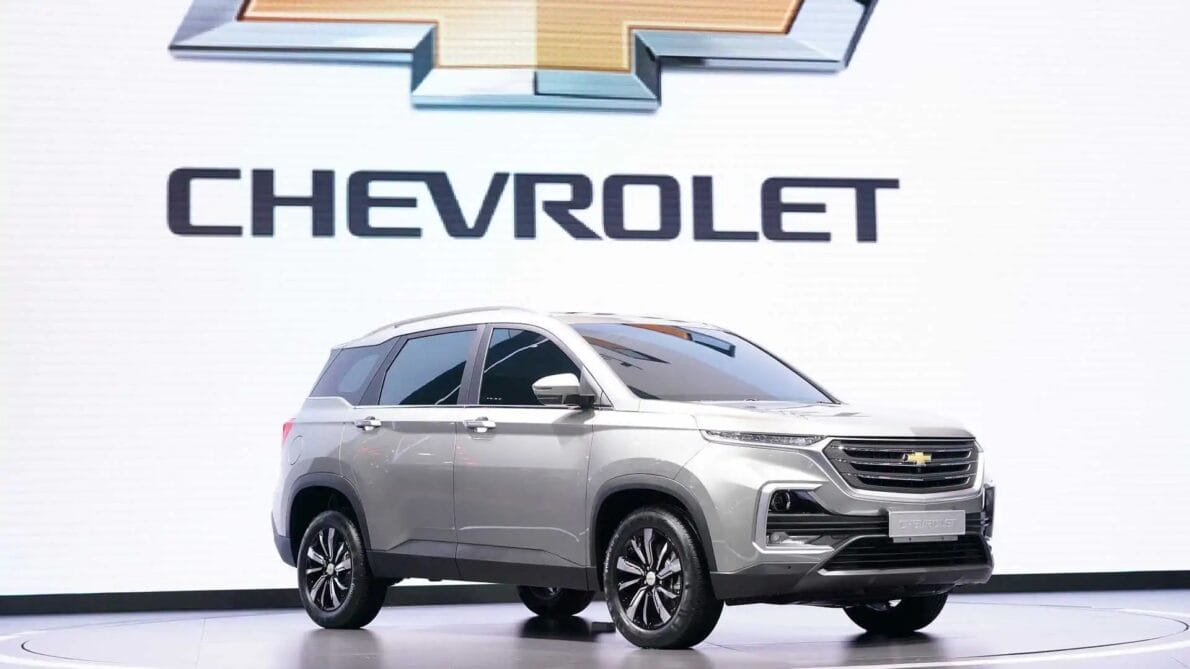
Another novelty is the arrival of a second exhaust outlet. The new Chevrolet Captiva measures 4,665 mm in length, 1,835 mm in width, 1,760 mm in height, and has a wheelbase of 2,750 mm, while the trunk offers a capacity of 429 liters, numbers superior to its sibling Tracker, sold in Brazil.
The model will go to Uruguay imported from China and will have two versions, namely the LTZ and Premier, both equipped with a 1.5 turbo engine with 147 HP and 25.4 kgfm of torque paired with a CVT with six-speed simulation.
The Interior of the New Chevrolet Captiva Delivers a Lot of Technology and More Space than the Spin
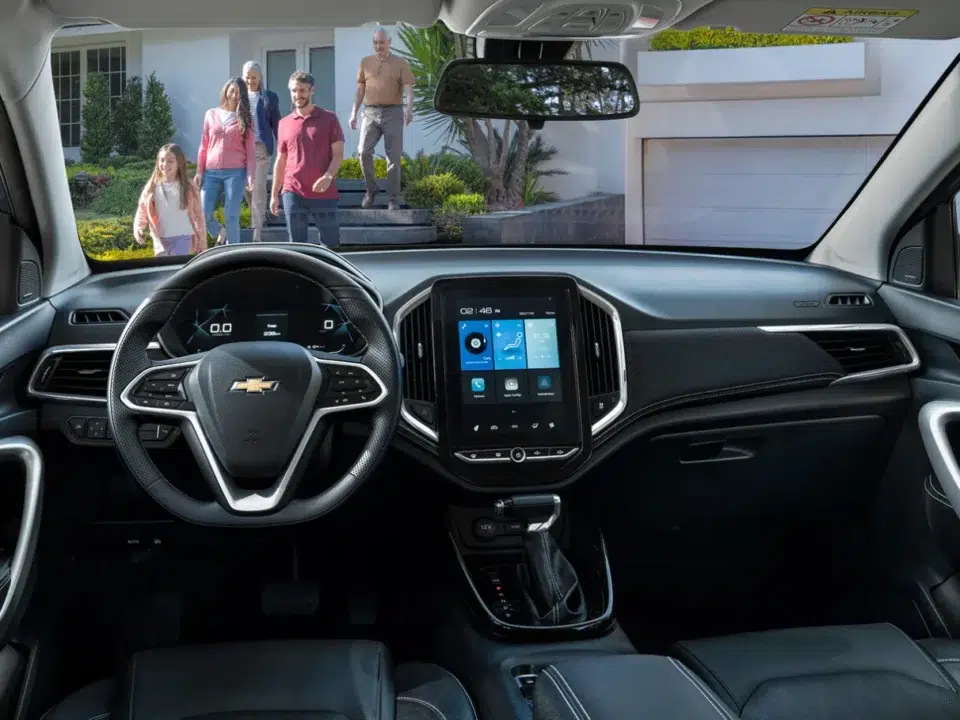
Inside, the Chevrolet Captiva SUV blends black with lighter tones in various places, such as the steering wheel, door finishes, and even in the stitching of the seats and center console. The new Chevrolet Captiva now comes with a multimedia center featuring a vertical 10.4-inch screen, in addition to six airbags standard compared to four in the previous generation.
In the top-of-the-line version, the SUV includes features such as a 360° camera, digital air conditioning, and a panoramic sunroof. In the Mexican market, the model has abandoned the old Ecotec 2.4 gasoline engine of 185 HP and now adopts a 1.5 turbo gasoline engine, with 147 HP and 25.4 kgfm of torque, as previously mentioned.
The main gain in the new Chevrolet Captiva is in fuel consumption. According to Chevrolet, the SUV averages 12.6 km/l in the city and 19.4 km/l on the highway. With the old engine, the averages were 10 km/l and 14 km/l, respectively.
The Captiva comes in 5- and 7-seater versions and hits Mexican stores priced at 486,400 pesos, something close to R$ 140 thousand in direct conversion. Similar prices to those of the current Chevrolet Tracker for sale in Brazil.
Chevrolet Captiva SUV in the Brazilian Automotive Market
Launched here in 2008, the model had months of waiting lists and even a 10% markup over the official price, which was R$ 92,999 for the 4×2 version and R$ 100 thousand for the top-of-the-line 4×4 version, both equipped with a 3.6 V6 engine.
One of the aspects that pleased the public the most upon the model’s launch was undoubtedly its design, which offered something different compared to its main competitors, which at the time were the Hyundai Tucson, Honda CR-V, Toyota RAV-4, and Kia Sportage.










Pra colocar um motor mais fraco que o 1.4 turbo de 153cv (e) e 150cv (g), a GM adora fazer isso tirar motores fortes e colocar motor mais fraco, no Vectra 2.0 16v C20xe de 150cv para o 2.0 141cv depois 2.2 138cv, na s10blazer 4.3v6 180cv depois 2.4 140cv na Equinox 2.0 262cv para 1.5 172cv até desanima de andar com esses carros
Foi-se o tempo em que a Chevrolet criava conceitos, agora só copia…!!!
Quem foi o editor do vídeo?
Poderia abaixar o som da música?