





 Portuguese
  English
  Spanish
  3 min of reading
  6 comments


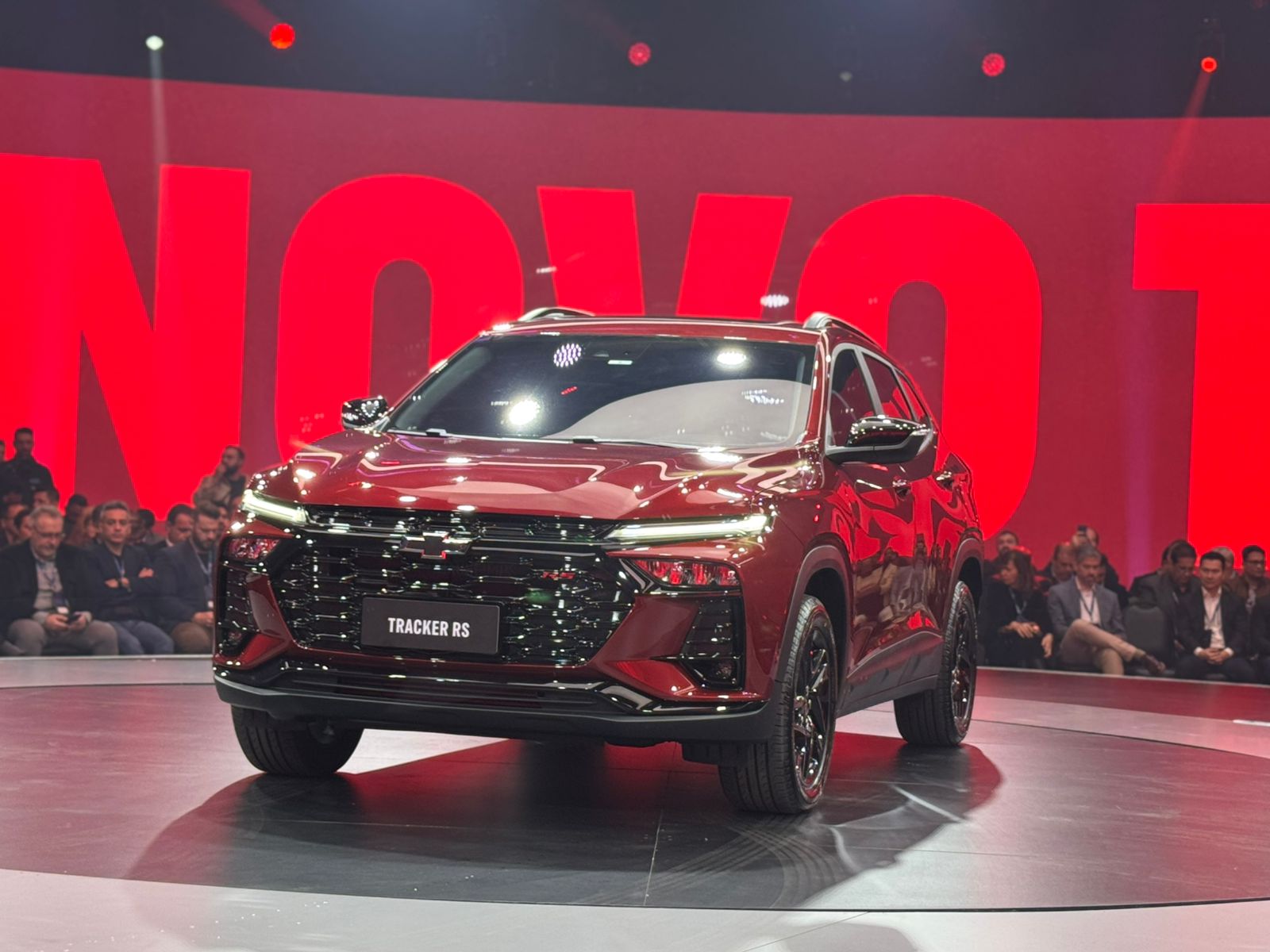


To Make Their Cars More Competitive, The 2026 Chevrolet Onix And The 2026 Chevrolet Tracker Lose Power. Measure Aims To Lower Price
An unusual market strategy is shaking up Chevrolet in Brazil. The measure aims primarily to lower price and to adjust them to the requirements of the “Sustainable Car” program, which offers tax incentives for vehicles with lower consumption and emissions.
This change in the engine altered the power and promises to generate debates between performance and economy.
Chevrolet Onix And Tracker 2026 Lose Power: A Pricing Strategy
The news that the 2026 Chevrolet Onix and the 2026 Chevrolet Tracker lose power to lower price caught the market by surprise.
-
The car stored for 38 years: when opening the barn door, what appears is breathtaking and looks like a scene from a movie!

-
Fiat works miracles in the Brazilian market, lowers the price of its 0 km hatch to R$ 69,990, reestablishes the model as the cheapest car in the country, and reignites the battle against Kwid and C3.
-
Chevette with cooking gas: How the gas cylinder ends up being used in cars clandestinely and why this makeshift solution can result in leaks, explosions, damaged engines, and seized vehicles.

-
Fiat launches the new 2027 Toro hybrid with 48V, 176 hp, an electric motor of 15.5 hp, a 0.85 kWh battery, up to 7% fuel savings, 8% fewer emissions, and possible exemption from IPVA.


Both models, leaders in their respective segments, are key pieces in Chevrolet’s sales strategy in Brazil. The decision to reduce the horsepower of their turbo engines reflects an adaptation to the new economic and regulatory realities of the country.
Previously, the 1.0 turbo engine in the Onix, Onix Plus, and Tracker models delivered 116 hp. Now, this power has been adjusted to 106 hp when fueled with ethanol, representing a decrease of 10 hp.
In the case of the 1.2 turbo engine in the Tracker, which previously generated 133 hp, the new calibration brings it down to 122 hp with ethanol, a reduction of 11 hp. This modification, although it may seem small, has a direct impact on the vehicle’s tax classification and, consequently, on the final price for the consumer.
The main goal is to fit the vehicles into more advantageous Industrialized Products Tax (IPI) brackets, making them more accessible in a high-competition scenario and restricted purchasing power.
Engine Changed The Power: To Meet The Requirements Of The ‘Sustainable Car’ Program
The main reason why the engine changed the power is to meet the requirements of the ‘Sustainable Car’ program. This new government policy aims to encourage the production and sale of more efficient vehicles, with lower fuel consumption and reduced pollutant emissions.
Cars that fit these criteria receive tax benefits, allowing manufacturers to pass this savings onto the final price.
The reduction in power, in this case, does not necessarily mean a drastic loss of performance in daily use for the average consumer. Often, these adjustments are made in the calibration of the engine’s electronic control unit, optimizing the torque and power curve to prioritize efficiency.
However, for drivers seeking maximum performance, the difference may be noticeable.
The “Sustainable Car” program is an important initiative for the country, aiming for a more eco-friendly automotive fleet.
The adaptation of popular models like the 2026 Chevrolet Onix and the 2026 Chevrolet Tracker demonstrates the willingness of manufacturers to align with these new environmental guidelines, even if it implies adjustments to established products.
Impact On Consumers: Lower Price With Less Horsepower
The strategy of having the 2026 Chevrolet Onix and the 2026 Chevrolet Tracker with engines that lose power to lower price raises an interesting debate for Brazilian consumers.
On one hand, the reduction in the final value of the vehicles may boost sales and make the purchase of a new car more viable for a larger number of people. In a price-sensitive market, any decrease in cost can be a competitive differentiator.
On the other hand, some consumers may question whether the loss of power will negatively impact the driving experience, especially in situations such as overtaking on highways or on steep inclines.
Chevrolet, however, bets that the efficiency and cost-effectiveness generated by the new calibration will be more valued by the target audience of these vehicles.
The decision shows how government regulations and market dynamics can directly influence the characteristics of the vehicles offered.
The 2026 Chevrolet Onix and the 2026 Chevrolet Tracker, even with the engine changing power to meet the requirements of the ‘Sustainable Car’ program, will continue to be strong competitors in their segments, now with an even greater appeal in price.









Matéria enganosa e mentirosa, não sei qual o motivo de publicar essa matéria desinformando a população,o carro agora tem 115,5 CV e o torque aumentou de 16.8 para 18.3 só para informar direitinho ok
De que adianta ser turbo se tiram a potência?? Compro aspirado então!!
Se o governo cobrasse imposto único decente e honesto, nunca ninguém compraria essas **** de carros 1.0. Governo não ajuda nada, só atrapalha.