





 Portuguese
  English
  Spanish
  5 min of reading
  0 comments



Return of the Chevrolet Optra Sedan to Egypt Signals Millions Investment, Industrial Expansion and Local Content Strategy to Strengthen Regional Automotive Supply Chain, with Production in 6th of October City and Integration into Government Automotive Sector Development Program.
Chevrolet has placed the Optra name back at the center of its operations in Egypt by starting local production of the sedan at one of the country’s main industrial plants, with an investment package that includes new equipment, quality control technologies, and an increase in workforce.
The move marks the return of a passenger car program associated with the brand in the Egyptian market and is presented by the company as part of a strategy to strengthen local production and suppliers.
Production of the Chevrolet Optra in 6th of October City
The manufacturing takes place at the industrial complex in 6th of October City, located in the metropolitan area of Cairo, an address that General Motors Egypt itself uses as a showcase to demonstrate installed capacity, standardization, and integration of the production chain.
-
A brand new car starts at around R$ 75,000 in Brazil, but what stands out the most is seeing streets filled with SUVs and expensive sedans in a country where millions remain in debt.

-
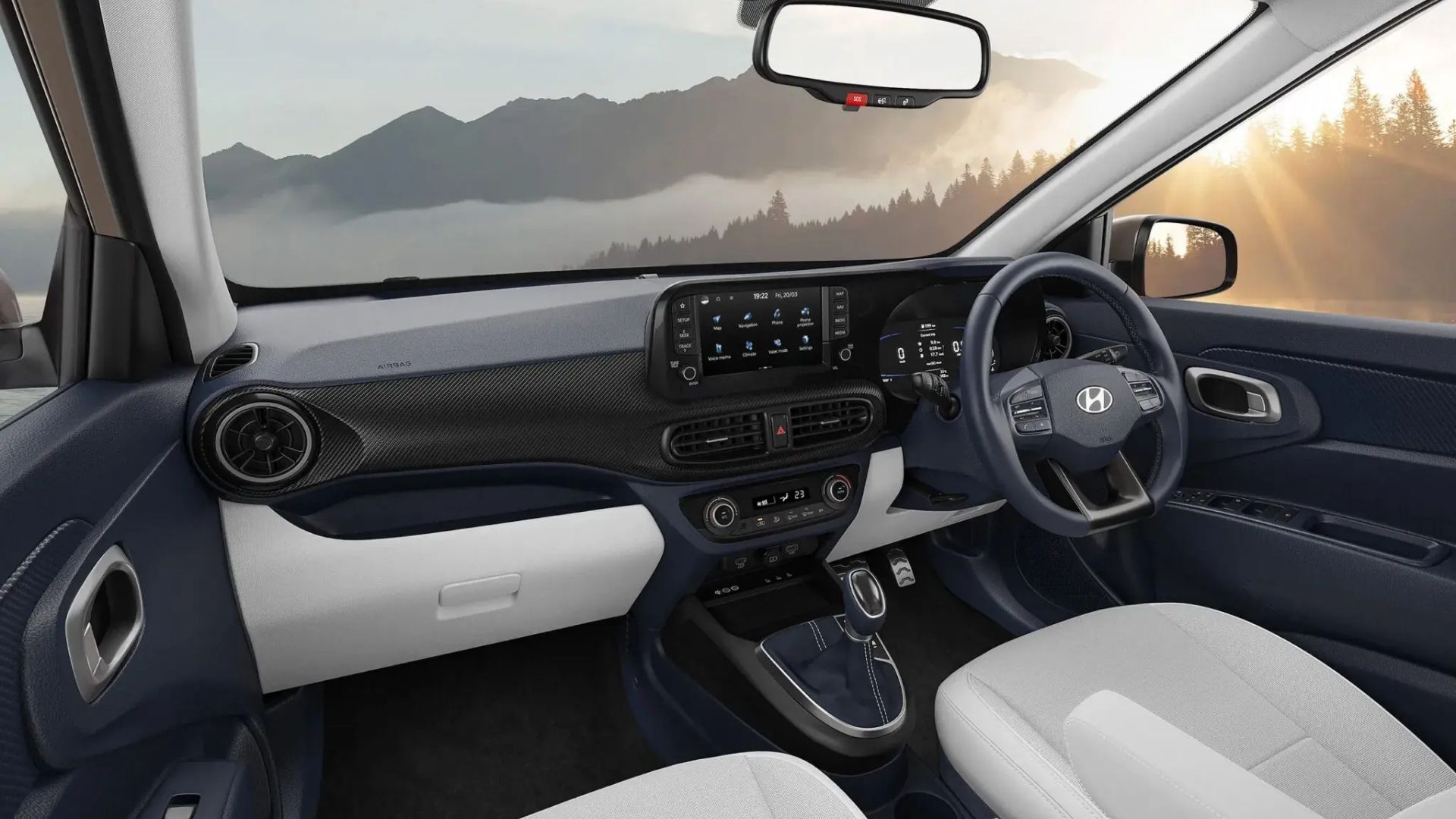
For R$ 32,000, a brand new Hyundai car is a rival to the Kwid with a 1.2 engine producing 82 hp, 6 airbags as standard, multimedia with wireless Android Auto, up to 391 liters in the trunk, and a refreshed look for 2026 in India.
-
He bought a new car in 1983, locked it in the barn in 1988, and no one opened the door for 38 years until the family discovered what was stored inside and realized it looked like something out of a movie.

-
A 250cc motorcycle that can reach 560 km with a 14-liter tank, features disc brakes on both wheels and is among the most well-known in Brazil.

The company states that the Optra is a “mainstream” passenger model designed to meet global quality standards while reflecting local engineering and manufacturing, in an attempt to balance cost, practicality, and maintenance availability in the domestic market.

The announcement of the start of production was made in a corporate statement, in which GM Egypt reported having invested over US$ 20 million to enable the new passenger car program.
According to the company, this package included the addition of equipment and technologies and the implementation of a system of “error-proofing,” a term used by the industry to designate processes and tools designed to reduce assembly failures and increase the consistency of the final product.
Investment of US$ 20 Million and Workforce Expansion
GM Egypt also linked the project to workforce expansion.
According to the company, the manufacturing workforce has been increased by about 30% to support the new program and growth plans.
The public message indicates that the production of the Optra is directly related to goals of strengthening the local automotive ecosystem, such as job creation and consolidation of suppliers, including increasing the use of components produced in the country.
Automotive Industry Development Program (AIDP)
The collaboration with the government appears as one of the project’s pillars.
In the statement, GM Egypt said it has the full support of the Automotive Industry Development Program (AIDP), an industrial policy initiative aimed at developing the automotive sector in Egypt.
The company stated that it was the first to register in the program and described this step as a milestone for the new cycle of passenger car production, in line with official guidelines to stimulate industrialization and local content.

To support the quality discourse, the automaker informed that the Optra underwent validation in global testing laboratories and was subjected to six months of evaluations on Egyptian roads.
The company presented this period as a verification process for adaptation to local driving conditions, treating the testing cycle as a requirement before the arrival of the model at dealerships.
Local Content and Egyptian Suppliers in the Production of the Optra
In addition to the start of vehicle manufacturing, GM Egypt has used the Optra as an example of deepening the localization of parts and the development of suppliers.
In another statement, the company announced the launch of what it called the first passenger car headlight produced locally in Egypt, developed specifically for the Optra in partnership with AKL Auto Feeding Industries.
GM described the new production line as part of an effort to transfer technology and increase local content, highlighting the initiative as a reinforcement of the country’s role in regional automotive manufacturing.
In this same context, the company stated it maintains collaboration with a network of 78 local suppliers, expanding the base of components produced in Egypt and integrated into the final product.
The announcement of the local production of the headlight also mentioned the construction of the industrial line in partnership with technical and commercial teams from GM, justifying it as ensuring that the component meets the global quality standards set by the automaker.

The distribution of the Optra in the country is carried out through Mansour Automotive Company, identified by GM Egypt as its exclusive distributor of Chevrolet in Egypt.
In the official positioning, the model is described as an option aimed at the demand for reliable and economical cars, with an emphasis on efficiency, safety features, and everyday technology, within a value-for-money proposal directed at local consumers.
Although the Optra is a name associated with Chevrolet in different phases and markets, the focus of the Egyptian announcement was not to revive nostalgia but to highlight the industrial aspect of the project.
The corporate communication treated the return of the sedan to the production line as evidence that there is still space for passenger car programs when they are tied to manufacturing, employment, standardization, and increased local content goals, especially in countries seeking to reduce external dependence and strengthen internal productive chains.
If the local production of the Optra is used as a “model” for industrialization and increasing national content, what other passenger cars could become the next target for factories wanting to prove that it is still possible to manufacture competitive sedans outside the major traditional hubs?








-

-

-

-

-

-

154 pessoas reagiram a isso.