





 Portuguese
  English
  Spanish
  5 min of reading
  0 comments


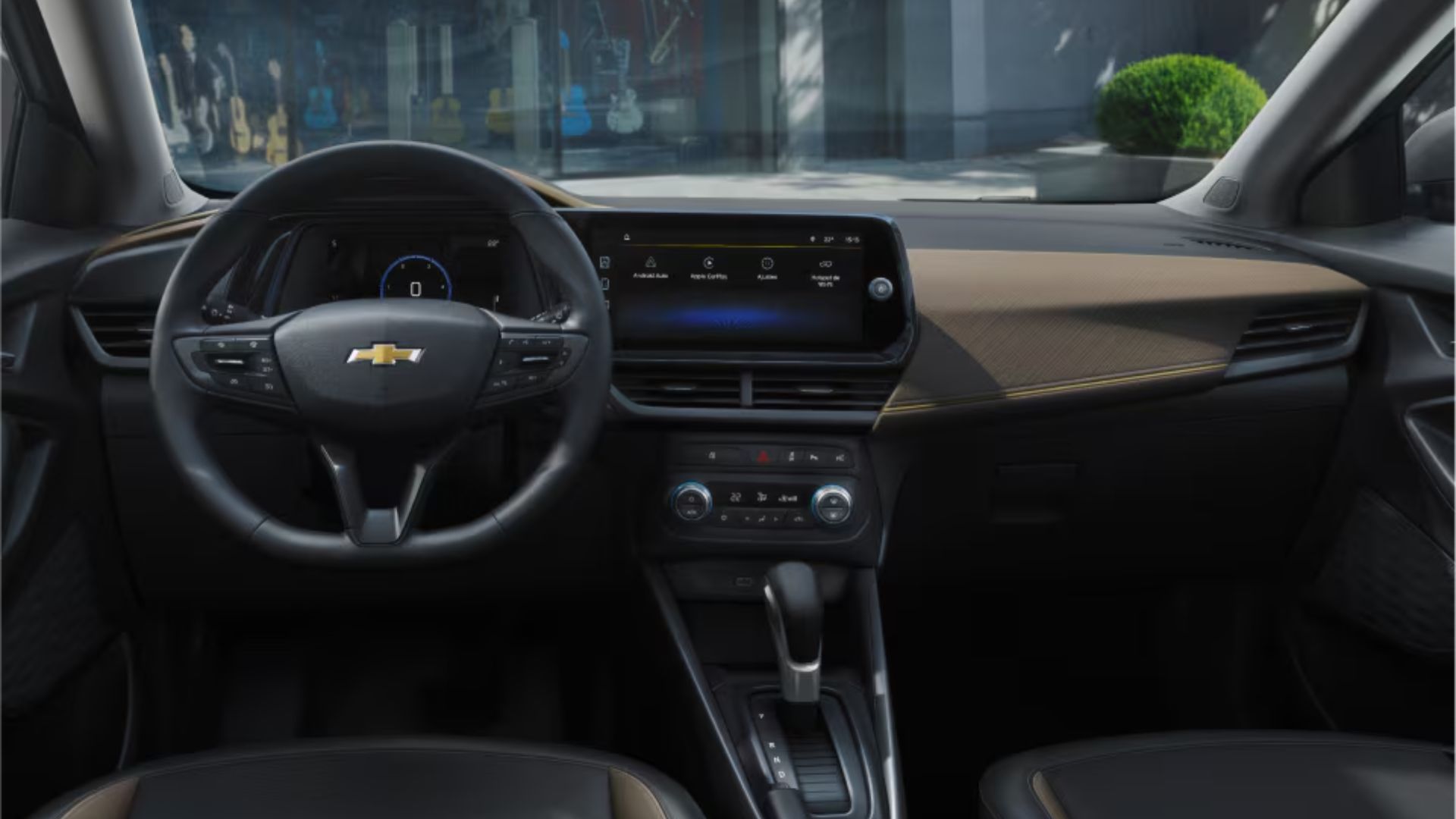
Model Focuses on New Design, Recalibrated Engine and More Technology to Adapt to Brazilian Legislation, Preserving Competitive Price and Efficiency Without Losing Position Among the Best-Selling Compact SUVs in the Country.
The launch of the Chevrolet Tracker 2026 marks a strategic shift for General Motors in Brazil.
The American automaker decided to recalibrate the 1.0 turbo engine of its compact SUV to comply with the new rules of the Sustainable Car Program, established by the federal government.
With this modification, the engine’s power was reduced from 121 hp to 115.5 hp, a measure designed to place the model in a more advantageous tax bracket, avoiding an increase in the final price to consumers.
-
The car stored for 38 years: when opening the barn door, what appears is breathtaking and looks like a scene from a movie!

-
Fiat works miracles in the Brazilian market, lowers the price of its 0 km hatch to R$ 69,990, reestablishes the model as the cheapest car in the country, and reignites the battle against Kwid and C3.
-
Chevette with cooking gas: How the gas cylinder ends up being used in cars clandestinely and why this makeshift solution can result in leaks, explosions, damaged engines, and seized vehicles.

-
Fiat launches the new 2027 Toro hybrid with 48V, 176 hp, an electric motor of 15.5 hp, a 0.85 kWh battery, up to 7% fuel savings, 8% fewer emissions, and possible exemption from IPVA.


The adopted strategy aims to meet the energy efficiency and emissions control criteria required by the Ministry of Development, Industry, Commerce and Services (MDIC), which will begin using a progressive table of rates for the Industrialized Products Tax (IPI) in 2025.
According to the program, more powerful vehicles pay higher taxes, directly penalizing cars above certain power thresholds.
In the case of the Tracker 2026, the reduction to 115.5 hp puts the SUV at the exact limit of the range that does not add any rate to the base IPI, set at 6.3%. If it had kept the 121 hp, the rate would increase to 7.05%.

Renewed Design and Advanced Virtual Cockpit
The new model stands out not only for the adjustments in the engine.
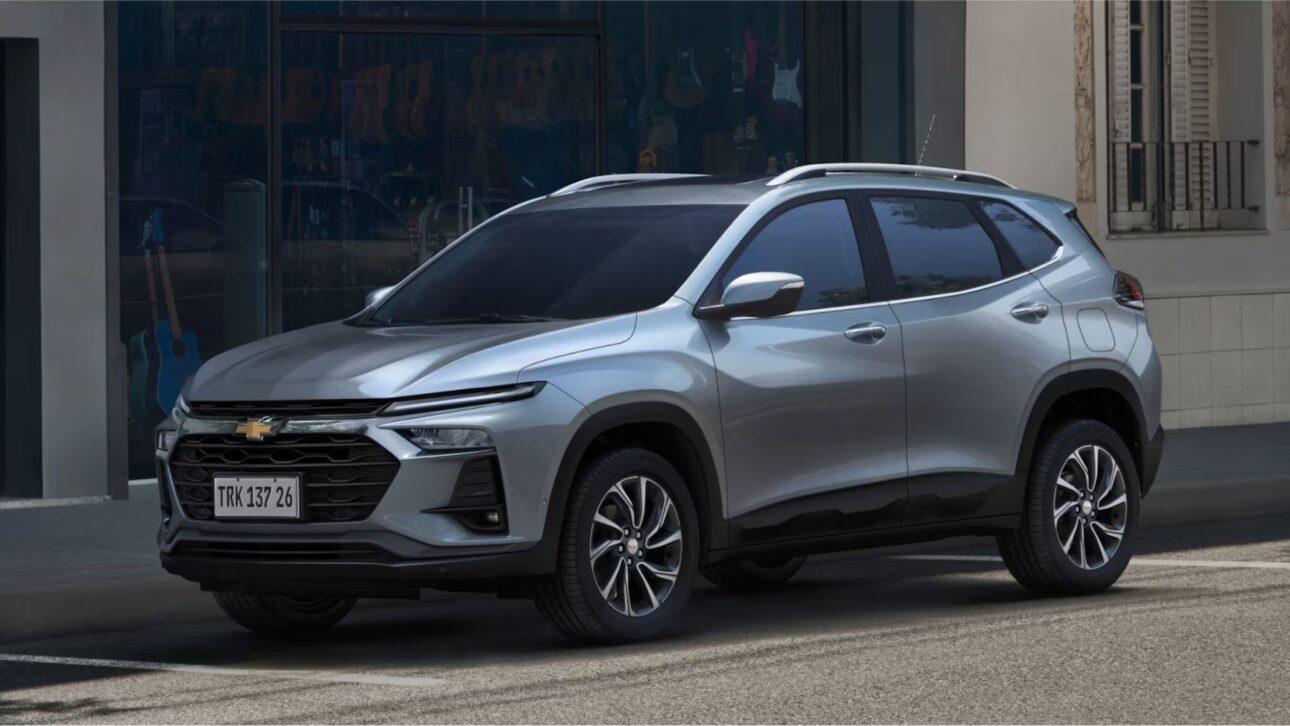
In terms of design, the Chevrolet Tracker 2026 features a completely redesigned front, with dual-level LED headlights, trapezoidal front grille, and bumpers equipped with aerodynamic air intakes.
The rear lights now feature crystal lenses, while the wheels received new designs across all versions.
The vehicle measures 4.3 meters in length, with a width of 1.79 meters, and the trunk maintains a capacity of 393 liters.
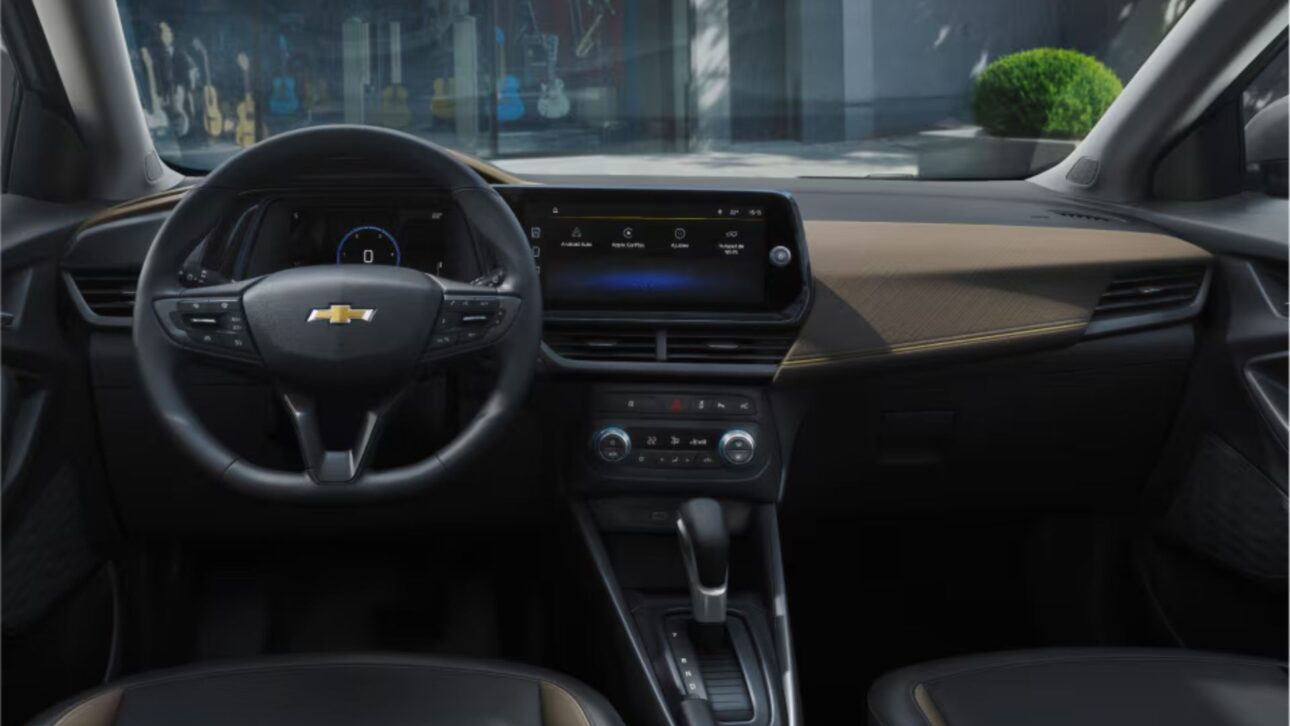
Inside, the highlight is the virtual cockpit, available from the LT version, consisting of two integrated screens: one 8 inches for the instrument panel and another 11 inches dedicated to the MyLink multimedia system.
The new MyLink offers faster navigation, native Wi-Fi, and wireless smartphone connectivity.
The seats have been redesigned with foams of different densities to provide more comfort and ergonomics.
The interior finish varies according to the version: dark tones prevail in the entry-level configurations, while the Premier version opts for beige details.
The RS version stands out for its sporty appeal, featuring red accents.
Mechanical Adjustments and Energy Efficiency
Regarding dynamics, Chevrolet made adjustments to the electric steering and suspension system, in addition to upgrading the tires to prioritize comfort and energy efficiency.
The steering system has been refined, focusing on delivering more precision and lightness, while the suspension received new calibrators to better absorb the irregularities of Brazilian terrain.
In terms of engine options, the Chevrolet Tracker 2026 maintains two main options: 1.0 Turbo Flex engine and 1.2 Turbo Flex engine, both paired with a six-speed automatic transmission.
According to data released by the manufacturer, the 1.0 turbo engine promises consumption of up to 13.8 km/l on the highway using gasoline.
The 1.2 turbo engine, which retains 141 hp of power, accelerates from 0 to 100 km/h in 10.6 seconds, according to official information.
Both engines feature direct injection and have received new calibrations to ensure greater efficiency and quicker responses to the accelerator pedal.
Versions, Prices and Equipment of the New Tracker 2026
In the compact SUV segment, the 2026 lineup offers a varied range of versions and prices, aiming to meet different consumer profiles.
The Chevrolet Tracker 1.0 Turbo AT starts at R$ 119.990 and includes features like electric steering, air conditioning, six airbags, traction and stability control, hill start assist, LED headlights, and an 8-inch multimedia center with Android Auto and Apple CarPlay wirelessly.
Among the safety equipment, are the Isofix, Top Tether, and parking sensors.
The LT Turbo AT version, priced at R$ 154.090, adds 8-inch digital panel, black roof rack, rearview camera, diamond-finished wheels, and an upgraded sound system.
The LTZ Turbo AT configuration, sold for R$ 169.490, offers partially leather seats, digital air conditioning, exclusive alloy wheels, tire pressure monitoring, front collision alert with emergency braking, blind spot alert, and LED rear lights.
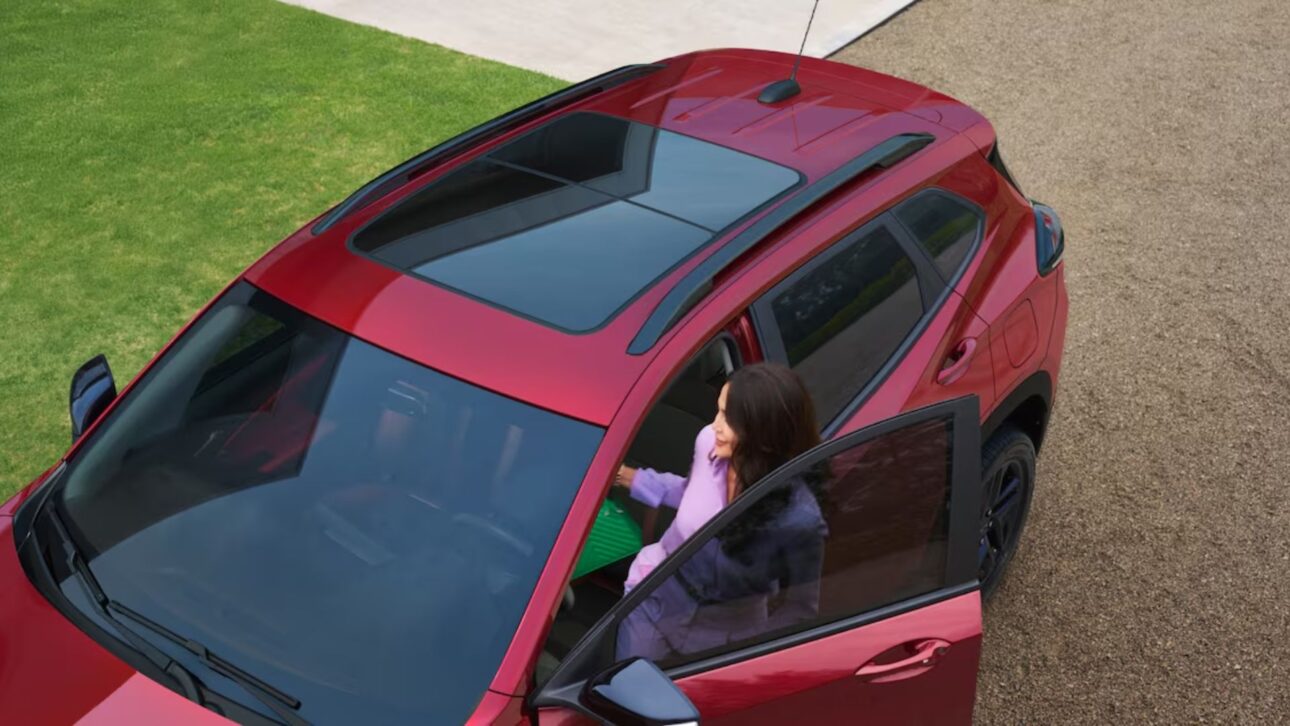
The top-of-the-line Premier 1.2 AT Turbo 2026 costs R$ 189.590 and adds panoramic sunroof, wireless phone charger, automatic parking system, black and beige leather finish, rain sensors, diamond wheels, and Easy Park system.
The RS 1.2 AT Turbo 2026 (R$ 190.590) focuses on a sporty look, with glossy black wheels and accents, and red tones in the interior, featuring the same equipment as the Premier version.
To mark the centenary of Chevrolet in Brazil, a special edition named “100 Years” will also be released, although the automaker has yet to detail the specifics of this configuration.
All versions are offered in colors such as Summit White, Shark Silver, Black Ouro Negro, Scarlet Red, Boreal Blue, and Rush Gray, except for the RS, which does not have all these options in the catalog.
New Tax and Impact on the SUV Segment
The adjustment of power in the 1.0 turbo engine is a direct reflection of the new guidelines from the Brazilian government, which have been impacting the entire automotive industry since June 2025.
The goal of the measure is to encourage the production of more efficient and economical vehicles, aligned with international standards of sustainability and emissions.
With this, General Motors believes that the new Tracker 2026 will stand out not only for its design and technology but mainly for fuel efficiency and cost-effectiveness against direct competition, such as Hyundai Creta, Volkswagen T-Cross, and Honda HR-V.
Market and Positioning of the Chevrolet Tracker 2026
With all the changes made, the Chevrolet Tracker 2026 aims to maintain its leadership position among the best-selling compact SUVs in Brazil, focusing on technology, comfort, and efficiency to attract new consumers.
It remains to be seen whether the reduction in power, motivated by the new tax, will influence public perception of performance or be compensated by lower fuel consumption and maintenance of competitive prices.
Do you believe that the new tax standards for cars in Brazil will encourage more automakers to adopt strategies similar to Chevrolet’s with the Tracker 2026?











Seja o primeiro a reagir!