





 Portuguese
  English
  Spanish
  2 min of reading


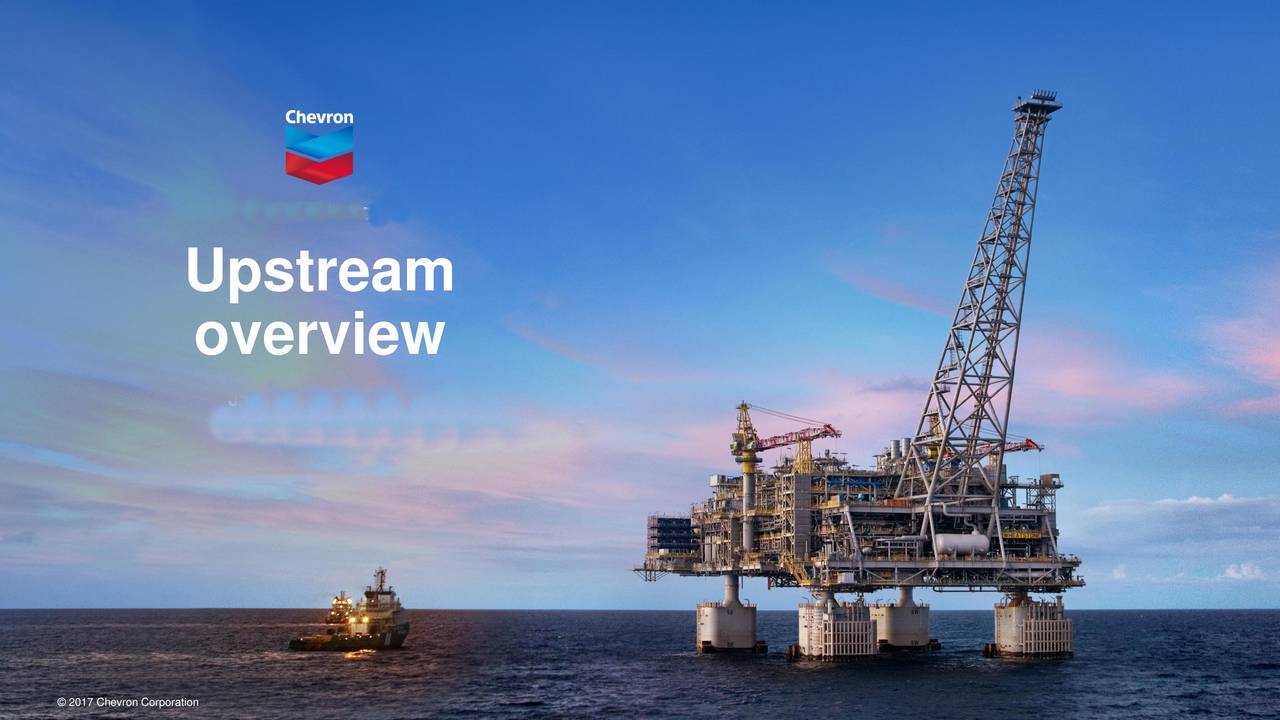
Chemron Announced a Capex of US$ 20 Billion for 2019, Marking a First Increase in Budget After Reducing Investment for Four Consecutive Years. The Budget for 2018 Was US$ 18.3 Billion
Of the US$ 20 billion, Chevron, headquartered in California, plans to spend US$ 17.3 billion on its Upstream businesses, of which US$ 7.6 billion in the US Upstream and US$ 9.7 billion in International Upstream. In the upstream business, approximately US$ 10.4 billion is estimated to sustain and grow currently producing assets, including US$ 3.6 billion for the Permian and US$ 1.6 billion for other more conservative investments.
Approximately US$ 5.1 billion of the upstream program is planned for large ongoing capital projects, including US$ 4.3 billion associated with the Future Growth Project in the Tengiz field in Kazakhstan.
Global exploration funding is expected to be around US$ 1.3 billion. Remaining spending will go to early-phase projects supporting future developments.
-
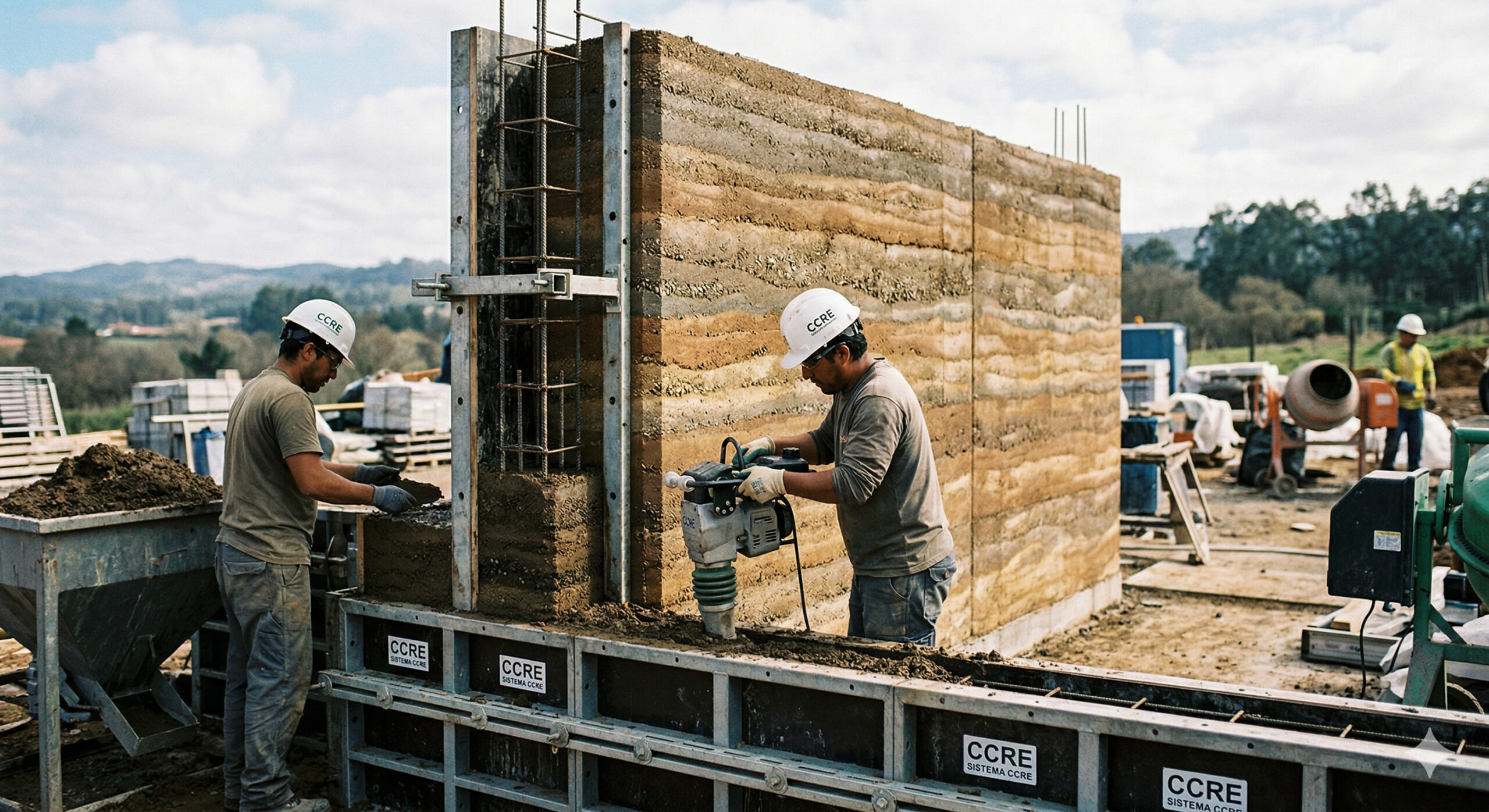
Without cement, without steel, and using only earth and recycled cardboard, engineers have created a construction system that drastically reduces carbon emissions and could change the way houses are built around the world.
-
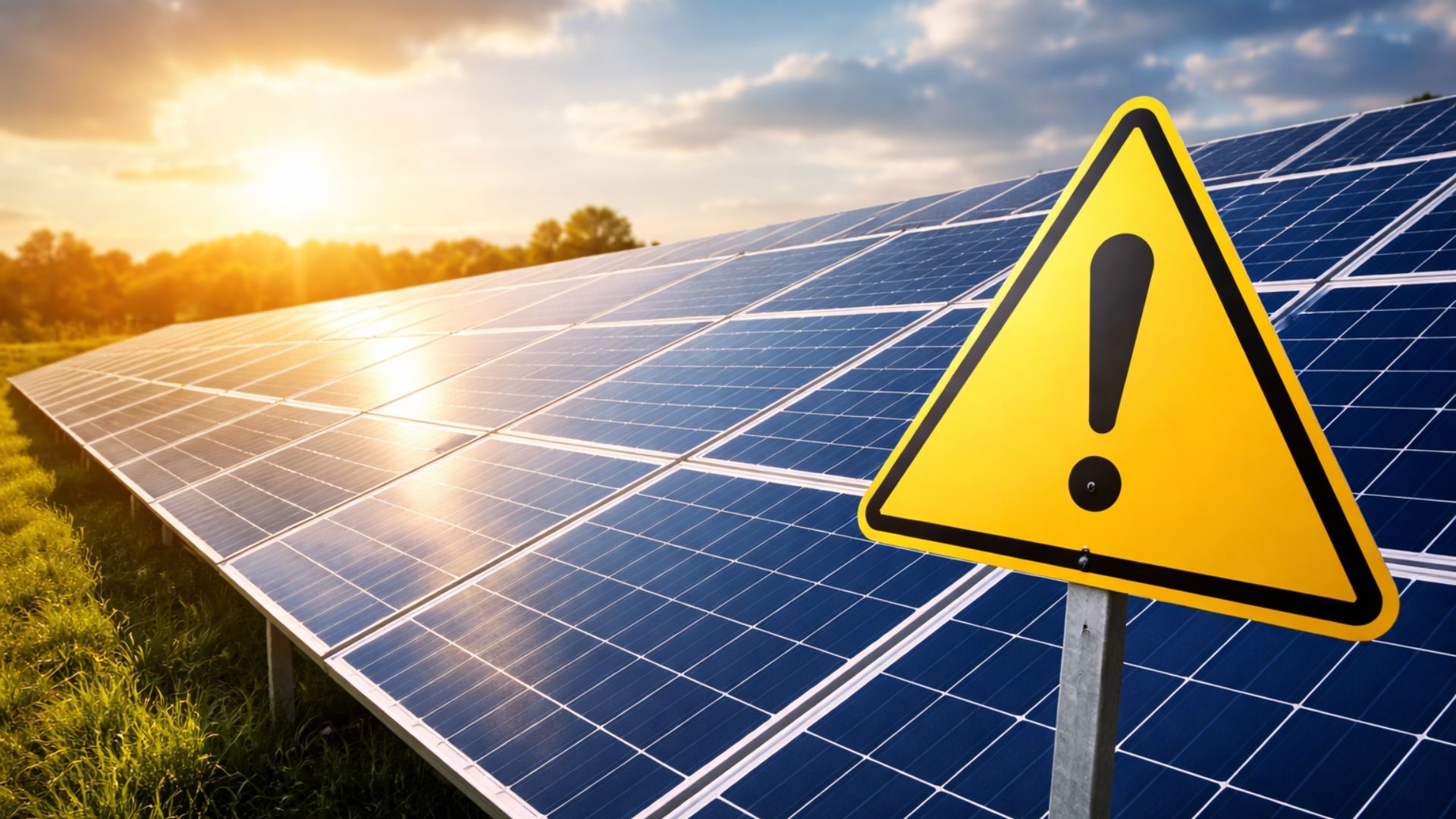
Alert in the electric sector: excess solar energy triggers overload in the Brazilian electrical system, forces the operator to shut down power plants, and exposes an unexpected risk that could affect stability and energy costs.
-
Russia spent $5 billion and 28 years modernizing a nuclear warship that had been inactive since 1997. The Admiral Nakhimov returned to the sea in August 2025 as the heaviest surface combat ship in the world, with 176 missile launchers, including hypersonic Zircon missiles.

-
James Webb finds 300 galaxies with mysterious scars, and this discovery may show that the universe was born much more violently than astronomers had imagined.

President and CEO Michael K. Wirth: “Our 2019 budget supports a robust portfolio of upstream and downstream investments, highlighted by our world-class position in the Permian Basin, additional shale and disciplined development in other basins, and our major capital project in TCO in Kazakhstan,”
“Our investments are anchored in high-return short-cycle projects, with more than two-thirds of projected spending aimed at generating cash flow within two years.”
Wirth continued: “We expect to continue generating steady production growth, enabling ongoing free cash flow to sustain our strong dividend and share repurchase program.”
Approximately US$ 2.5 billion in planned capital spending is associated with the company’s downstream businesses, which refine, market, and transport fuels and manufacture and distribute lubricants, additives, and petrochemical products.









Seja o primeiro a reagir!