





 Portuguese
  English
  Spanish
  3 min of reading
  0 comments


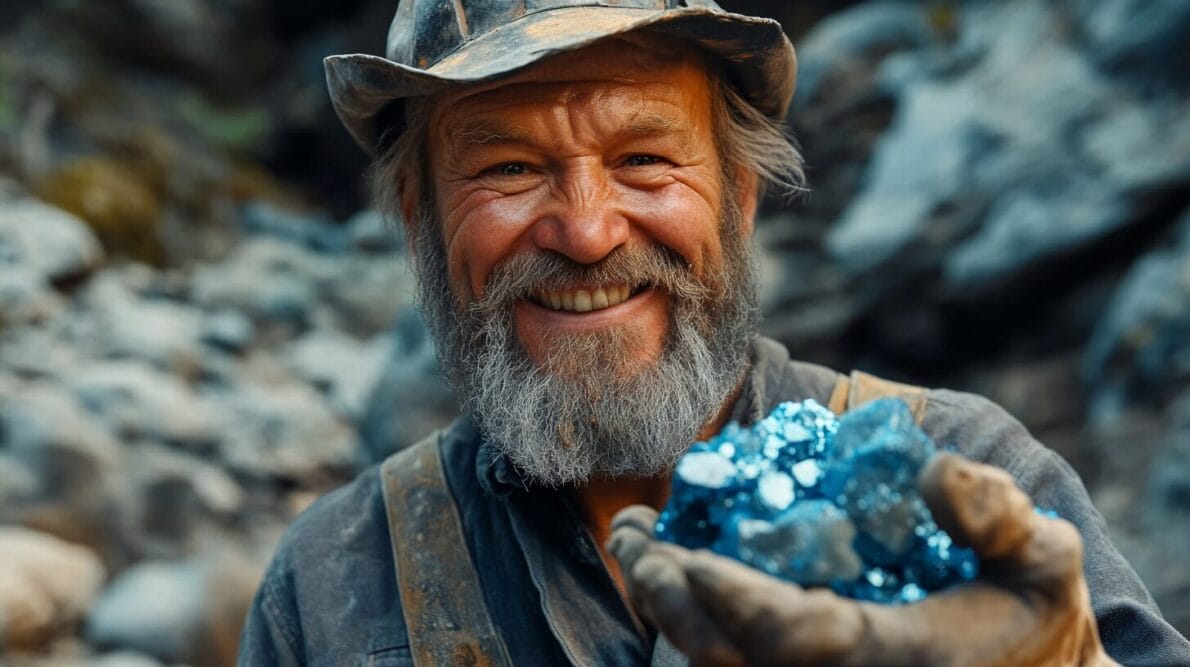
Chile Aims to Establish Itself as the Second Largest Cobalt Producer in the World, Just Behind the Democratic Republic of the Congo!
With the catchy nickname of “blue gold”, cobalt is essential in technology and electric mobility, and now Chile has decided to leverage its abundance of this metal to become a global reference. Government and Universidad Andrés Bello (UNAB) estimates indicate that the country has the potential to produce around 15,000 tons of cobalt per year, using innovative and sustainable techniques to mine the metal essential for the production of batteries and electronic devices, according to the website ign.
What Makes Cobalt So Special?
Cobalt is already known as “blue gold” because of its color and strategic value. It is widely used in the production of rechargeable batteries, electronics, and, more recently, as one of the foundations for electric mobility. In a world that bets on less polluting transportation and technologies, cobalt is practically indispensable. However, its value is not only environmental: the global cobalt market is growing at an accelerated pace, jumping from US$ 8.5 billion in 2021 and projected to nearly US$ 25 billion by 2030.
Global leadership in cobalt extraction still lies with the Democratic Republic of the Congo, which dominates the market, producing around 130,000 tons per year. But Chile, which has extensive experience in the mining sector, is determined to increase its production and aim for second place, overtaking Indonesia and other nations.
-
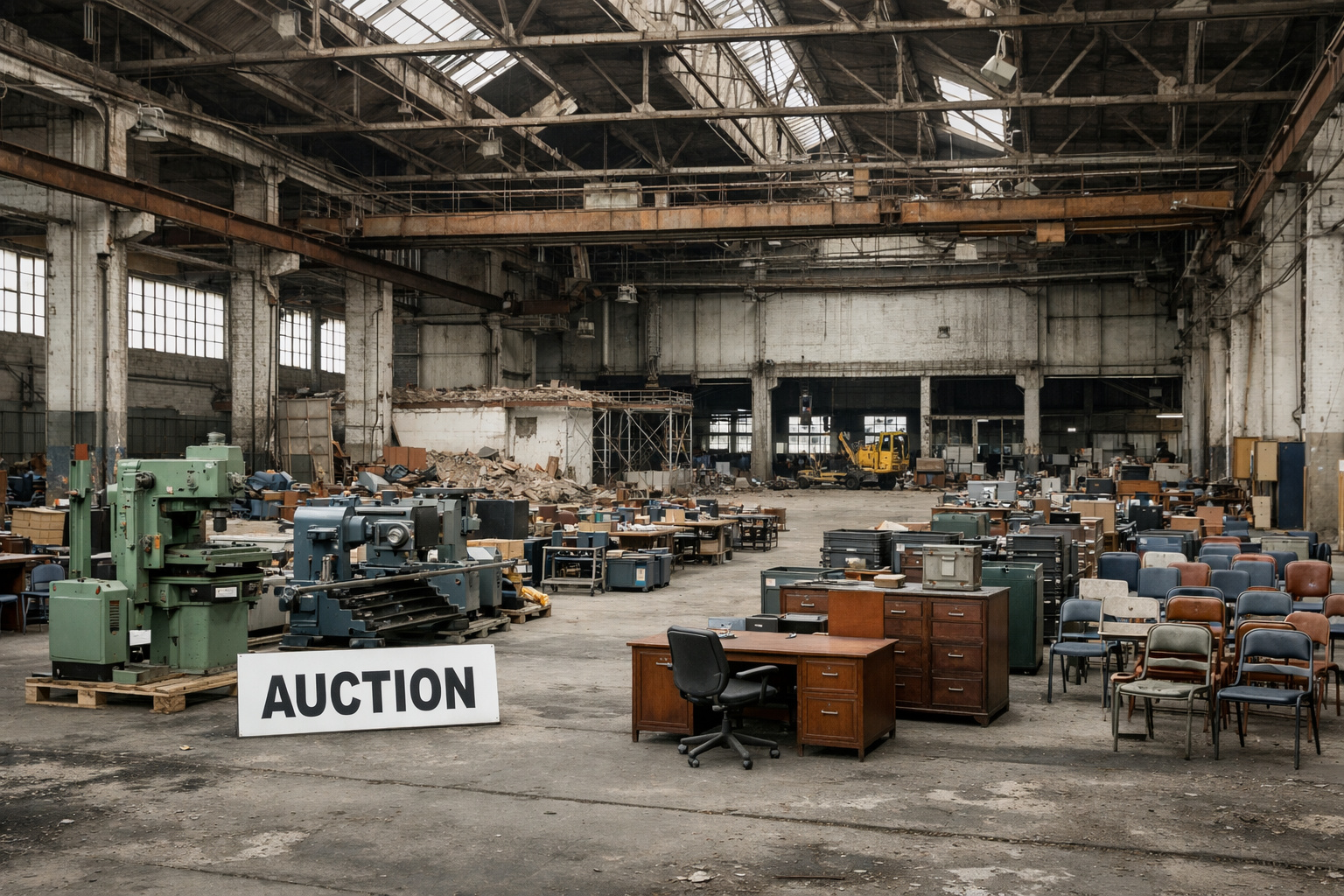
Historic bankruptcy of Centauro shocks the market, and the century-old company puts more than 500,000 products, machines, and complete infrastructure up for online auction.
-
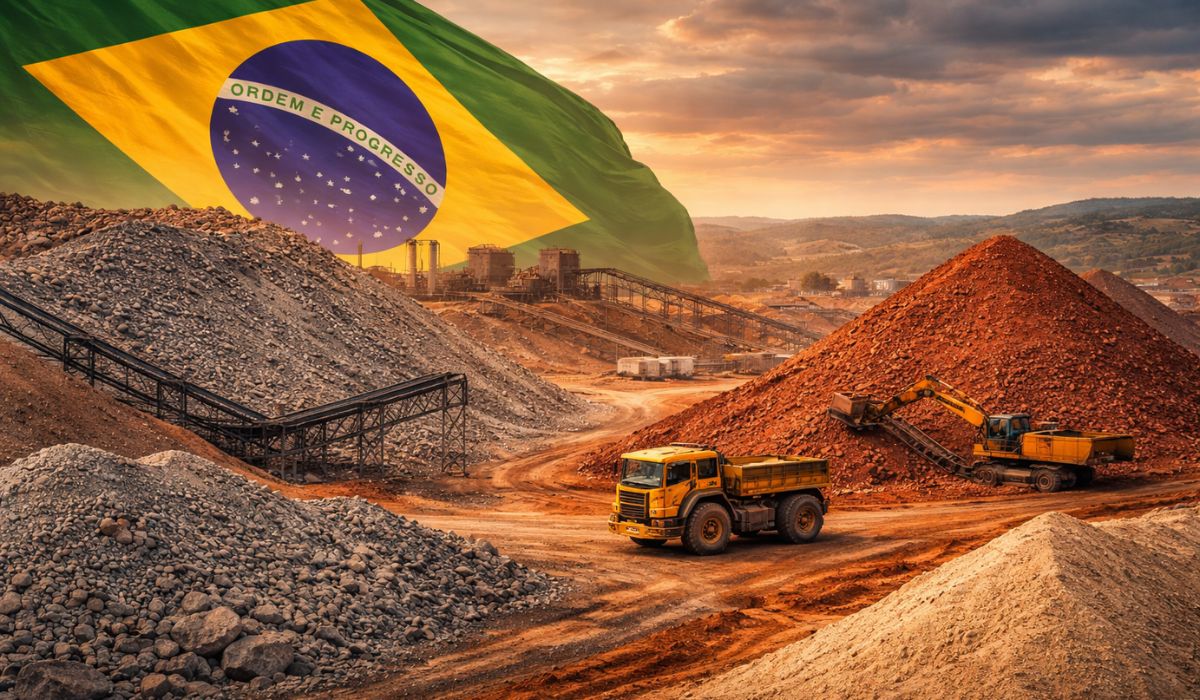
Brazil extracts 26.3 million tons of ore from what was previously treated as waste, transforming residues into wealth, producing over 3 million tons of sand, and demonstrating how national mining is relearning to generate value.
-
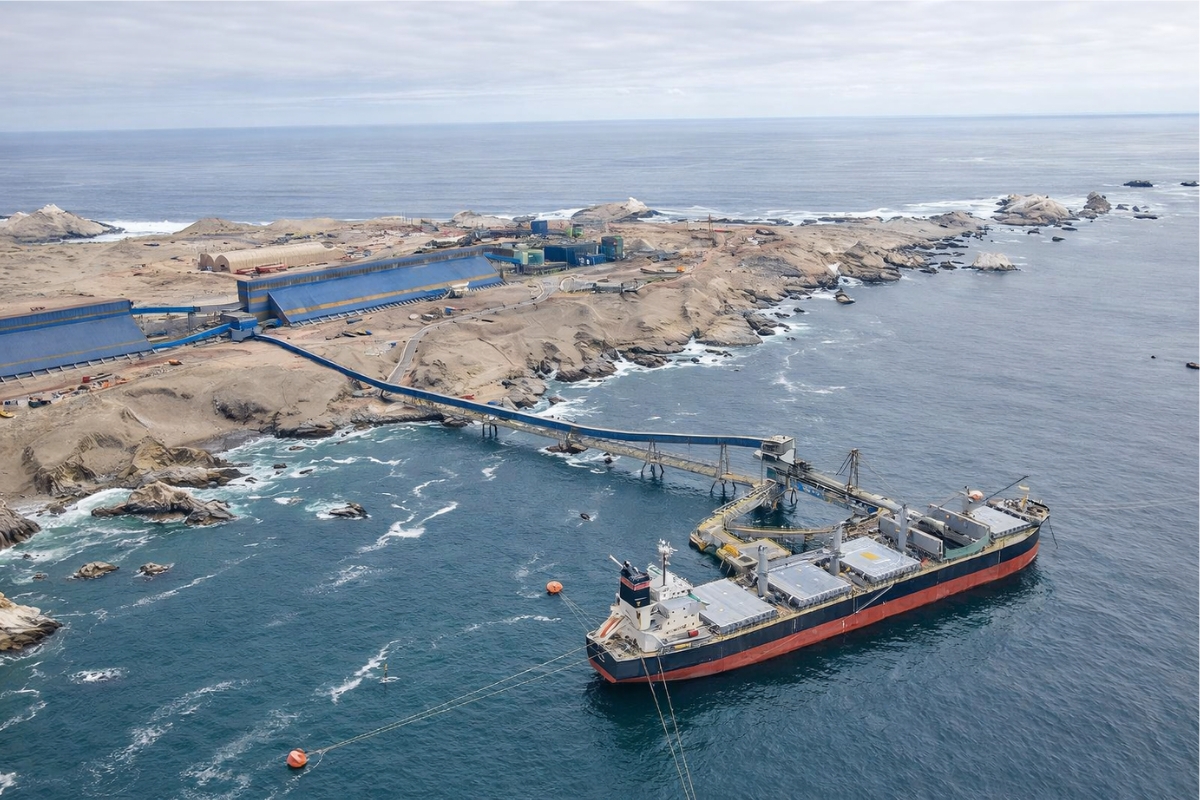
A $3.5 billion megaproject in Latin America pumps desalinated seawater at 1,050 liters per second over 194 km to keep a copper supermine in the Andes operational for another 20 years.
-
New shoe factory in Ceará is expected to create 400 jobs and strengthen the local economy.

The Chilean Race for “Blue Gold”
Recent research in Chile shows that the country has large volumes of cobalt in the waste from copper and nickel mining, especially in the Atacama and Coquimbo regions. Thus, the plan is to advance in recovering this metal directly from the tailings. According to Pilar Parada, director of the Biotechnology Systems Center at UNAB, “by only utilizing cobalt from the tailings, Chile could achieve second place globally.” This ambitious goal will be made possible thanks to a partnership between UNAB, the University of Chile, and the National Agency for Research and Development of Chile (ANID), which have together launched a project to recover cobalt from the tailings using state-of-the-art biotechnology.
The proposed method is innovative and has sustainable appeal. According to Parada, the process uses bacteria to eliminate pyrite, a mineral that oxidizes upon contact with water and contaminates the soil. Thus, besides extracting cobalt, environmental risk and the impact of waste are reduced.
From “Blue Gold” to “Green Cobalt”
The Chilean project is not just about expanding production; it is about a vision for a sustainable future. With the application of biotechnology, the idea is for Chile to produce “green” cobalt – cobalt extracted with less environmental impact that contributes to the country’s prosperity responsibly. “We are talking about an opportunity to transform mining into something clean and with a social purpose,” explains Parada. With around 764 mining tailings deposits scattered throughout Chile, many of them located in rich areas like Atacama and Coquimbo, the country sees a promising future for the sector.
This progress represents an important step for Chilean mining, which is already a reference in copper extraction. Now, the country seeks to diversify its mineral offerings and meet the growing market for electric mobility and low-carbon technologies.




Seja o primeiro a reagir!