





 Portuguese
  English
  Spanish
  4 min of reading
  0 comments


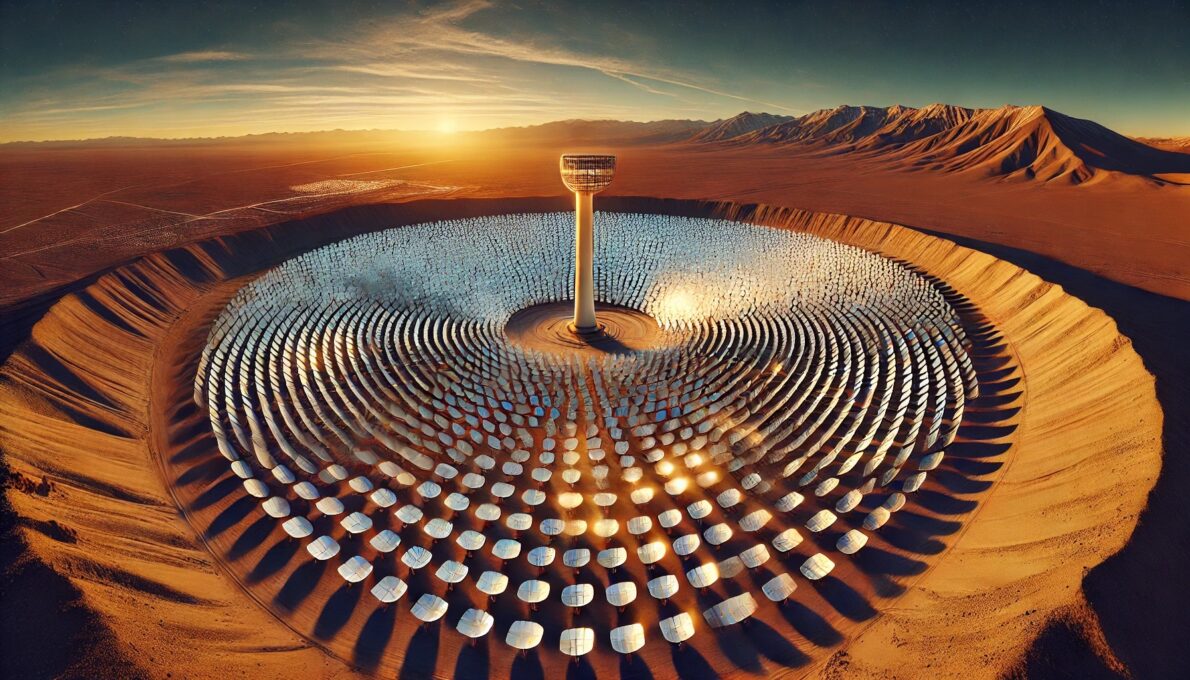
Chile Invests in Molten Salt Energy Storage Technology That Promises to Transform Green Electricity Generation.
Chile is at the forefront of an energy revolution that promises to transform the future of renewable energy. In the heart of the Atacama Desert, where the sun shines brightly and winds are constant, an innovative technology is being tested: the use of molten salt as a medium for energy storage. This solution could be the key to overcoming one of the biggest challenges of renewable energy: the efficient and safe storage of energy to ensure a continuous supply, even during periods without sun or wind.
What Is Molten Salt and How Does It Store Energy
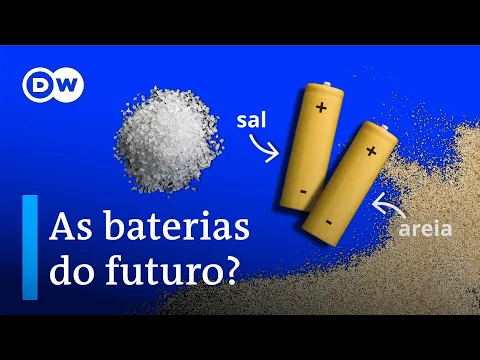

The molten salt is a material composed of a mixture of inorganic salts, usually sodium nitrate and potassium nitrate, which, when heated to high temperatures, transforms into a dense liquid that is highly efficient for storing heat.
This property makes molten salt an ideal solution for thermal energy storage systems, where the stored heat can be used to generate electricity, even in the absence of sunlight or wind.
-
The Brazilian state accelerates industrial competitiveness with a focus on the extraction of strategic minerals to boost the energy transition in Goiás.

-
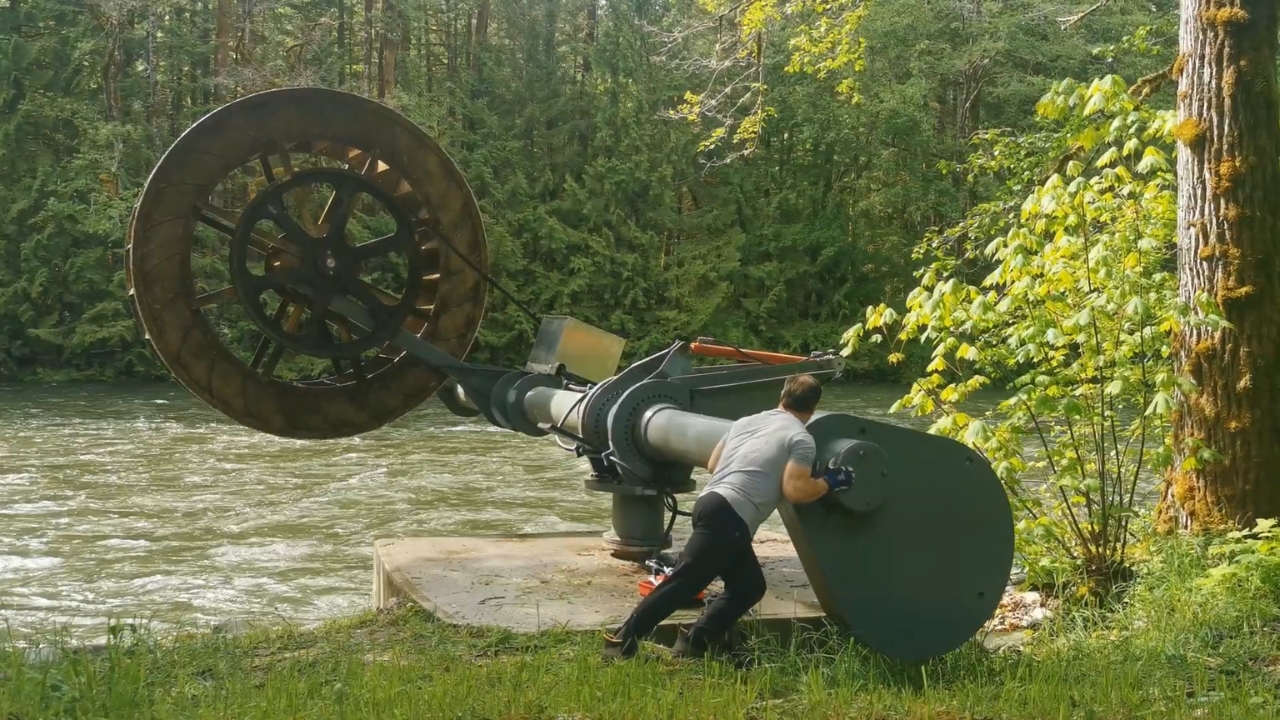
A Canadian retiree creates a hydroelectric system on a real river, generating energy continuously throughout the day and demonstrating how the power of water can supply a house with stability even in a simple structure.
-
Petrobras reaffirms its commitment to the market and ensures that it will carry out the energy transition safely to maintain national sovereignty.

-
Researchers discover a possible hydrogen deposit of up to 46 million tons beneath an ancient coal basin, and the volume could exceed half of the entire global production.

The Atacama Desert, in western Chile, is home to the Cerro Dominador plant, where an innovative experiment using this material is underway. With the aid of 10,600 giant mirrors, sunlight is concentrated and directed to the top of a central tower.
The intense light heats the molten salt to temperatures above 500°C, allowing this solution to store heat for long periods. When needed, the stored heat is used to generate electricity, ensuring a continuous supply of energy, even at night or on cloudy days.
A Solution for Intermittency of Solar and Wind Sources
This storage technology represents a breakthrough for renewable energy, as it offers a solution to the intermittency of solar and wind sources.
Molten salt, unlike other materials, does not vaporize at high temperatures and can retain energy for weeks, or even months, in well-insulated tanks. This makes it possible for the turbines at the Cerro Dominador plant to operate 24 hours a day, 7 days a week, without directly relying on the constant presence of sunlight or wind.
Chile Uses Molten Salt in Response to Challenges Faced by Renewable Energy
The use of molten salt in Chile is a response to the challenges that renewable energy sources face today. Although they are clean and abundant, the main limitation of these sources is the difficulty of storage. Without an efficient way to store the generated energy, excess production on sunny or windy days can be wasted.
Molten salt comes into play as an effective solution to this problem, functioning as a “thermal battery” that can store large amounts of energy for future use.
Researchers at Antofagasta University are working to optimize the mixture of salts used in this process. Currently, the most common formula is “solar salt,” composed of sodium nitrate and potassium nitrate, which has a high heat storage capacity.
However, there are still challenges to overcome, such as the corrosiveness of the salts and the durability of the materials used in tanks and piping. Research continues to improve the efficiency and longevity of this technology, which already shows promise.
The Potential of Chile as a Leader in Renewable Energy
Chile has a unique combination of natural conditions and technological advancements that position it as a potential leader in the global renewable energy market. The intense sun of the Atacama Desert and the energy storage capacity provided by molten salt create a conducive environment for large-scale clean and sustainable energy production.

This model of energy production and storage not only offers a solution for Chile but can also be replicated in other regions of the world. Countries with high solar or wind incidence can benefit from this technology, using molten salt to store energy and ensure a continuous supply.
Additionally, the use of renewable energy and the development of storage technologies like this are crucial for the production of green hydrogen, which is seen as the fuel of the future by the European Union.
Chile Wastes Part of the Renewable Energy Produced
Despite the advancements, there are still challenges to overcome for Chile to harness the full potential of renewable energy. Currently, between 10% and 20% of the renewable energy produced in the country is wasted due to the lack of capacity in the transmission grid. The current infrastructure is insufficient to handle the large amount of energy generated, and investments are needed to modernize and expand the grid.
The corrosiveness of the salts used for energy storage is a problem that requires new solutions. More corrosion-resistant materials and more efficient thermal insulation technologies are active areas of research that can enhance the feasibility and durability of molten salt storage systems.
However, the opportunities are immense. If Chile can overcome these challenges, it could become an exporter of technology and knowledge in renewable energy, contributing to the global energy transition. The Cerro Dominador model can serve as inspiration for other countries, demonstrating that it is possible to store and utilize renewable energy effectively and continuously.










Seja o primeiro a reagir!