





 Portuguese
  English
  Spanish
  3 min of reading
  0 comments


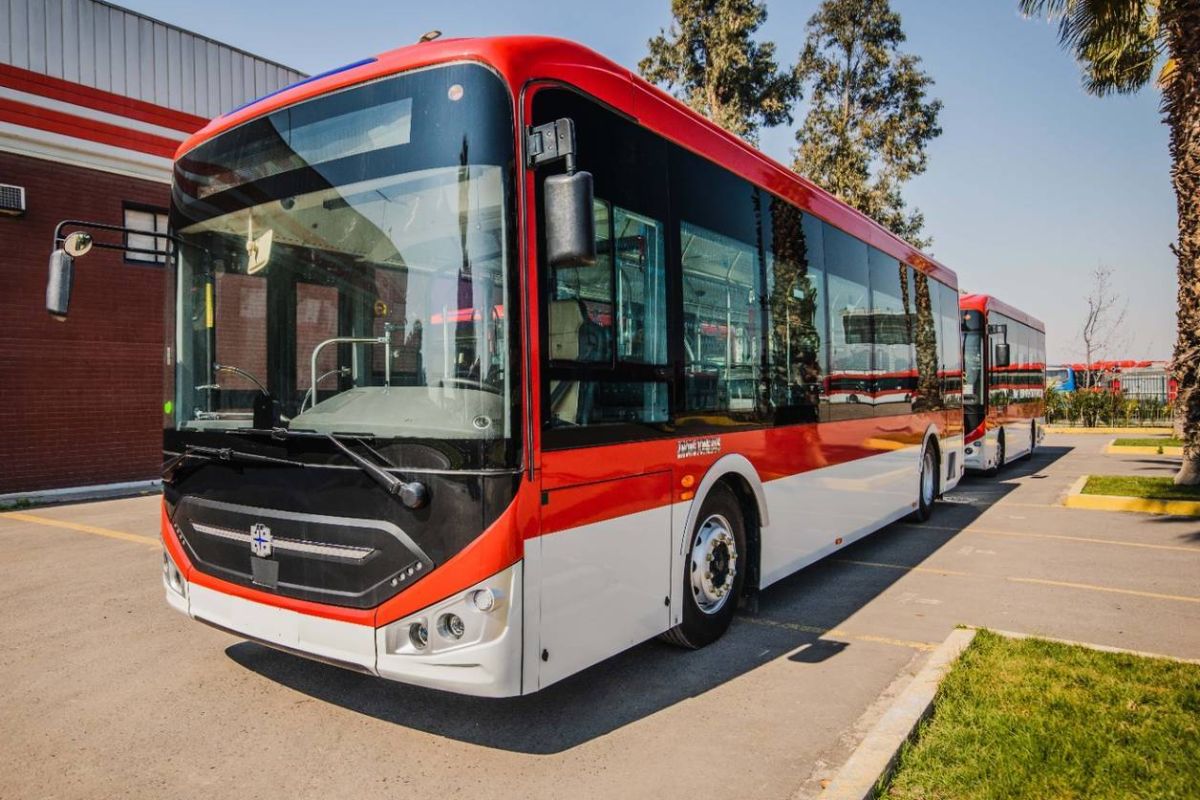
With electric buses, Red Movilidad reduces 80% of PM2.5, cuts noise by up to 64% on Alameda, saves more than 60 million liters of diesel, and aims for 4,400 units by March 2026
Electric buses already dominate most public transport in the Metropolitan Region of Chile. Red Movilidad has reached 4,088 electric buses in operation, which means that 62% of the total fleet now uses zero-emission technology.
The leap of electric buses transforms Santiago into an international reference case. According to the director of the Metropolitan Public Transport Department, Paola Tapia, Santiago has the largest fleet of electric buses among cities outside of China, with direct effects on air quality, noise, and diesel consumption.
Santiago becomes a global showcase with electric buses at scale
The milestone of 4,088 electric buses in circulation places Chile among the world leaders in zero-emission public transport.
-
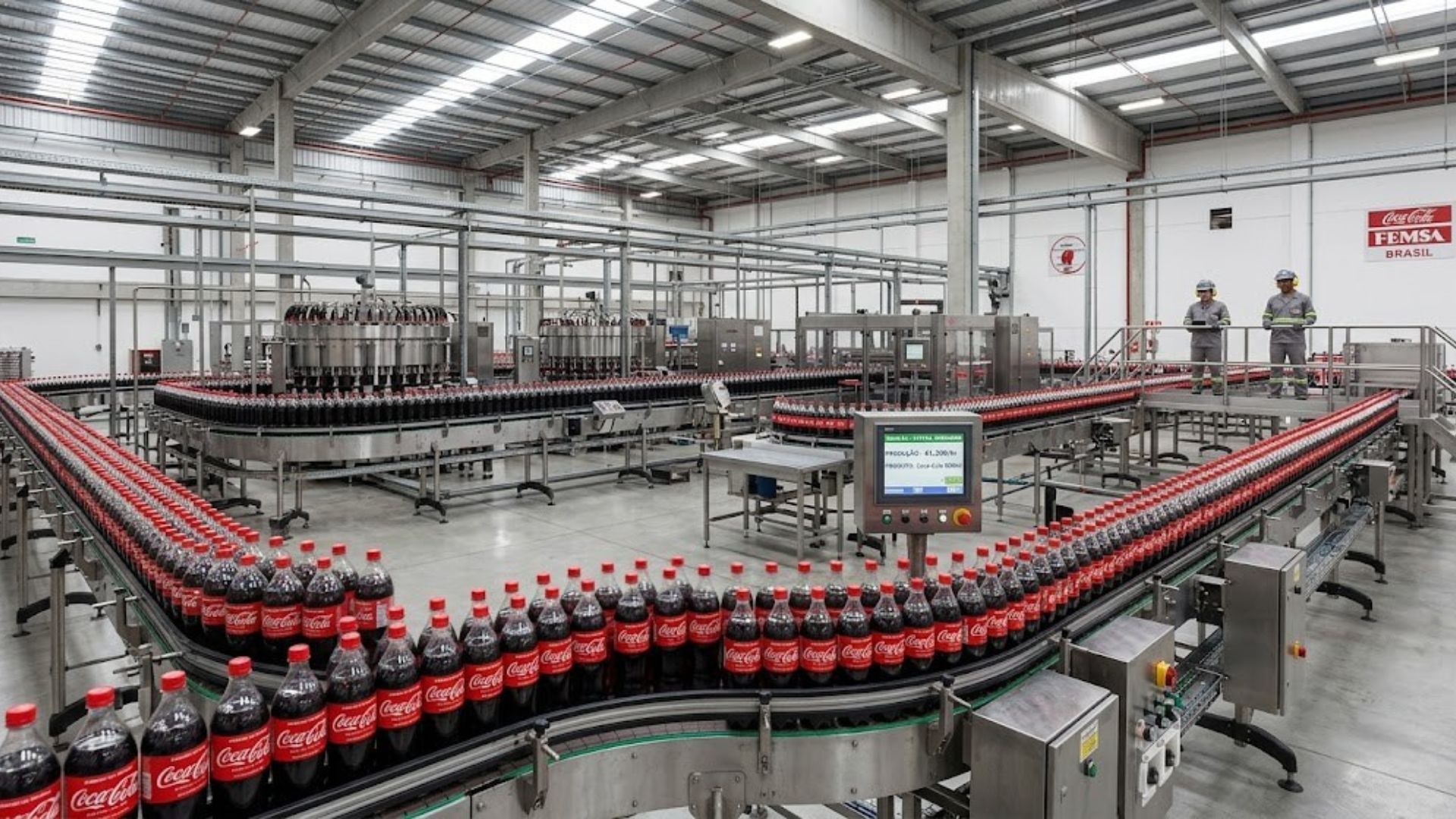
Coca-Cola with less water: groundbreaking technology comes to life with the help of BNDES with an investment of R$ 102 million in a factory that promises to reduce water usage by 10%, energy consumption by 15%, and costs by 35.5%.
-
The president of Colombia defended Brazil’s Pix, publicly requested that the system be brought to his country, and criticized the United States for using financial sanctions as a tool for political control in the world.

-
INSS reveals when it will make payments in April; find out when the benefit will be deposited into your account.

-
The geopolitical dispute over the minerals that drive the global energy transition has reached Brazil: the United States wants direct access to the reserves, India has already struck a deal, and Lula is racing to centralize decisions before the states negotiate on their own.

The change is not just numerical: it repositions the city as a real laboratory for operation, maintenance, and large-scale fleet expansion.
Besides the environmental impact, their expansion also affects the perception of public transport, as the fleet incorporates standards of comfort and accessibility that tend to enhance the passenger experience.
Reduction of pollution and noise with electric buses
The adoption is fundamentally associated with well-defined environmental and urban results. Among the main indicators cited are:
Reduction of 80% in fine particulate emissions (PM2.5)
Reduction of up to 64% in ambient noise along Avenida Alameda in Santiago
Saving of more than 60 million liters of diesel
In practice, electric buses tackle two common problems in large cities at the same time: air pollution and noise pollution, in addition to reducing dependence on fossil fuel in the daily operation of the system.
Goal of 4,400 electric buses by March 2026
With new incorporations from different operating companies, the Metropolitan Public Transport Department projects to meet the goal of 4,400 electric buses by March 2026.
If the objective is achieved, electric buses would represent 68% of the total fleet, further increasing the prevalence of zero-emission technology in the metropolitan system.
Fencer buses enter the system and expand coverage
Among the new acquisitions are the “Fencer” buses from the company Vule. The base reports that 300 units are already in operation and that another 150 will be added in the coming days.
The expansion with these electric buses has been directed to municipalities such as Maipú, Cerrillos, Estación Central, and Quilicura, reinforcing the strategy to distribute the fleet in areas with high demand and need for service modernization.
Comfort and accessibility become standard in buses
The “Fencer” buses are described as having a capacity for approximately 90 passengers, with 28 seated and 63 standing, and a package of features aimed at intense urban operation.
Among the cited items are: easy access, security cameras, universal accessibility with ramps and preferential spaces, in addition to amenities such as USB ports at seats, efficient air conditioning, and non-slip flooring.
This set reinforces a shift in standards: electric buses are now associated not only with zero emissions but also with comfort, safety, and inclusion.
The accelerated growth since 2022 shows a change in scale
The base indicates a contrast that helps to gauge the pace: in March 2022, Red Movilidad had 779 electric buses. Today, with 4,088, the system has transitioned from a limited experience to a structured network.
In municipalities such as Puente Alto, La Cisterna, and Lo Espejo, high-standard zero-emission electric buses are in circulation, equipped with features like air conditioning, USB chargers, and Wi-Fi, indicating that modernization has not been concentrated in a single corridor.
Beyond Santiago and the 100% electric fleet in Copiapó
The advancement is also seen outside the central core. There are already 271 in operation in the outskirts of Santiago, covering 11 regions of Chile, showing that the transition is beginning to spread beyond the capital.
Another cited milestone is regional: the first 100% electric fleet in South America operates in Copiapó, with 121 buses, consolidating an example of total electrification of public transport in a city.
In your opinion, will electric buses become standard in large cities in Latin America in the coming years, or will cost and infrastructure still hold back this transition?







Seja o primeiro a reagir!