





 Português
  Inglês
  Espanhol
  4 min de leitura
  0 comentários


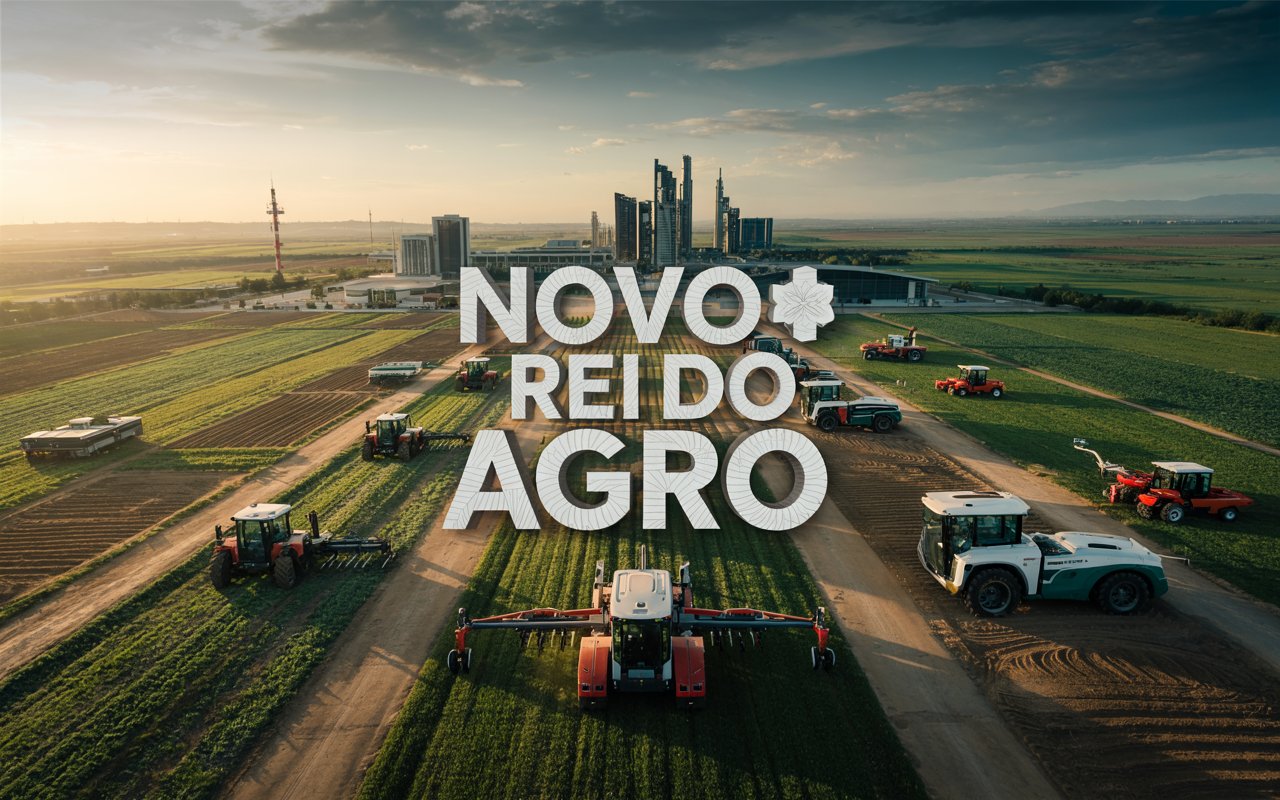
With Cutting-Edge Technology, Modern Irrigation, and Precision Agriculture, China Prepares for the Largest Agricultural Transformation in the World and Could Impact Even the Global Grain Market in a Quiet Race for Food Sovereignty and Rural Innovation.
The Chinese Agricultural Plan Aims to Convert 90 Million Hectares by 2030 and Reduce Import Dependence with the Help of Technology and Precision Agriculture
China Has Taken Another Bold Step to Ensure Its Food Security: the government of the Asian country announced the conversion of 90 million hectares into high-standard agricultural land by 2030.
The goal is part of a strategic plan recently disclosed by the State Council of China and primarily aims to <strongReinforce National Grain Production, reducing vulnerability to imports and global geopolitical tensions.
-
The world’s first octopus farm wants to open in the Canary Islands and is already provoking an international reaction: the plan aims to produce 3,000 tons per year.

-
Drought may be creating stronger superbugs in the soil and helping antibiotic resistance reach hospitals, warns a study highlighting a problem that could grow alongside extreme weather.

-
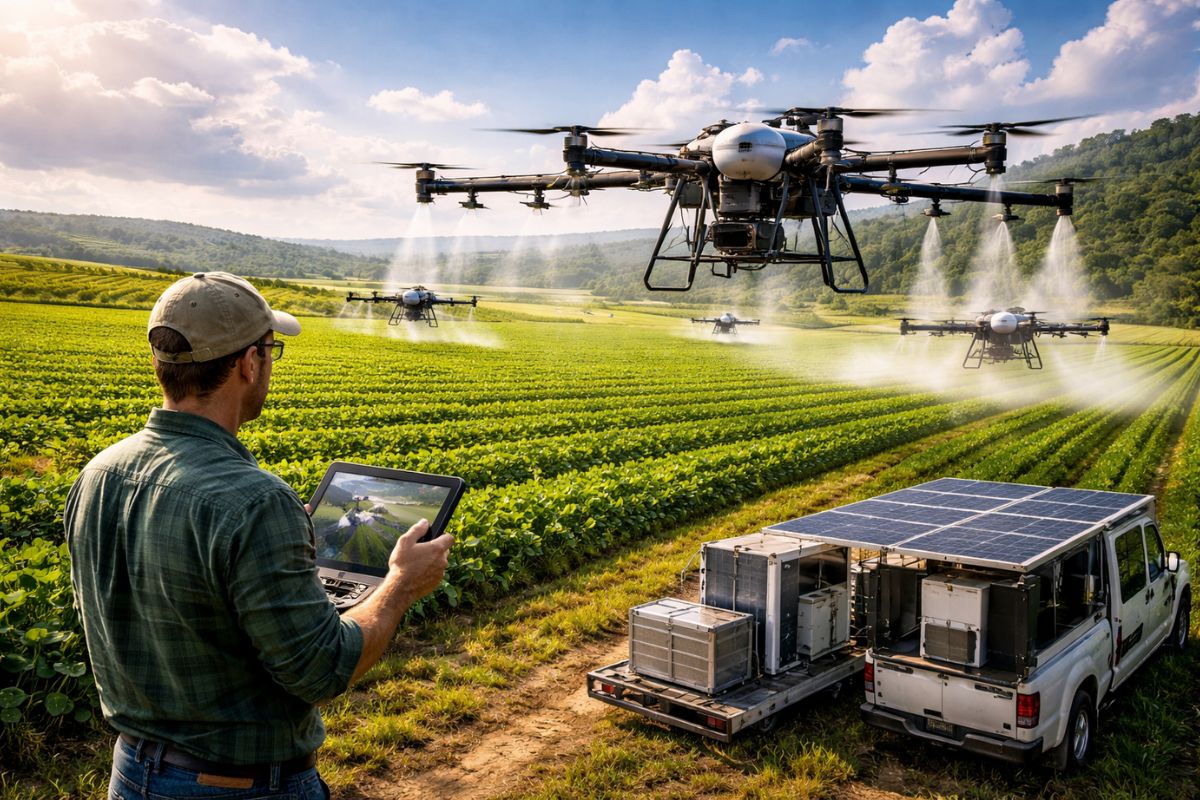
Alone, the producer applies 7,400 hectares with the T100 drone in an optimized structure, replaces the generator with a silent battery, and demonstrates how technology reduces costs, increases productivity, and even challenges the uniport in the field.
-
The biggest scam in history: Napoleon’s France deceived the United States by selling them a territory that was Spanish.


According to the official statement, the project aims to transform areas considered priorities for food stability, with modern infrastructure, high productivity, and the ability to withstand extreme weather events such as prolonged droughts or severe flooding.
Field Modernization Is a Priority Until 2030
The ambitious goal includes converting 1.35 billion mu (a Chinese measure equivalent to about 90 million hectares) by the end of the decade.
Additionally, the government intends that, by 2035, all so-called “eligible permanent basic agricultural lands” be fully adapted to agricultural excellence standards.
These areas have legal protection against non-agricultural uses and are viewed as essential for maintaining a stable and secure food production flow.
This movement is part of a broader strategy to reverse the historical decline of arable land in China, which has been recorded in recent years.
What Defines High-Standard Agricultural Land?
According to the Compre Rural portal, in the Chinese plan, high-standard lands are those that have structural and technological resources capable of ensuring high productivity with sustainability. The basic characteristics of these areas include:
- Modern Irrigation Systems
- Disaster Control Mechanisms
- Soil with Enhanced Quality and Fertility
- Digital Management Based on Technologies Such as Precision Agriculture and Artificial Intelligence
This robust structure allows for greater efficiency in production, less resource waste, and lower climate risk, while significantly reducing external food dependency.
Results Are Already Beginning to Appear
China’s grain production Reached a New Record in 2024: 706.5 Million Tons, a 1.6% Increase Compared to the Previous Year.
This data is a direct indication of the positive impact that investments in structured agricultural lands are already bringing to the sector.
Since 2021, the country has observed a net increase in the total area of agricultural lands, reversing a trend of contraction that worried experts.
According to the State Council, by the end of 2024, more than 1 billion mu – equivalent to 66.6 million hectares – had already been converted.
Technology Will Be an Ally of Chinese Agriculture
The Chinese government has Launched a Five-Year Plan (2024-2028) to Promote So-Called Smart Agriculture.
The project involves the widespread adoption of technologies such as big data, agricultural GPS, soil sensors, drones, and artificial intelligence.
These tools are expected to improve crop monitoring, anticipate risks, optimize natural resources, and generate data for more accurate decisions in the field.
This digitalization is seen as an essential pillar to sustain the growth of food production in the country and achieve the goal of food self-sufficiency.
Regional Examples: Xinjiang Leads the Way
One of the regions that has advanced the most in the conversion of lands is Xinjiang, located in northwest China.
By the End of 2022, About 3.34 Million Hectares Had Already Been Transformed into High-Standard Agricultural Lands, Representing Nearly 47.4% of the Local Arable Areas.
The Region Stands Out for Its Rapid Adoption of Technologies and Has Already Shown Considerable Gains in Productivity and Resilience to Weather Events.
The Experience of Xinjiang Serves as a Model for Other Provinces in the Country.
Food Security as a National Strategy
Concerns About Food Security Have Intensified in China in Recent Years, Especially in Light of the Unstable Global Geopolitical Climate and the Impact of Climate Change.
The Government’s Plan, Besides Transforming Cultivable Areas, Also Aligns with Other Actions, Such as Strengthening Strategic Grain Reserves, Investing in Agricultural Biotechnology, and Encouraging Small and Medium-Sized Farms.
China Has Already Established a Minimum Limit of 124.33 Million Hectares of Arable Land – an Important Mark to Ensure That Even with Modernization, the Country Continues to Maintain Its Solid Productive Base.
The Irrigation Infrastructure is Also Impressive: More Than 10 Million Kilometers of Networks Have Been Built Across the Country, Ensuring Water Supply Even in Drier Areas.
Global Impact and a Message to the Market
Experts Believe That the Project Could Redesign the Global Agricultural Production Landscape, Especially Since China Is One of the Largest Grain Buyers in the World, Such as Soybeans and Corn.
With Greater Internal Production Capacity, the Country Is Likely to Reduce Its Presence as an Importer in the International Market, Which May Impact Exporting Economies, Including Brazil.
On the Other Hand, the Implementation of Advanced Agricultural Technologies and Sustainable Practices Could Open New Doors for International Strategic Partnerships, Especially in the Exchange of Knowledge and Innovation in the Sector.
Chinese Agriculture Shows That the Future Has Already Begun
With Clear Goals, Defined Deadlines, and Focus on Technology, China Demonstrates That It Is Determined to Achieve Large-Scale Food Self-Sufficiency.
The Transformation of 90 Million Hectares into High-Standard Agricultural Lands Represents a Historic Turning Point in the Way the Country Approaches Its Relationship with Food Production.
The Combination of Modern Physical Infrastructure and Digital Tools Places Chinese Agriculture on a New Level of Competitiveness and Resilience.
While the World Watches, China Plants the Seeds of Its Own Agricultural Future.
And You, Do You Believe That Brazil Could Follow a Similar Model of Modernization and Agricultural Expansion, Focusing on Technology and Sustainability? Share Your Opinion in the Comments!








Seja o primeiro a reagir!