





 Portuguese
  English
  Spanish
  4 min of reading
  1 comment


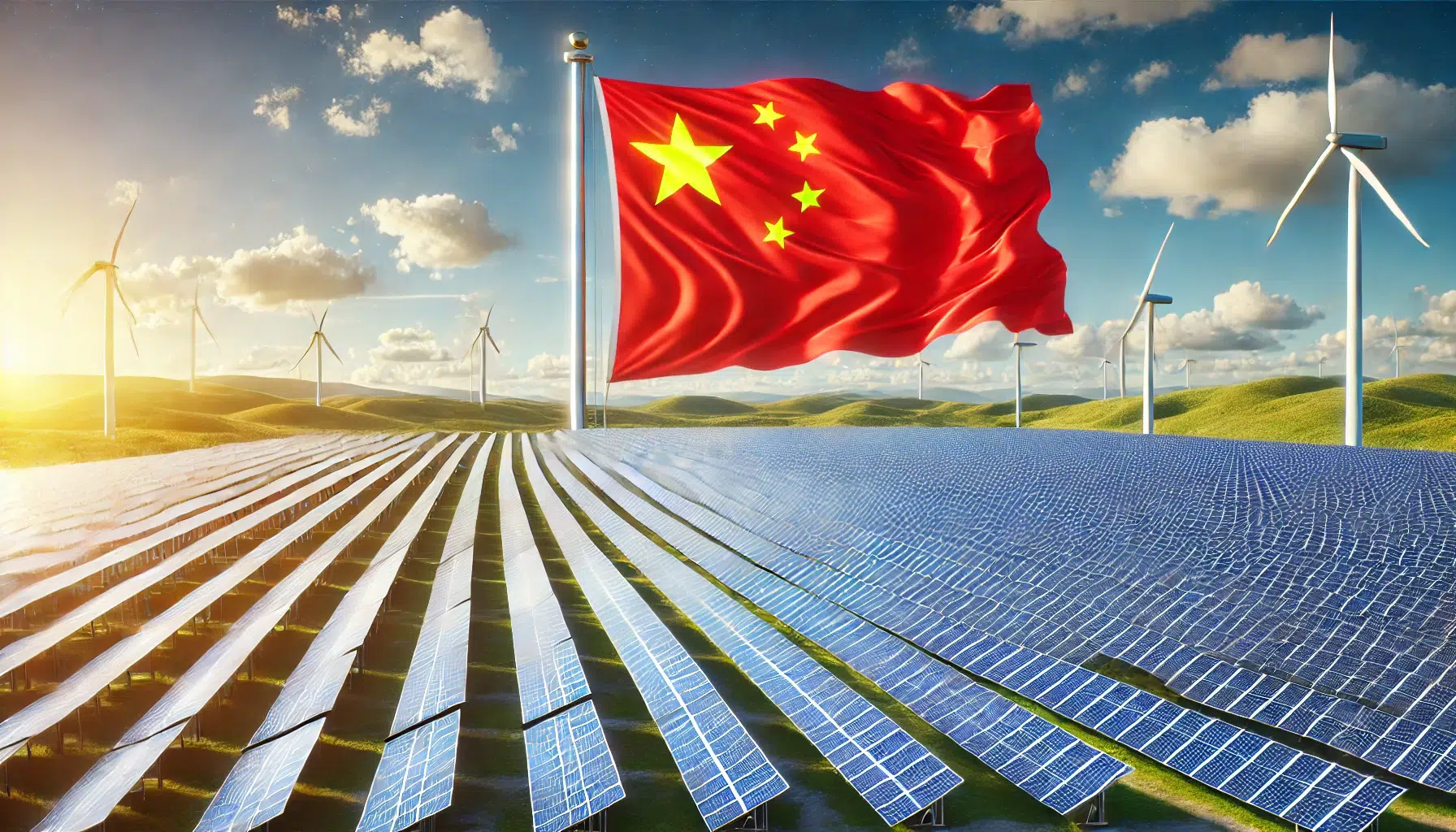


Currently, China leads the renewable energy sector globally. However, in light of accelerated growth, the government has decided to gradually reduce subsidies for solar energy and wind energy.
This move comes at a strategic moment, as the country has reached its clean energy goal for 2030 six years early, in 2024, as announced by the National Energy Administration of China.
The Growth of Solar and Wind Energy in China
The growth of renewable energy in China intensified starting in 2010, when the country began heavily investing in infrastructure and technology for clean sources.
In 2015, the government launched the 13th Five-Year Plan, which set ambitious goals for solar energy and wind energy. As a result, between 2016 and 2020, the country added more than 250 GW of solar energy and about 150 GW of wind energy to its grid.
-
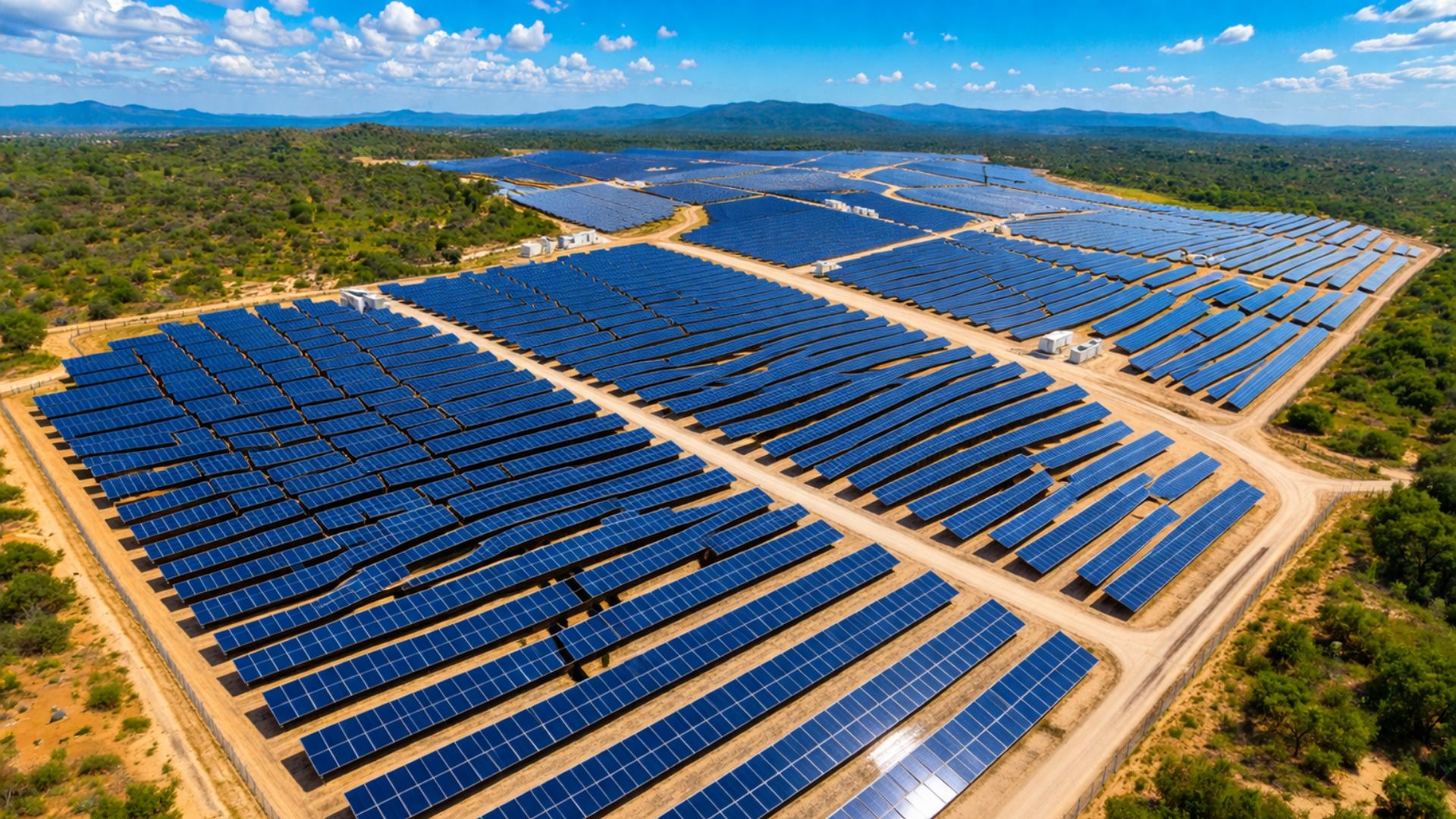
The Sol do Agreste Photovoltaic Complex begins operations in Pernambuco and accelerates the expansion of solar energy in Brazil, directly impacting the reduction of emissions and strengthening the sustainable energy matrix.
-
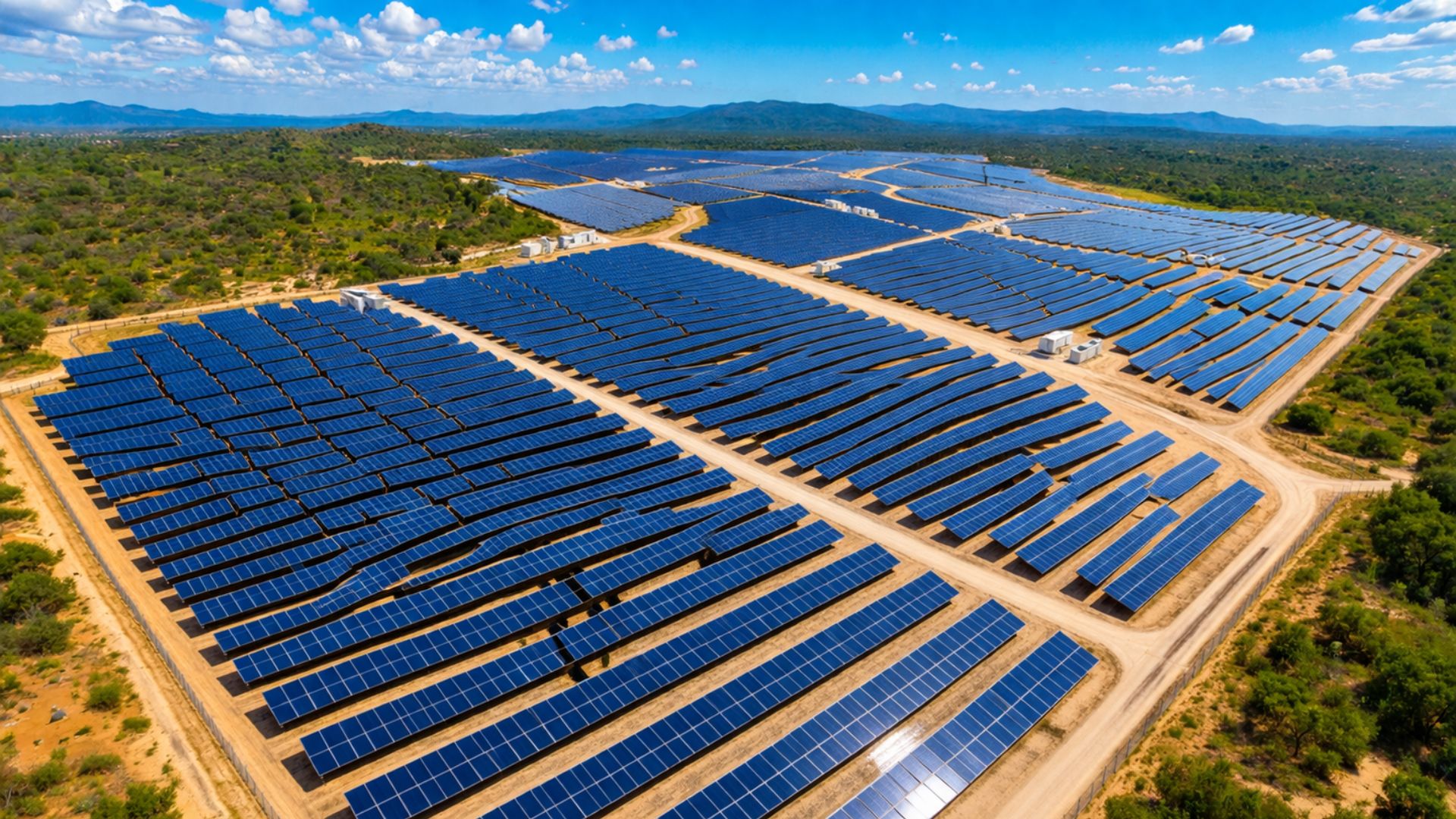
The Sol do Agreste Photovoltaic Complex begins operations in Pernambuco and accelerates the expansion of solar energy in Brazil, directly impacting the reduction of emissions and strengthening the sustainable energy matrix.
-
Renewable energy advances over protected areas in Brazil, and a survey by the Energy Transition Observatory reveals silent impacts that challenge environmental conservation and pressure sensitive traditional territories.

-
Rio Grande do Sul accelerates energy transition: State invests in renewable technologies and consolidates decarbonization strategies and pathways to attract billions in new industrial investments.


By 2023, China surpassed 800 GW of installed capacity in solar energy and 400 GW in wind energy, according to data from the International Renewable Energy Agency (IRENA). The following year, in 2024, this number grew further, reaching 887 GW in solar and 430 GW in wind, as reported by the National Energy Administration of China.
In light of this significant progress, China adopted efficient public policies. As a result, the construction of photovoltaic plants and wind farms surged.
However, considering the rapid advancement of the sector, the Chinese government is now implementing a new approach. In other words, subsidies will be gradually reduced as the market becomes more competitive.
For this reason, many companies will need to adapt. After all, the absence of subsidies demands innovation and efficiency to ensure the economic viability of projects.
Thus, experts from the China Renewable Energy Engineering Institute believe that even without incentives, solar energy and wind energy will continue to expand.
The New Energy Strategy and Its Impacts on the Chinese Market
To make the sector more financially sustainable, the National Development and Reform Commission (NDRC) and the National Energy Administration of China introduced a new bidding system.
Starting from June 2024, the prices of electricity generated from renewable sources will be determined by the market itself.
With this new strategy, solar energy and wind energy projects will no longer rely on subsidies. Thus, competition with conventional energy sources will increase.
As expected, this change encourages technological advancements while eliminating market distortions.
Consequently, only the most efficient projects will thrive. Overall, this decision strengthens the renewable energy sector, ensuring sustainable growth in the long term.
In this regard, China positions itself as a pioneer in the global energy transition.
The Global Impact of the Chinese Decision on Renewable Energy
Undoubtedly, the Chinese decision influences the global renewable energy market.
First of all, other countries that still rely on subsidies to expand their clean sources may feel the effects of this change.
At the same time, China may become a model for nations seeking new strategies to boost their energy sectors.
Moreover, the photovoltaic sector faces a new challenge. This is because many companies depend on high Chinese demand to keep costs low.
Now, with the transition to a market without incentives, competition among solar panel and wind turbine manufacturers may increase.
The BloombergNEF report published in March 2024 indicated that the global solar panel market could face significant price adjustments due to lower demand from China.
The trend is that new export strategies will be adopted, redistributing part of the production to emerging countries in Asia and Latin America.
On the other hand, China continues to set records in installed capacity for solar energy and wind energy.
Thus, it reaffirms its global leadership and reinforces the importance of the energy transition for a sustainable future.
The Future of Clean Energy and China’s Leadership in the Sector
Even with the reduction of subsidies, China does not intend to slow down its investments in renewable energy.
On the contrary, the country is already planning new strategies, such as advancements in energy storage and the implementation of smart grids.
With this, it aims to optimize distribution and increase the efficiency of solar energy and wind energy.
Furthermore, the adoption of a market-based model should not be viewed as a setback.
Quite the opposite! This change represents an evolution.
After all, China demonstrates that renewable energy can remain economically viable without state incentives. Thus, it establishes a new paradigm for the global energy sector.
Therefore, by reinforcing its commitment to sustainability and decarbonization, China consolidates its position as a global power in clean energy.
With each new decision, the country influences the direction of the global market and stands out as a reference in the transition to a greener future.










A China se planejou para ser competitiva mundialmente, pois fez o seu dever de casa com investimentos na sua infraestrutura, na sua logística e na sua matriz energética. Resultado o país hoje é o país mais competitivo do mundo na produção industrial.