





 Portuguese
  English
  Spanish
  2 min of reading
  0 comments


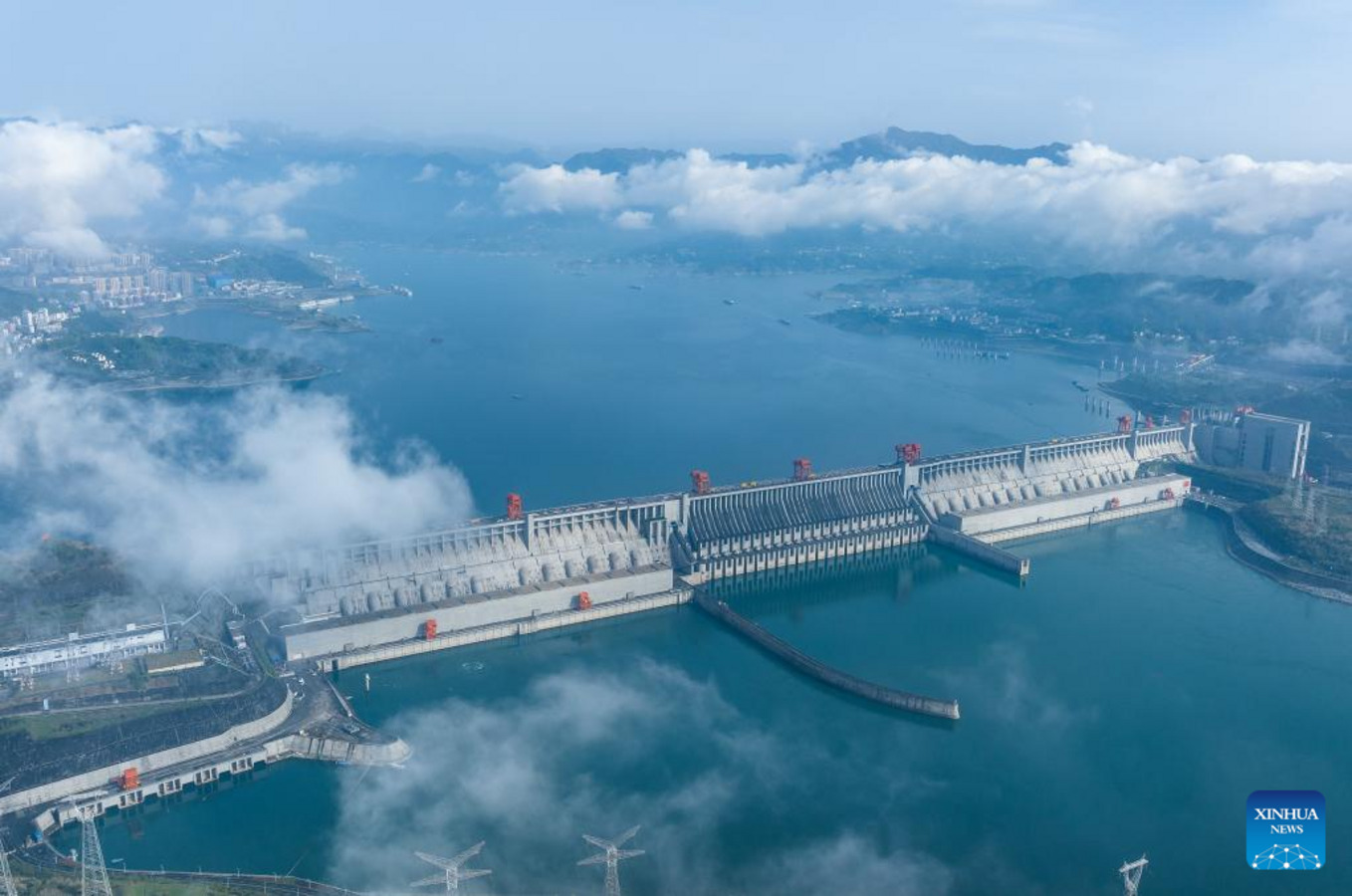
With Five Cascading Dams and Record Generation, Chinese Megaproject in Tibet Raises Alerts About Environmental Impact and Geopolitical Tension
China began on July 19 a project that promises to surpass all limits of hydraulic engineering. With a budget of 167 billion dollars, the new project will feature five cascading dams.
The estimate is that the annual energy generation will reach 300 billion kWh, almost three times more than the Three Gorges Dam.
The plan extends to 2030. When completed, the structure will become the largest hydroelectric project in the world. The construction reinforces China’s goal to advance energy transition and reduce fossil fuel use. But the new dam does not come without controversies.
-
Researchers discover a possible hydrogen deposit of up to 46 million tons beneath an ancient coal basin, and the volume could exceed half of the entire global production.

-
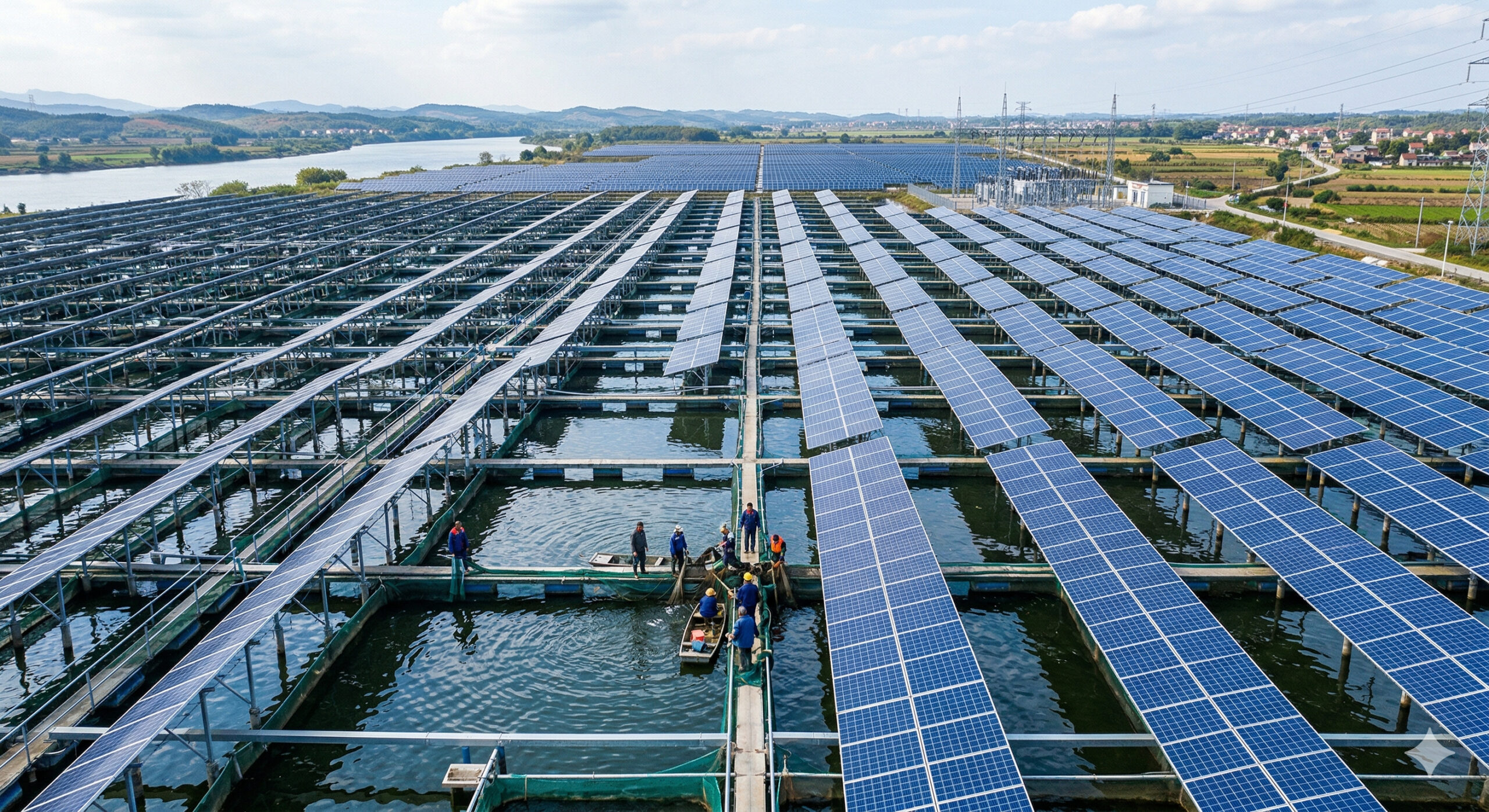
China bets on the Fishery-PV model and transforms fish farms into giant solar plants, covering ponds with panels that generate energy while utilizing the same space for large-scale aquaculture production.
-
Green hydrogen at home: Belgium launches new technology that makes solar panels produce fuel from the moisture in the air, which could boost the energy transition.

-
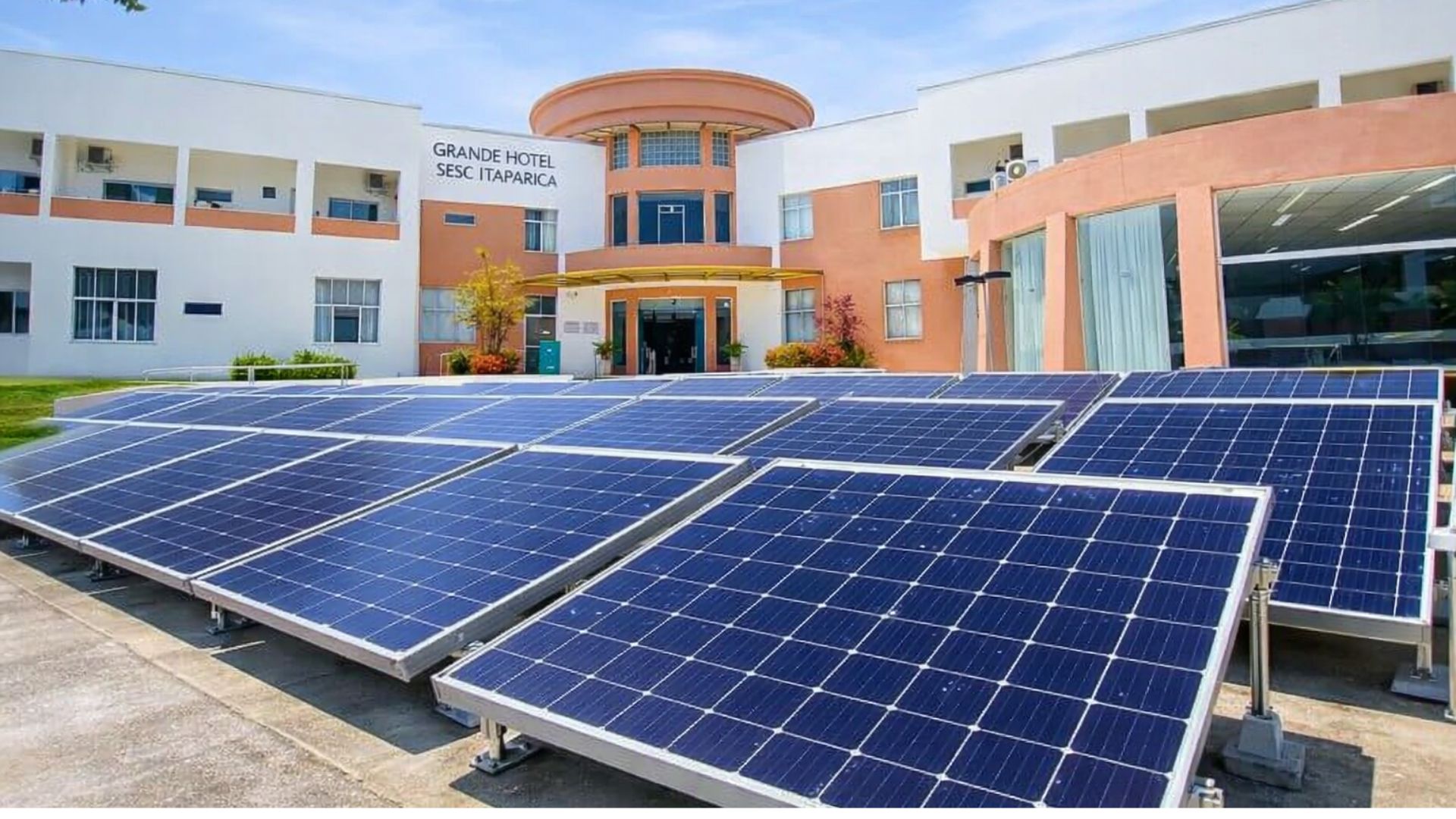
Sesc-BA bets on renewable energy with the support of EDP and drives the energy transition with a direct impact on cost reduction and the sustainability of its operations in Bahia.

More Energy, More Tension
The project will be built in Tibet, a region that already concentrates political and environmental tensions. Countries like India and Bangladesh have expressed concern about the possible effects on water supply and the environmental balance of the river.
The fear is not unwarranted. The Three Gorges Dam, built years ago, caused measurable effects on the Earth.
According to NASA, the planet’s rotation has slowed by 0.06 microseconds per day. Additionally, the Earth’s axis has shifted by 2 centimeters. All of this due to the enormous mass of water accumulated—about 40 billion cubic meters.
Risks Beyond the Axis
Even though the physical effects are nearly imperceptible to the global population, the regional impacts draw attention.
Residents and environmentalists warn of the risk of earthquakes, environmental collapse, and loss of biodiversity.
Tibet is an area of great geological sensitivity. Concentrating such a large amount of water there generates tension among residents.
The volume of the new structure will be even greater than that of the previous dam. This reinforces the fear that the effects may also be multiplied.
Largest Dam in the World
If everything goes as planned, China will take the global lead in hydroelectric production. The new dam will become the largest on the planet.
But in the meantime, the debate over the collateral effects continues to grow—both in the region and on the international stage.
With information from Xataka.








-

Uma pessoa reagiu a isso.