





 Portuguese
  English
  Spanish
  4 min of reading
  1 comment


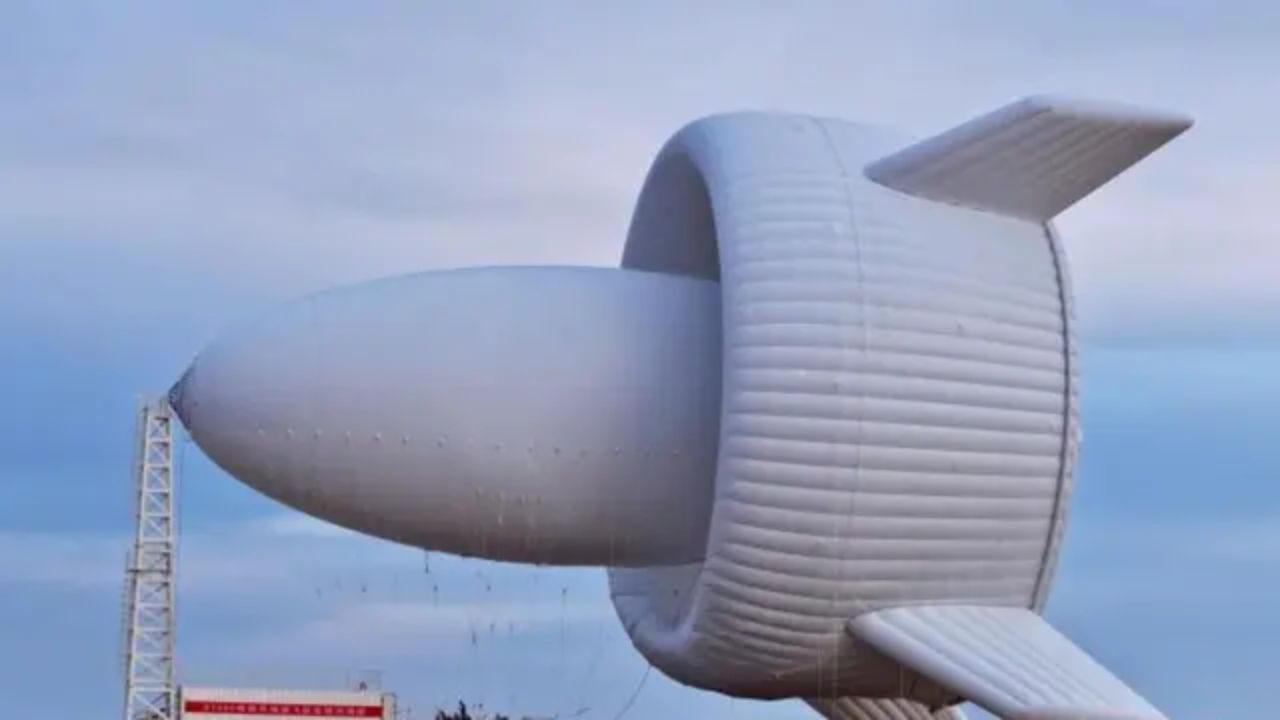


The Innovative Floating S1500 Turbine, an ‘Airborne Windmill’, Uses 40% Less Material Than Traditional Models and Accesses High-Altitude Winds, Marking a New Chapter for Renewable Energy in the Country.
The China has taken a significant step towards transforming the future of renewable energy with the successful testing of its first megawatt-scale floating wind turbine, the S1500. Conducted in Hami, Xinjiang region, the inaugural flight represents a milestone for airborne wind energy technology, promising not only greater efficiency but also a drastic reduction in costs and building materials, as reported in a statement from Beijing SAWES Energy Technology Co., Ltd. and covered by the People’s Daily, China.
This ambitious project stands out by abandoning the concrete towers and foundations that characterize conventional turbines. By floating hundreds of meters high, the S1500 system accesses a vast and unexplored energy resource: high-altitude winds, which are stronger and more consistent. The potential impact is immense, from generating cheaper electricity to providing rapid power in disaster areas, positioning the Asian nation at the forefront of a new technological race.
What is the S1500 and How Does It Work?
Visually, the S1500 resembles a giant airship, measuring approximately 60 meters long by 40 meters wide and high, making it the largest airborne wind generator ever built. Unlike a ground turbine, it does not require a steel tower or deep foundation, which, according to developers, reduces material use by 40% and lowers electricity costs by up to 30%. Its structure can be assembled and moved within hours, making it ideal for remote locations such as deserts, islands, or large mining complexes.
-
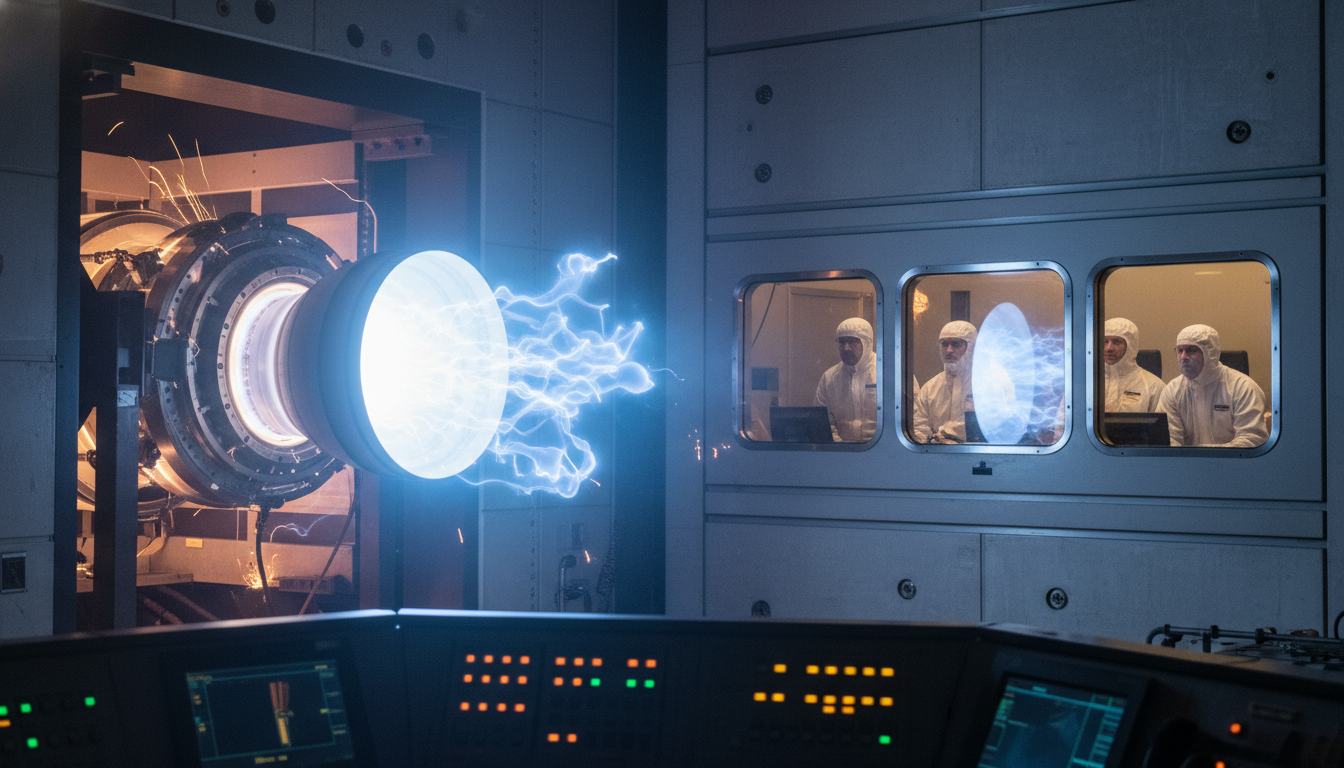
A British startup has just done what no private company has achieved before: igniting plasma inside a nuclear fusion-powered rocket engine, and if it works at scale, trips to Mars could take weeks instead of months.
-
Technology created by a Brazilian identifies signs of autism in babies from 4 months old using a low-cost kit that is based on the observation of gaze in response to visual stimuli.

-
Known as konjac, a root used for centuries in Asia creates foods that have virtually no calories, absorb water, form gel in the body, and are being used to replace pasta, rice, and even desserts.

-
The habit of drinking hot water in the morning is going viral on social media: experts explain how this ancient practice can influence digestion and well-being.

The advanced design is key to its efficiency. The structure consists of a main airfoil and an annular wing that, together, create an aerodynamic duct. Inside this duct, there are 12 turbine-generator sets, each with a nominal capacity of 100 kW. These rotors capture the powerful high-altitude winds and convert them into electricity, which is then transmitted to a ground station via a high-tech tethering cable, designed to withstand high voltages over kilometers.
The Exponential Advantage of High-Altitude Winds
The main reason for taking turbines to the skies lies in the physics of wind energy. Winds found between 500 and 10,000 meters above the ground are much more powerful and consistent than surface winds, which are often obstructed by terrain, buildings, and other barriers. This resource, besides being abundant and carbon-free, offers exponentially greater energy potential, making China’s technology so promising.
Gong Zeqi, a researcher at the Aerospace Information Research Institute (AIR), involved in the project, explains the math clearly: “When the wind speed doubles, the energy it carries increases eightfold. Tripling the speed gives you 27 times more energy”. This exponential growth illustrates why systems like the S1500 can generate a significantly greater amount of energy than conventional ground turbines, even with smaller rotors, representing an efficiency leap that could redefine the industry.
From Prototype to Reality: A Journey of Innovation
The success of the S1500 did not happen overnight. It is the result of a strategic collaboration between the company SAWES, the prestigious Tsinghua University, and the Chinese Academy of Sciences. Together, researchers overcame complex challenges, such as ensuring the stability of the airship in strong winds, developing ultra-light and efficient generators, and creating high-tension cables that are safe and durable on a kilometer scale.
The project followed a route of incremental development validated by previous prototypes. In October 2024, the S500 model, filled with helium, reached 500 meters in altitude and produced over 50 kW of power. Just three months later, the S1000 ascended to 1,000 meters and doubled its capacity to 100 kW. These tests were crucial in proving the viability of the concept and refining the technology that now allows the S1500 to operate at a commercial megawatt scale.
Strategic Impact: Energy for Disasters and National Support
In addition to generating power for the electrical grid, the mobility of the S1500 opens doors to strategic applications. Weng Hanke, SAWES’s chief technology officer, highlights its potential for rapid disaster response. “The airborne platform can be launched quickly after an earthquake or flood to keep lights, radios, and life-saving equipment running,” he stated. This ability to provide emergency power in isolated locations is an advantage that traditional power plants simply do not offer.
The development of this technology is also a national priority for China. An action plan issued by the National Development and Reform Commission sets clear research and development goals for large wind generators for high altitudes between 2016 and 2030. By reducing reliance on land-based turbines, the country aims to unlock new sources of clean energy in remote areas and consolidate its leadership in the global energy transition.
The successful flight of the S1500 signals that one of the last major unexplored sources of renewable energy is finally within our reach. With celestial winds carrying immensely greater energy potential, Chinese technology may become a fundamental pillar in the energy matrix of the future.
What do you think about this new technology? Do you believe that floating ‘windmills’ are the future of global wind energy? Leave your opinion in the comments below; we want to hear your perspective on this energy revolution.




Extraordinário! Mas, não entendi bem os detalhes sobre como o gerador flutuante fica estável no ponto que se deseja. Seria através de cabos? Obviamente, junto a esses cabos devem estar os condutores para “drenar” a energia gerada. Poderia ser apresentado um esquema.
Mas, formidável a ideia de se aproveitar ventos de altitude, muito mais estáveis e de grande intensidade.
Parabéns!!!!