





 Portuguese
  English
  Spanish
  5 min of reading
  0 comments


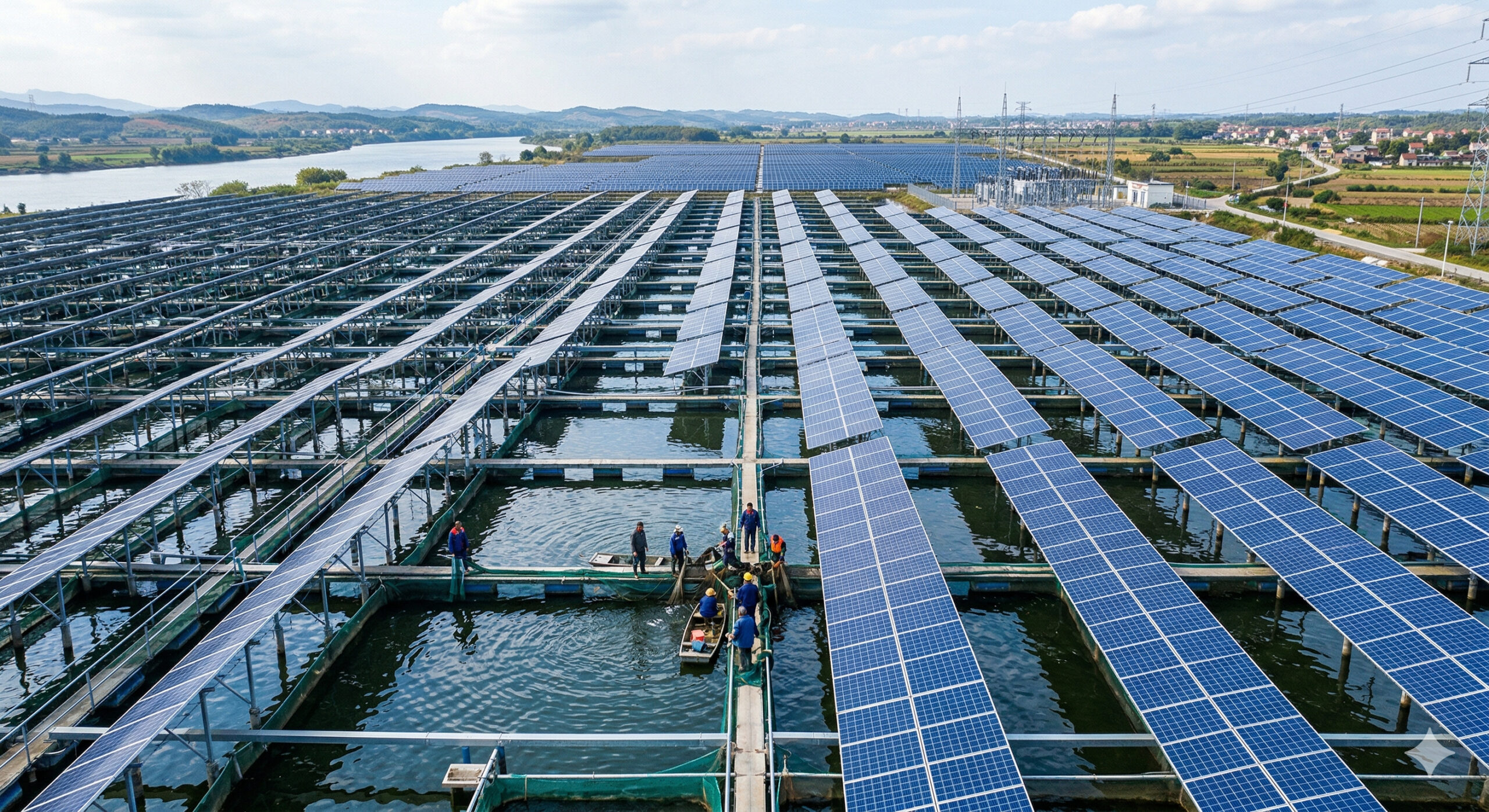
Fishery-PV Model Combines Solar Energy and Aquaculture in China, Using the Same Space to Generate Electricity and Produce Food.
In 2023 and 2024, review studies published in scientific journals in the field of energy and sustainability analyzed the expansion of the model known as Fishery-PV in China, consolidating data on performance, efficiency, and environmental impact of this type of hybrid installation. According to a review article published in the Elsevier scientific journal, available on ScienceDirect, the “fishery-photovoltaic complementary” model integrates aquaculture with solar generation by installing photovoltaic panels over fish farming ponds, allowing simultaneous use of water for food production and electricity generation. The most relevant data is that the system increases the efficiency of land use by combining two productive activities in the same space. According to the study itself, this model presents advantages in terms of energy efficiency, area utilization, and economic sustainability, being applied mainly in regions with a strong presence of aquaculture and high energy demand.
This approach has been implemented on a large scale in China, especially in areas of the Yangtze River and Pearl River basins, where the availability of ponds and solar conditions favor the expansion of this type of hybrid system.
How the Fishery-PV Model Works in Practice
The Fishery-PV system consists of installing solar panels on elevated or floating structures positioned above aquaculture ponds. These panels are connected to inverters and electrical grids on land, allowing continuous energy generation.
-
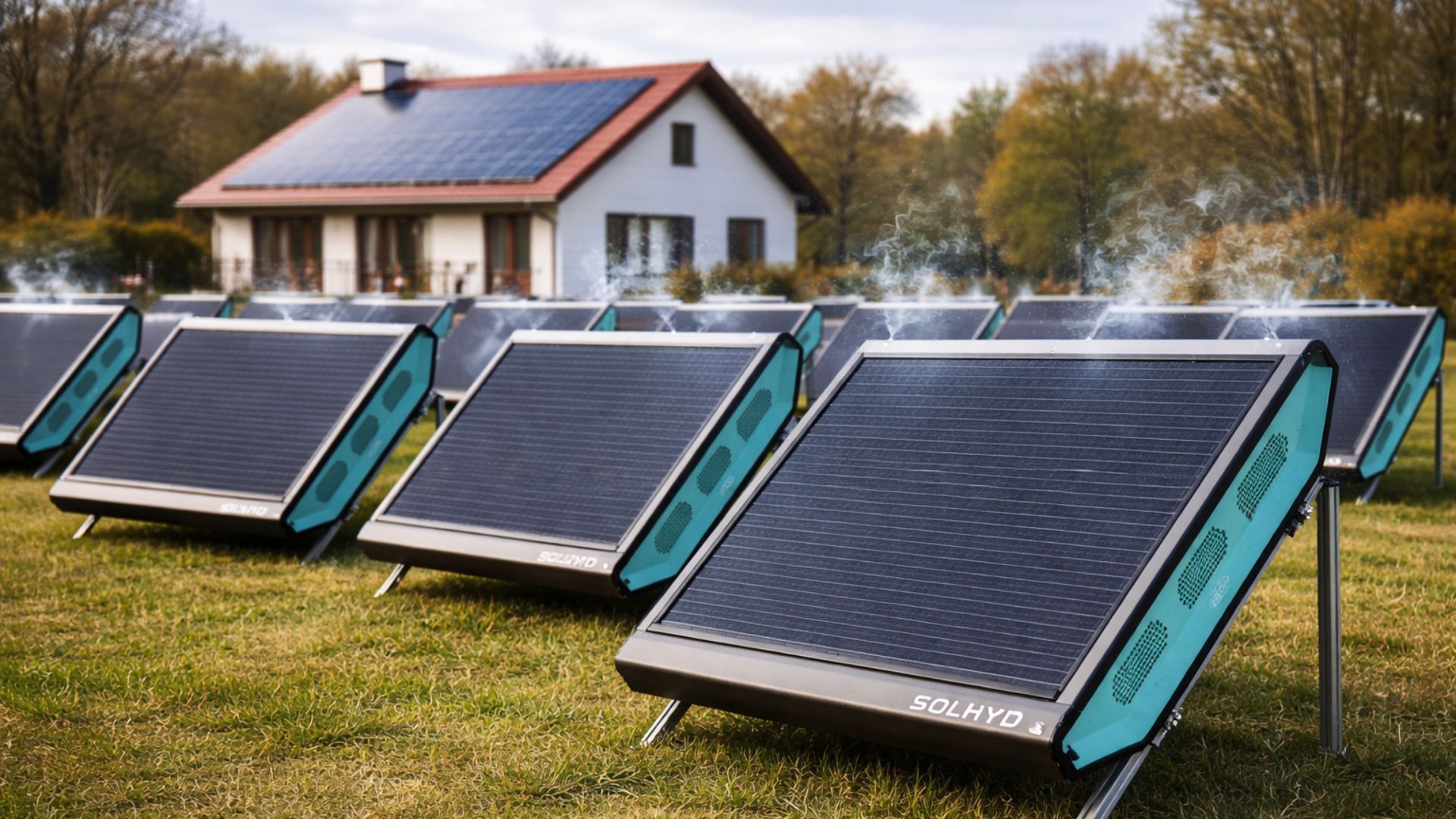
Green hydrogen at home: Belgium launches new technology that makes solar panels produce fuel from the moisture in the air, which could boost the energy transition.
-
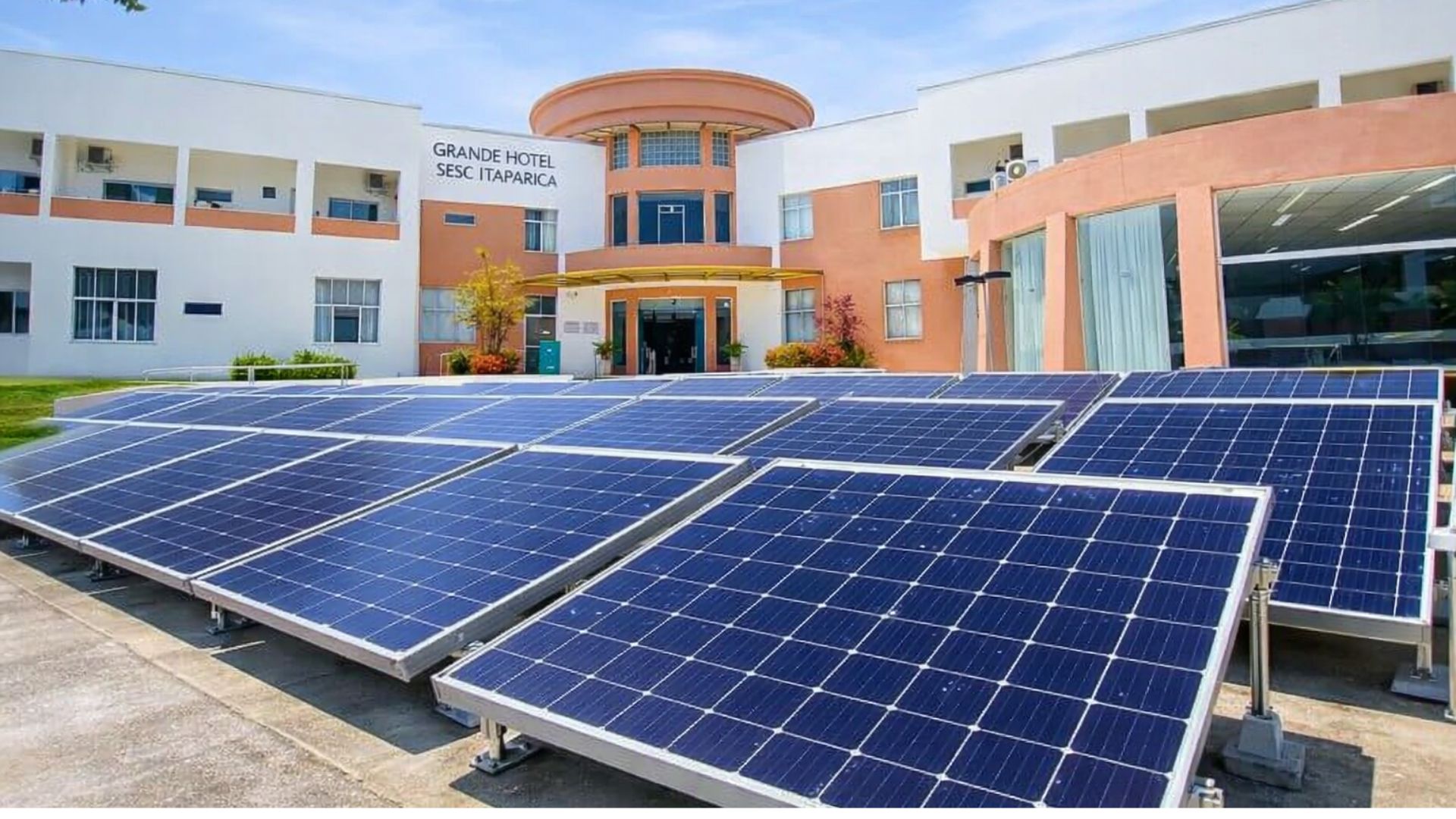
Sesc-BA bets on renewable energy with the support of EDP and drives the energy transition with a direct impact on cost reduction and the sustainability of its operations in Bahia.
-
Technology giant breaks global sustainability records: How Amazon’s leadership in renewable energy procurement transformed the global energy market in the past year.

-
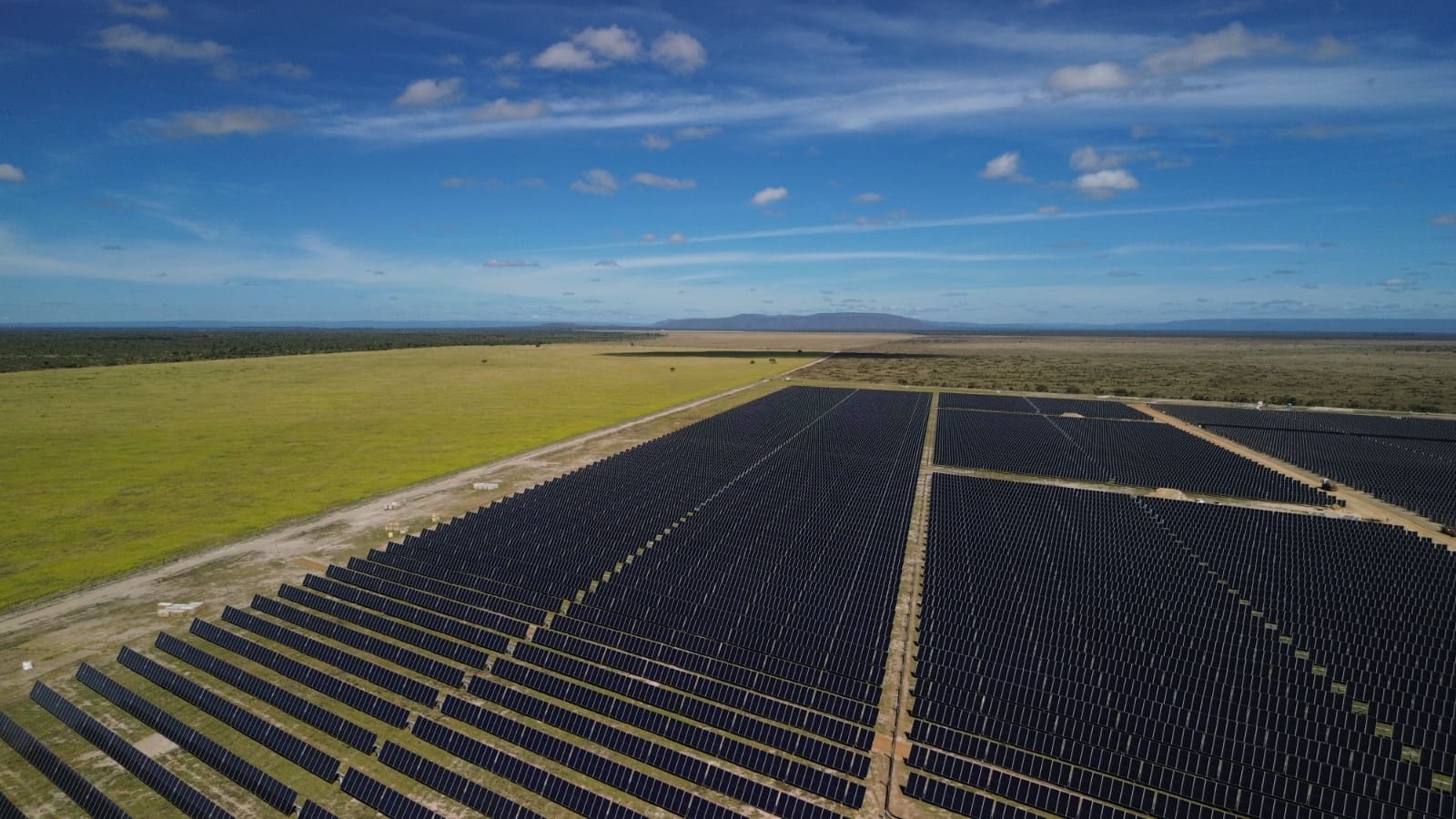
Alert in the electric sector: Atlas Renewable Energy confirms billion-dollar investment and Brazil risks losing a share of the new investment in Latin America to neighboring countries.

Below these structures, the ponds continue to operate normally, with the cultivation of fish, shrimp, or other species.
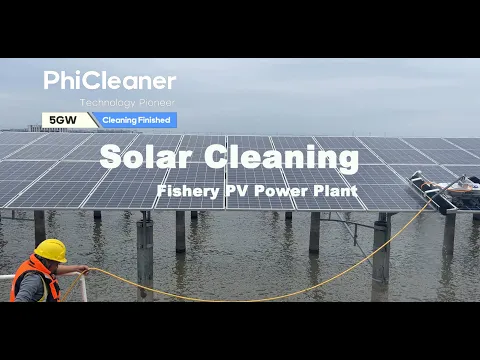

The main feature of the model is the overlapping of functions: the same area produces energy and food at the same time. This integration reduces conflicts between different land uses, one of the main challenges in densely populated regions.
Solar Panels Alter Aquatic Environment Conditions
The presence of solar panels over the ponds modifies the environmental conditions in the water. Partial shade reduces direct sunlight incidence, which can influence the temperature and biological dynamics of the environment.
In some cases, this reduction in light helps to decrease excessive algae proliferation, which can compromise water quality.
Moreover, the shade can help stabilize water temperature, creating more controlled conditions for aquaculture production. However, these effects vary according to the level of panel coverage and the type of cultivation.
Floating and Elevated Structures Support Large Areas of Panels
The solar panels used in the Fishery-PV model are installed on specific structures, which can be floating or elevated above the water.
These structures are designed to withstand varying weather conditions, maintaining stability and efficiency in energy generation. Underwater cables connect the systems to electrical distribution points, ensuring the transport of generated energy.

The engineering of these installations allows covering large areas of ponds without interrupting the productive activity below. This type of solution has been expanded in coastal and inland regions of China.
Efficiency in Area Use is One of the Main Differentiators
One of the main arguments in favor of the Fishery-PV model is the optimization of space use. In traditional systems, areas designated for energy generation and food production are separate.
In the hybrid model, these functions are combined, reducing the need for territorial expansion. This efficiency is especially relevant in regions where access to land is limited or highly competitive.
The integration of activities allows for greater resource utilization and reduction of impacts associated with infrastructure expansion.
The adoption of Fishery-PV occurs in a context of increasing demand for clean energy and food production. China, as one of the largest economies in the world, faces challenges related to energy and food security.
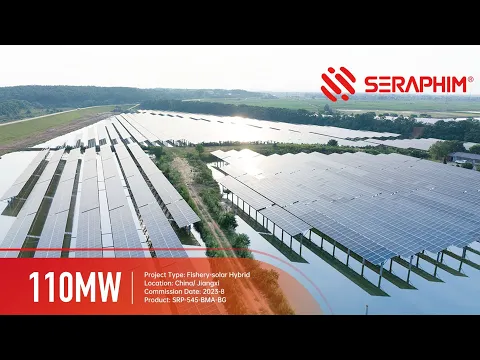
The combination of these two needs in a single system represents a strategic solution. The model simultaneously meets renewable energy generation and protein production, two essential sectors for economic development. This type of approach has attracted interest from researchers and policymakers.
Environmental Benefits Include Reduced Evaporation and Resource Use
In addition to spatial efficiency, the system can contribute to reducing water evaporation, as part of the pond’s surface remains covered.
This characteristic is particularly relevant in regions with a hot climate, where water loss can be significant.
The reduction of evaporation helps conserve water resources, an important factor in intensive production systems. Furthermore, solar energy generation reduces dependence on fossil sources, contributing to emission reductions.
Limitations and Variations Depend on Design and Application
Despite the benefits, the performance of the Fishery-PV model is not uniform. Results depend on factors such as panel coverage density, type of species cultivated, and local conditions.
Excessive coverage can reduce light penetration to levels that affect the biological productivity of the system.

Therefore, the balance between energy generation and aquaculture production is one of the main challenges of the model. Adapting the design to the specific conditions of each region is essential to ensure efficiency.
Expansion of the Model Indicates a Trend of Productive Integration
The growth of Fishery-PV in China reflects a broader trend of integration among different productive sectors. The combination of activities in the same space seeks to maximize efficiency and reduce impacts.
This type of approach can be applied in other contexts, such as agriculture and energy generation. The integration of productive systems is considered one of the most promising strategies to address challenges related to natural resources. The Chinese experience serves as a reference for other countries interested in similar solutions.
The advancement of Fishery-PV demonstrates how the integration of energy and food production can transform the use of productive areas.
By allowing aquaculture ponds to also become solar plants, the model creates a solution that combines efficiency, sustainability, and technological innovation.
Although it presents challenges and variations, the system represents an example of how different sectors can converge to meet growing demands for resources, redefining how energy and food are produced on a large scale.










Seja o primeiro a reagir!