





 Portuguese
  English
  Spanish
  4 min of reading
  0 comments


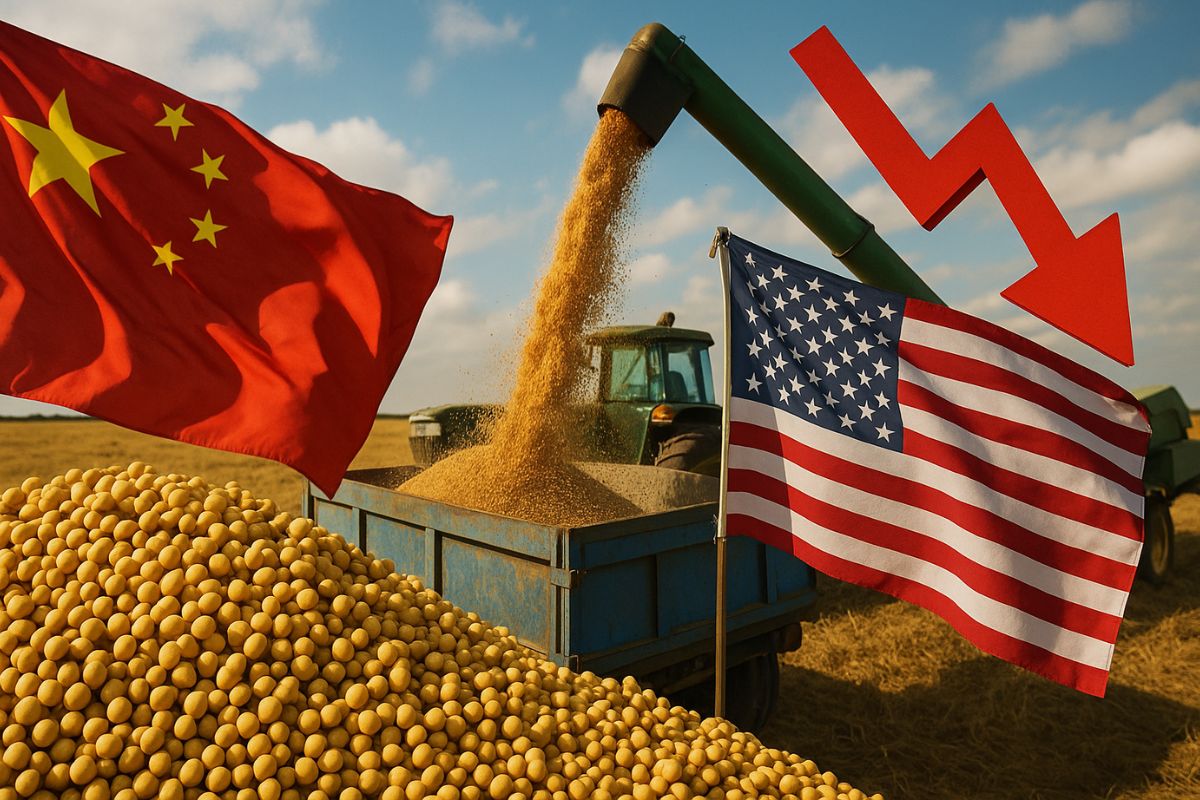
Amid Tariffs And Trade Tensions, Chinese Demand For Brazilian Soybeans Surges, Depleting U.S. Shipments And Pressuring Washington To Announce Billion-Dollar Aid.
According to the G1 website, the surge in China’s purchases of Brazilian soybeans has reshaped the global grain map in 2025. With a 20% tariff imposed on American soybeans and a suspension of purchases from the U.S. since May, Beijing has shifted its orders to South America, and Brazil has taken center stage with record monthly shipments.
At the same time, U.S. producers report losses and no sales of the new harvest to China since September, while the clock ticks for a federal aid package estimated between US$ 10 billion and US$ 14 billion.
Why Brazilian Soybeans Dominated Chinese Purchases
The pivot of this shift is political and economic. On one side, 20% tariffs raise the cost of American soybeans; on the other, logistical and currency competitiveness favors the South American grain, which arrives cheaper at Chinese ports.
When the cost per ton and the predictability of supply converge, the buyer migrates and migrates fast.
-
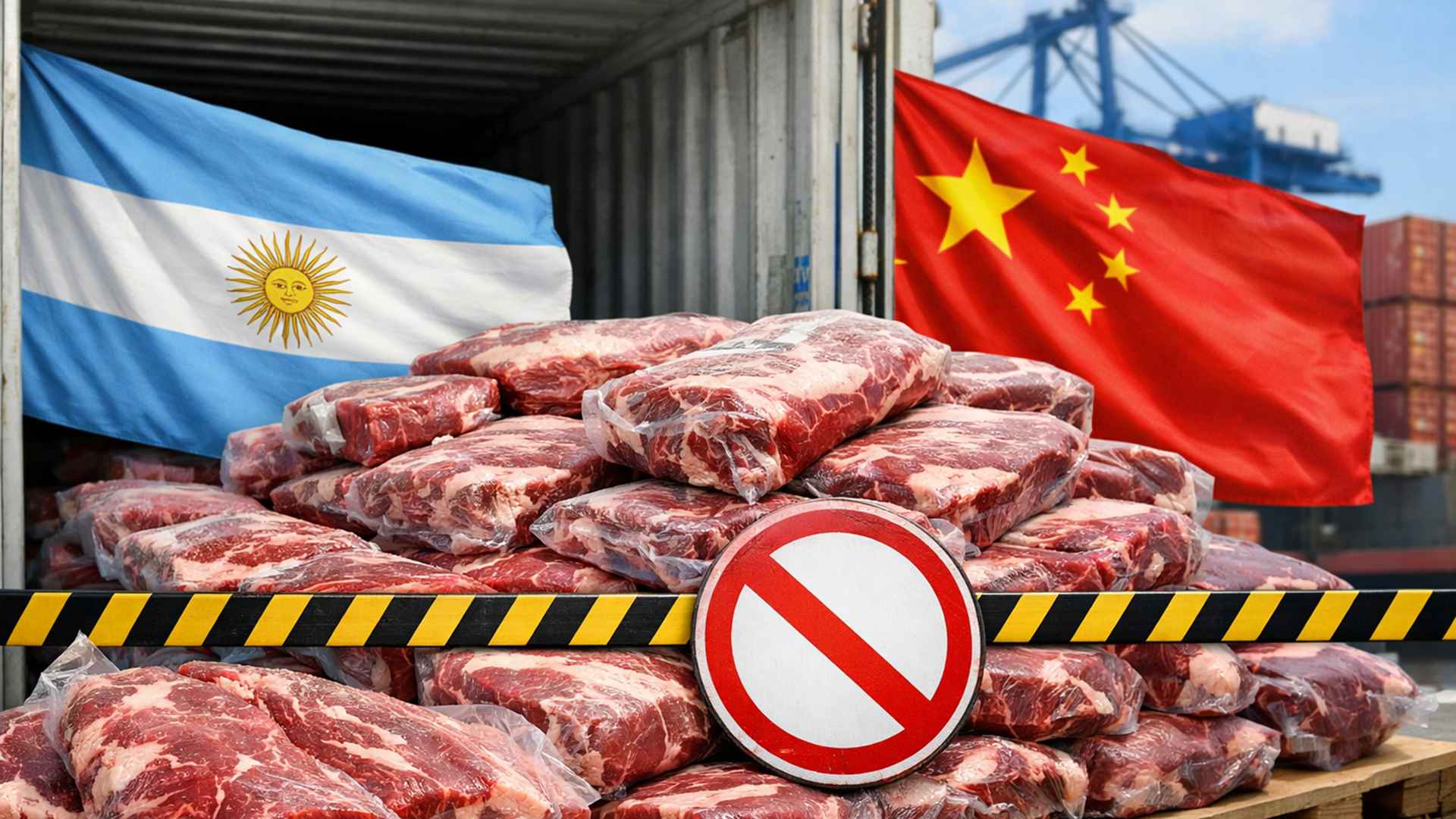
China banned the export of 22 tons of meat from Argentina.
-
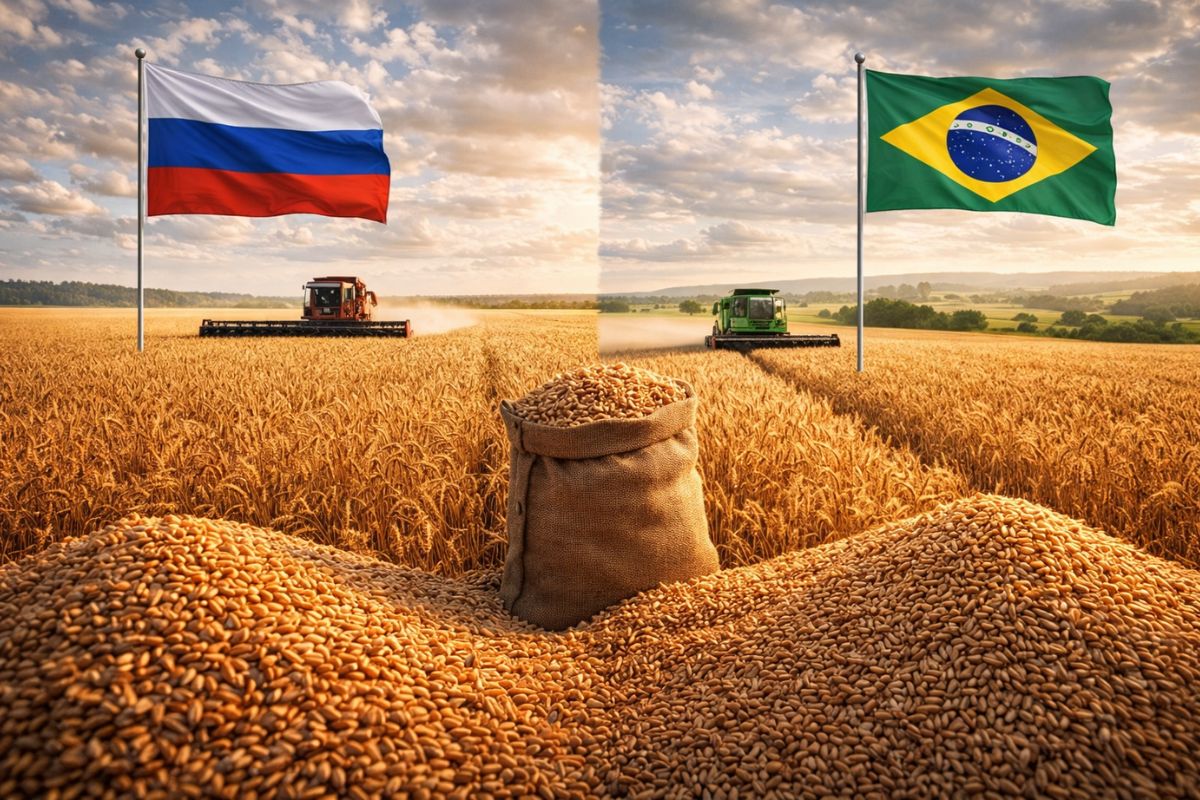
While Russia dominates the global wheat market, Brazil emerges as an unexpected competitor in the Cerrado, offering grain available in July and August when stocks in the Northern Hemisphere are at their lowest point of the year.
-
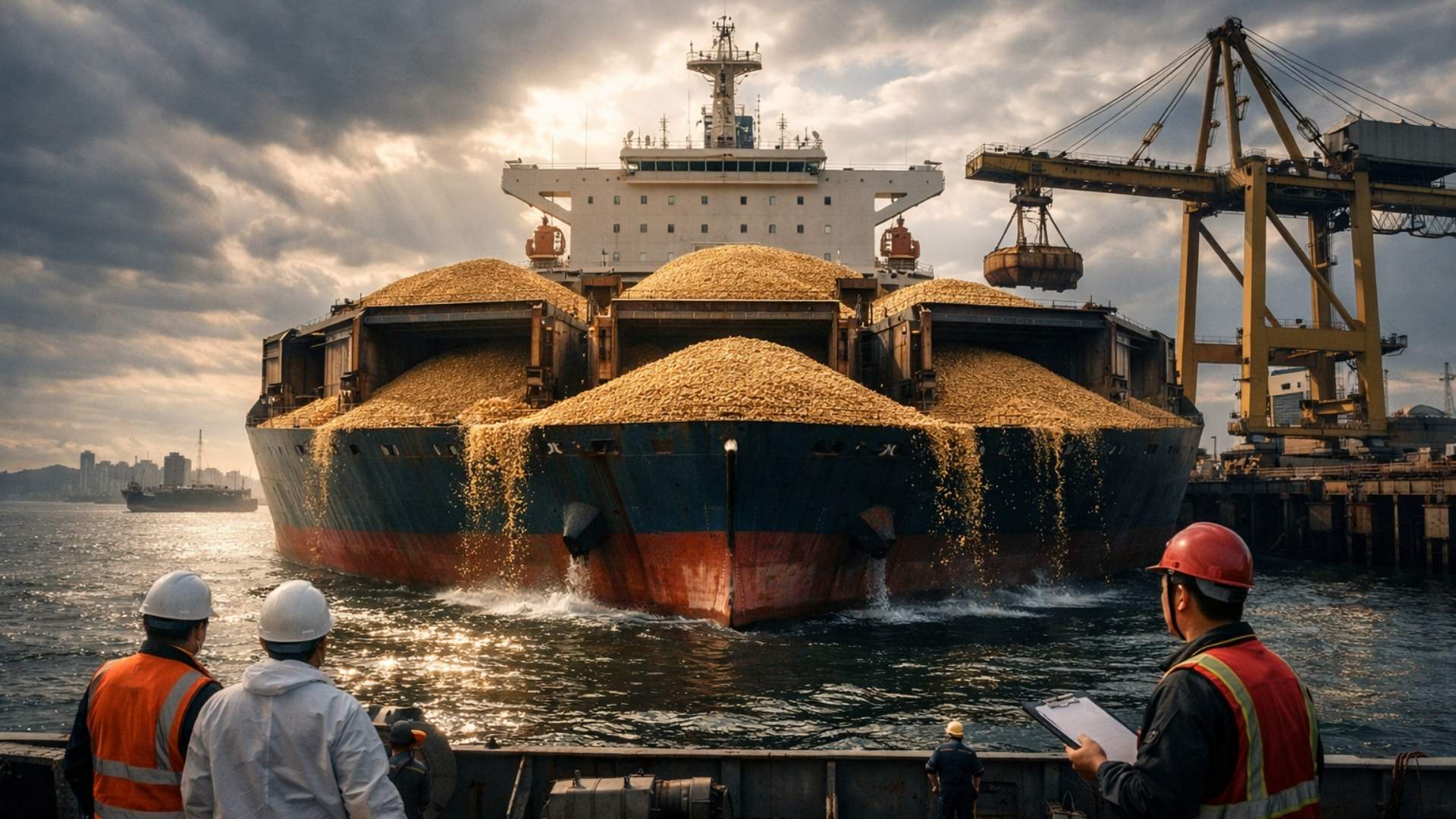
China returned almost 20 Brazilian ships with soybeans, but now everything could change: the country that buys 80% of the grain is considering relaxing regulations after impurities held up shipments of thousands of tons and caused million-dollar losses.
-
The drought of the cerrado was considered an enemy of wheat, but Brazilian scientists turned the lack of rain into a competitive advantage by creating a grain with quality that is already attracting the attention of international mills around the world.
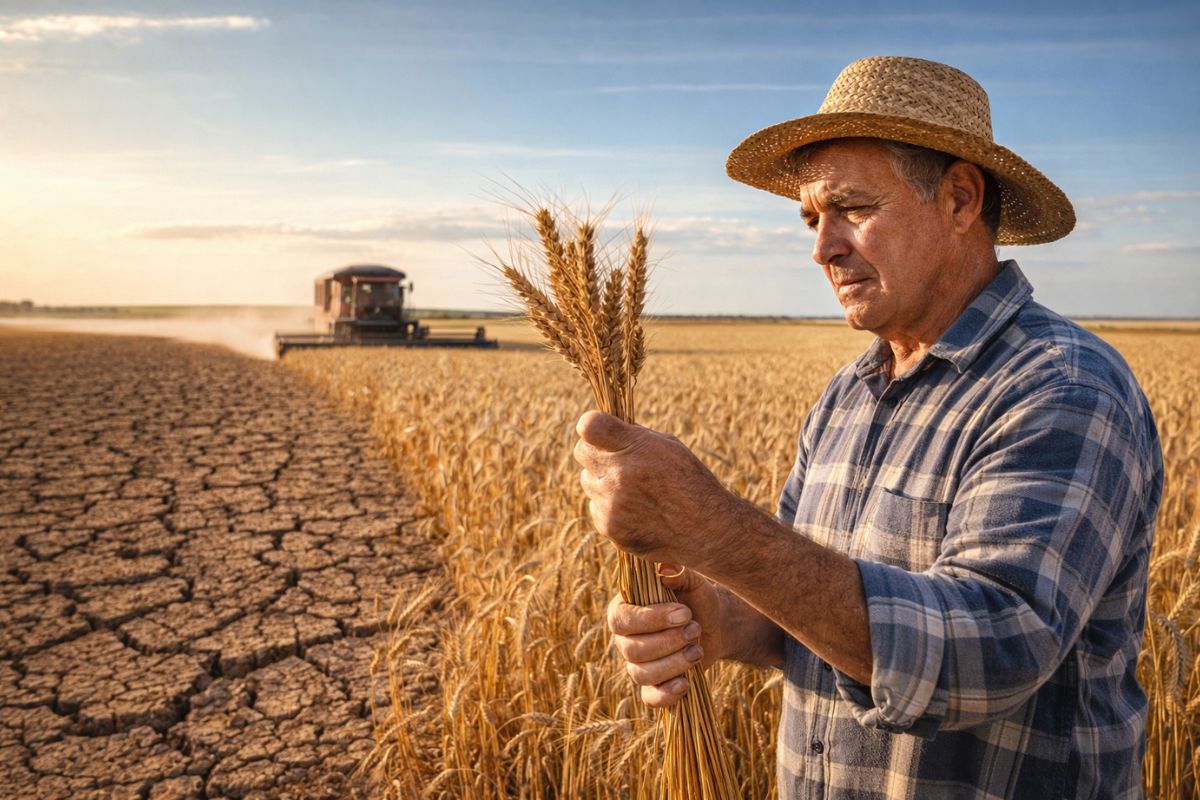

The result was immediate: the United States has had no soybean business with China since the beginning of the harvest in September, according to industry associations.
Brazilian soybeans filled this gap, with reports of over 10 million tons per month shipped to Beijing at the peak of the movement.
Argentina and Uruguay were also called upon as a complement after the Brazilian harvest was cleared.
Who Gains, Who Loses: Effects on the Three Major Players
For Brazil, the gain is in revenue and reputation. Export records consolidate the country as a reliable supplier, while trading companies and ports expand shipping windows.
The logistics chain, from storage to freight, captures part of this premium, and the security of demand sustains investments in origination and clearance.
The United States is experiencing the opposite side of the curve. Producers are pressing for emergency aid and complaining about high stocks and weak basis (local discount on the reference price), direct reflections of the absence of the world’s main buyer.
“It’s a functioning market, but without the escape valve called China,” agricultural entities summarize.
China, in turn, diversifies sources and extends contracts, which reduces geopolitical risk and ensures volumes for domestic crushing (feed and oil).
By favoring Brazilian soybeans, the country balances price, quality, and delivery regularity—pillars that, in a trillion-dollar market, are worth more than promises.
How Much and When: The Scale of the Demand Shift
The shift became clearer during the June–August period, when American sales practically zeroed out while Brazil set successive records.
As the calendar advanced and the Brazilian off-season approached, Beijing engaged Argentina and Uruguay to cover gaps, avoiding recourse to U.S. soybeans as long as the 20% tariffs persist.
On the political front, the expectation is for an announcement of support for U.S. producers. Estimates indicate a package between US$ 10 and US$ 14 billion, in line with rural income shock.
Even with aid, the price effect won’t disappear: without China, premiums at U.S. ports are likely to remain pressured.
Where Brazilian Soybeans Gain Competitiveness
From the warehouse to the ship’s hold, every cent counts. Brazil has been benefiting from:
• Favorable exchange rate and competitive costs in origination;
• A wide harvest window, which aligns with Asian crushing needs;
• Port operations with greater cadence, freeing queues and shortening laytime;
• A network of trading companies capable of assembling large, regular lots with quality standards.
Operational consistency, predictability of volumes, well-structured contracts, and timely fulfillment are just as valuable as a good screen price.
It is this machinery that sustains China’s preference for Brazilian soybeans when geopolitical risks rise.
And the Coming Months? Three Scenarios on the Radar
1) Tariffs remain, Brazil stays a leader. Without an agreement, Brazilian soybeans maintain the lead in Chinese purchases. The U.S. continues to focus on other destinations and on a domestic income support program.
2) Partial thaw, relief for the U.S. A truce could reopen some American purchases, but the lost market share won’t be restored overnight: firm contracts and compromised logistics sustain Brazil’s position.
3) Supply shock in South America. Crop failure due to weather reopens space for U.S. soybeans, regardless of tariffs, because supply security is non-negotiable for China.
What Does This Change for Producers, Industry, and Logistics
For the Brazilian producer, scheduling fixes and attention to port premiums become even more strategic.
Storage management becomes a competitive advantage, allowing for waiting for windows of better prices. For the crushing industry, the signal is of available raw materials and margins supported by China’s appetite for meal and oil.
In logistics, the message is clear: more capacity and efficiency on highways, railways, and ports pay off.
Every extra shift, every calibrated crane, and every reduced queue preserve the prominence of Brazilian soybeans on the global chessboard.
Do you think that Brazil’s leadership in soybeans in Chinese purchases can be maintained if tariffs on the U.S. are reduced? Producers and traders: what weighs the most today on your final price port premium, freight, exchange rate, or local basis? And for those in crushing, does meal or oil pull more margin? Share in the comments how this shift is impacting your operation those who live the day-to-day of agriculture help refine the market map.









Seja o primeiro a reagir!