





 Portuguese
  English
  Spanish
  3 min of reading
  0 comments


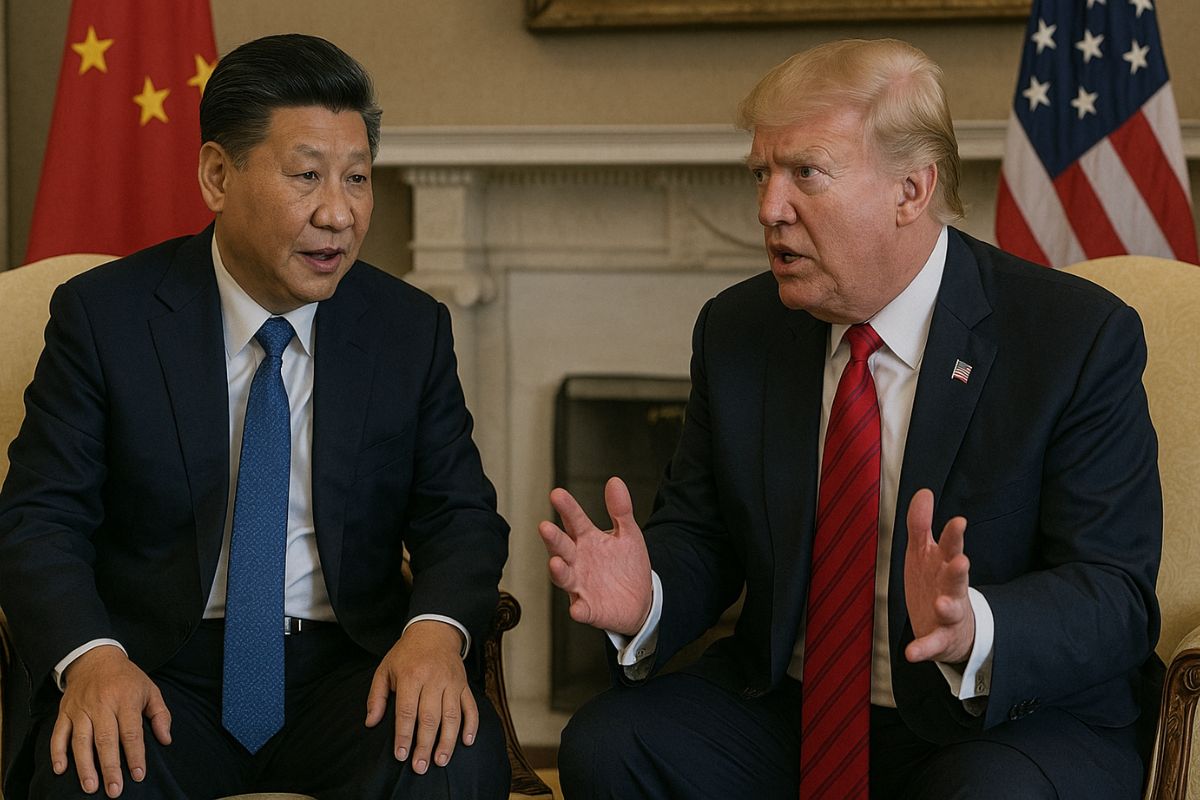
In a Strong Statement, the Chinese Government Condemned the 50% Tariff on Brazilian Products, Classifying the Measure as a Tool of Intimidation and Interference.
According to an article published by the G1 portal, the government of China harshly criticized the decision of U.S. President Donald Trump to impose a 50% tariff on all Brazilian products. The statement, made this Friday (11), raises tensions in the diplomatic crisis between Brasília and Washington and positions China as an ally of Brazil in the geopolitical scenario.
The spokesperson for the Ministry of Foreign Affairs of China, Mao Ning, stated that tariffs should not be used as a “tool of coercion, intimidation, or interference,” and that equality of sovereignty is a fundamental principle of international relations. This declaration was the first from Beijing since Trump announced the “tariff increase.”
The First Statement from Beijing
The criticism from China was direct and forceful. “Equality of sovereignty and non-intervention in domestic affairs are important principles of the UN Charter and basic norms in international relations,” spokesperson Mao Ning said when asked about Trump’s measure.
-
Brazilian city bets on the business environment to generate jobs and attract investments in the energy sector — secretary reveals strategy at Macaé Energy 2026.

-
50 viaducts, 4 tunnels, 28 bridges, and 40 kilometers of bike paths: BR-262 in Espírito Santo will receive 8.6 billion reais for the largest engineering project in the state’s history, inspired by the Immigrant Highway in São Paulo.

-
Brazil produces too much clean energy and doesn’t know what to do with it: over 20% of solar and wind capacity was wasted in 2025 while investors flee and 509 renewable generation projects were abandoned in the last year.

-
Piauí will produce a new fuel that replaces diesel without needing to change anything in the truck’s engine and reduces pollutant gas emissions by half: truck drivers from all over the Northeast are already celebrating the news that will arrive later this decade.


Chinese Foreign Minister Wang Yi also spoke out, stating that “U.S. tariffs undermine the order of international trade.” The Chinese criticism comes shortly after the BRICS summit, held in Rio de Janeiro, where Trump had already threatened member countries with a 10% surcharge for allegedly attempting to undermine the dollar as a global currency.
Trump’s “Tariff Increase” and the Justification Linked to Bolsonaro
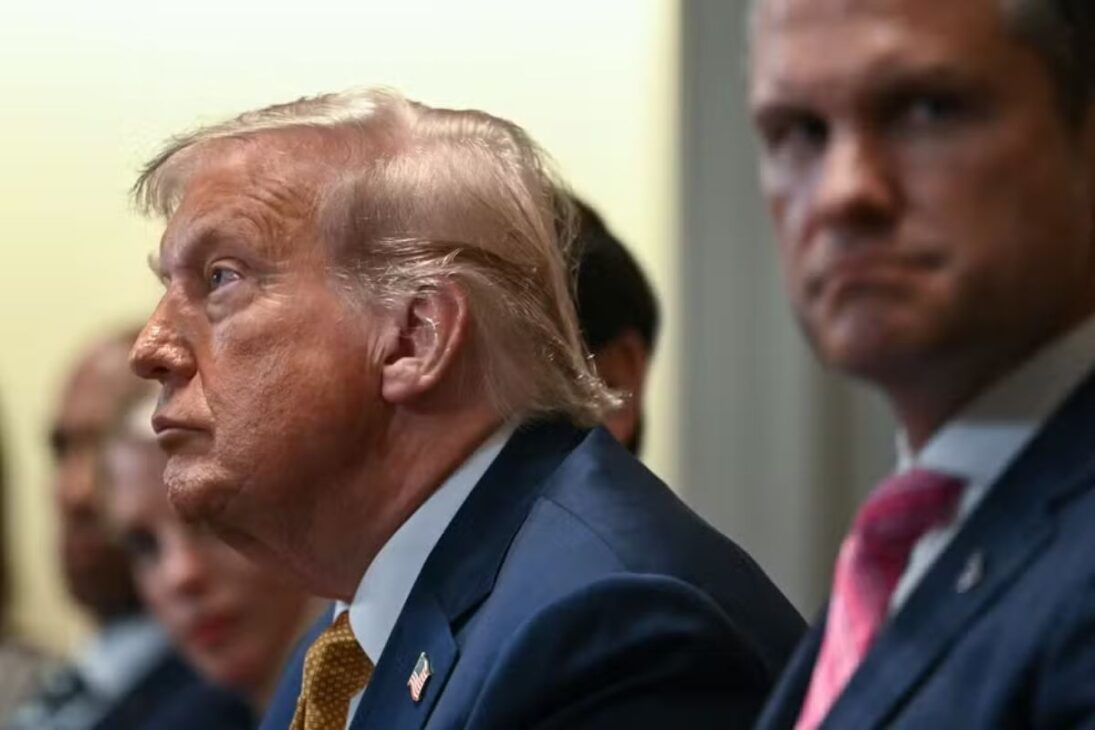
On Wednesday (9), in an announcement that surprised the international scene, Donald Trump published an open letter to President Luiz Inácio Lula da Silva, announcing a 50% tariff on all Brazilian products starting August 1.
To justify the measure, Trump cited former President Jair Bolsonaro (PL), labeling his judgement at the Federal Supreme Court (STF) as “an international embarrassment.” The Republican also claimed, without providing evidence, that the decision was made “due to Brazil’s insidious attacks on free elections and the fundamental violation of Americans’ freedom of expression.
The Response from Brazil and the Reality of the Trade Balance
The Brazilian government reacted firmly. President Lula stated that Brazil “will not accept being tutored by anyone” and that the legal process against those involved in the coup attempt of January 8, 2023, is exclusively within the jurisdiction of Brazilian justice. The government also announced that it would return Trump’s letter to the U.S. embassy.
Trump also argued that trade relations with Brazil are “unfair” and create “unsustainable trade deficits” for the U.S. However, data from the Ministry of Development shows the opposite. Brazil has recorded continued trade deficits with the U.S. since 2009. Over the past 16 years, American sales to Brazil have surpassed imports by US$ 90.28 billion.
The History of the Trade Battle Between China and the U.S.
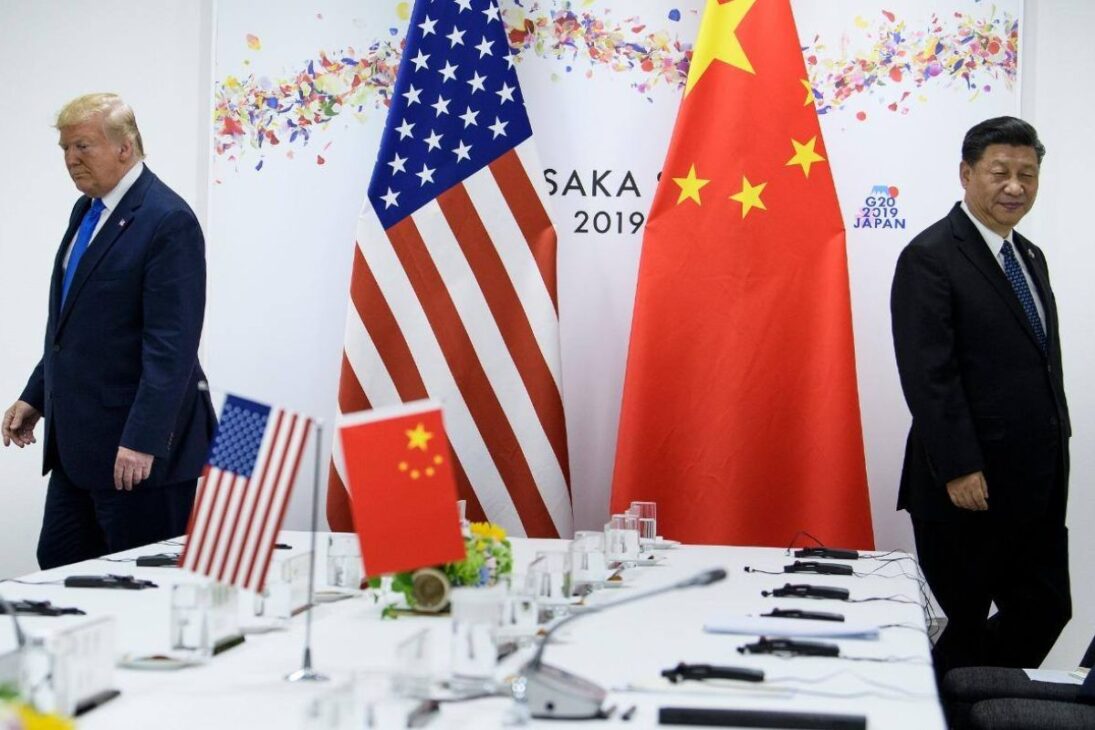
The China has also engaged in a recent tariff battle with the United States. Earlier this year, when Trump announced a tariff increase for several countries, Chinese products received one of the highest rates, at 34%.
Unlike most governments that sought agreements, Beijing retaliated, increasing taxes on U.S. products. The dispute escalated with mutual increases reaching 145% for Chinese products and 125% for American ones. After negotiations, the two countries reached an agreement, reducing tariffs to 30% and 10%, respectively.
What do you think about China’s position in this trade dispute? Leave your opinion in the comments.








Seja o primeiro a reagir!