





 Portuguese
  English
  Spanish
  3 min of reading
  0 comments


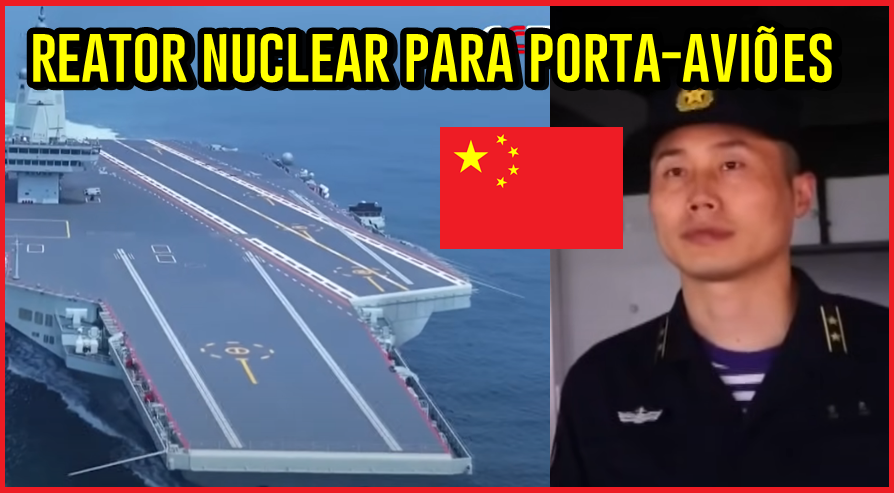
China Is Developing a Nuclear-Powered Aircraft Carrier: What Does This Mean for the Military Future?
In recent years, the world has closely followed China’s technological innovations, particularly regarding its military. Now, a new discovery has revealed that China is in the process of developing a nuclear reactor for an aircraft carrier – marking an advance in the country’s naval capability.
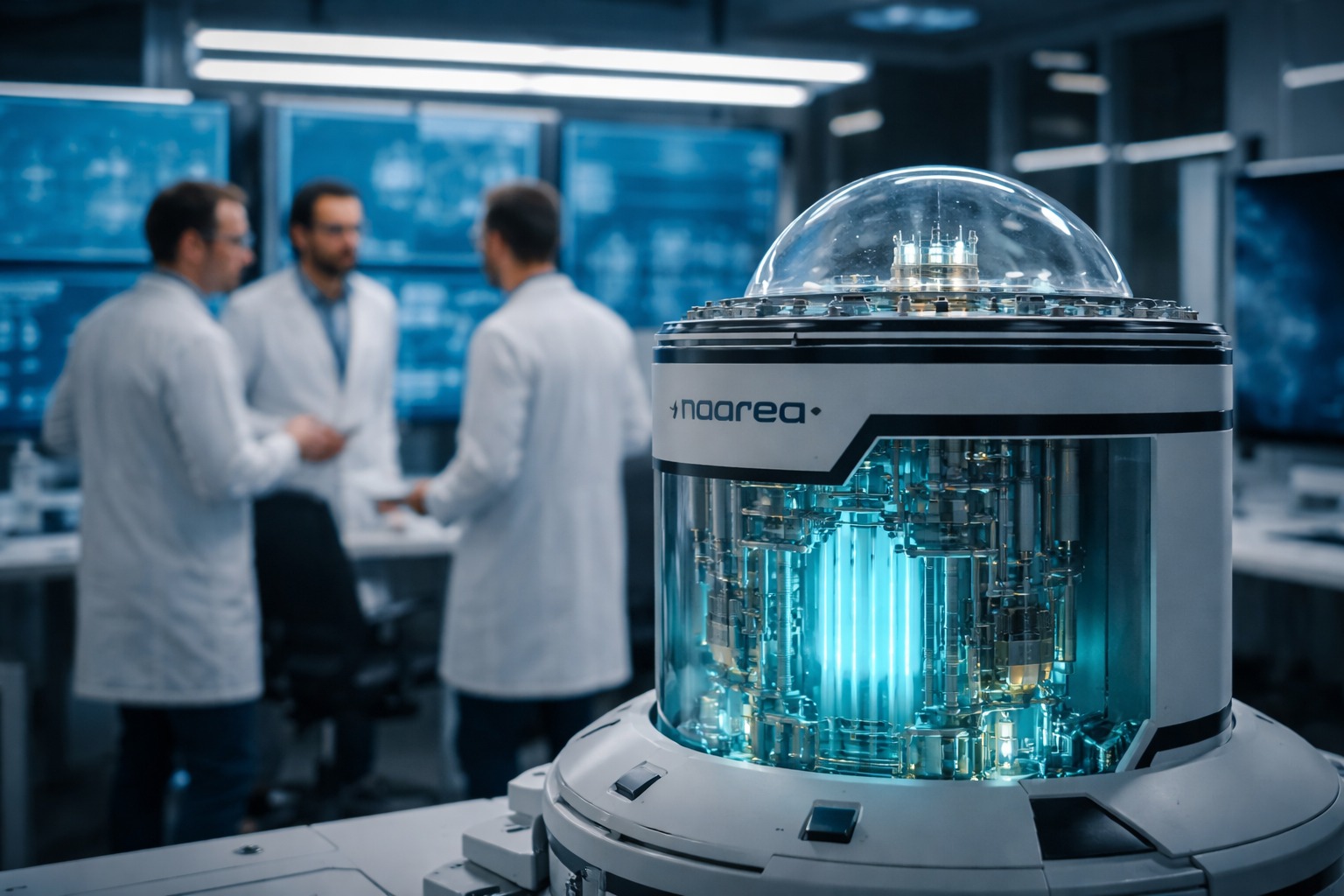
Researchers from the United States have confirmed that China has already constructed a prototype of a land-based nuclear reactor capable of powering a large surface warship.
Indicating that China is working to develop its own nuclear-powered aircraft carriers, placing itself alongside only two other countries: the United States and France, which already possess such carriers.
-
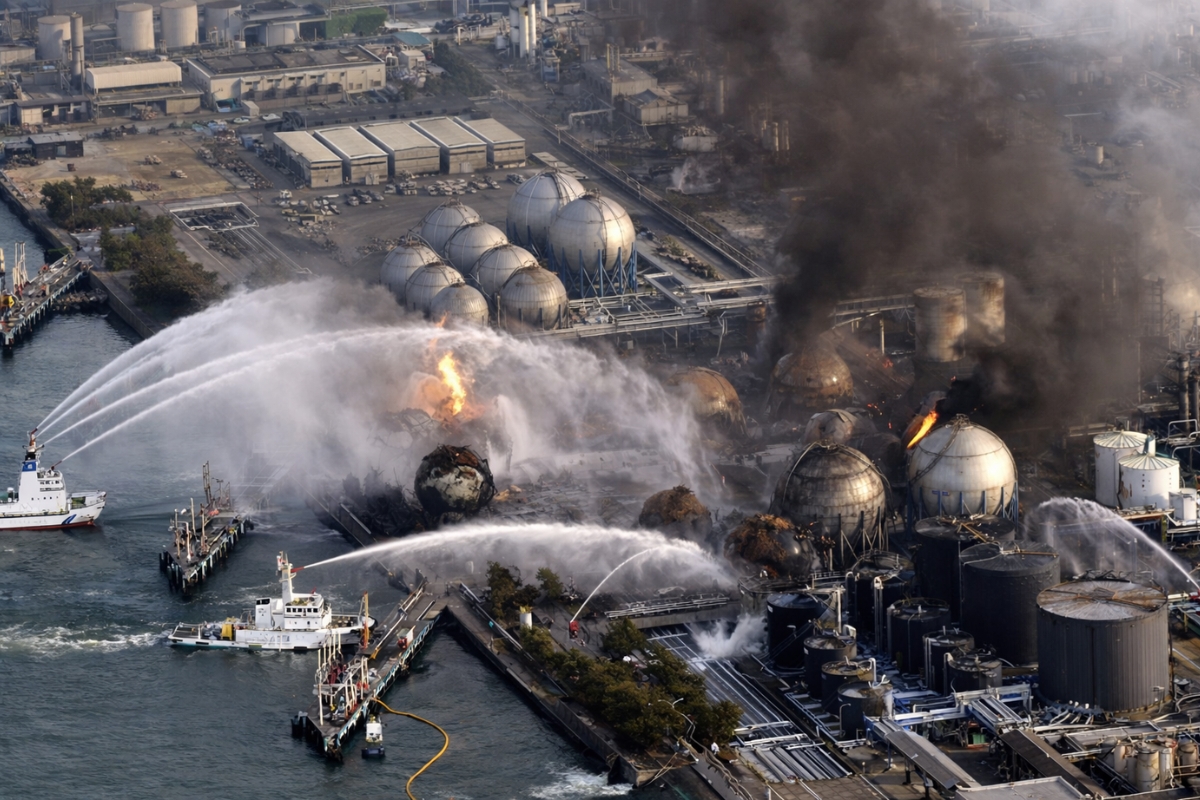
Fukushima Marks A Turning Point In Japan’s Energy Policy: After The Disaster, The Country Shut Down Its 54 Nuclear Reactors And, 15 Years Later, Only A Small Portion Have Returned To Operation
-
How Japan Overcame The Nuclear Bomb And Now Houses Millions In Hiroshima, While Ukraine Lost Chernobyl?

-
Bill Gates Receives Historic Approval to Build Giant 345 MW Nuclear Plant in the U.S. and Promises to Generate Up to 500 MW of Energy with Innovative Technology

-
India Opens Nuclear Energy to Private Capital to Accelerate Projects and Attract Billions, While Brazil Remains Stalled at Angra 3 and Discusses Who Will Foot the Bill for Completion
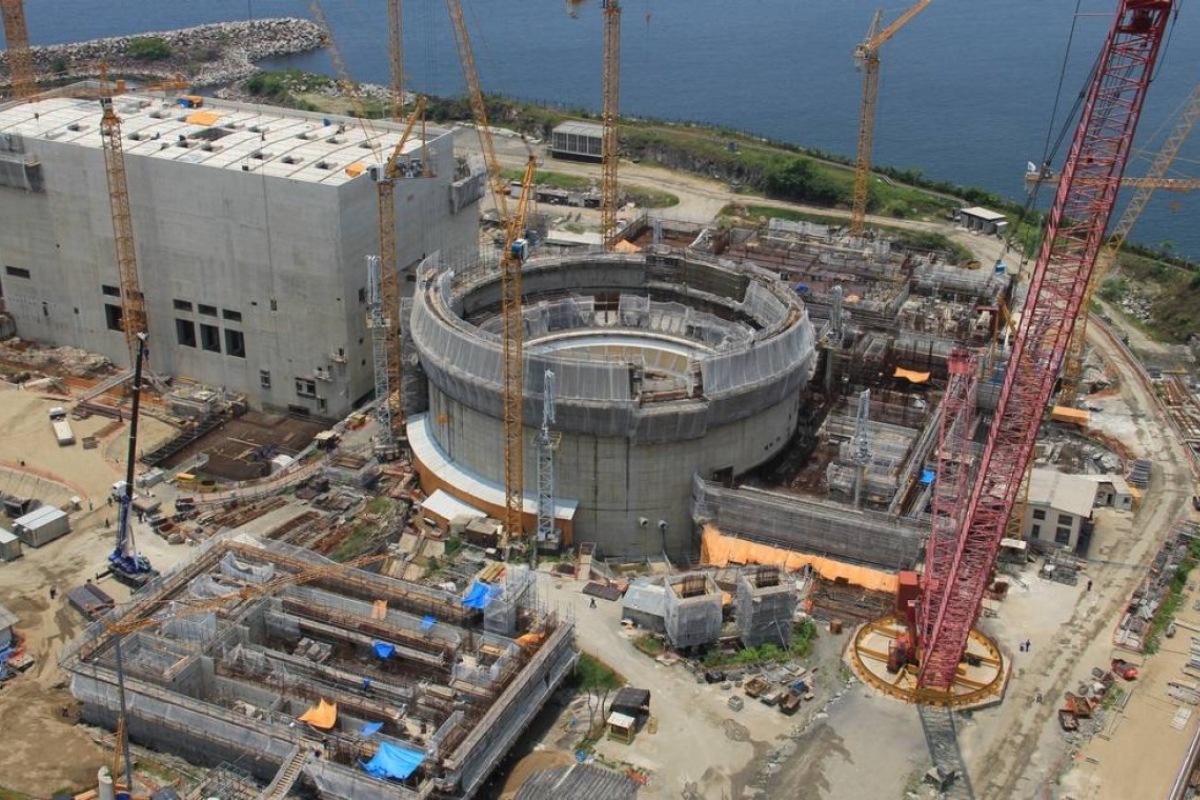
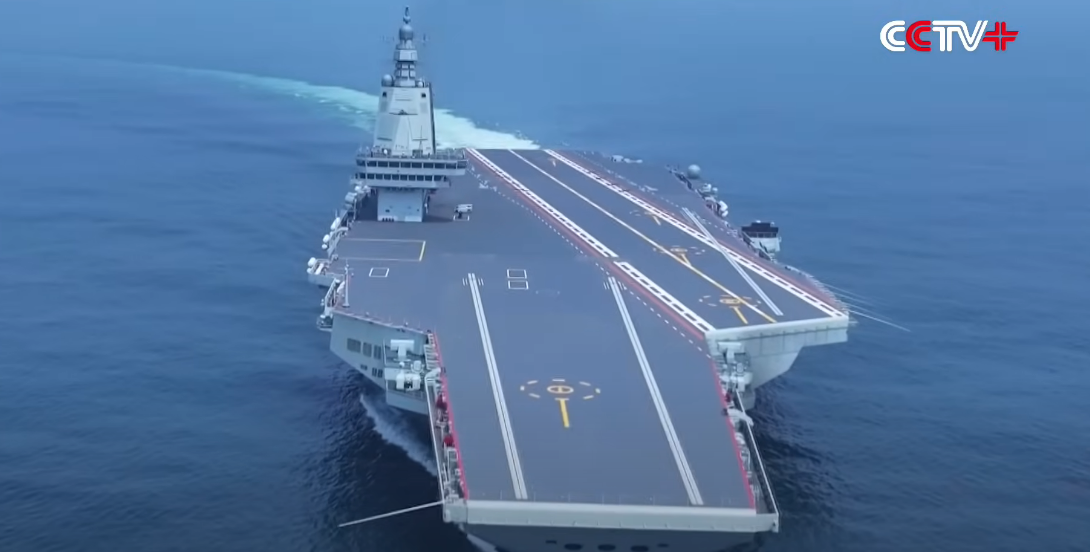
Large Nuclear Reactor – What Makes Nuclear Aircraft Carriers So Special?
Nuclear-powered aircraft carriers are different from traditional ones, which rely on conventional fuel. The key advantage of these ships is their ability to operate for much longer periods at sea without the need for constant refueling.
The nuclear reactor can provide power to the ship for months on end, without the autonomy limitations that characterize fossil fuel-powered aircraft carriers.
Additionally, nuclear propulsion allows the ship to carry more essential resources on board, such as weapons and supplies for the crew, complementing the space that would otherwise be dedicated to fuel.
This capacity for “self-sufficiency” at sea is a significant attraction for naval forces, allowing them to conduct extended operations without worrying about refueling.
However, building a nuclear-powered aircraft carrier is not a simple task. It involves a process that is much longer than constructing traditional aircraft carriers, due to the complexity of nuclear propulsion systems and the safety measures involved.
Nevertheless, once operational, these ships can carry much more payload and operate with significantly greater efficiency.
A Strategic Step for China
The research confirming China’s development of nuclear propulsion was conducted by the Middlebury Institute of International Studies in California.
The analysis was based on satellite images and documents obtained from Beijing by the Associated Press, and it is the first to confirm China’s interests in developing a nuclear aircraft carrier.
This is not only a technological achievement but also a strategic move. China is rapidly approaching the status of the third power to possess nuclear-powered aircraft carriers, a feat that only the United States and France have accomplished thus far.
Moreover, beyond mere prestige, this advancement may alter the dynamics of military power in the Pacific and beyond.
The Global Impact of the Chinese Nuclear Reactor
This development has profound implications for the geopolitical balance. China, already an emerging power, is increasing its presence on the global military stage.
A nuclear aircraft carrier would signify a significant increase in its power projection capability, allowing China to operate more autonomously and for longer periods without relying on foreign ports or refueling.


The construction of a nuclear aircraft carrier can be seen as part of a broader strategy by China to modernize its armed forces and expand its global influence. This also places pressure on other powers, such as the United States, to maintain their military superiority at sea.
While it may still take time for China to have its first nuclear aircraft carriers operational, this is a clear sign that the country is committed to building a world-class navy.
The entire world should watch closely the next steps in this technological journey, which could transform the dynamics of power at sea and possibly across global geopolitics.
With the introduction of nuclear technology into its aircraft carrier fleet, China not only enters an exclusive club but also sets the stage for a more self-sufficient and advanced future at sea. And for the rest of the world, this signifies a new chapter in the naval arms race.









Seja o primeiro a reagir!