





 Portuguese
  English
  Spanish
  3 min of reading
  0 comments


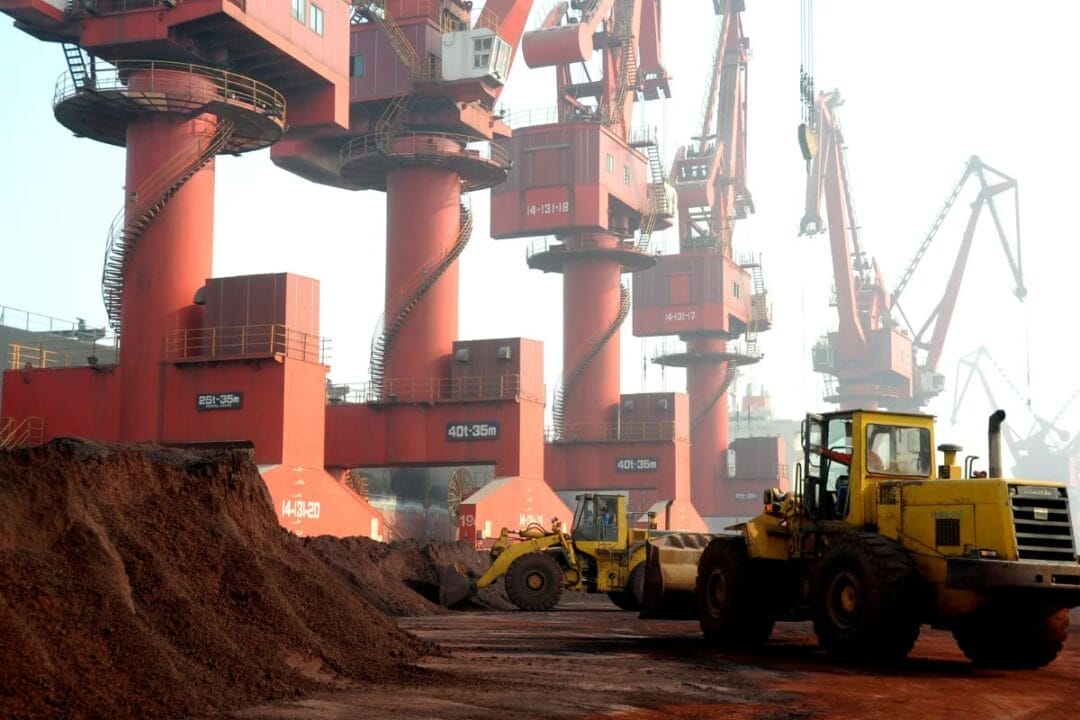
Measure Adopted In April 2025 Affects The US Military And Technology Industry
The decision by China to limit exports of Chinese Rare Earths reignites alarms about strategic dependence. Essential elements used in electric vehicles, smartphones, and missiles will now only be exported with special licenses.
Chinese Rare Earths Become Geopolitical Weapon Amid US Dispute
On April 4, 2025, the Chinese government imposed new restrictions on the export of seven Chinese Rare Earths, including dysprosium, terbium, gadolinium, and yttrium. These materials are vital for sectors such as defense, cutting-edge technology, and electric vehicle production. The measure, according to Beijing, responds to tariffs imposed by Washington.
The Chinese Rare Earths are a group of 17 elements used in the manufacture of permanent magnets and electronic devices. They are present in electric vehicle motors, wind turbines, smartphones, and military equipment such as F-35 fighter jets and Tomahawk missiles.
-
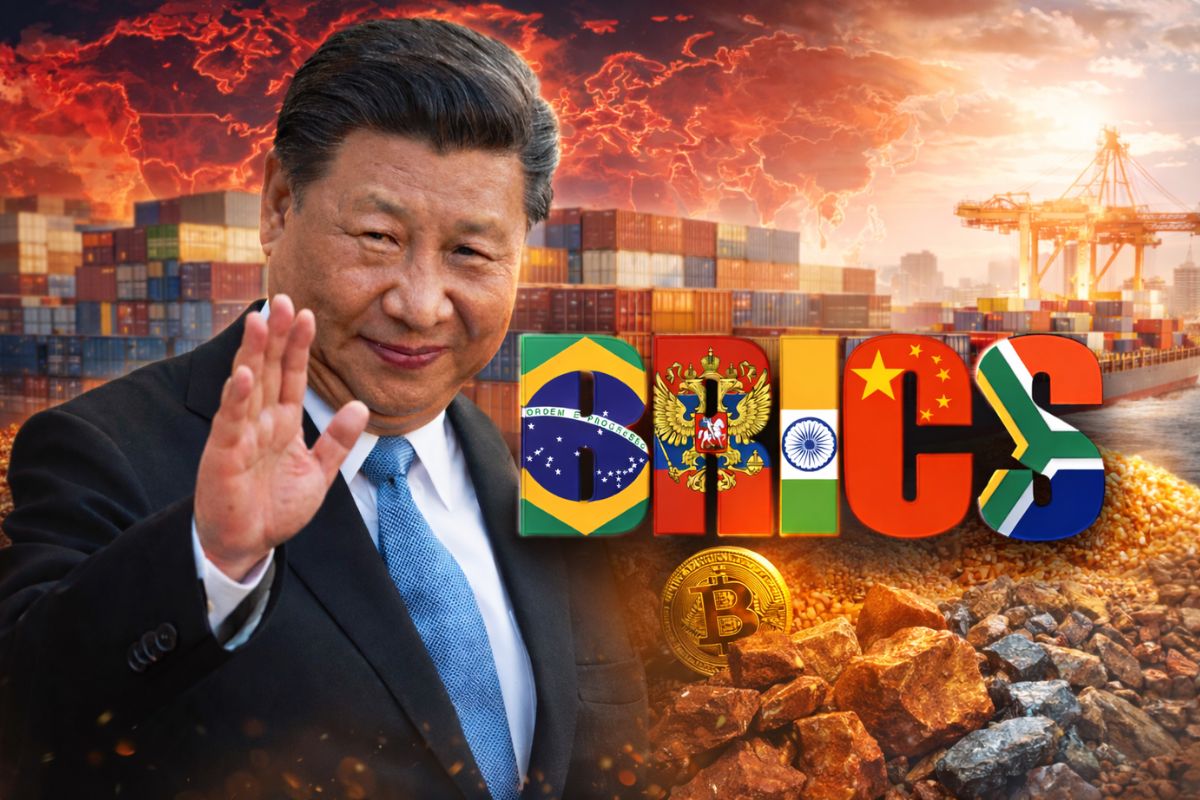
China alone accounts for 70% of trade within the BRICS, while Brazil establishes itself as an essential supplier of food and minerals: understand how the group, which already represents nearly 40% of the world’s GDP, is changing the game.
-
Starting in May, those who do not have registered biometrics will not be able to apply for Bolsa Família, sickness benefits, or unemployment insurance: understand the new rule that changes access to benefits for millions of Brazilians.

-
A new law being voted on in Brazil proposes a minimum fare of R$ 10 per trip and R$ 2.50 per kilometer for Uber and 99 drivers, and promises to ensure they earn as well as taxi drivers did during the golden age of taxis in the country.

-
Bauer Group collapses after failed judicial recovery: 25 years, 800 vehicles, and a network of gas stations leave a debt of R$ 50 million and 100 layoffs, exposing costs, tight margins, and expensive credit in Brazil.


China Dominates The Global Rare Earth Market And Imposes New Deadlines And Barriers
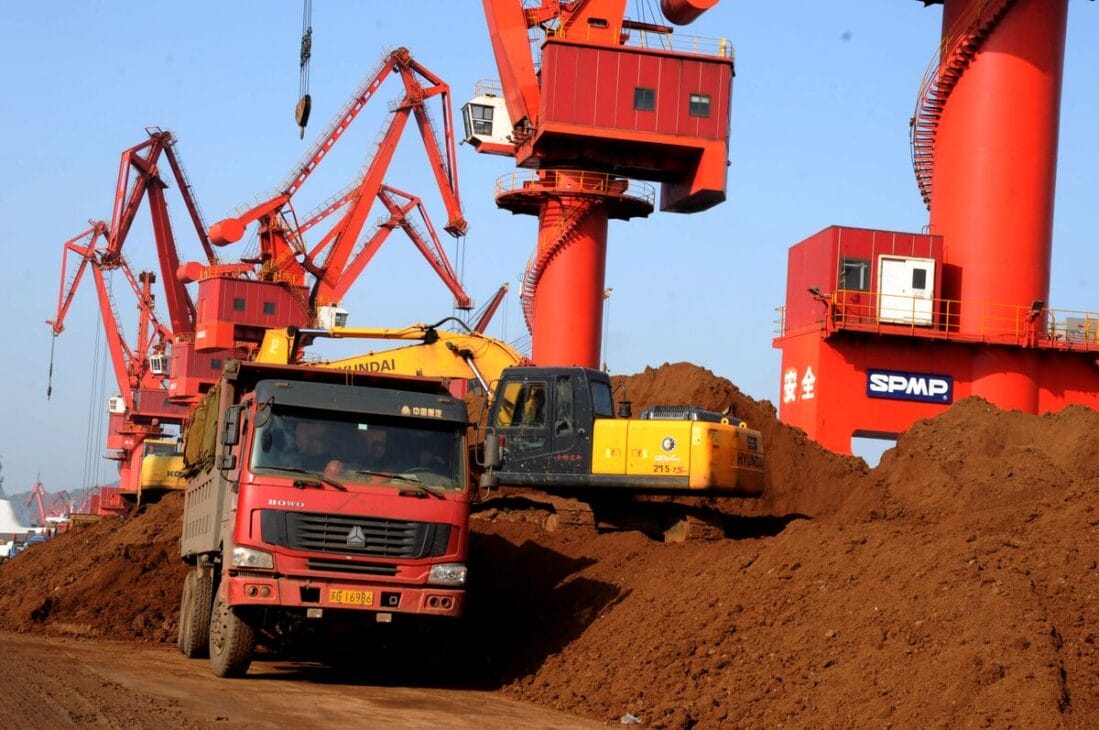
Today, China controls about 70% of global extraction and 90% of processing of Chinese Rare Earths. The new policy requires export licenses for restricted elements, with a deadline of up to 45 days for analysis. The direct impact is the risk of delays and shortages in Western supply chains.
Chinese influence over the sector allows the use of Chinese Rare Earths as a geopolitical pressure tool. The measure directly affects trade flow with the United States, as well as increasing international prices. Dysprosium, for example, has already seen a rise of 24% since the end of March.
US Industry Suffers Immediate Impact From Lack Of Chinese Rare Earths
The US military sector heavily relies on Chinese Rare Earths. Critical technologies for submarines, aircraft, and defense sensors use these materials on a large scale. Meanwhile, the electric vehicle industry fears shutdowns due to a lack of specialized magnetic materials.
This dependence has prompted the US government to act. President Donald Trump signed an executive order to investigate security risks caused by this dependence. The goal is to accelerate domestic extraction projects and reduce exposure to Chinese dominance over inputs.
Alternatives Are Limited And Demand For Chinese Rare Earths Is Expected To Grow
Currently, the US has only one Chinese Rare Earths mine in operation: Mountain Pass in California. However, it struggles to process heavy elements most affected by the restrictions. New mines are being studied in Nebraska and Montana, but they will still take years to begin operations.
The Chinese measure exposes global vulnerabilities in the area of critical resources. The race for autonomy in the production of Chinese Rare Earths will require time, heavy investment, and international cooperation. Until then, Beijing will maintain a strategic advantage in this vital sector.









Seja o primeiro a reagir!