





 Portuguese
  English
  Spanish
  5 min of reading
  2 comments


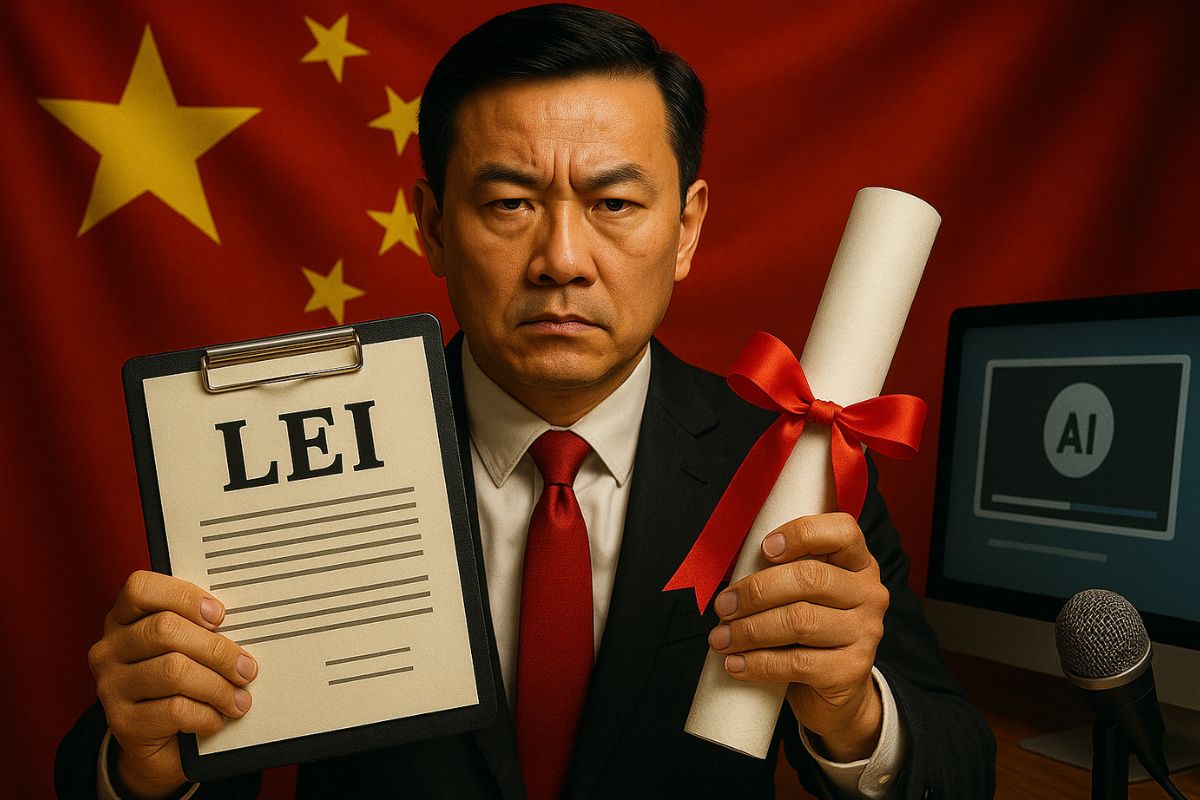


In China, New Rule Transforms The Lives Of Influencers By Requiring Education Or Certification To Talk About Sensitive Topics, Requiring Notice In Videos With Artificial Intelligence And Banning Camouflaged Advertising That Pushes Medications, Supplements And Easy Promises To Millions Of Unwary Followers On Video Platforms, Lives, Stories And Posts.
A “reality shock” in the influencer economy is underway in China. Starting from a new law, talking about investment, health, law or education on social media is no longer free territory for any charismatic profile and now requires a real diploma or technical certification. The scenario where anyone could give “hot tips” on money or “health advice” to millions of people is beginning to change.
At the same time, the regulation targets the heart of a business model that has grown unchecked. The law bans disguised advertising as “friendly advice”, obliges creators to notify when a video uses artificial intelligence and directly targets scam coaches and dangerous advice that circulate on the country’s main platforms. The government’s stated goal is to reduce “fake news” and protect the population from falling into traps packaged as inspiring content.
Mandatory Degree To Talk About Money, Laws, Health And Education
The first axis of the new law is clear: content creators talking about finance, law, medicine and education need to prove academic training or technical certification in these areas.
-
Mothers and daughters come together, create an ‘express’ beauty salon and turn the idea into a network with 21 units, revenue of R$ 16.7 million and 12,000 subscribers.

-
End of the 6×1 schedule: how the reduction of hours can affect service companies, industry, and agribusiness.

-
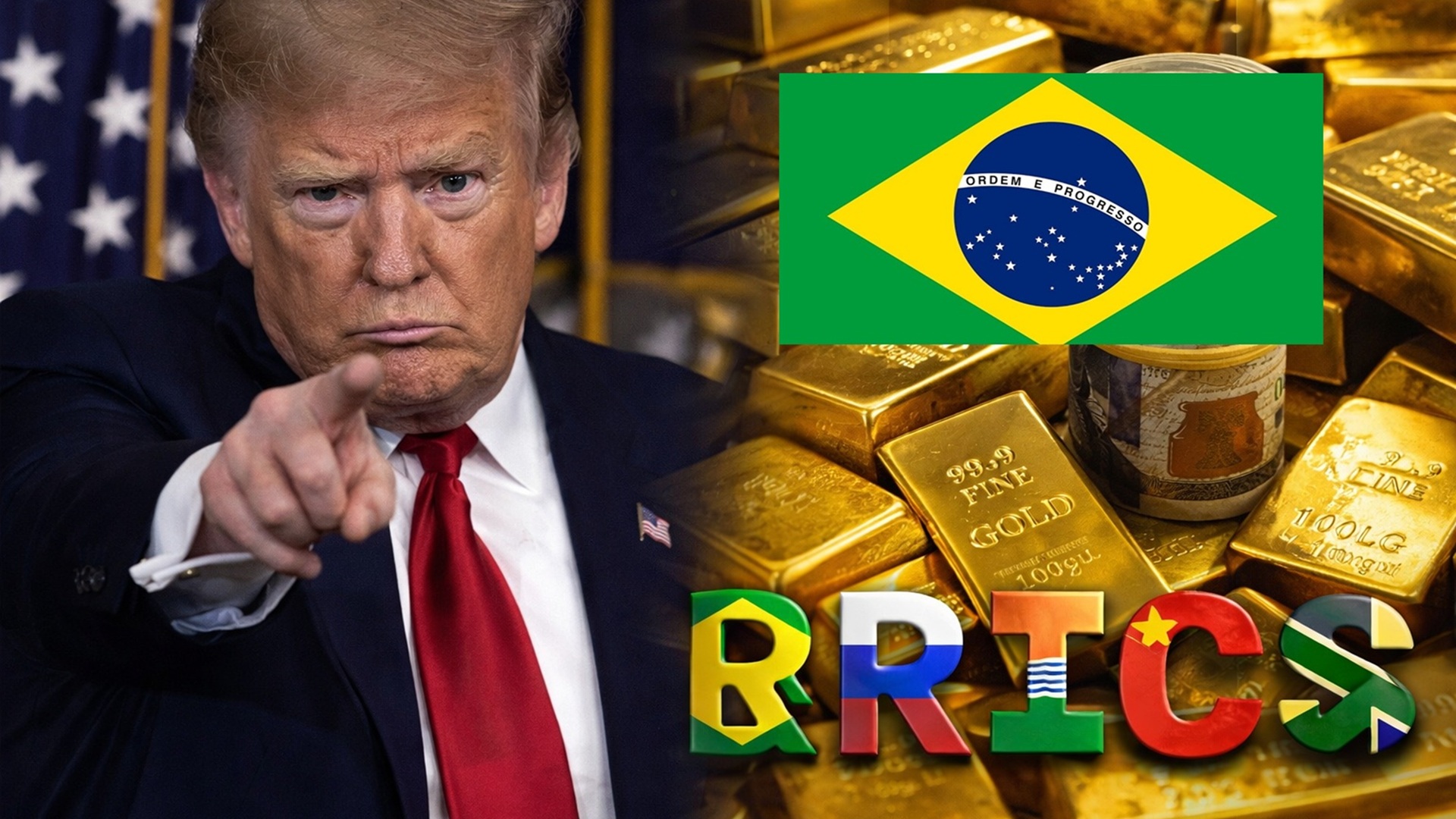
Brazil Ignores Trump’s threats to BRICS, Buys 42 tons of gold and reduces the Dollar’s share by 6.45% in international reserves.
-
Havan buys historic football land in Blumenau for a million-dollar amount protected by a confidentiality clause and is already planning to change even the layout of streets to build a megastore in half-timbered style costing 80 million reais.

In practice, this means that videos about investments, legal explanations, health guidance and educational advice are now treated as specialist subjects, not as curious individuals with good oratory skills.
China places a direct brake on the figure of the influencer who promises to “get rich quick” or “cure everything” without having studied.
The party is over for those who sold authority simply with a beautiful setting, expensive microphone and convincing storytelling. Platforms and creators must adjust to a standard where professional credentials regain central importance when the subject is sensitive.
For the audience, the change tends to reorganize the feed. Instead of a deluge of opinions on money, law or health, users should find voices with proven training, even if they continue to use simple language, short videos and typical formats of social media culture.
The difference is that, if the subject is serious, the technical background becomes mandatory.
Scam Coaches And Dangerous Advice Come Under The Sights Of Platforms
Another declared target of the regulation is “internet coaches who promise miracles without any study”.
For years, this type of profile relied on motivational speeches, catchy phrases, and personal stories to sell wealth-building methods, life changes, or total health transformations. The new law in China shines a light on the risks of this model.
Whenever the content enters the territory of finance, law, medicine or education, motivational speeches now bump up against concrete requirements.
If the creator guides the follower to make investment decisions, change health routines, or base studies on a self-created methodology, a lack of training is no longer a detail. The central message is simple: advice that can change someone’s life cannot come from just anyone.
With this, China seeks to reduce the space for dangerous stories, such as irresponsible recommendations for medications, “cures” without proof, or financial formulas that lead followers into debt. The focus is on reducing the impact of easy promises with difficult consequences.
Disguised Advertising And AI Videos Get New Rules
The law also tackles a practice that has become standard on social media: advertising masquerading as sincere opinions. You know that video where the influencer seems to be just sharing a product “that changed their life,” but is actually a paid campaign? In China, the situation becomes stricter when it comes to medications or supplements.
Content promoting medications, vitamins and other health-related products can no longer hide behind the appearance of spontaneous recommendation.
The “friendly tip” format loses its disguise when, in practice, it is advertising. The concern is that, without this clear separation, many people make decisions about their own bodies based on marketing, not responsible information.
In the field of technology, the new rule requires that videos using artificial intelligence provide notice to the public. If part of the content was created, altered, or boosted by AI, the creator must make this explicit.
The idea is to prevent followers from believing they are seeing something entirely organic when, in reality, there is automatic generation of image, voice, or text behind the piece.
By making AI signaling mandatory, China tries to limit the use of technology in deceptive content, the assembly of artificial personas, or messages that seem more authentic than they really are. Transparency becomes a requirement, not a courtesy.
Impact On The Influencer Economy Inside And Outside China
The changes directly affect the influencer economy, which has been consolidated supported by informal trust, staged authenticity, and recommendations in a conversational tone. By requiring diplomas, ending camouflaged advertising, and exposing the use of artificial intelligence, China redefines what it means to be a creator in sensitive areas.
Those who work properly, with training and responsibility, tend to gain ground. Meanwhile, profiles that relied on shallow advice, magical promises, and ready-made scripts on “how to get rich in a few steps” see their business model threatened.
The regulation doesn’t eliminate the influencer profession, but pulls the activity closer to criteria traditionally applied to journalists, doctors, lawyers, and educators.
Even outside of China, this movement raises alarms for global platforms, brands, and creators. If a major digital power decides to elevate the standards for public interest topics, the discussion is likely to spread.
Anyone monetizing an audience by selling “authority” may need to reinvent themselves, even in other countries, in light of the pressure for more transparency and accountability.
And you, do you think a law like this, similar to China’s, would help or hinder those who consume content on social media every day?









País que organiza a difusão de informações, está cuidado da veracidade da informação e buscando dar garantias para quem as procura. Em ambiente de caos proliferam os falsos profetas.
No Brasil precisa urgente de uma lei exatamente como essa da China.