





 Portuguese
  English
  Spanish
  3 min of reading
  0 comments


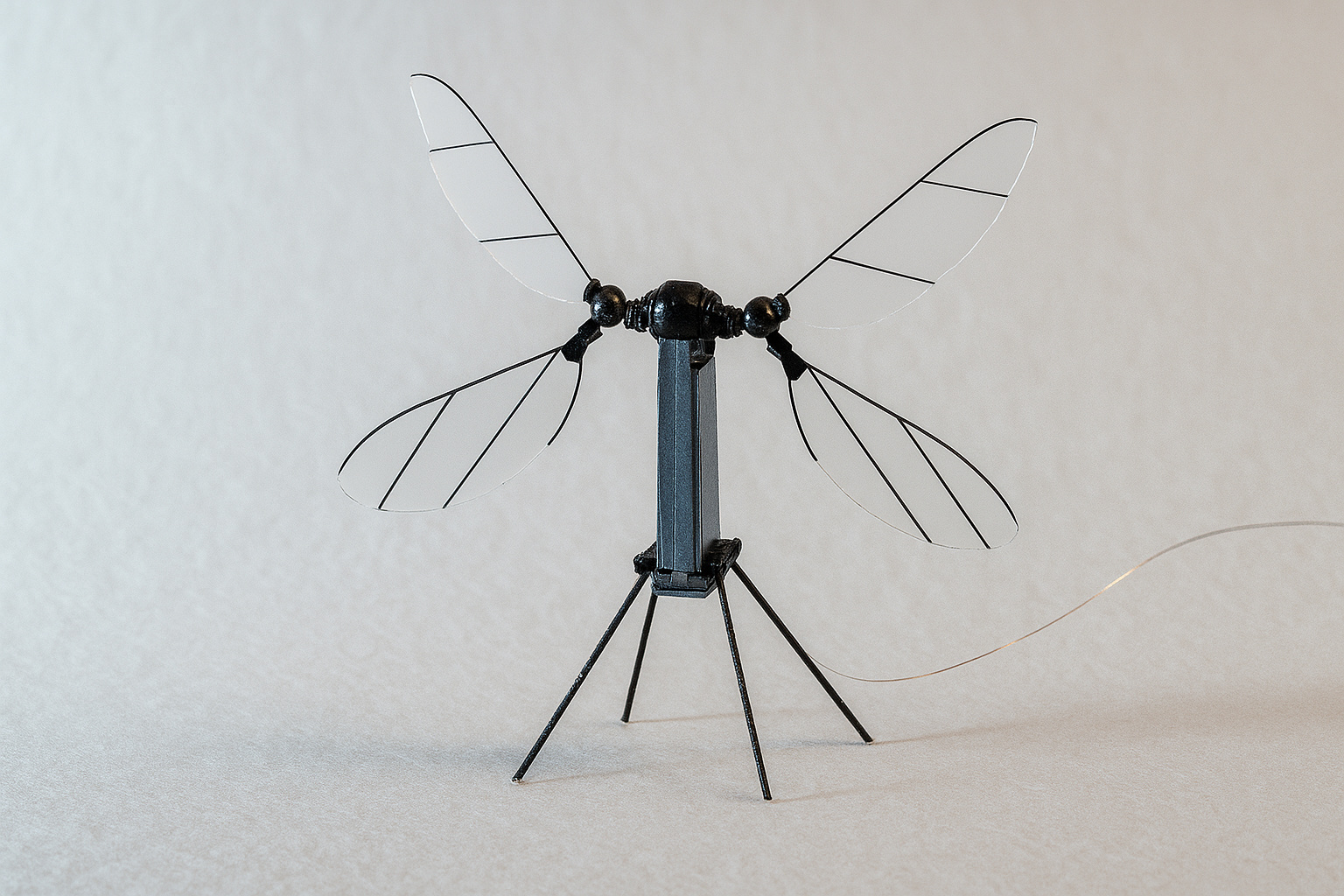
Tiny, The Chinese Bionic Drone Imitates A Real Insect And Is Designed For Reconnaissance, Espionage, And Military Operations In Complex Environments
China has revealed an unusual military drone: it is the size of a mosquito. Created by students at the National University of Defense Technology (NUDT), the microdevice was presented on national television by the state channel CCTV.
The device drew attention for its tiny size, insect-like appearance, and its intended use for secret operations.
According to the project leaders, the drone is ideal for sensitive and complex environments. The intention is to use it for surveillance, reconnaissance, and even covert military operations.
-
Scientists find about 1 million giant live eggs hatching in an active underwater volcano, discover a natural furnace on the ocean floor, and reveal one of the most unlikely nurseries ever seen in the ocean.
-
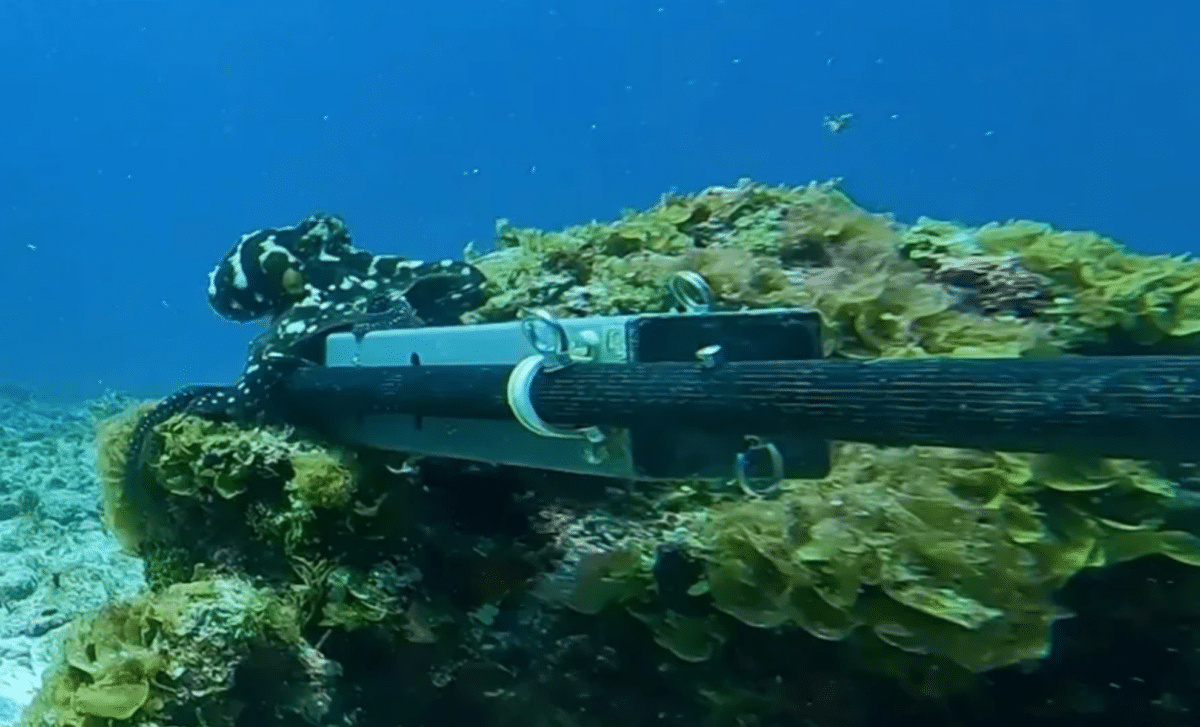
Scientists launched a bait camera to the bottom of the Pacific Ocean and saw something that no one expected.
-
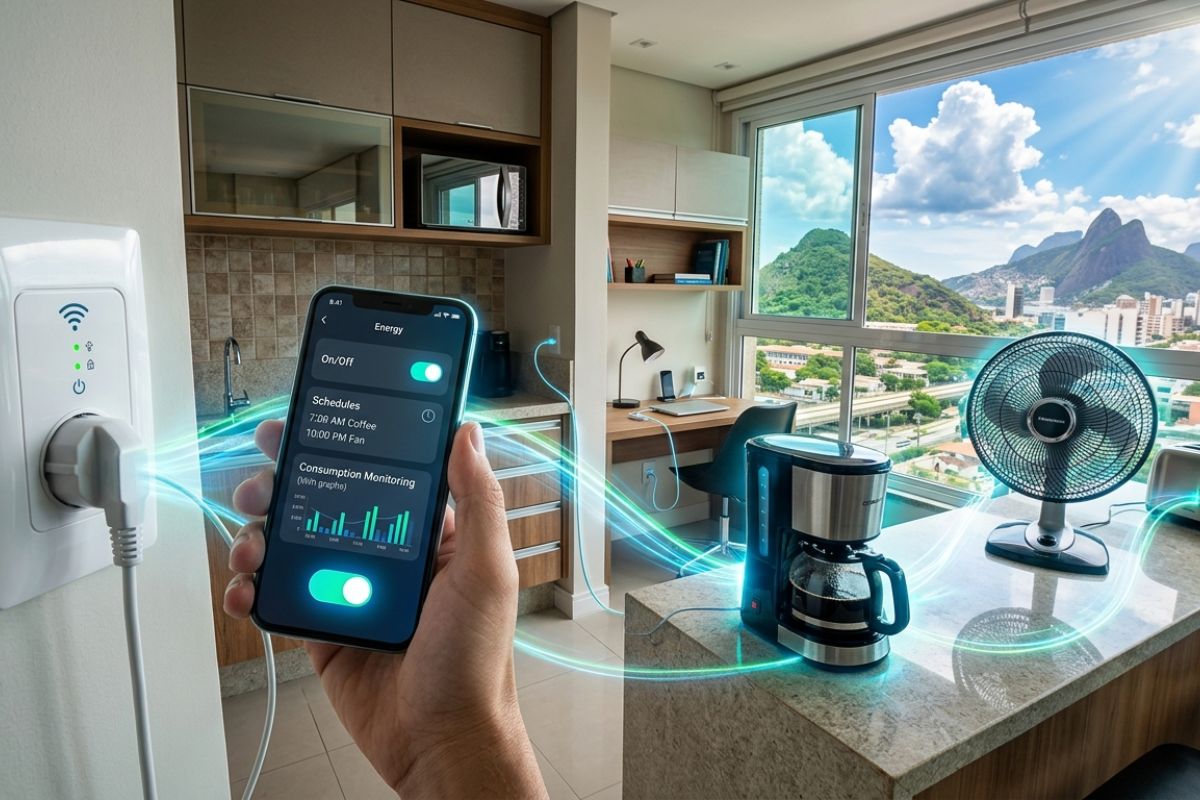
Is a smart plug worth it in a regular home? What does it offer: turns on and off via smartphone, creates routines by schedule, prevents forgotten devices, sometimes monitors consumption, and improves habits without renovation or miracles.
-
Airbus and Mercedes take the G-Class to the skies: the ACH145 helicopter priced at R$ 78 million debuts in São Paulo, unit goes to Brazilian, AMG cabin, 5-blade rotor, and a 2-year wait.


The structure has two leaf-shaped wings that flap like those of a real mosquito. It also has three very thin legs, used to land or perch on surfaces during operations.
During the CCTV report, student Liang Hexiang displayed the device between his fingers. “Here in my hand is a robot that resembles a mosquito. Miniature bionic robots like this are especially suited for information reconnaissance and special missions on the battlefield,” he said.
Small Size And Advanced Technology
The key differentiator of the equipment lies in its compact size. This allows the drone to be easily concealed, making it difficult for enemies or targets to detect during an operation.
Moreover, it integrates power systems, sensors, and control electronics into an extremely small body.
Despite the advantages, designing drones of this scale is a challenge. Components such as batteries, communication, and sensors need to be minimized without sacrificing functionality.
Other Countries Are Also Developing Microdrones
In addition to China, countries like the United States and Norway have also invested in this type of technology. One of the most well-known examples in the West is the “Black Hornet” from Norway. The device is the size of a hand and is already in use by armed forces in several countries.
The latest version, called “Black Hornet 4,” received the Blue UAS Refresh 2025 award from the U.S. Department of Defense. Highlights of the model include longer battery life, weather resistance, and communication range.
In the United States, the Air Force confirmed in 2021 that it was also developing drones of this type. However, there is currently no information on completed versions or effective use in the field.
Another well-known initiative is “RoboBee” from Harvard University. It can fly, land, and even transition from water to air, thanks to its system of movable wings.
Applications Outside The Military Sector
The applications of microdrones are not limited to the military sector. There are medical use projects, such as precision surgery, drug delivery, and imaging exams. There are also studies on their use in environmental monitoring, pollution tracking, agricultural surveillance, and response to natural disasters.
With advances in microrobotics, miniature drones are becoming increasingly relevant. The Chinese case reinforces this global trend, showing that new reconnaissance tools are being developed worldwide.
With information from Interesting Engineering.






-

-

-

-

13 pessoas reagiram a isso.