





 Portuguese
  English
  Spanish
  3 min of reading
  0 comments



China Is Rapidly Advancing in Its Naval Strategy and, According to Recent Satellite Images, May Be Building the Largest Nuclear Aircraft Carrier in Its Fleet. The Ship Will Have Four Launch Pads, an Unprecedented Feat in Chinese Naval Engineering, Aiming to Compete with the Giants of the United States Navy, Such as the USS Gerald Ford.
If confirmed, this will be China’s fourth nuclear aircraft carrier, strengthening the country’s growing military influence in Asia and around the world. However, Beijing has yet to make an official announcement about the project.
In recent years, China has heavily invested in its naval fleet. Currently, the country has three operational aircraft carriers and seeks to close the gap with the U.S., which has 11 units. The new nuclear aircraft carrier could be a crucial step in this strategy.
The Chinese naval development is part of a broader effort to project military power in the Indo-Pacific region, where there is a growing competition for influence between Washington and Beijing.
-
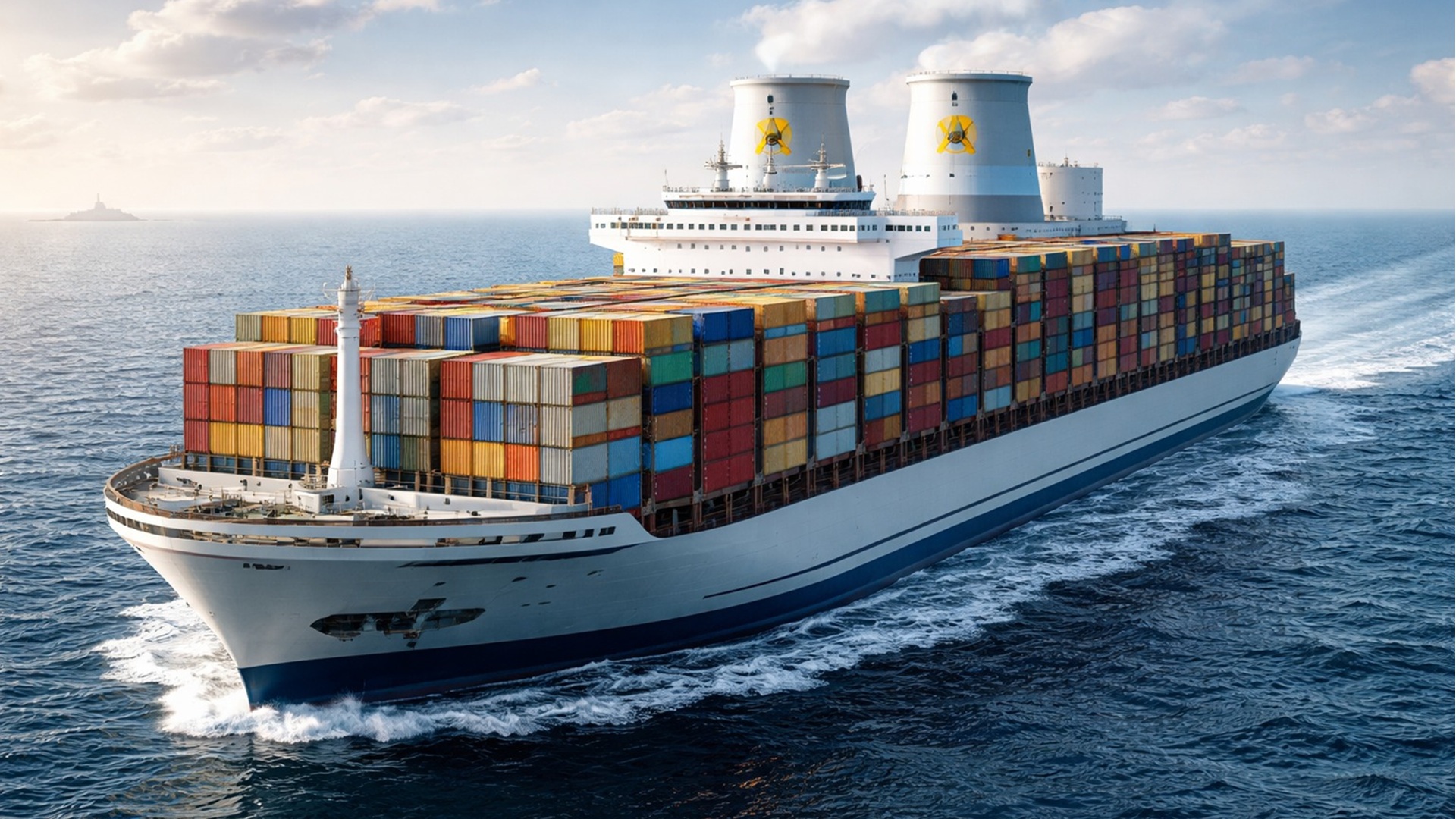
Ocean Giant Could Change Everything: Nuclear Container Ship Project Promises to Transport 16,000 Containers Without Using Fossil Fuels
-
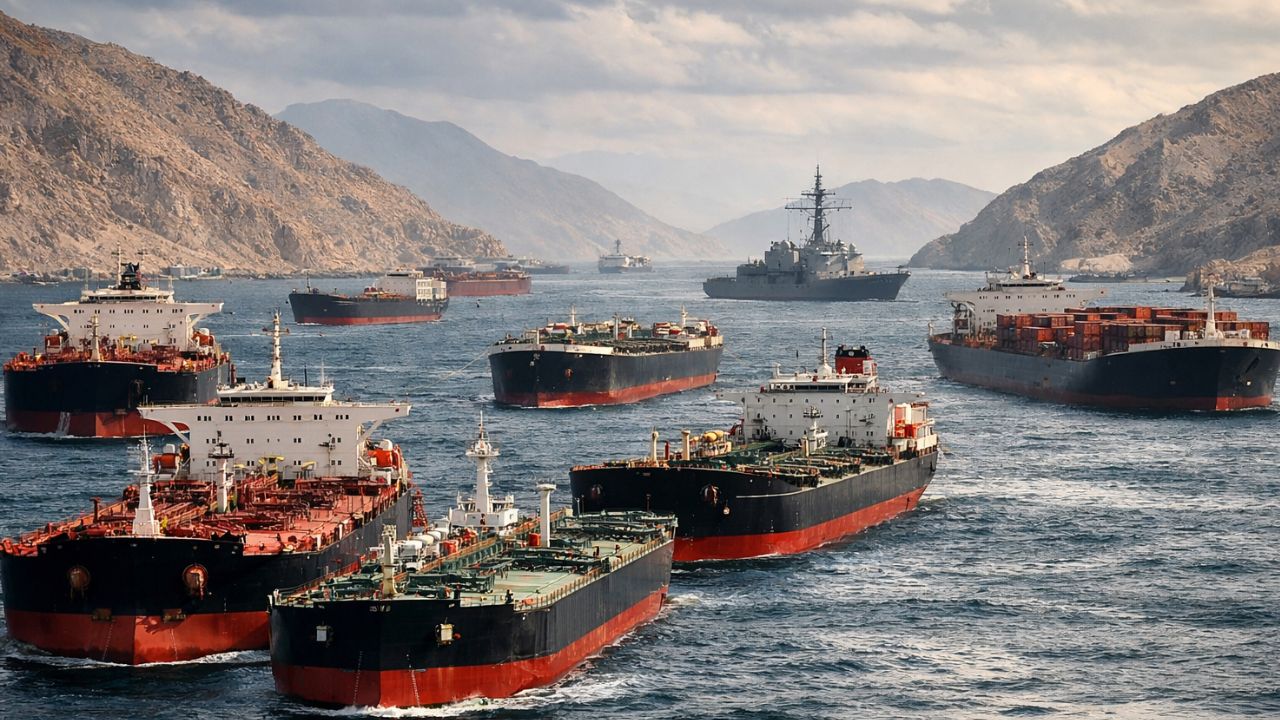
Hormuz Strait: Hundreds of Ships and Oil Tankers Stranded After Attacks in the Middle East
-
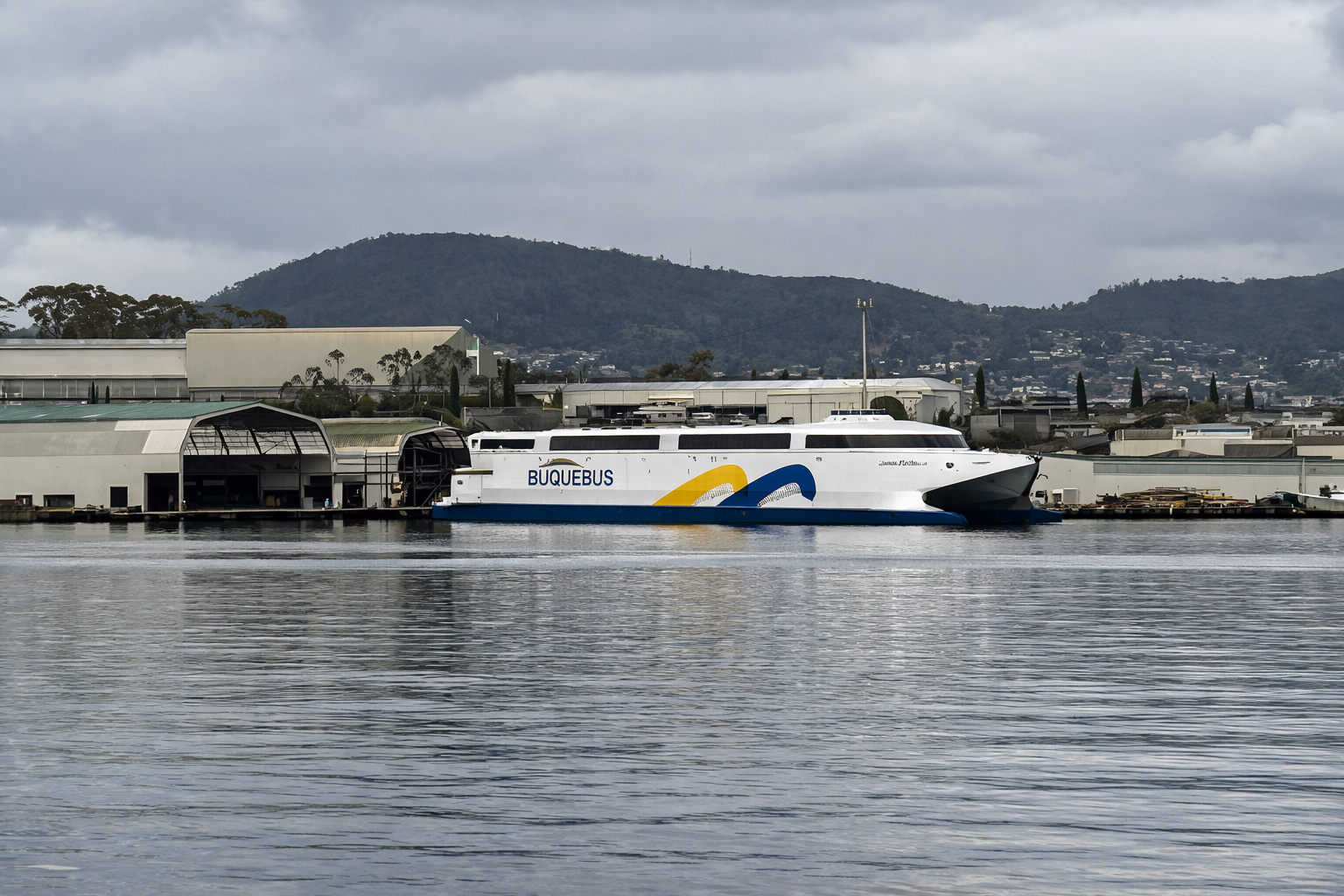
World’s Largest Electric Ship, China Zorrilla, Will Connect Argentina and Uruguay Across the Río de la Plata with a $200 Million Investment and Operations Planned for 2026
-
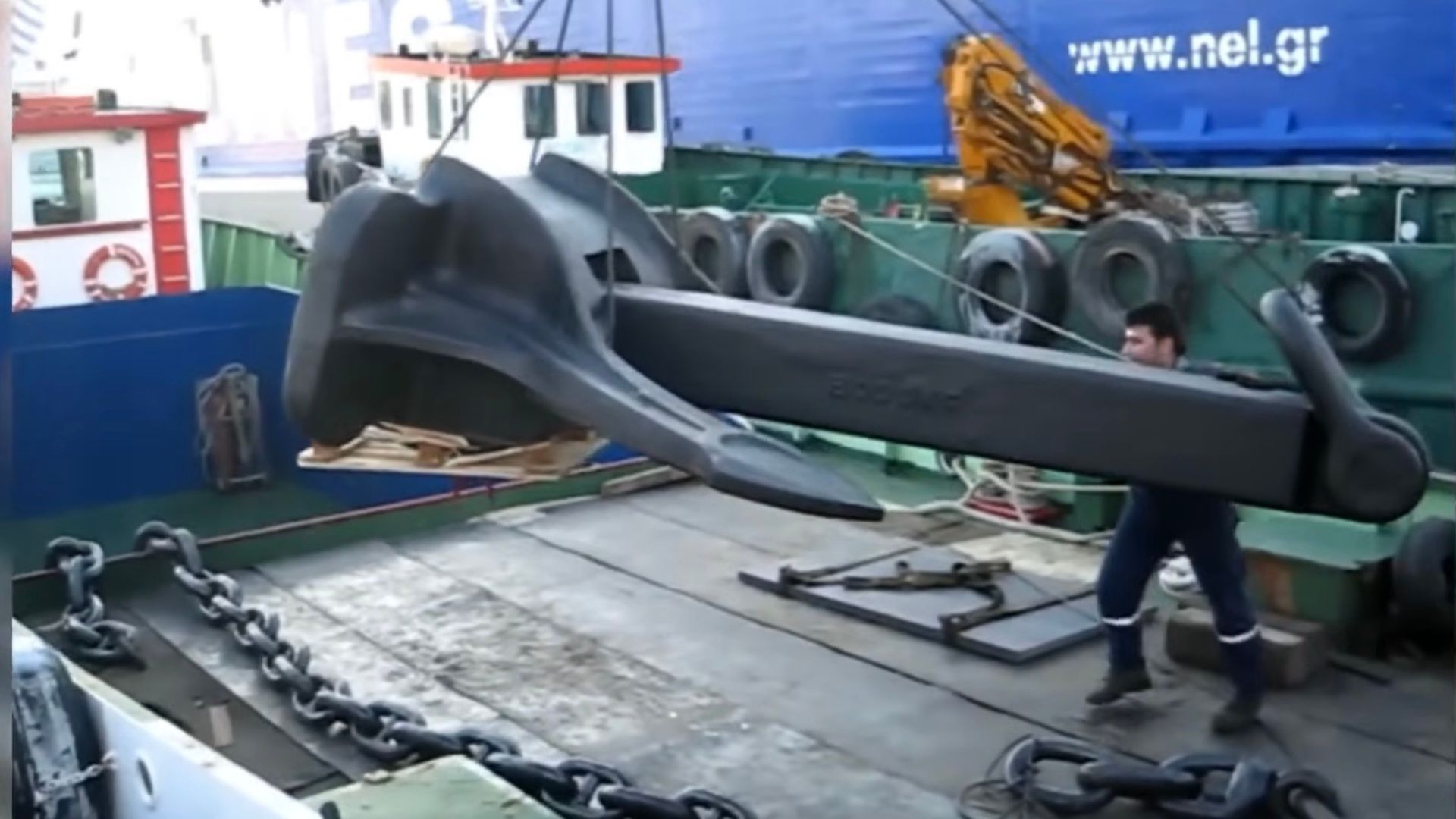
How A 20-Ton Anchor Holds 200,000-Ton Ships Even Under Extreme Winds And Why It Fails In The Deep Ocean

The Dominance of the U.S. Navy

Despite the Chinese advancement, the United States remains the world’s largest naval power. The American fleet is highly experienced and features cutting-edge technology, as well as strategic bases in various parts of the globe.
However, experts believe that China may, in a few decades, reach a comparable level of influence in the Pacific, making naval competition even more intense.
The New Chinese Nuclear Aircraft Carrier
Satellite images taken of the Dalian shipyard in Liaoning province show clear signs that a super aircraft carrier is being developed. Analysis of the photos by Maxar Technologies suggests that this could be the Type 04 aircraft carrier, equipped with advanced technology.
Researcher Michael Duitsman from the James Martin Center for Nonproliferation Studies stated in an interview with MSNBC that the layouts observed in the images indicate that this may be a test facility for the new ship.
Four Catapult Launch Pads
The major differentiator of this new nuclear aircraft carrier will be the inclusion of four catapults, something never seen on a ship in the Chinese fleet. These catapults are essential for increasing aircraft launch capacity, allowing more fighters to take off quickly during military operations.
If this project comes to fruition, China will have one of the most powerful aircraft carriers in the world, further diminishing the U.S. military advantage.
International Reactions and Military Impact
The growth of the Chinese naval fleet has been closely monitored by the United States. U.S. Secretary of Defense Pete Hegseth warned that China represents a growing threat, with “the capability and intent” to challenge American interests in the Indo-Pacific.
In light of this situation, the U.S. has reinforced its military presence in the region, establishing strategic partnerships with allies such as Japan, Australia, and India.
The Future of Naval Warfare and the Role of AI
As China invests in nuclear aircraft carriers, experts point out that the future of naval warfare may lie in unmanned vessels and the use of military drones.
Military analyst Ni Lexiong stated that China will continue to develop large ships, but warned that in the future, the global navy may rely more on autonomous technologies and artificial intelligence than on traditional nuclear aircraft carriers.








-

3 pessoas reagiram a isso.