





 Portuguese
  English
  Spanish
  6 min of reading
  0 comments


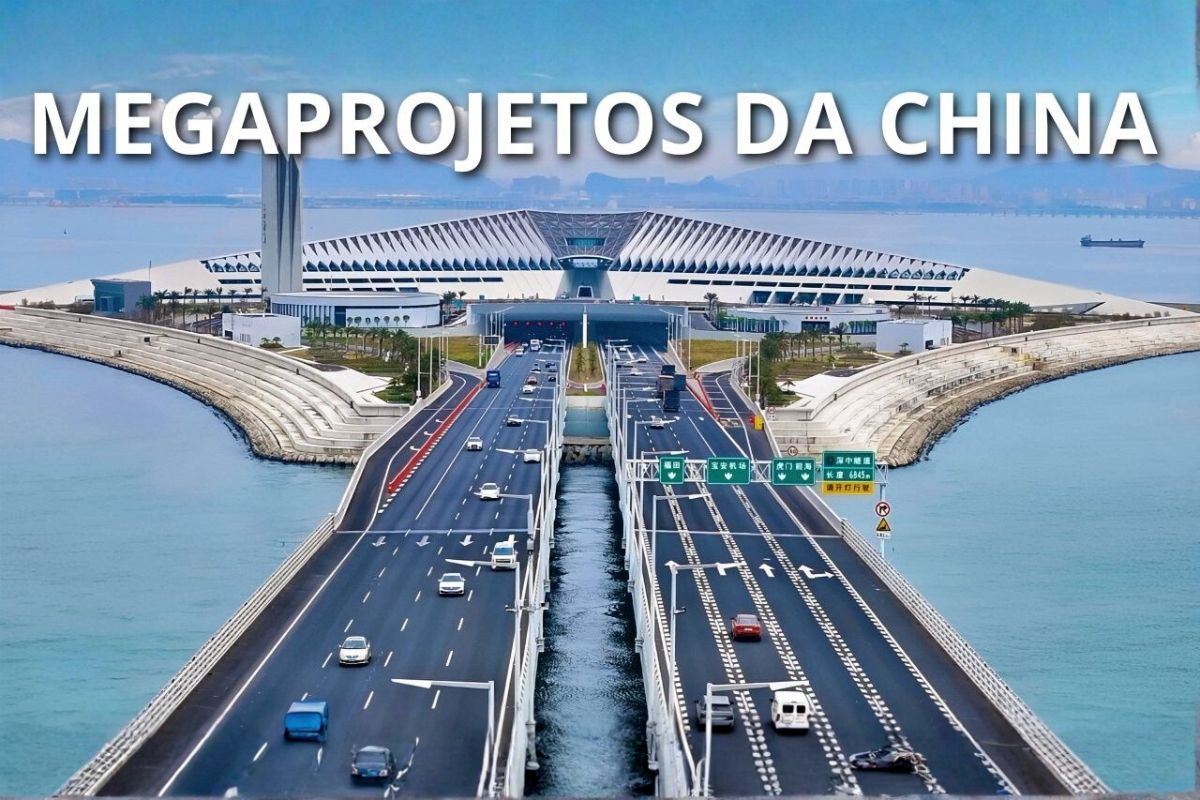
In Future China, Engineering Integrates Skyscrapers, Tunnels, Maritime Bridges, High-Altitude Railways, Supercomputing, and Wind Farms to Reconfigure Territory, Mobility, and Energy on a Continental Scale
What defines Future China is not just height, extent, or isolated records. It is the ability to transform geography into infrastructure, connecting entire regions with architectural, transportation, and energy solutions that function as systems. From mountain to sea, from desert to megalopolis, the country operates a living laboratory of applied engineering, where each project addresses a real bottleneck in mobility, water, energy, data, or urban occupation.
This ecosystem combines construction consortia, universities, and R&D centers, which produce bullet trains that maintain second precision, elevated monorails for dense areas, multipurpose dams that manage floods and navigation, offshore wind farms with hundreds of turbines, and supercomputing centers that power AI and robotics. It is the sum of these blocks that explains who drives change, where it advances, how much it delivers at scale, and why it redefines the everyday lives of millions.
Vertical Cities, Sky Bridges, and Architecture That Dialogues With Nature
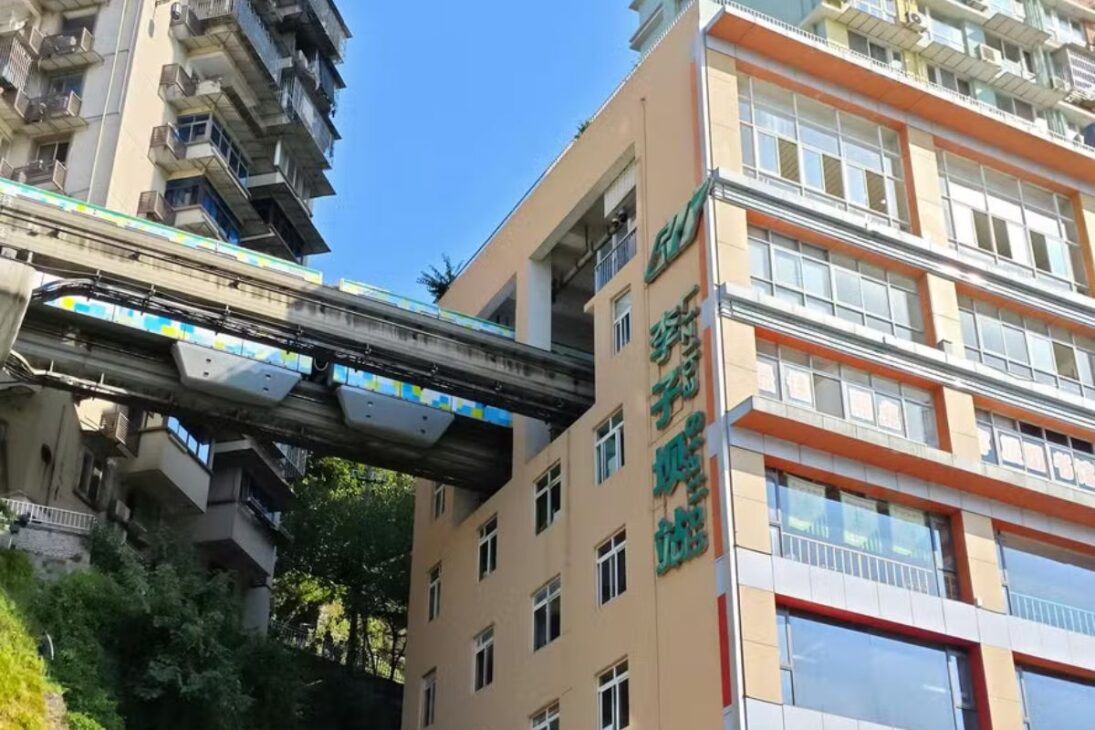
Future China creates centralities that mix housing, work, and leisure into integrated structures.
-
A scientist proved with a thermal camera that the fan does not cool the environment but reduces the temperature of your skin by up to 6 degrees thanks to a natural mechanism of the human body that almost no one understands how it really works.

-
Scientists find a new explanation for the origin of Earth, which may have formed solely from material close to the Sun, changing an old theory and indicating that Jupiter may have been the cause of it all.

-
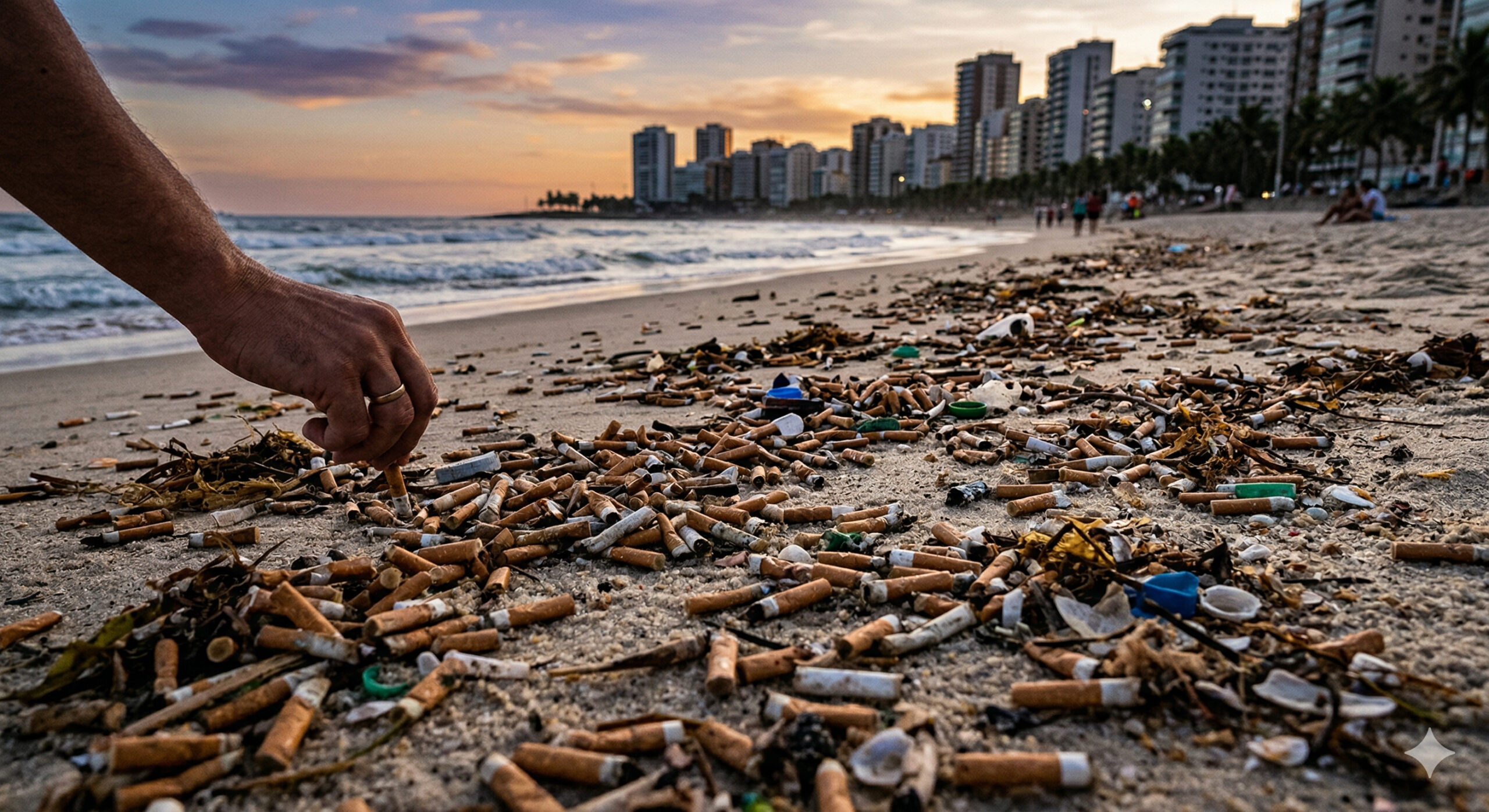
Brazilian beaches are among the most contaminated in the world by cigarette butts, with levels up to 40 times above the global average and areas where this waste already represents the majority of all the trash found.
-
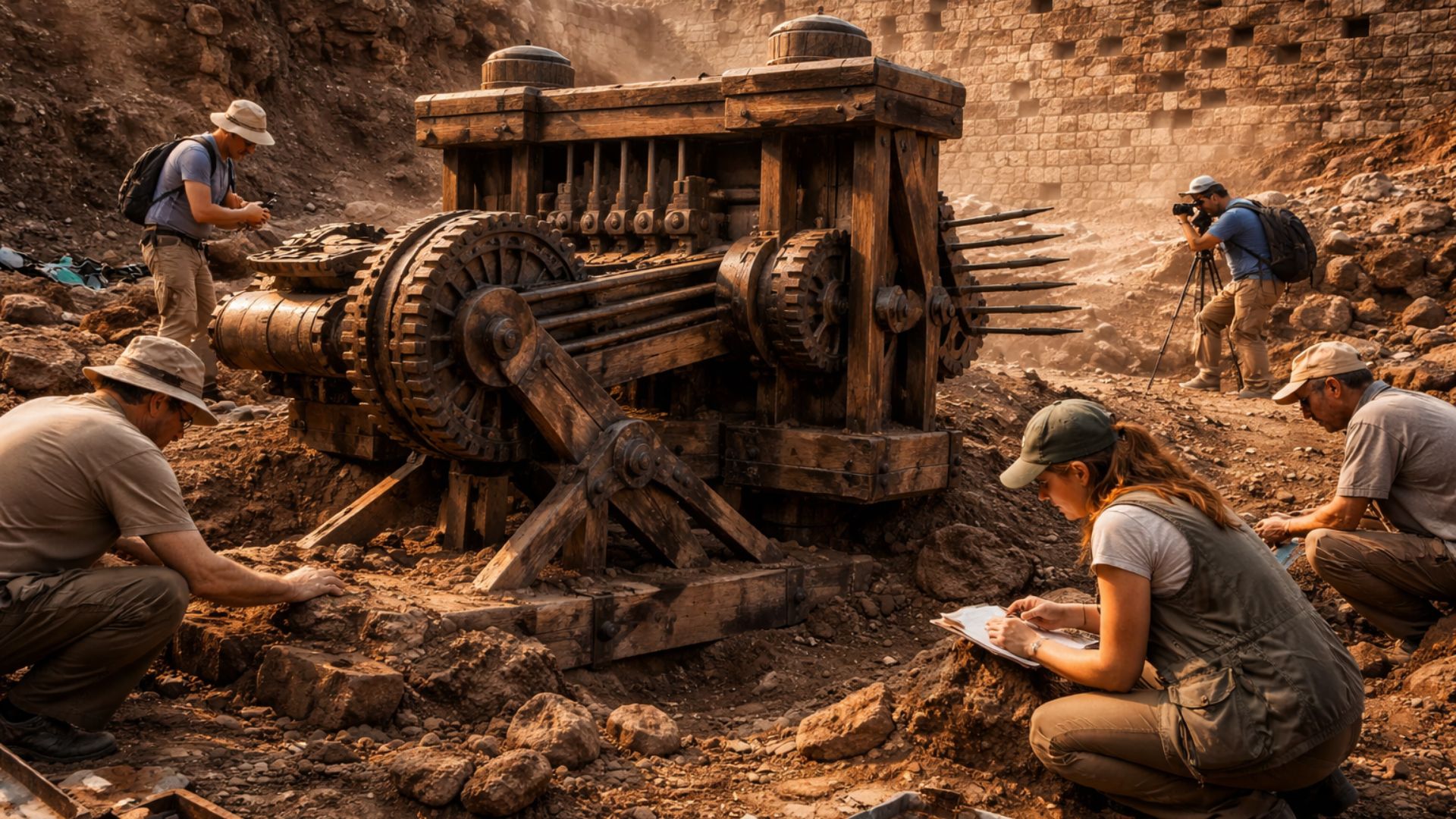
2,000-Year-Old Machine Gun: Roman weapon found in Pompeii fires arrows at 109 m/s with an automatic gear mechanism, leaving perfect geometric patterns on the walls and proving its real use in the siege of 89 B.C.

Sets of skyscrapers interconnected by livable horizontal bridges function as streets in the sky, with viewpoints, walkways, and cultural spaces connecting towers.
This design frees the ground floor, improves circulation, and creates urban icons that guide the landscape.
At the same time, urban mountain gardens emerge with trees distributed across tiers, where the facade changes with the seasons.
The premise is simple and technical: increase the effective green area, promote thermal comfort, and reduce heat islands without losing density.
The result is a three-dimensional occupation that treats architecture and vegetation as a single system.
Infrastructure to Overcome Extreme Geography
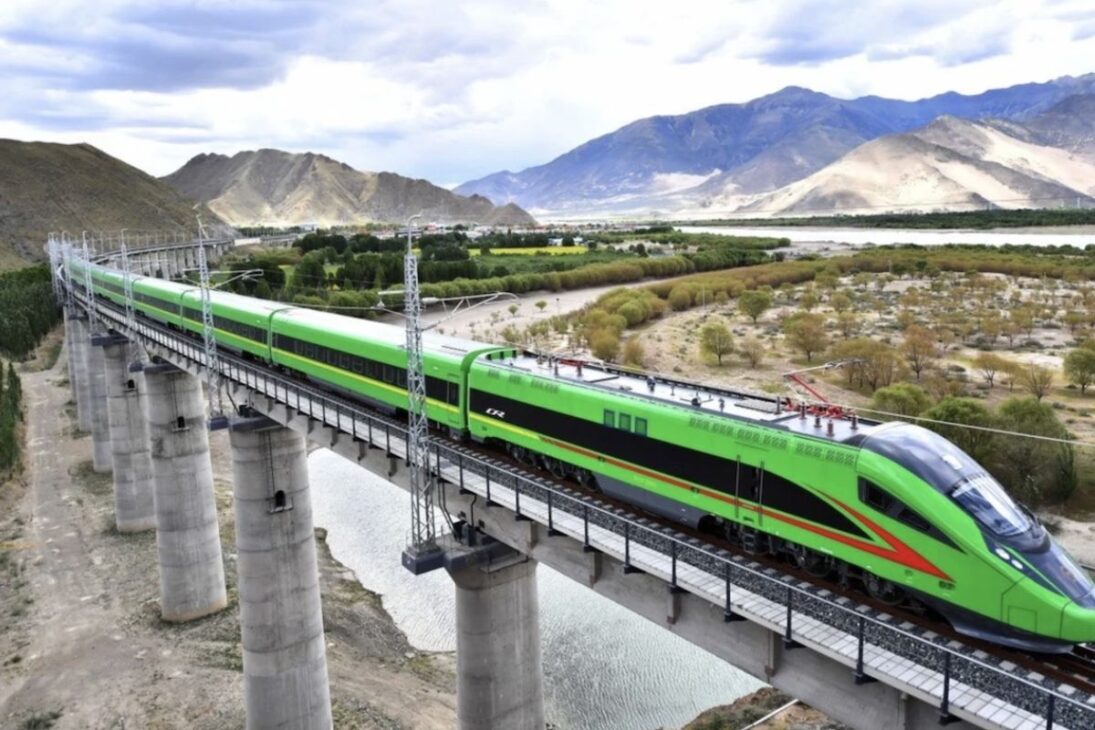
Railways cross plateaus at almost 5,000 m altitude, with pressurized cars and supplemental oxygen to maintain safety and comfort.
Long viaducts and tunnels smooth curves and ramps, preserving cruising speed and regularity even under extreme snow, sand, cold, or heat.
This is not aesthetics; it is reliability engineering.
In remote areas, “stair-step” highways overcome large gradients with controlled inclines, crossing hundreds of viaducts and dozens of tunnels.
In risk-prone territories, vertical metal stairs have replaced old rope routes, reducing travel time from hours to minutes with lightweight, modular materials.
Each project addresses a specific physical problem: altitude, slope, soil instability, or historical isolation.
Colossal Hydraulics: Energy, Sediments, and Navigation
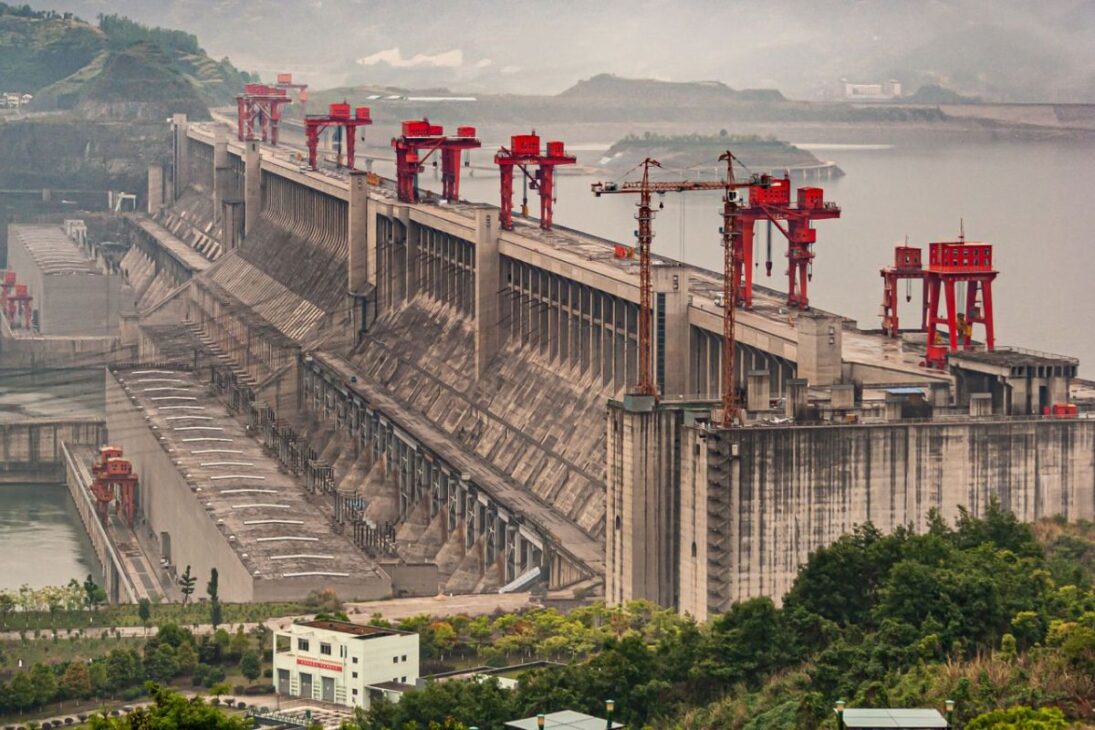
Large dams combine electricity generation, flood control, and parallel locks, while boat lifts for vessels up to 3,000 tons shorten the crossing time from hours to about 40 minutes.
The integration of reservoirs, logistics, and technical tourism creates an economic cycle that goes beyond energy.
Sediment management is evident in plants with controlled high-flow discharges, cleaning the bed and preserving storage capacity.
On a continental scale, the south-north water transfer moves massive volumes through channels and tunnels over thousands of kilometers, crossing mountains and valleys to supply megacities and industrial hubs.
This is hydrological balance engineering, essential in times of climatic variability.
High-Speed Mobility, Precision, and New Urban Typologies
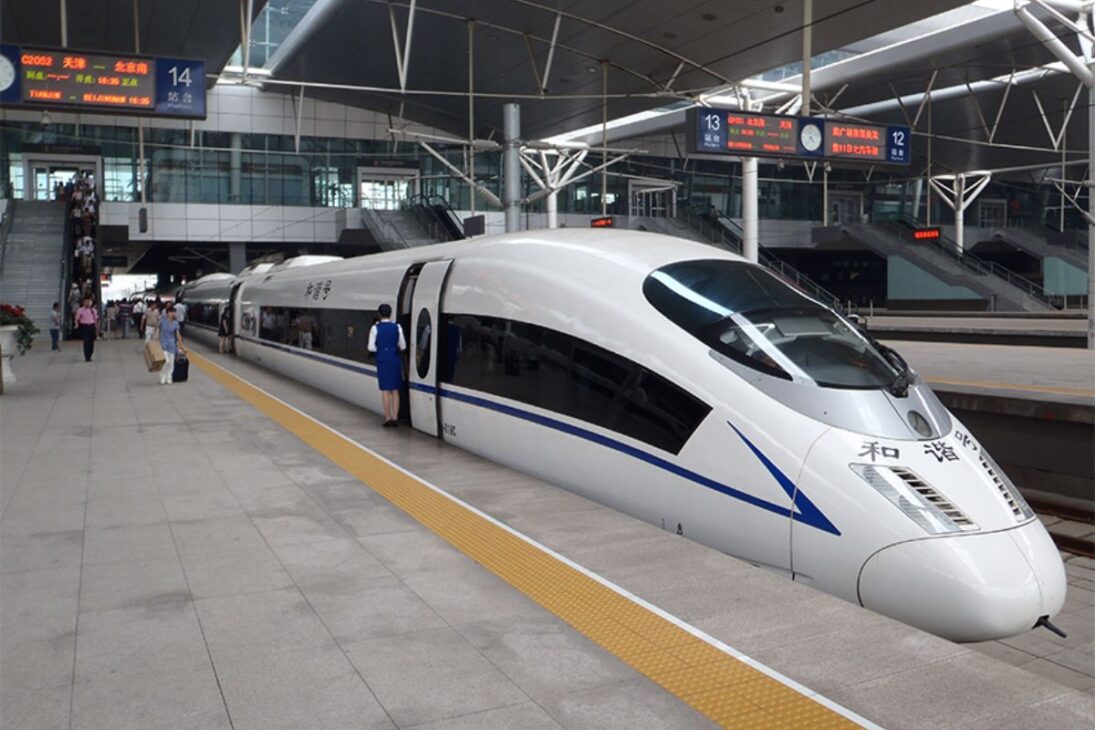
On the railway axis, bullet trains maintain timeliness with errors of less than seconds over long stretches, sustained by continuous viaducts that avoid aggressive curves and interferences.
This is a design of permanent way, signaling, and rolling stock working as a single organism.
In parallel, the Maglev speeds up airport transfers with magnetic levitation, reducing noise, friction, and wear.
In dense areas, the suspended monorail provides an electrical alternative with a smaller structural footprint, freeing up space on the ground and mitigating expropriations.
The lesson is clear: Future China does not choose a winning mode; it orchestrates a matrix where each typology suits a context of altitude, density, soil, demand, and life cycle cost.
Data, Supercomputing, and Robotics as Invisible Infrastructure
Centers of supercomputing with high-performance architecture support climate modeling, industrial simulations, and AI training.
Showcase buildings in iridescent aluminum and main rooms with capacity for calculations on a scale of quadrillions per second show that the data center ceases to be behind the scenes and becomes part of the urban circuit of science and technology.
This is urban hardware at the service of public and private decision-making.
On factory floors and at tech fairs, humanoid and industrial robots evolve with sensors, computer vision, and real-time processing.
The technical expectation is the scaling for mass production of low-cost units for logistics, service, and care, with progress expected in natural language and emotion recognition within a horizon of 5 to 10 years.
The systemic effect is the automation of services beyond manufacturing.
Bridges and Transmaritime Links That Shorten Distances
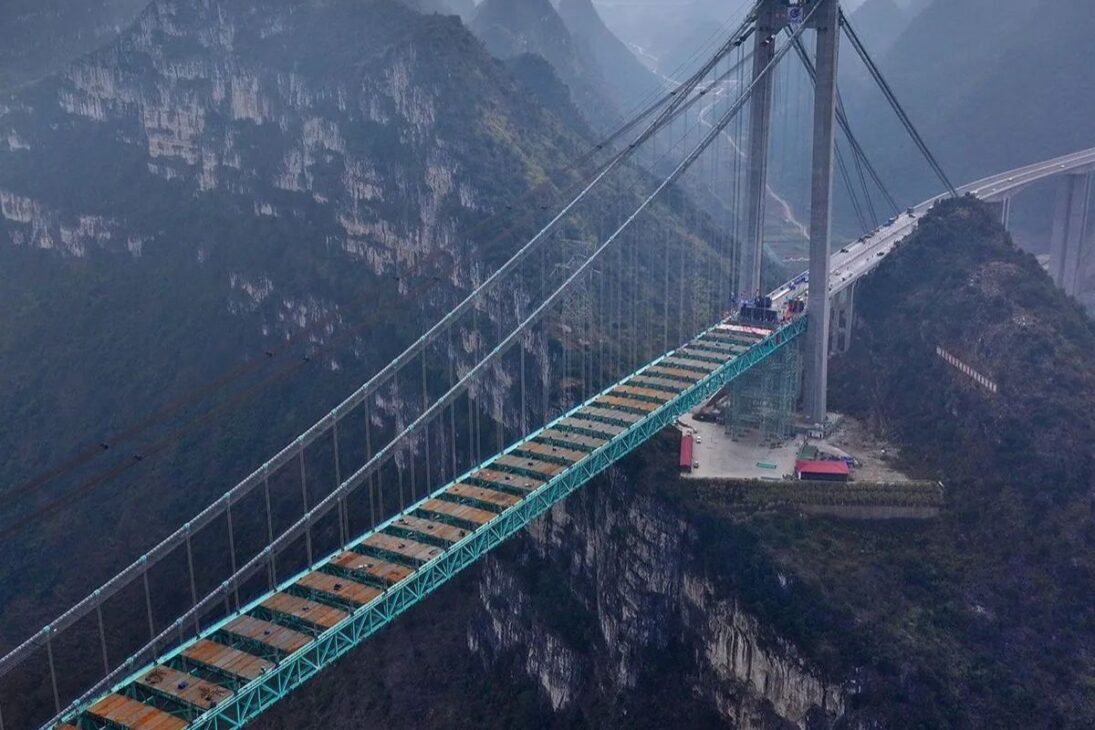
Future China invests in marine corridors that combine submerged tunnels, artificial islands, and Y-shaped platforms to distribute flows between neighboring cities and economic zones.
In these conditions, strong currents, variable tides, and heavy traffic require deep piles, corrosion-resistant materials, and assembly operations with floating cranes.
The solution is hybrid: a bridge where navigation allows, a tunnel where the draft requires.
In bayfronts, multi-lane maritime bridges design high-capacity networks with operational redundancy.
The design considers a century-long lifespan, continuous inspection, and predictive maintenance.
The goal is to reduce door-to-door times between residential, industrial, and port hubs without creating transfer bottlenecks.
Energy on Two Fronts: Offshore and Large Thermal
At sea, offshore wind farms form true forests of steel with hundreds of turbines positioned from shallow waters offshore, where the winds are more consistent.
Foundations, submarine cables, and substations make up a network that injects clean energy into the system, bringing generation closer to high-consumption coastal centers.
This is engineering at the maritime limit.
On land, multi-unit coal-fired power plants deliver gigawatts of continuous power with direct integration to nearby mines to reduce logistical costs.
Although carbon-intensive, the logic of energy security combines these thermal anchors with strong renewable expansion.
The design of dispatch seeks base stability while wind and solar grow.
Stabilized Deserts, Technological Tourism, and New Centralities


A highway cutting through the shifting sand desert operates with ecological vegetation barriers to stabilize dunes and protect the road from being buried, reducing maintenance costs and interruptions.
This is road engineering coupled with environmental management, a replicable solution for other arid routes.
On the other end, showcase infrastructures expand technological tourism: glass bridges for pedestrians, hotels in old quarries that take advantage of thermal mass and water reuse, large-scale aquariums, and stadiums with programmable roofs.
These facilities create experience economies, distribute urban flows, and leverage neighborhood revitalizations.
Productive Subsoil and Parks on the Surface
Commercial projects that bury most of the stores and free the surface for public parks show how Future China reconciles consumption and common space.
Water towers, fountains, and plazas serve as orientation landmarks, while underground access, skylights, and ventilation systems ensure comfort and safety.
The city gains communal space without losing economic activity.
The same logic appears in corporate centers in open campuses, with elevated walkways, courtyards, and artificial lakes.
The technical objective is to reduce internal displacements, favor natural light and cross ventilation, and create walkable microgrids where research, prototyping, and commerce happen just a few minutes apart.
Super Towers and Urban Identity by Design
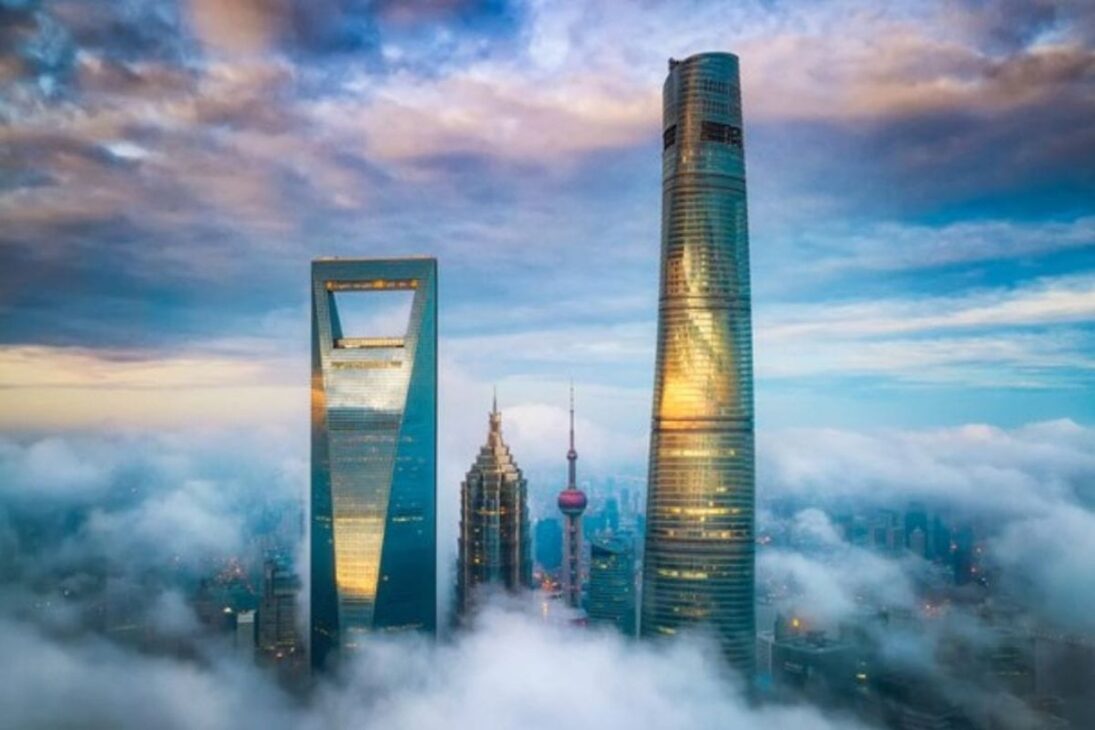
With 632 m and facades that channel wind, super towers demonstrate stability engineering for typhoons and earthquakes, incorporating vertical axis wind turbines on top for partial self-generation.
Other towers use trapezoidal openings to relieve loads and reduce vortices.
This is not just shape; it is aerodynamics applied to structural safety.
Icons such as ring-shaped buildings, inclined walkways, or “sculptural” volumes enhance the reading of the landscape and create memorability.
The urban strategy uses light, LED facades, and viewpoints to anchor centralities and induce cultural and commercial flows. Design, structure, and city appear as one equation.
In total, Future China is not a showcase of records but a manual of territorial integration. Each project addresses a physical friction and connects to another, forming networks: of energy, mobility, data, water, and public space.
This mesh changes the scale of everyday life.
Future China shows that engineering is public policy in steel, concrete, fiber, and software, applied to stitch together a heterogeneous territory and accelerate urban productivity.
When bridges, tunnels, trains, data centers, and green parks align, the result is not just speed, but resilience. And you, which megaproject redefines people’s lives the most and why?




-

-

-

-

-

-

98 pessoas reagiram a isso.