





 Portuguese
  English
  Spanish
  2 min of reading
  3 comments


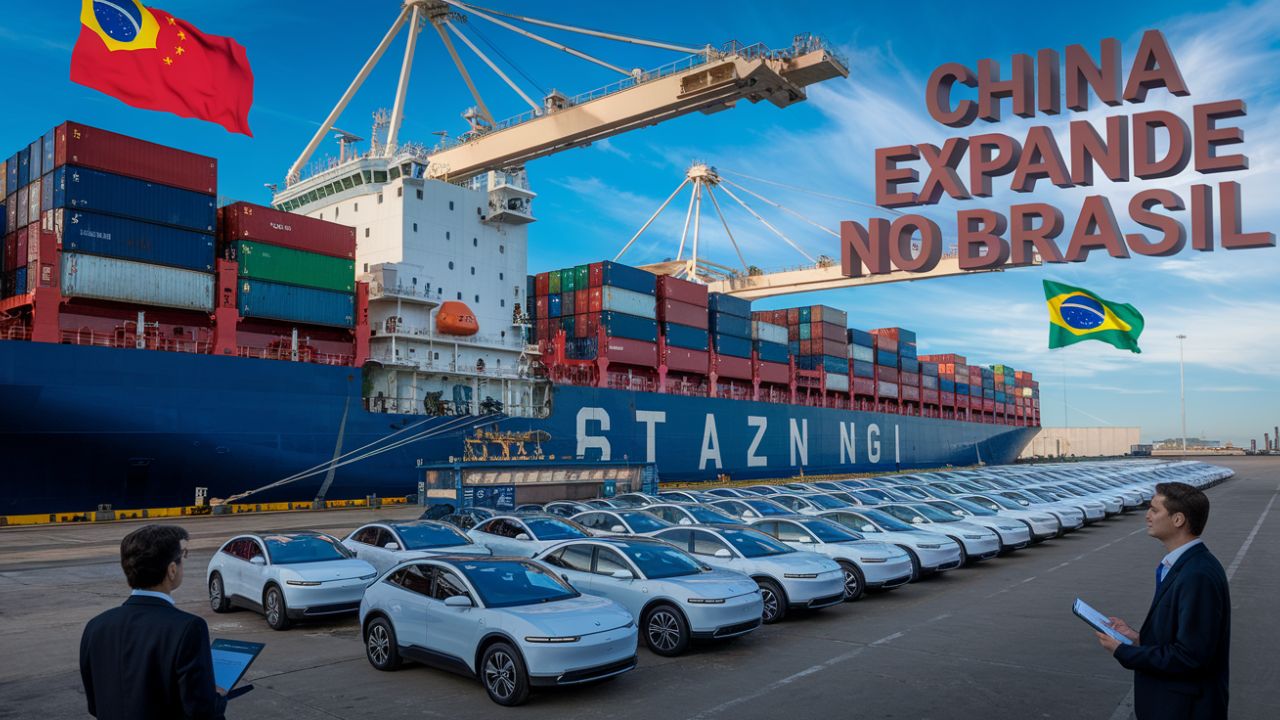


With China Leading 73.3% Of Import Sales In 2024, Association Claims That Importing Cars Boosts The Local Industry While National Manufacturers Call For Tax Increases To Curb The Advance Of Chinese Electrics.
Have you heard that China is “dumping” cars in Brazil? Well, the Brazilian Association of Car Importers and Manufacturers (Abeifa) has come to demystify this idea. According to the entity, the market for imported vehicles is not a threat, but rather a bridge for strengthening the automotive industry in Brazil.
The Landscape Of Car Imports In Brazil
According to Abeifa, importing vehicles is the first step for major foreign brands to consider setting up factories here. It’s like opening the door to a special visitor: they get to know the land, make connections, and eventually decide to stay.
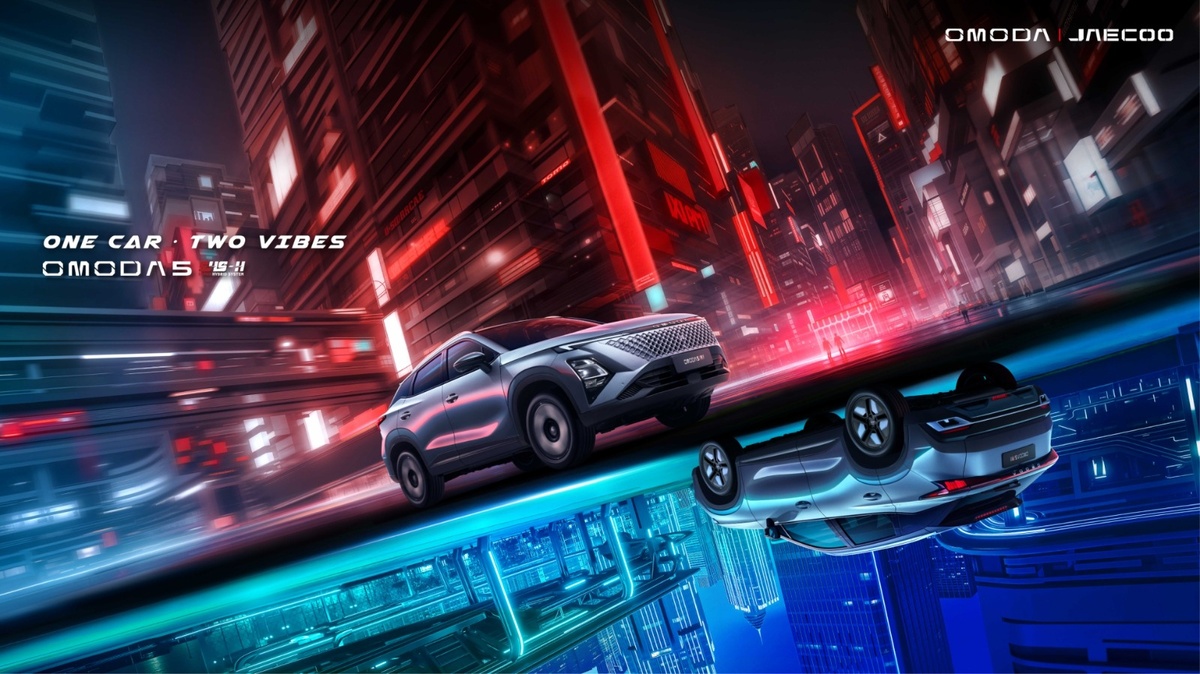
China has shone as a protagonist in the Brazilian automotive sector, especially with the rise of BYD. The Chinese brand has already captured 73.3% of import sales in 2024, making it clear that consumers in Brazil are keeping an eye on innovations coming from the other side of the world.
-
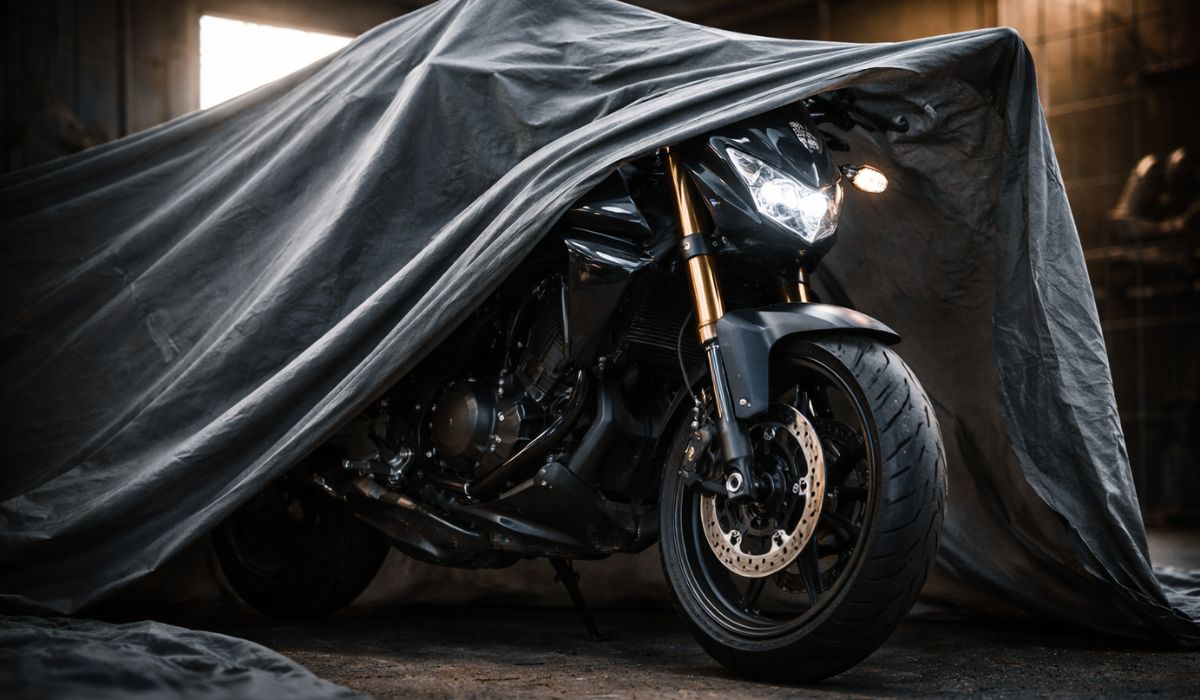
A 250cc motorcycle that can reach 560 km with a 14-liter tank, features disc brakes on both wheels and is among the most well-known in Brazil.
-
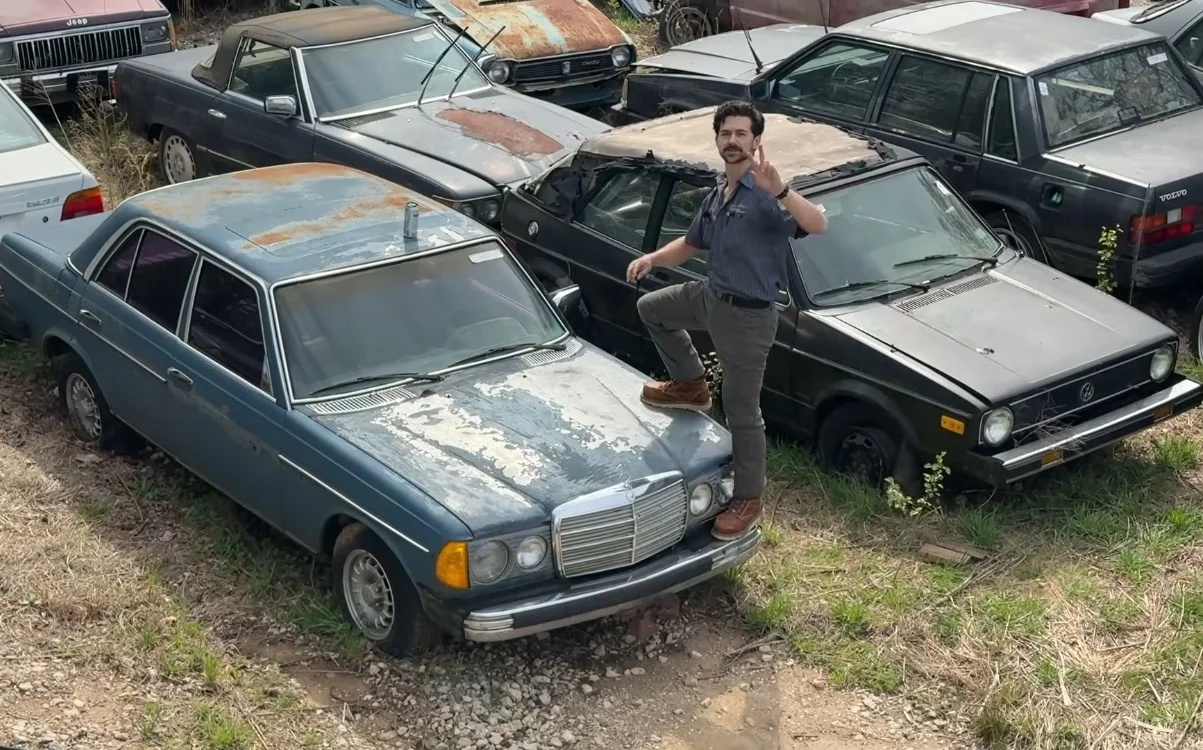
Man finds over 200 rare cars abandoned on a lot and tries to do the impossible in 8 hours with a surprise at the end.
-
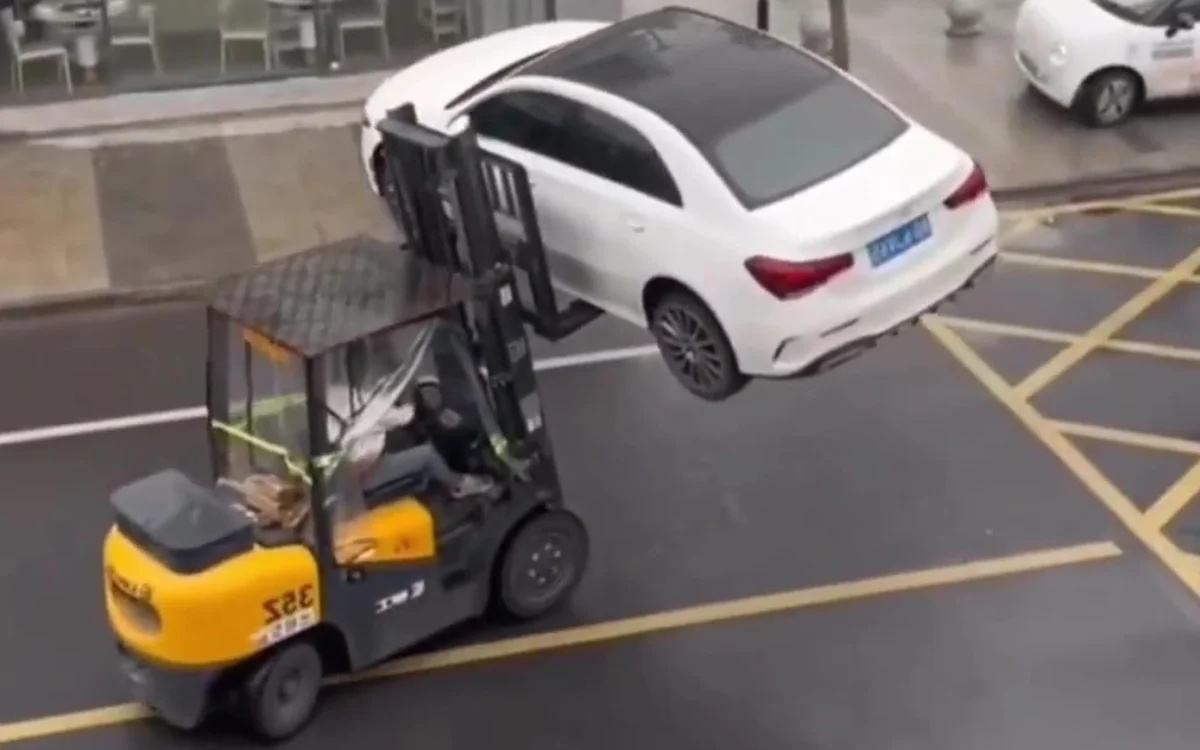
An irregular parking case gains attention after a Mercedes Classe A was removed in such a strange way that it even raised doubts about damage to the car.
-
Costing R$ 16,000, the new Yamaha features a 125 cc hybrid engine with electric assistance, delivers 8.3 hp, includes ABS, optimized fuel consumption, Y-Connect connectivity, 25 liters of storage space, and a surprising 4-year warranty in the urban segment.


The Significant Growth In Import Sales From China

With BYD of China leading sales, 2024 was an explosive year for imported vehicles. The 141% growth in the segment proves that there is room for foreign brands, especially when it comes to electric and hybrid cars.
Even with the possibility of an increase in the import tax, the expectation is that sales of imported vehicles will grow 24% in 2025. It seems that the market is far from slowing down.
The Other Side Of The Coin: Concerns Of The National Industry
According to Bloomberg Línea, on the side of the local industry, the National Association of Motor Vehicle Manufacturers (Anfavea) is worried. They view cars from China, especially electric ones, as a threat to market balance.
Anfavea suggests that Brazil expedite the increase of the import tax to 35% on electrified vehicles. This would be a way to level the playing field and prevent the country from becoming the preferred destination for cars from markets with higher barriers.
What Does This Mean For The Brazilian Consumer?
For those considering changing cars, the increase in the supply of imported vehicles means more options. But with higher taxes, will prices remain competitive?
On the other hand, brands like BYD are bringing innovations that excite consumers. Electric cars, modern design, and advanced technologies are enticing attractions that are hard to ignore.





A tabela FIPE é um absurdo, carros usados com 30 anos sai vendidos mais caros do que custaram de início em novos! Só um dos exemplos a fiorino com 30 anos 30.000.00. A fórmula está errada pois se nos não podemos importar mesmo com 10 anos! E porquê tem manipulação de mercado, para nos obrigarem a comprar novo.
A maior parte da populacao ainda nao acordou para as tecnologias novas, mas o
Brasil ainda não tem estrutura suficiente
Por hora os híbridos chineses fazem os carros que conhecemos parecerem carroças. Por favor não comparar com carros de milhões de reais.
As fábricas chinesas são uma praga no mundo.
São como gafanhotos que predam tudo,até não sobrar nada.
O brasil vive gritando para os quatro cantos que os ching lings são os maiores parceiros comerciais,mas eles só compram minério e soja.
Eu não compro produtos de marcas chinesas,não confundam com produtos fabricados na china.