





 Portuguese
  English
  Spanish
  3 min of reading
  0 comments


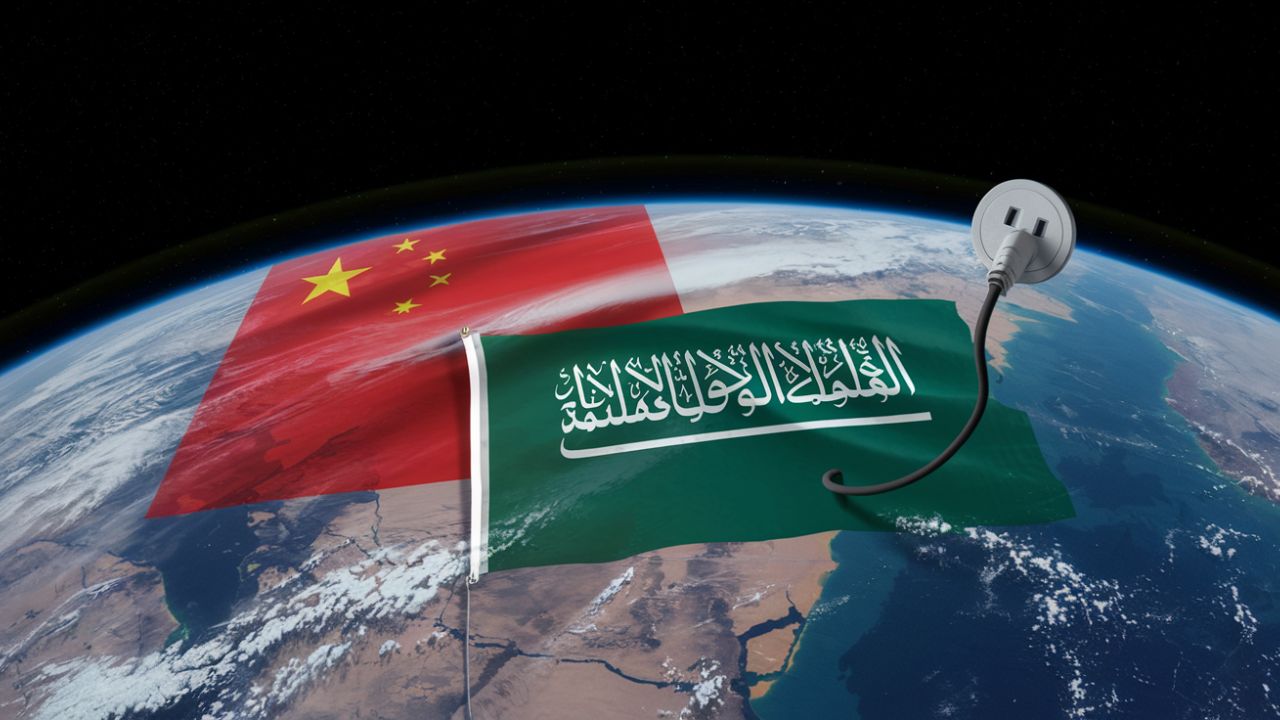
With Advanced Technology from China and 122 BYD Battery Units, Saudi Arabia Advances Its Vision 2030 Plan by Connecting the Largest BESS System on the Planet, Capable of Storing 2000 MWh in Extreme Desert Conditions.
Saudi Arabia is undergoing a true economic and energy transformation with its Vision 2030 strategy. The plan is to reduce dependence on oil and diversify its economy by heavily investing in renewable energy projects. Sounds ambitious? Certainly, but the country is not alone on this journey and has the help of China.
Covering the desert with solar panels seems like a brilliant idea, but where to store all this energy? That’s where the Battery Energy Storage System (BESS) in Bisha, the largest in the world, comes into play. This project, with a capacity of 500 MW/2000 MWh, promises not only to store energy but also to ensure the stability of the electric grid.
The Technology Behind the World’s Largest BESS System
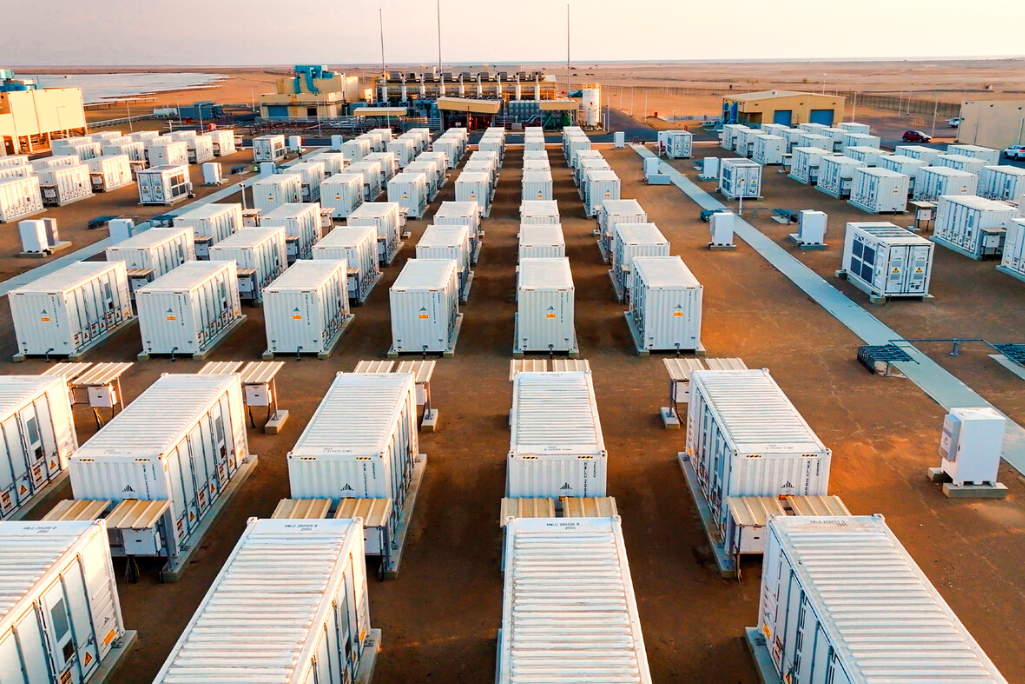
The Chinese giant BYD was responsible for providing the 122 storage units, each equipped with cutting-edge technology. The lithium iron phosphate (LFP) batteries not only offer high efficiency but are also designed to withstand extreme conditions.
-
Renewable energy advances over protected areas in Brazil, and a survey by the Energy Transition Observatory reveals silent impacts that challenge environmental conservation and pressure sensitive traditional territories.
-
Rio Grande do Sul accelerates energy transition: State invests in renewable technologies and consolidates decarbonization strategies and pathways to attract billions in new industrial investments.

-
With 160,000 m² of collectors, an area larger than 20 football fields, Silkeborg, in Denmark, hosts a solar thermal plant that heats 19,500 homes and could become the largest solar heating plant in the world.

-
A study reveals the expansion of renewable energy procurement in Brazil and shows how companies are taking advantage of opportunities to reduce expenses, ensure energy efficiency, and strengthen strategic environmental commitments.


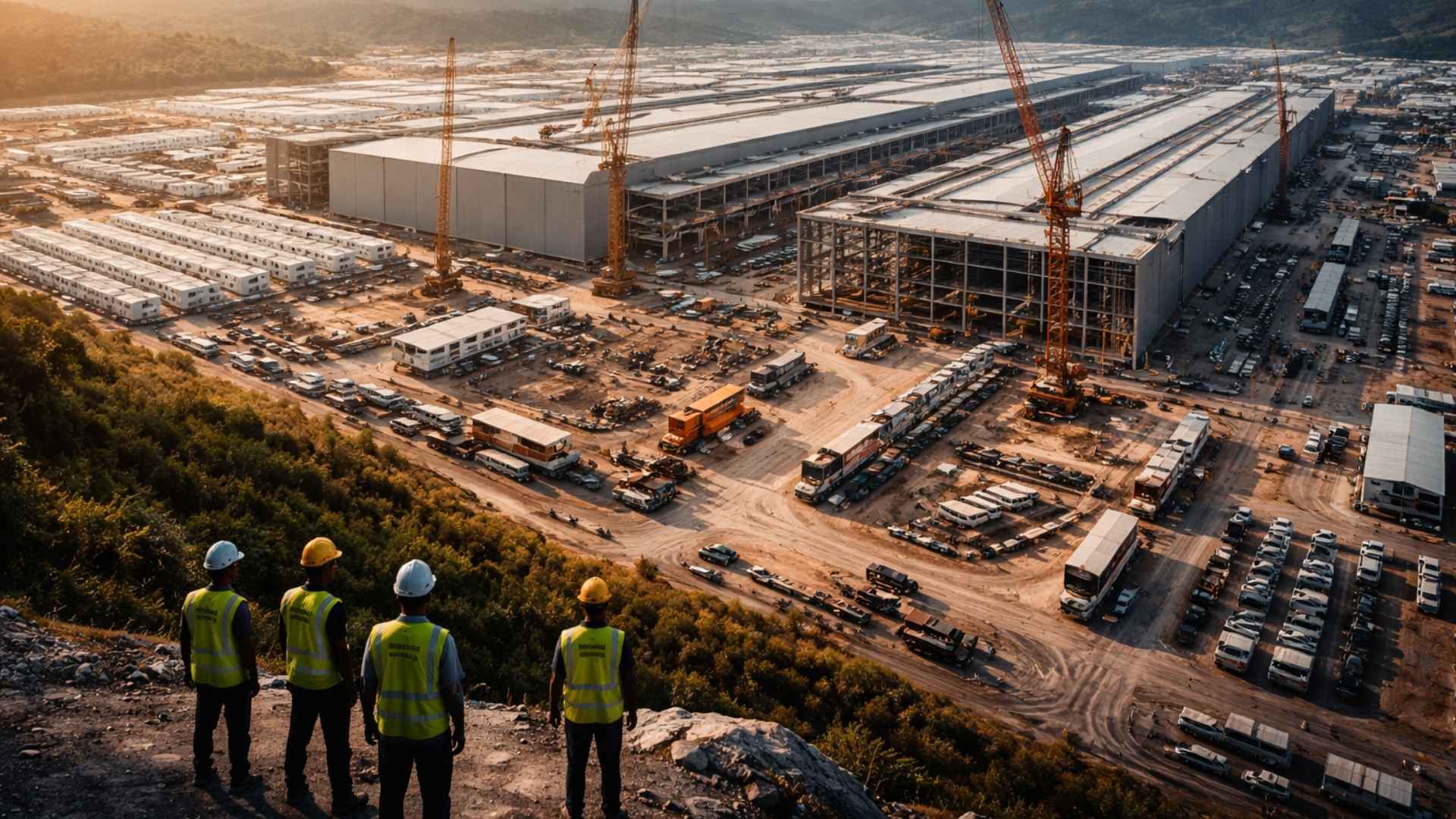
Building in the desert is quite a challenge. High temperatures and sandstorms could compromise any project, but Chinese engineering, together with the consortium formed by the State Grid Corporation of China and Alfanar Projects, found smart solutions to overcome these barriers. The result? A robust and reliable system.
A Strategic Partnership Between Saudi Arabia and China
The Sino-Saudi consortium combined local expertise and Chinese technology to create an infrastructure that puts Saudi Arabia at the forefront of renewable energy. This partnership reflects China’s growing influence in the Middle East.
Collaboration with China is not just about technology but also about strategic learning. Saudi Arabia is absorbing knowledge that can be applied in other projects, such as the construction of the sustainable city of Neom and the development of nuclear energy.
Renewable Energy and Saudi Arabia’s Role in the Global Scenario
Companies like Masdar, ACWA Power, and TotalEnergies are competing for long-term contracts in the storage sector. This global interest shows just how relevant Saudi Arabia is becoming in the renewable energy market.
Although renewable energy is the main focus, the country also has ambitious plans to explore its nuclear capability, leveraging its uranium reserves to position itself as a strategic player in the sector.






-

-

3 pessoas reagiram a isso.