





 Portuguese
  English
  Spanish
  4 min of reading
  0 comments


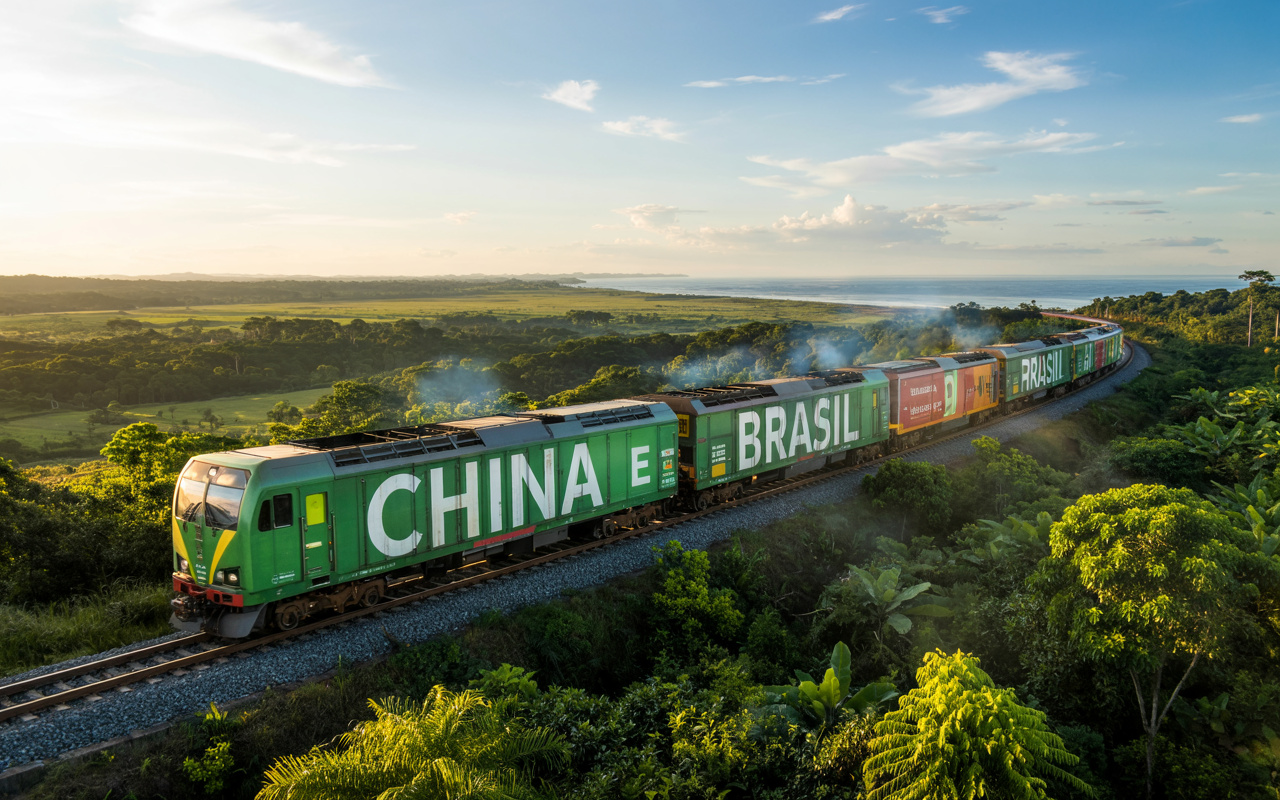
Brazil And China Connect Amazon To The Pacific Via Green Logistics Corridor, Reducing Export Costs And Dependence On US-Controlled Routes.
An infrastructure project that spans continents is about to change the way Brazil exports its natural wealth. Largely funded by Chinese capital and supported by bilateral agreements made in recent years, the Brazil–Pacific Logistics Corridor promises to shorten distances, reduce costs, and create a strategic route for exporting grains, minerals, and other products directly to the Asian market — without relying on maritime routes and ports controlled by US partners.
More than an engineering feat, the project is a central piece in the geoeconomic competition for leadership in global supply chains. It connects high agricultural and mineral production areas in the interior of Brazil to the port of Chancay in Peru, built and operated by Chinese companies, creating an alternative to the traditional route via the Panama Canal or US ports.
A Corridor That Changes Commercial Geography


The plan involves integrating highways, railways, and waterways that arise from producing regions in the Midwest and North of Brazil, cross Acre, and reach the Peruvian Pacific coast.
-
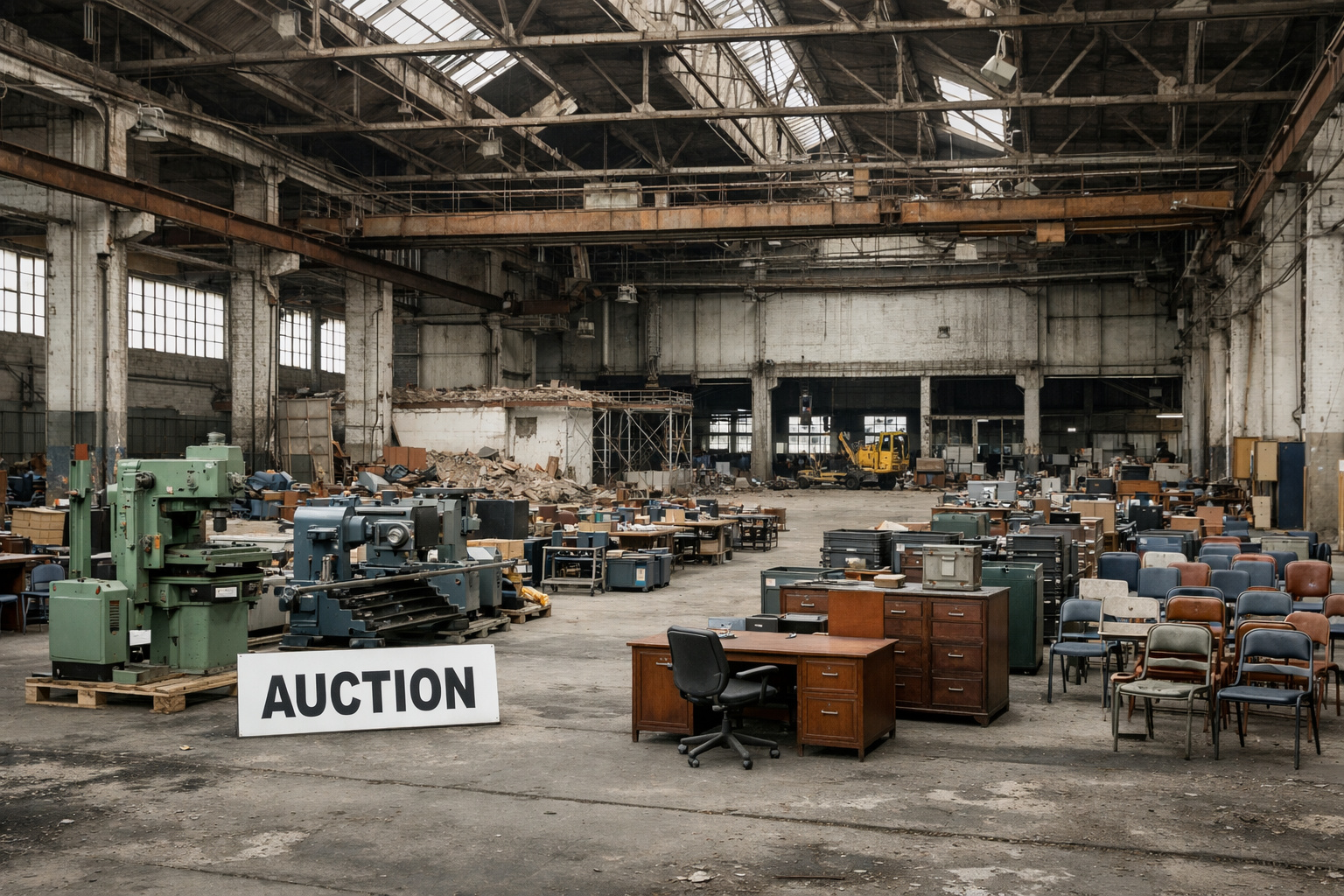
Historic bankruptcy of Centauro shocks the market, and the century-old company puts more than 500,000 products, machines, and complete infrastructure up for online auction.
-
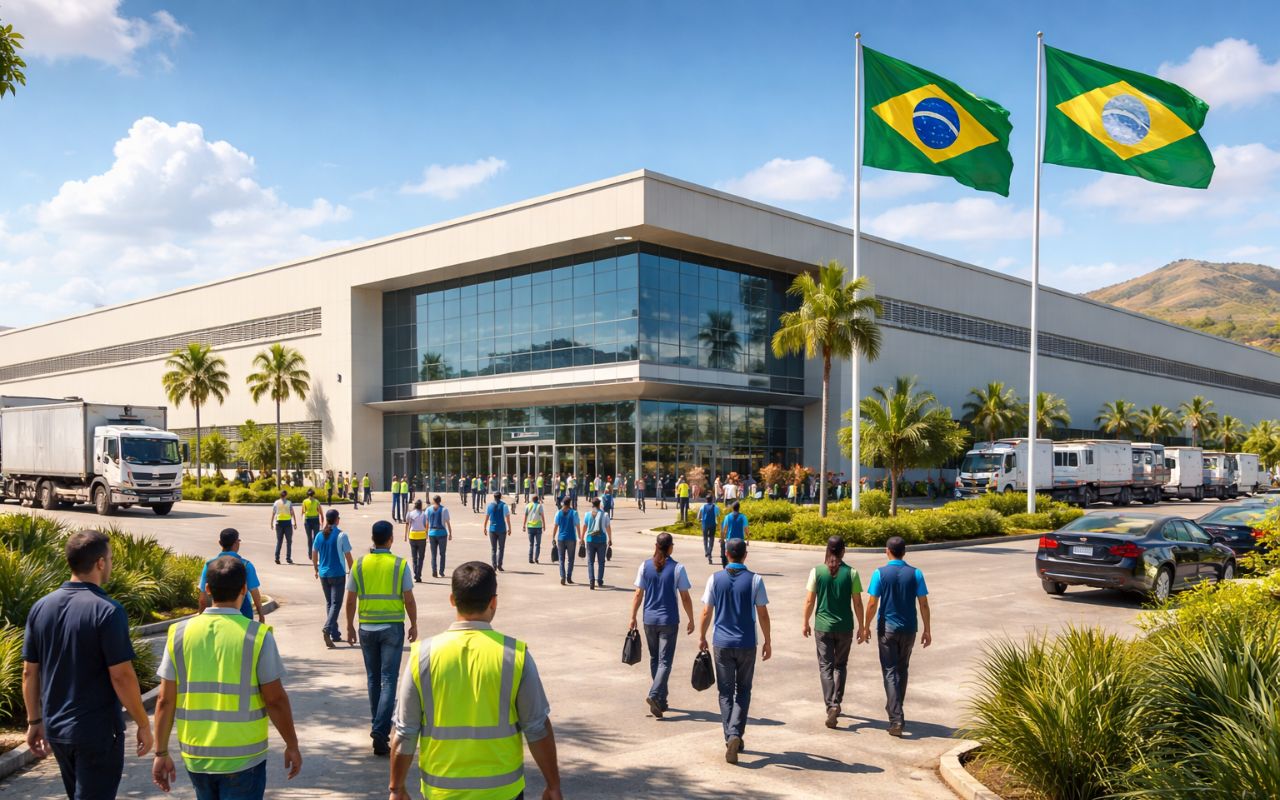
New shoe factory in Ceará is expected to create 400 jobs and strengthen the local economy.
-
No one imagined it, but a mixture of sawdust with a mineral that fights fires surprises scientists with a result that changes the course of fire-resistant construction.

-
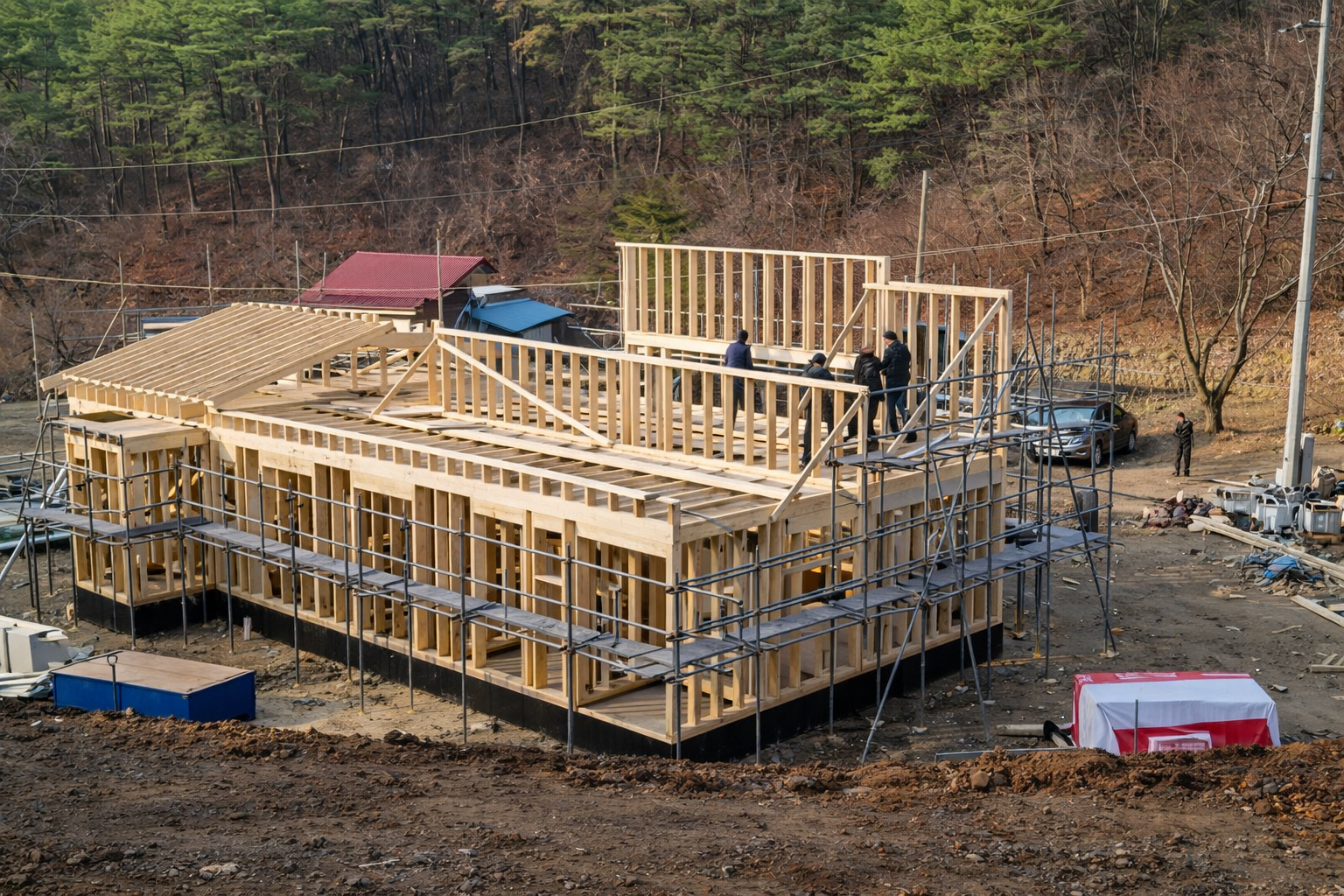
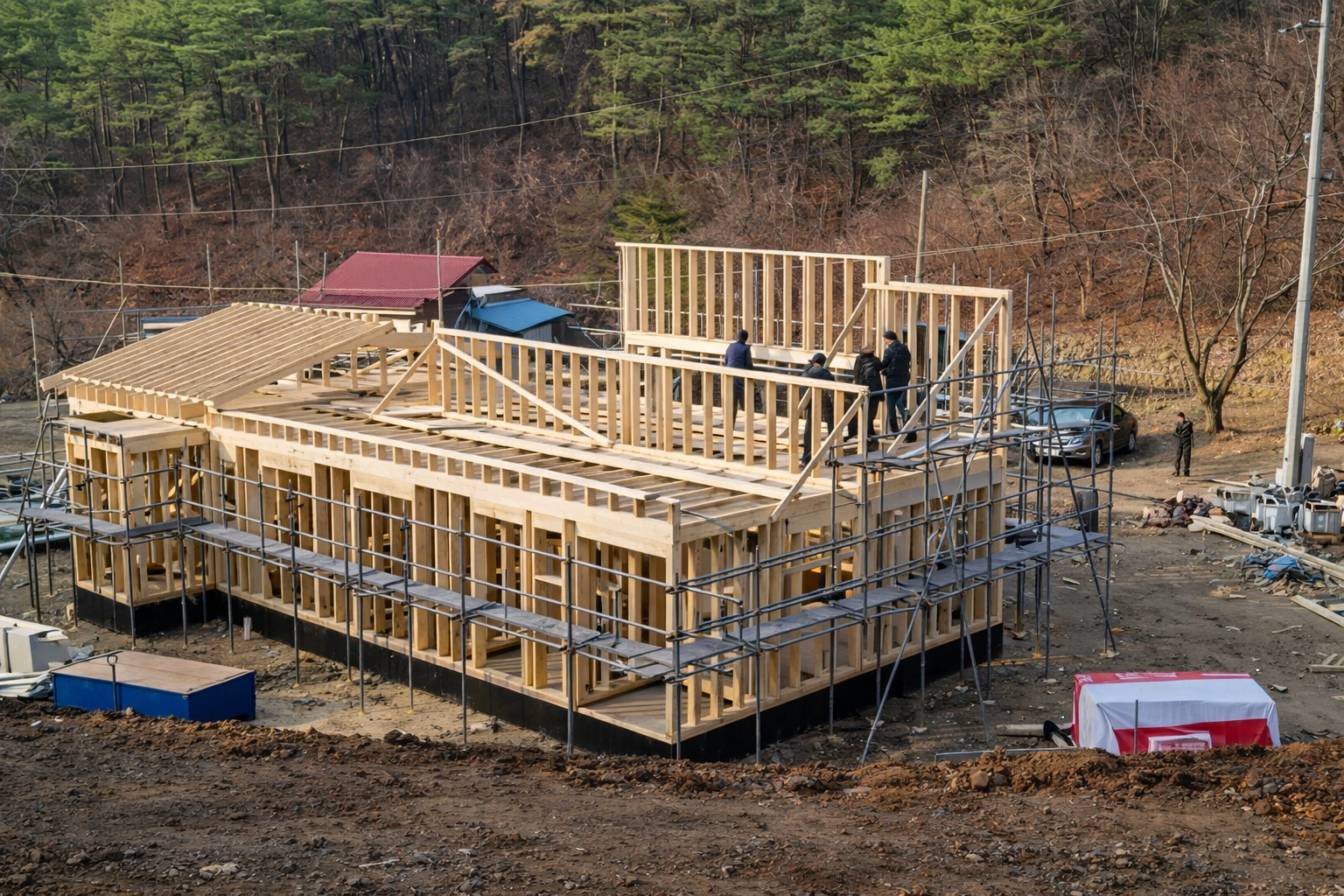
From empty land to a high-end house, wooden construction uses a lightweight system, metal structure for the foundation, ventilated ceramic cladding, and special windows to create an efficient and comfortable living space throughout the year.

There, the port of Chancay — one of the largest port infrastructure works in Latin America, with the capacity to receive large vessels — will serve as an exit point for ships bound for China, Japan, South Korea, and other Asian markets.
The maritime distance between Chancay and the ports of the Asian east coast is significantly shorter than the traditional route via the Atlantic and the Panama Canal. This means up to 14 days reduction in travel time and significant cost savings in logistics, fuel, and CO₂ emissions.
According to market data, China is already the largest buyer of Brazilian soy and iron ore. With the new corridor, part of this cargo can go directly to its destination, reducing bottlenecks and increasing delivery predictability.
Chinese Capital And Bilateral Priority
The port of Chancay is controlled by the Chinese giant Cosco Shipping, which invested over US$ 3 billion in the project. In Brazil, cooperation agreements signed during President Luiz Inácio Lula da Silva’s visit to Beijing reinforced Beijing’s interest in financing logistics integration projects, including roads and railways linked to the corridor.
In addition to the private sector, the Brazil–China Fund for Expanding Productive Capacity, with US$ 20 billion in capital (US$ 15 billion from China and US$ 5 billion from BNDES and Caixa), is capable of directing resources to projects associated with the route.
This type of financing speeds up construction and ensures Chinese participation in strategic phases of operation.
Impacts On Agriculture And Mining
The corridor is expected to particularly benefit Brazilian agribusiness, which faces chronic internal transportation bottlenecks. Soy, corn, and cotton producers from the Midwest will be able to reduce logistics costs by up to 30%, according to industry associations’ estimates.
In the mining sector, the route is also seen as strategic. Iron ore, manganese, and rare earths extracted from the Legal Amazon and Mato Grosso can go directly to the Pacific, reducing dependence on ports like Santos and Paranaguá, which face capacity limitations and congestion.
A Project Surrounded By Environmental Debates
Despite the economic advantages, the project faces criticism from environmental organizations and local communities. Part of the construction crosses sensitive areas of the Amazon and the Cerrado, raising concerns about deforestation, impacts on indigenous communities, and changes to fragile ecosystems.
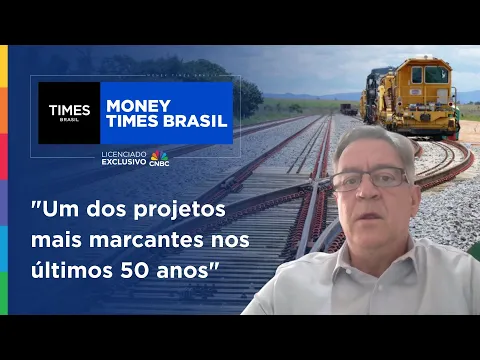
Brazilian authorities state that the project will be accompanied by strict environmental mitigation and compensation measures and that logistical integration should follow international sustainability standards — one of the reasons for marketing the “green corridor.”
However, experts warn that without oversight and transparency, large infrastructure projects in the region risk accelerating pressure on already vulnerable areas.
The Geopolitical Reaction
For the United States, the Brazil–Pacific route with Chinese funding represents another advance for Beijing in Latin America. By ensuring preferential access to strategic commodities and operating a key port in the Pacific, China increases its influence in a logistical corridor that could be vital in scenarios of trade disputes or strategic blockades.
Analysts point out that Washington may strengthen investments in infrastructure and trade in neighboring countries — such as Mexico and Panama — to counterbalance Chinese presence. However, the speed and volume of capital invested by Beijing in the region place Brazil and Peru in a privileged position in transcontinental trade.
A Watershed For Brazil–Asia Trade
If completed as planned, the Brazil–Pacific corridor will not only change Brazilian export logistics but also reposition the country on the map of global supply chains.
By reducing dependency on traditional routes and getting closer to Asian markets more directly, Brazil gains maneuvering room in trade negotiations and strengthens its role as a reliable supplier of food and minerals.
The challenge will be to balance economic integration with environmental protection and national sovereignty over the infrastructure. After all, in the global logistics chess game, those who control the ports and corridors also control part of the future of trade relations.








Seja o primeiro a reagir!