





 Portuguese
  English
  Spanish
  4 min of reading
  15 comments





Comac Advances in Developing Widebodies C929 and C939 to Break the Western Duopoly, But Faces a Major Obstacle: Dependence on Engines and International Certifications. Without Western Technology, Can China Really Get Its Jumbos off the Ground?
China wants to change the game in commercial aviation. And this isn’t a new ambition. The country’s desire to join the select group of wide-body aircraft manufacturers is more alive than ever. But hold on… it’s not just any airplane. Beijing doesn’t want to only build regional or single-aisle models – like the C919, which is already on the market. The plan now is much bolder: to build a Chinese jumbo capable of directly competing with Airbus and Boeing.
The state-owned Comac (Commercial Aircraft Corporation of China) already has concrete projects in this regard, the C929 and C939. However, there’s a problem: making a successful widebody without Western help is not going to be easy.
The New Giants of the Sky: C929 and C939

Comac is not just playing with paper airplanes. The C929, for instance, promises to carry up to 440 passengers and achieve a range of 12,000 km, which means it could fly from Shanghai to New York without needing to stop along the way. In practice, it would be a direct rival to the Boeing 787 Dreamliner and the Airbus A350.
-
Historic bankruptcy of Centauro shocks the market, and the century-old company puts more than 500,000 products, machines, and complete infrastructure up for online auction.

-
New shoe factory in Ceará is expected to create 400 jobs and strengthen the local economy.

-
No one imagined it, but a mixture of sawdust with a mineral that fights fires surprises scientists with a result that changes the course of fire-resistant construction.

-
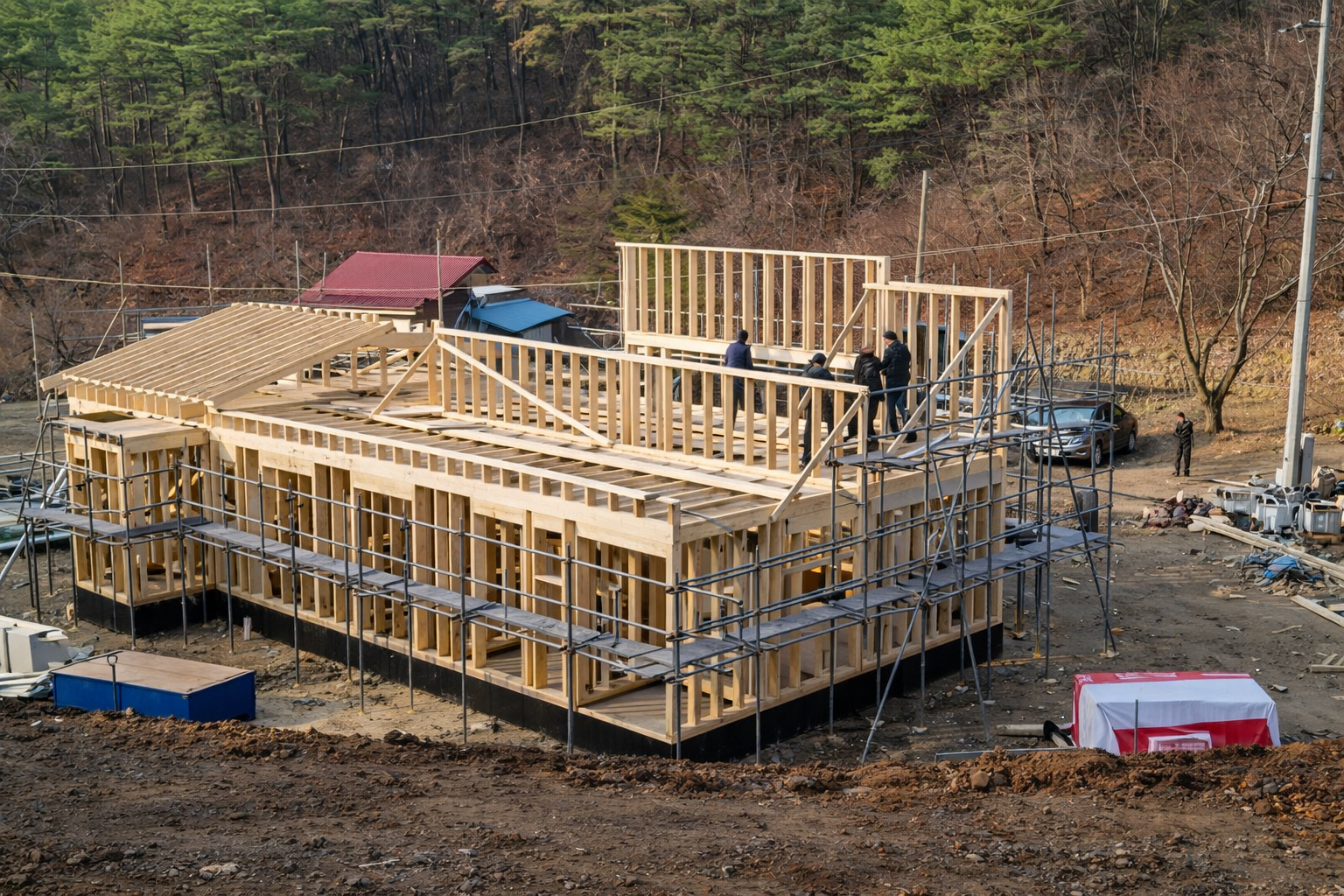
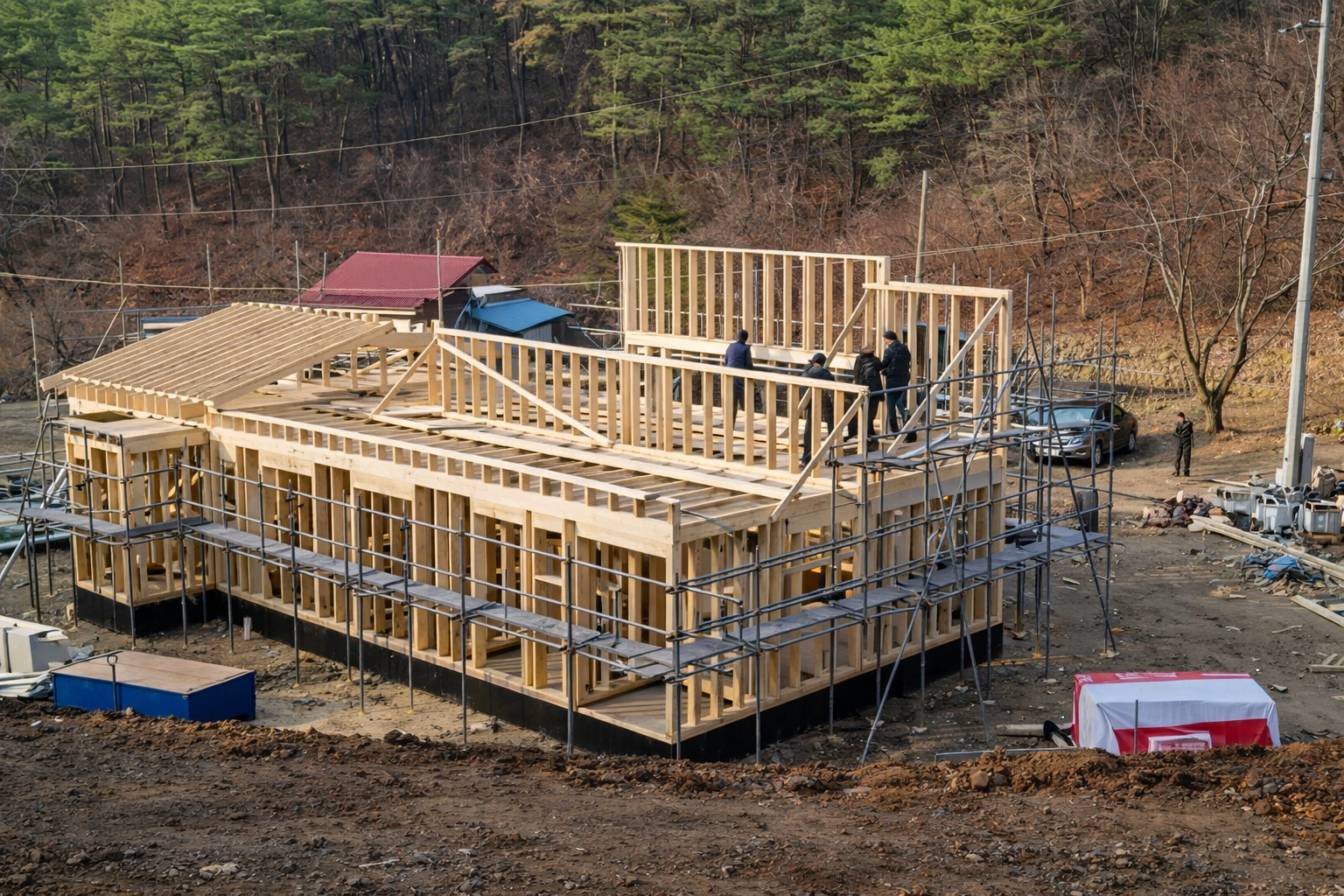
From empty land to a high-end house, wooden construction uses a lightweight system, metal structure for the foundation, ventilated ceramic cladding, and special windows to create an efficient and comfortable living space throughout the year.

The C939, still in the study phase, is expected to be even larger, with a capacity similar to the Boeing 777 and even the iconic 747. China wants these planes flying as soon as possible, preferably within a shorter timeframe than Western manufacturers took to develop their first wide-body models. But the question is: can this be done alone?
Obstacles Ahead: Dependence on the West
Here begins the complicated part of the story. Building a widebody is not just about assembling fuselage and wings – it’s much more complex. The biggest challenge? Engines. Without them, an airplane is just a pile of expensive metal sitting in a hangar.
And guess what? China still depends on Western engines. The C919, for example, uses turbines manufactured by CFM International, a joint venture between American GE and French Safran. In other words, if the US and Europe decide to turn off the technological faucet, the Chinese dream could become quite complicated.
There’s another detail that many people overlook: international certification. To compete in the global market, any airplane needs the approval of regulators such as the FAA (Federal Aviation Administration, US) and EASA (European Union Aviation Safety Agency). Without this, forget about flying to major markets like the United States and the European Union. And let’s be honest, what’s the point of a jumbo that can’t cross the key skies of the world?
The Case of the Engines: A Technological Bottleneck
According to SCMP, engines are by far China’s biggest weakness in this race. Manufacturing a widebody is already complicated, but developing reliable, efficient, and competitive engines is another story. You can’t just slap on any turbine and take off; safety and efficiency are everything in this market.
China is trying to catch up. The country is investing in the ACAEE CJ-2000, a domestically produced engine. But let’s be realistic, even if it gets completed, it will take years to reach the level of Rolls-Royce or GE engines. And time, in this market, means money – a lot of money.
China’s Strategy to Break Barriers
Comac knows it cannot afford to wait for national technology to mature. So, what’s the plan? Basically, three things:
Dominate the Domestic Market – China has enormous air traffic, and widebodies are already used on high-demand domestic routes, such as Beijing-Shanghai. In other words, even if the C929 and C939 don’t have approval in the West, there will always be a guaranteed domestic market.
Focus on Emerging Markets – While Airbus and Boeing dominate the skies of North America and Europe, Comac can target countries in Asia, Africa, and Latin America, where regulatory requirements are less stringent. And of course, we’re talking about markets with strong economic ties to China.
Foster International Cooperation – The more Western companies participate in the project, the lower the political resistance to the advancement of Chinese aviation will be. Some industry giants, like Germany’s Liebherr, have already expressed interest in collaborating.








OS MOTORES PODERÃO SER DE QUALQUER FABRICANTE ATÉ MESMO CHINESES, OS EUROPEUS E AMERICANOS DEVEM REVER SEUS STATUS QUO POIS LOGO SERÃO SUPERADOS POIS QUANDO SE FABRICA AVIÃO DESSE PORTE AS FÁBRICAS NAO FABRICAM MOTORES POIS ELES TEM OUTRO CONTEXTO POIS RARÍSSIMA FABRICA DE AVIÕES PRODUZEM SEUS MOTORES
EUA e Europa é uma máfia com o monopólio de fabricação de motores a Rússia faz tudo sobre aviação,a Embraer também depende dos EUA e Inglaterra,mas acho a China logo chega lá o comprador quer preço bom e tecnologia e ninguém segura a capacidade de produção da China.
A mídia não aprende,os caras estão fazendo de tudo, caças de sexta geração,porta aviões, estação espacial,e acreditam que a China não consiga desenvolver um motor de aviação, não me espantaria se aparecer um motor elétrico em vez de a combustão…