





 Portuguese
  English
  Spanish
  4 min of reading
  0 comments


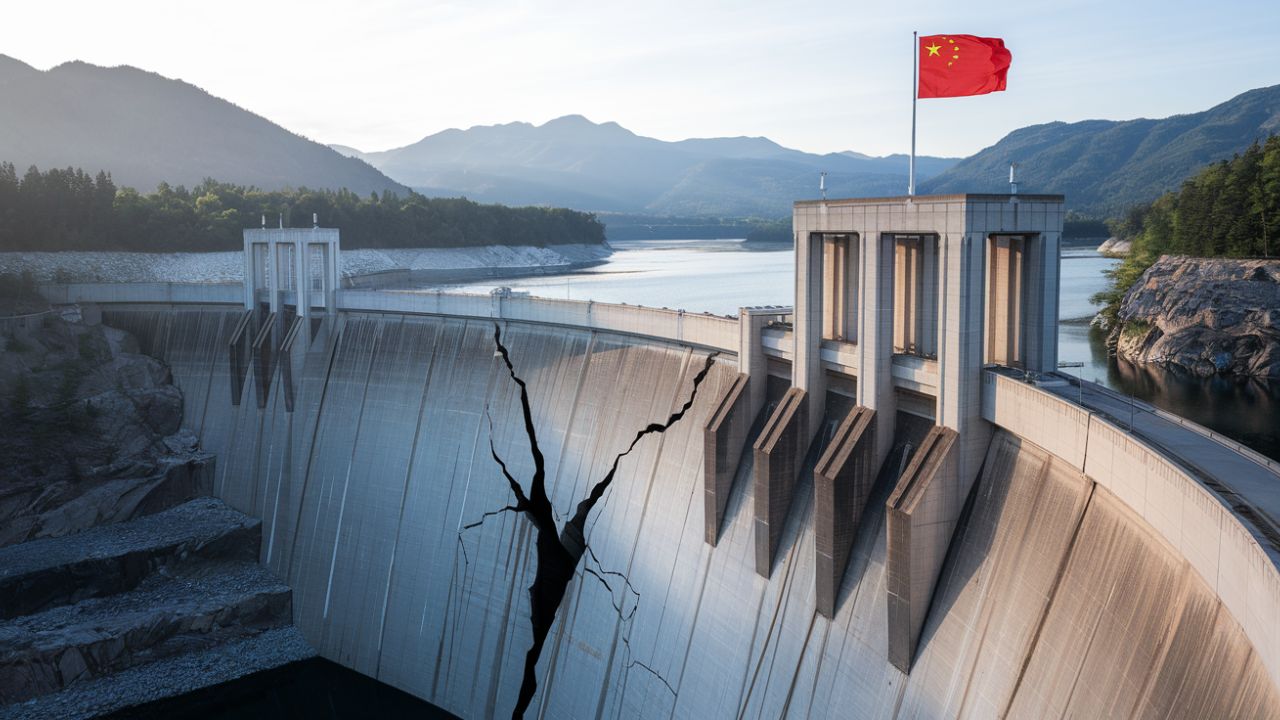
A Giant Super Dam, An Unstable Territory, and Millions at Risk: Is China Playing with Danger?
China is developing one of the boldest infrastructure projects in its history: the Motuo super dam, located in Tibet. This construction promises to become the largest hydroelectric power plant in the world, even surpassing the gigantic Three Gorges Dam. However, this colossal project has a serious problem: it is situated in a highly seismic region, where the risk of earthquakes is constant.
The Motuo dam is being built in the Grand Canyon of the Yarlung Tsangpo, one of the most remote and challenging locations in China. With a drop of 2,800 meters, the structure is expected to harness the waterfall of the Brahmaputra river to generate three times more energy than the Three Gorges Dam.
While the Three Gorges Dam has been regarded as a milestone in Chinese engineering, the Motuo super dam is expected to surpass it in electrical generation capacity. However, unlike the former, which has already generated various controversies, Motuo is located in an even more geologically sensitive area.
-
The Brazilian state enters the center of the global race for critical minerals by starting the construction of the largest underground nickel mine in Latin America, a mineral essential for electric car batteries that the entire world is competing for at this moment.
-
New CCR concrete paving technology promises roads up to 3x more durable, less maintenance, and cost reduction in Brazil.

-
Made from recycled plastic, plastic wood is gaining space in the construction industry because it does not rot, resists moisture, and reduces maintenance costs over the years.

-
Florianópolis will receive a million-dollar BRT that will begin construction in 2026 with nearly 400 million in funding from the federal government and the Inter-American Development Bank, and the map already shows the routes for the exclusive bus corridors.


In addition to energy production, China also aims to increase its control over the region’s water resources. The Brahmaputra is a vital river for India and Bangladesh, and Chinese dominance over it raises geopolitical and environmental concerns.
Seismic Threat in the Region
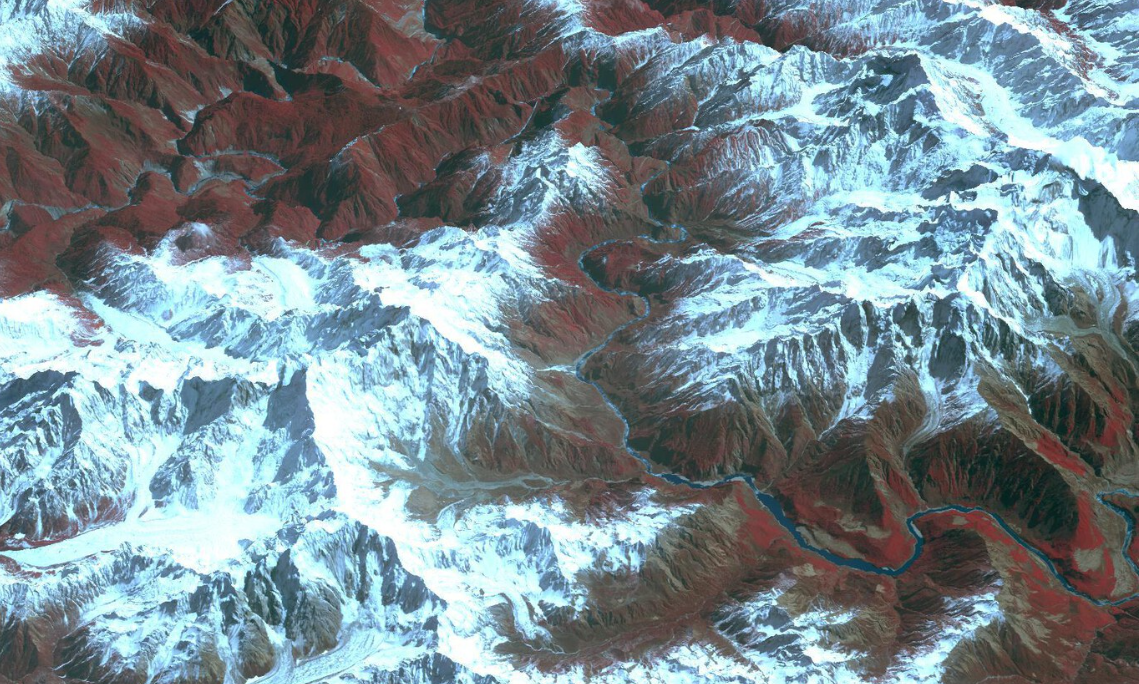
Tibet is located at the intersection of the Indian Plate and the Eurasian Plate, one of the most seismically active zones in the world. Recently, a magnitude 7.1 earthquake in Shigatse caused damage to five dams in the region and left more than 130 dead, reinforcing the alert about structural risks.
In addition to natural tremors, there is an additional risk: reservoir-induced seismicity (RIS). This phenomenon occurs when the weight of water stored in large dams alters the pressure on geological faults, potentially triggering earthquakes. The Zipingpu Dam, for example, was associated with the Sichuan earthquake in 2008, which killed 87,000 people.
If a strong earthquake hits the region, the rupture of the Motuo super dam could release a devastating amount of water, affecting millions of people in China, India, and Bangladesh. The humanitarian and environmental impact would be unprecedented.
Environmental and Geopolitical Impacts
The retention of sediment by the dam can reduce soil fertility downstream, harming agriculture and accelerating coastal erosion in India and Bangladesh. Additionally, Tibet is a region of high biodiversity, and any alteration in river flows can significantly impact the local ecosystem.
Experts warn that the project may influence monsoon patterns, affecting the rains essential for agriculture. Similar situations have already been recorded in other Chinese dams, such as on the Mekong river, where there were severe droughts and saltwater intrusion into agricultural lands.
China’s lack of transparency regarding the project raises concerns among its neighbors. India fears that Beijing may manipulate the flow of the Brahmaputra in the event of conflict, turning water into a geopolitical tool.
The Silence of the Chinese Government and the Local Population
The Chinese government has not disclosed details about costs, the companies involved, or how many people will need to be displaced to make way for the project. It is estimated that the project could exceed 130 billion euros, making it one of the most expensive in the world.
Any attempt at protest against large projects in China tends to be strongly suppressed, especially in Tibet, where the control of the Chinese Communist Party is even more stringent.
India and Bangladesh have requested access to hydrological data on the project, but Beijing has been reluctant. This increases distrust and could lead to diplomatic reactions if the project proceeds without adequate clarifications.
The Risk of a Collapse
China has a troubling history of dam collapses. Among the most severe is the Banqiao Dam disaster in 1975, which resulted in the deaths of 85,000 people and left 11 million homeless.
The collapse of this dam occurred due to intense rains that exceeded its capacity, something that could happen with Motuo if seismic risks are underestimated.
Even the Three Gorges Dam, considered an engineering marvel, faced structural problems in 2020, raising concerns about its stability and environmental impacts.







-

Uma pessoa reagiu a isso.