





 Portuguese
  English
  Spanish
  5 min of reading
  0 comments


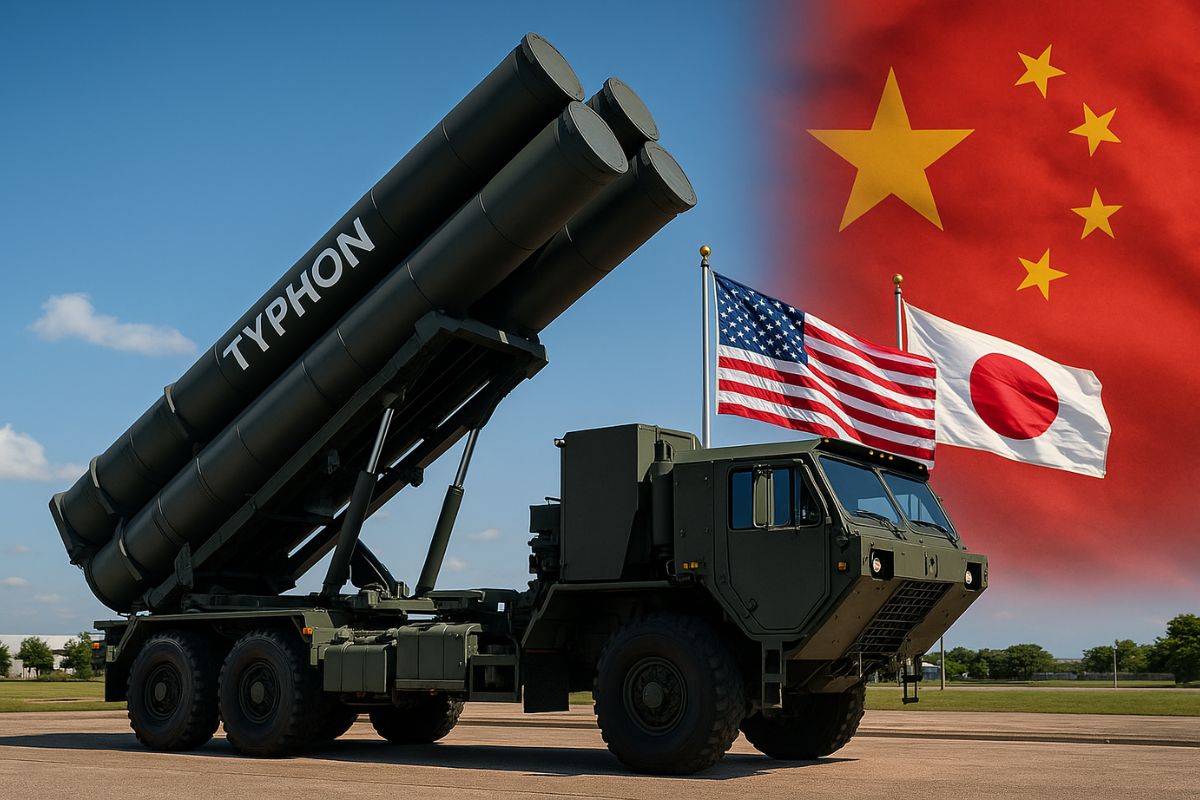
Beijing Raises The Tone And, Citing History And Regional Security, China Demands Immediate Removal Of The Typhon Missile System Positioned By The USA In Japan During The Resolute Dragon Exercise.
The phrase “China demands immediate removal of the missile system” gained traction this week after the spokesperson for the Ministry of Foreign Affairs, Lin Jian, criticized the presence of the American Typhon system in Japan. According to the official statement, the installation “harms legitimate security interests”, increases the risk of an arms race, and poses a “substantial threat” to the stability of the Indo-Pacific.
The positioning occurred after the United States deployed the Typhon platform, capable of launching Tomahawk cruise missiles, to the Marine Corps base in Iwakuni (Yamaguchi), in the context of the annual Resolute Dragon exercise, which has brought together American and Japanese troops since September 11.
As highlighted by Gazeta do Povo, Beijing demands that Washington and Tokyo “seriously respect the security concerns of other countries” and “correct wrong practices”.
-
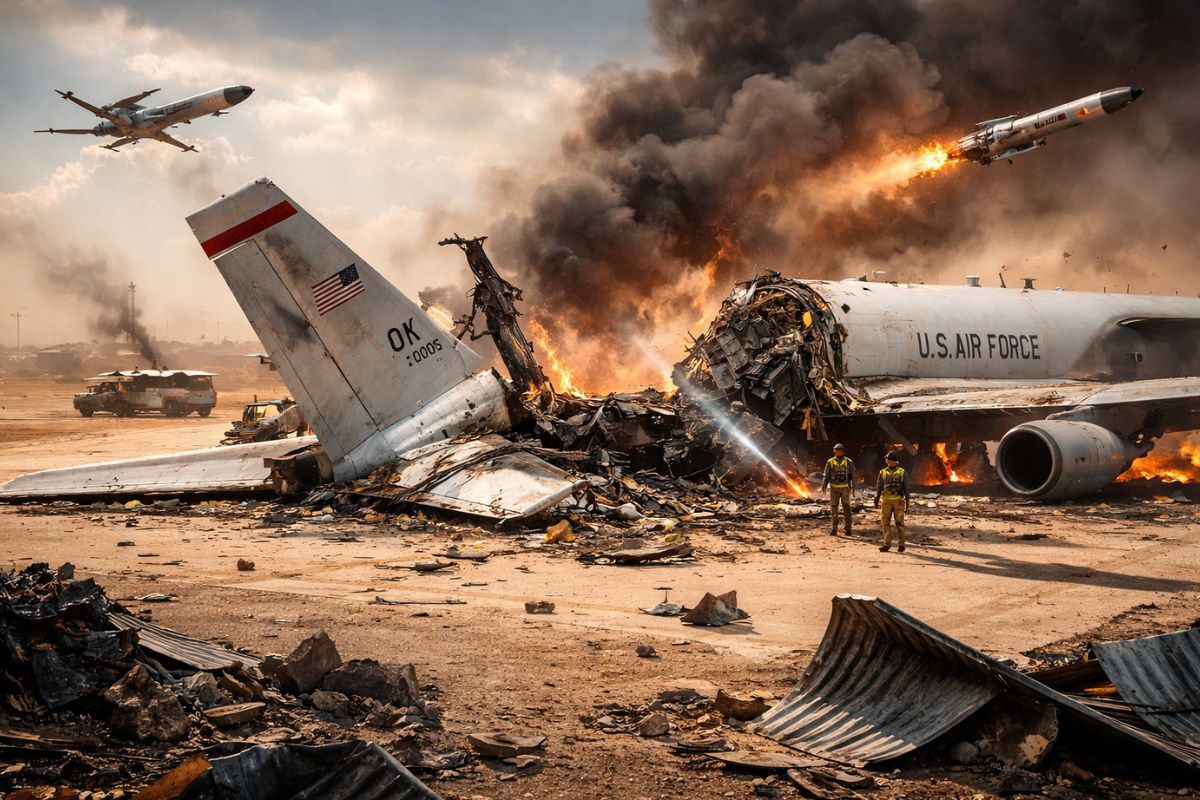
Iranian drones and missiles destroyed a 270 million dollar American spy plane in Saudi Arabia, splitting the E-3 Sentry aircraft in half and injuring 12 military personnel in an attack that exposes the vulnerability of U.S. bases in the Persian Gulf.
-
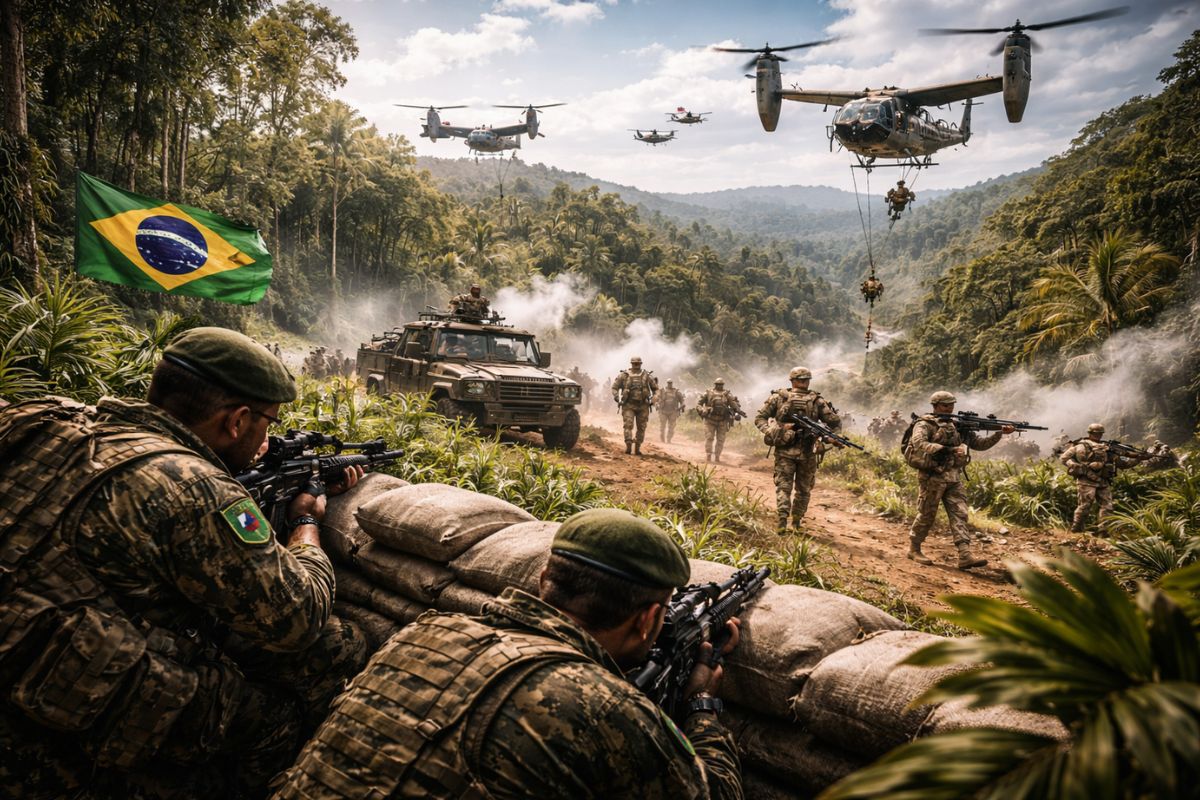
If the USA were to go to war with Brazil, Washington’s greatest fear would not be the attack itself, but facing a vast territory, prolonged resistance, and a costly, chaotic, and unpredictable occupation.
-
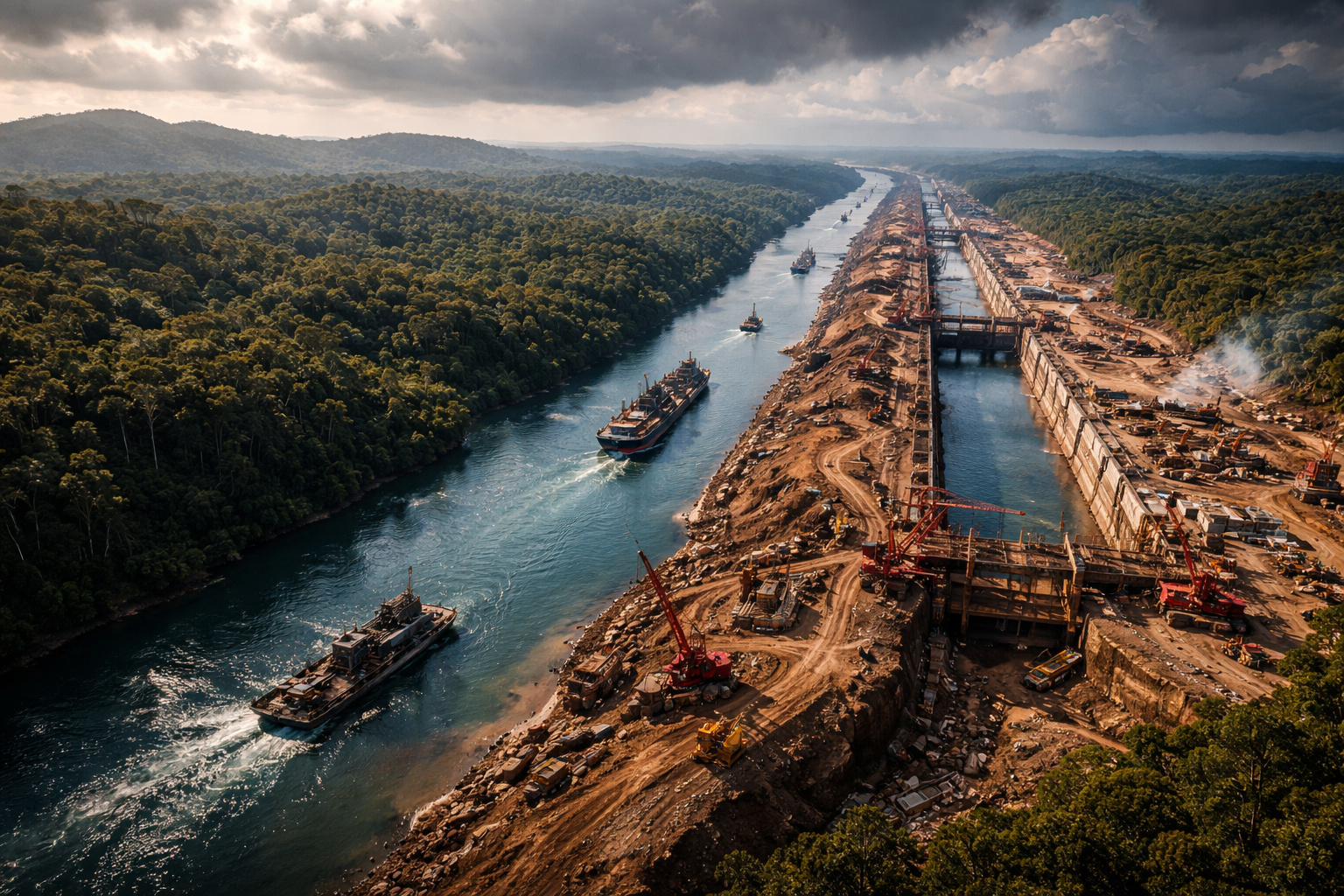
In 2013, Nicaragua sold the concession for a canal to rival Panama to a Chinese billionaire who lost 85% of his fortune, disappeared, and was declared bankrupt. Now the project resurfaces with a new route, a new Chinese partner, and a cost of $64.5 billion.
-
The USA announces a mysterious billion-dollar vault project to store critical minerals, but what intrigues experts is not just the plan itself, but why Latin America, including Brazil, has entered the center of this global dispute against China.


What Is The Typhon And Why Does The System Annoy Beijing
The Typhon is a ground-based missile launching platform, and its presence in the Japanese archipelago alters the risk calculations in the neighborhood.
For Chinese diplomacy, having intermediate-range vectors so close to the coastline elevates the strategic pressure and narrows the reaction window of regional rivals.
From Beijing’s perspective, this tends to stimulate countermeasures, with more weapons, more exercises, and less space for dialogue.
By echoing that China demands immediate removal of the missile system, Lin Jian points to a domino effect: if one power projects fire closer to other nations’ borders, others respond with increased military spending and tougher stances.
This is the core of the Chinese critique, and it is here that the discourse on “substantial threat” finds its foundation.
Where Is The System And What Is The Geopolitical Message
The Iwakuni base, in Yamaguchi, is both symbolic and logistical: it hosts U.S. assets and is strategically positioned for projecting power over sensitive maritime routes in East Asia.
By bringing the Typhon there, Washington signals commitment to Japan’s defense and deterrence in the Indo-Pacific.
For China, the message is different: a containment arc. Not coincidentally, the Chinese Foreign Ministry links the American gesture to the idea of “military confrontations in the region.” According to Lin Jian, the pretext of “exercises and training” does not diminish the perception of threat when the relocated equipment could alter the balance.
The Weight Of History: Memory, Narrative And Legitimacy
In the same statement, Beijing invoked World War II to criticize Japan. “Due to its history of militaristic aggression, Japan’s security movements have always been viewed with great vigilance,” said Lin Jian, in a call to the memory of the 80th anniversary of the so-called “War of Resistance of the Chinese People Against Japanese Aggression.”
This narrative reinforces the domestic legitimacy of the Chinese discourse and projects caution to neighbors: by recalling the past, Beijing tries to frame the present as a repetition of dangerous patterns. Gazeta do Povo emphasizes that the historical framing serves as a political argument, asserting that “Tokyo should reflect deeply” and avoid “aiding malicious acts.”
Resolute Dragon Exercise: Why It Amplifies The Controversy
The Resolute Dragon is an annual exercise that enhances U.S.-Japan interoperability. In 2025, it gained more sensitive contours with the arrival of the Typhon in Iwakuni. For Washington, it is a training routine with a key ally; for Beijing, it is a signal of escalation supported by a device with real area denial power.
On a practical level, training with such a large system consolidates procedures, logistics, and command and control. The more fluid the joint operation, the less doubt there is about its use in a crisis, and this military predictability tends to produce political unpredictability because adversaries tend to react preemptively. It is this psychological and strategic effect that feeds the Chinese demand: China demands immediate removal of the missile system precisely to remove the pressure factor.
How Japan Reads The Moment And How Far It Goes
Despite the criticisms, Japan continues to expand its defense structure, anchored in the pact with the U.S. and the perception that Chinese military presence is growing in the surrounding maritime areas.
Accepting operations with the Typhon conveys the idea that Tokyo does not intend to be the weak link in the regional security chain.
At the same time, Tokyo manages sensitivities: balancing deterrence and diplomacy and avoiding narratives that associate it with military adventures.
Despite the historical backdrop evoked by China, the Japanese calculation is pragmatic: to show readiness alongside Washington to deter real risks.
Immediate Risks: Arms Race And Window For Incidents
The Chinese critique points to a classic risk: cycles of action and reaction. An intermediate-range missile system triggers posture updates in neighbors, who, in turn, push for new rounds of modernization. Each defensive step taken by one side is read as offensive by the other, and the result is an expensive and less stable arms race.
Besides the spending, there is operational risk: more advanced equipment, more training, and closer proximity between military assets increase the chance of incidents such as aggressive intercepts, misread intentions, and alarmism that escalates quickly.
It is in this exposed nerve board that the phrase “China demands immediate removal of the missile system” functions as a public signal of a red line.
What To Watch Next
In the short term, the path chosen by Washington and Tokyo to keep the Typhon as an exercise resource or reduce its presence will indicate the tone for the coming months.
If the system remains, Beijing is likely to intensify its rhetoric and patrols; if there is a tactical retreat, it opens a window for discussions on confidence-building measures.
In parallel, regional diplomacy will test instruments such as direct crisis lines, prior notification agreements for exercises, and engagement rules to reduce the margin of error.
As Gazeta do Povo reminds us, the friction point is less “a specific exercise” and more “the type of capability” that changes the deterrence math.
The rhetorical hardening of “China demands immediate removal of the missile system” translates to a long-term dispute: American and Japanese deterrence on one side, and Chinese strategic sensitivity on the other.
As long as the Typhon remains a symbol of this friction, the risk of clashes and miscalculations remains on the radar. Gazeta do Povo summarizes the crossroads: either advance in containment and confidence mechanisms, or accelerate the arms spiral.
In your view, does keeping the Typhon in Japan enhance security through deterrence or worsen regional stability? How do you see Japan’s role between its alliance with the U.S. and China’s pressure?
Share in the comments: your perspective helps to enrich the debate.







Seja o primeiro a reagir!