





 Portuguese
  English
  Spanish
  3 min of reading
  0 comments


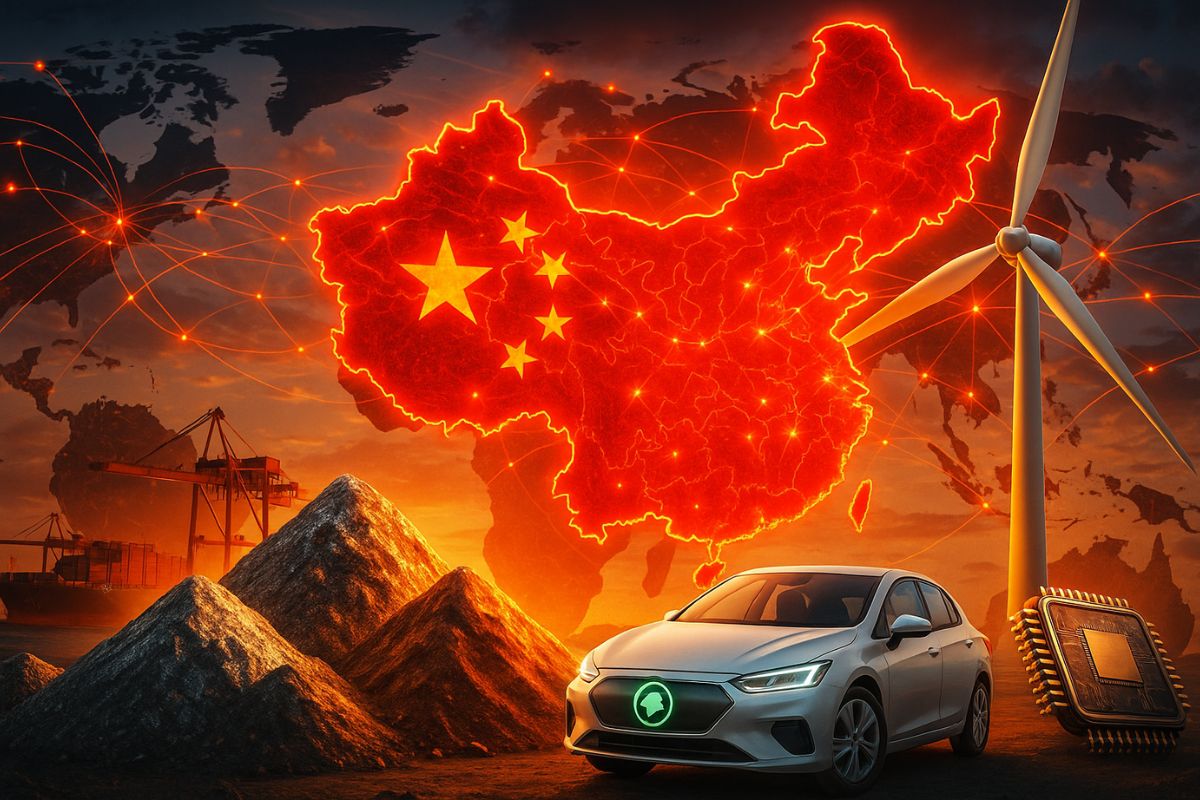
China Warns Foreign Companies About Rare Earth Stockpiles. Beijing Reinforces Control Over Exports and Pressures International Buyers to Avoid Strategic Reserves
The news that China is warning foreign companies against stockpiling rare earths has moved the global market this week. According to reporting by O Globo with international agencies, Chinese authorities have restricted approved volumes for export in an attempt to prevent foreign companies from forming large reserves of these metals.
This warning comes at a delicate moment in the trade dispute between Beijing and Washington. China dominates about 90% of global rare earth production and 94% of permanent magnet manufacturing, vital inputs for technologies such as electric cars, wind turbines, chips, and military equipment. By controlling the pace of exports, the Chinese government increases its influence over global prices and supply chains.
What Is Behind China’s Warning
According to the Financial Times, Beijing authorities directly informed international companies that any attempt to stockpile may result in controlled shortages in the short term. The message is clear: supply will be monitored if buyers attempt to create strategic reserves.
-
Elderly individuals aged 65 or older who have never contributed to the INSS can receive R$ 1,621 per month in 2026 without having paid any contributions in their lifetime: learn how the benefit works that already supports nearly 7 million Brazilians.

-
The gaucho city reduced the number of Bolsa Família beneficiaries by almost 40% in just a year and a half with active outreach that connects each registered person directly to job vacancies in Bento Gonçalves in Rio Grande do Sul.
-
The bluest city in Brazil has just gained a new floating bridge for the free crossing between the island and the mainland, connecting residents and visitors to the historic center of São Francisco do Sul every day of the week.

-
In a silent race, Shopee signs a mega contract in Guarulhos and accelerates the e-commerce war with faster deliveries, pressured shipping, and a new threat to rivals in Brazil.


This move comes after the inclusion in April of seven categories of medium and heavy rare earths on the export control list, along with permanent magnets. The measure has already had a direct impact on the automotive and electronics sectors, causing delays in contracts and difficulties in securing critical inputs.
How China Uses Rare Earths in the Trade Dispute
The use of rare earths as a geopolitical tool is not new. In 2022, China reduced exports amid the escalation of the trade war with the United States. Now, the warning is gaining strength again, especially because mining and processing quotas are concentrated in just two state-owned companies, which control almost the entire production chain.
The report from the U.S.-China Business Council (USCBC) showed that half of the foreign companies surveyed are facing rejected or pending requests for approval. This increases pressure on global technology and clean energy manufacturers, who depend on these inputs to maintain their production schedules.
Impact on Brazil and Other Emerging Countries
Experts say that China’s hardening stance could open up space for countries like Brazil to expand their relevance in the sector. The country has significant rare earth reserves that are still underexploited, and it appears as an alternative to diversify the supply chain due to the almost total dependence on China.
On the other hand, developing this production requires billion-dollar investments in mining, processing, and logistics — something that could take years to reach competitive scale. In the meantime, the market remains vulnerable to Beijing’s decisions, which retains the power to regulate prices and availability.
Declining Exports and Signs of Shortage
Official data shows that in June, China exported 3,188 tons of permanent magnets, more than double the previous month, but still 38% below the same period in 2024. For the quarter as a whole, exports were around half of what was recorded the previous year.
This irregular behavior reinforces the perception that Beijing is moderating shipments to control prices and avoid strategic stockpiles outside its borders. American and European companies have turned to the Chinese Ministry of Commerce to expedite approvals, but many still have requests awaiting response.
Beijing’s warning shows that China is warning not only as a market measure but as a political tool for pressure in global trade negotiations. Control over rare earths remains one of the country’s key strategic weapons in its dispute with the United States and its allies.
And you, do you believe Brazil should accelerate investments in rare earths to reduce dependence on China? Or do you consider it inevitable that the country will remain central to global supply? Leave your opinion in the comments — we want to hear from those closely following this topic.








-

-

-

-

12 pessoas reagiram a isso.