





 Portuguese
  English
  Spanish
  4 min of reading
  0 comments


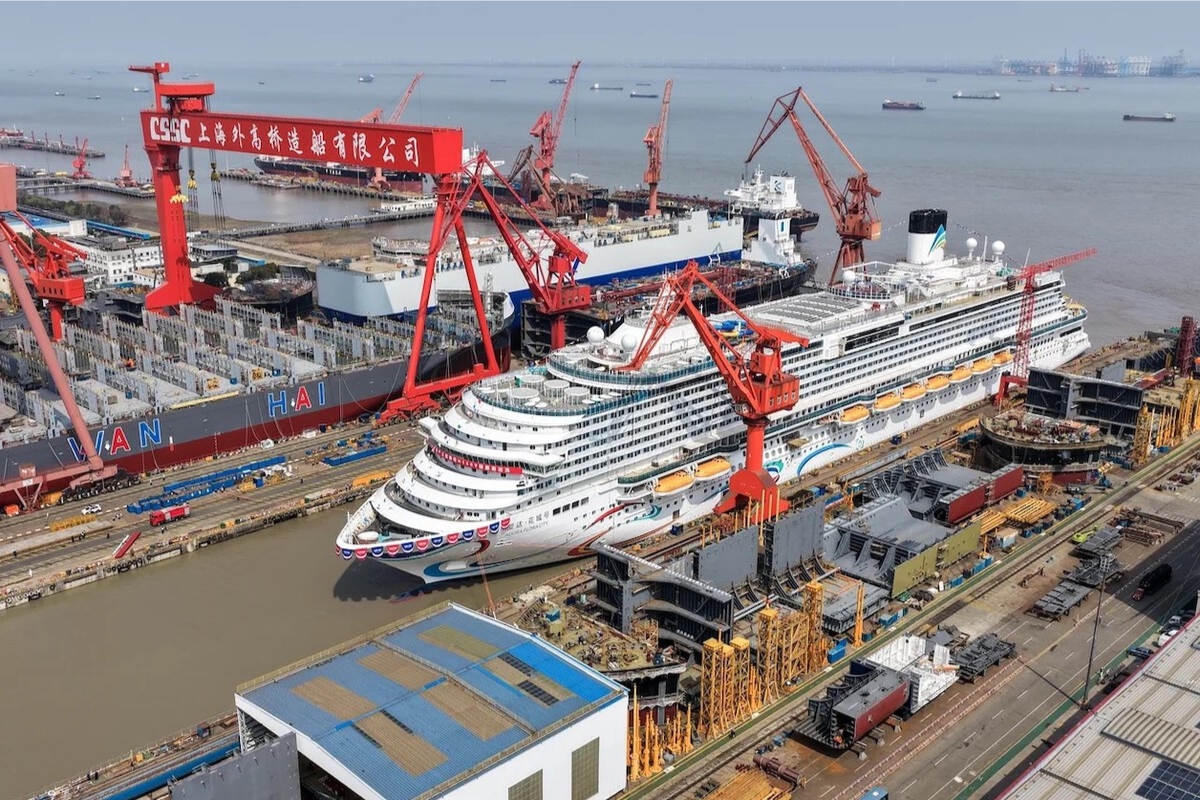
In just 9 months, China launches a cruise ship for 5,232 passengers from the dry dock in Shanghai, advancing beyond cargo ships and pressuring a market that has been in Europe’s hands for decades
China has just taken a decisive step in one of the most challenging segments of the shipbuilding industry. The country, which already dominates cargo ships and container ships, is now accelerating the construction of mega cruise ships, an area historically led by European shipyards.
The move has real weight. Building a ship of this size requires engineering integration, high-quality finishing, and large-scale industrial coordination. By shortening deadlines and reducing external dependence, the country is expanding its presence in a high-value market with global strategic significance.
Adora Flora City has left the dry dock in Shanghai
The Adora Flora City left the dry dock last Friday and entered the final phase of the schedule. The remaining stage includes test voyages and final delivery, while bookings for the first itineraries at the end of the year have already begun in Guangzhou.
-
Italian researchers have detected what appears to be a second Sphinx buried under the sands of Egypt, and satellite scans reveal a gigantic underground megastructure hidden beneath the Giza Plateau for over 3,000 years.

-
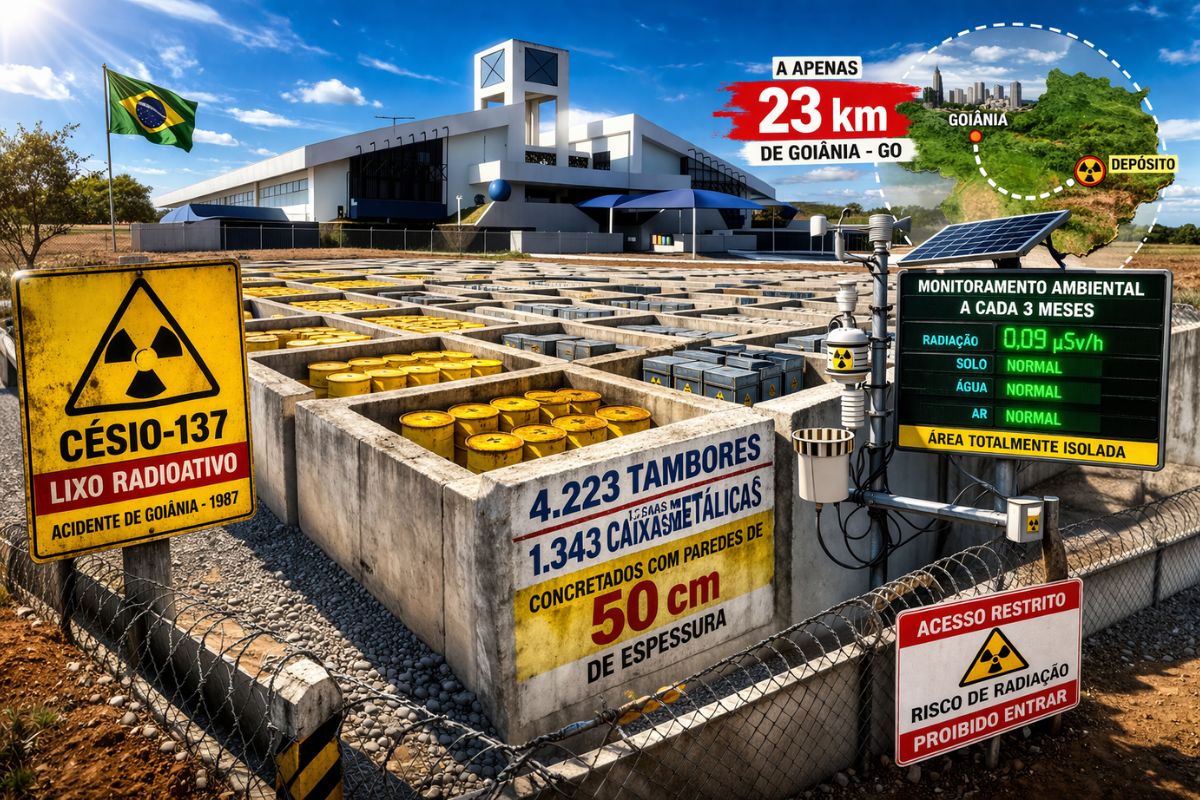
There are 4,223 drums and 1,343 metal boxes concreted with 50-centimeter walls that store the radioactive waste from Cesium-137 in the worst radiological accident in Brazil, just 23 kilometers from Goiânia, with environmental monitoring every three months.
-
Giant Roman treasure found at the bottom of Lake Neuchâtel in Switzerland reveals an advanced trade system, circulation of goods, and armed escort in the Roman Empire about two thousand years ago.

-
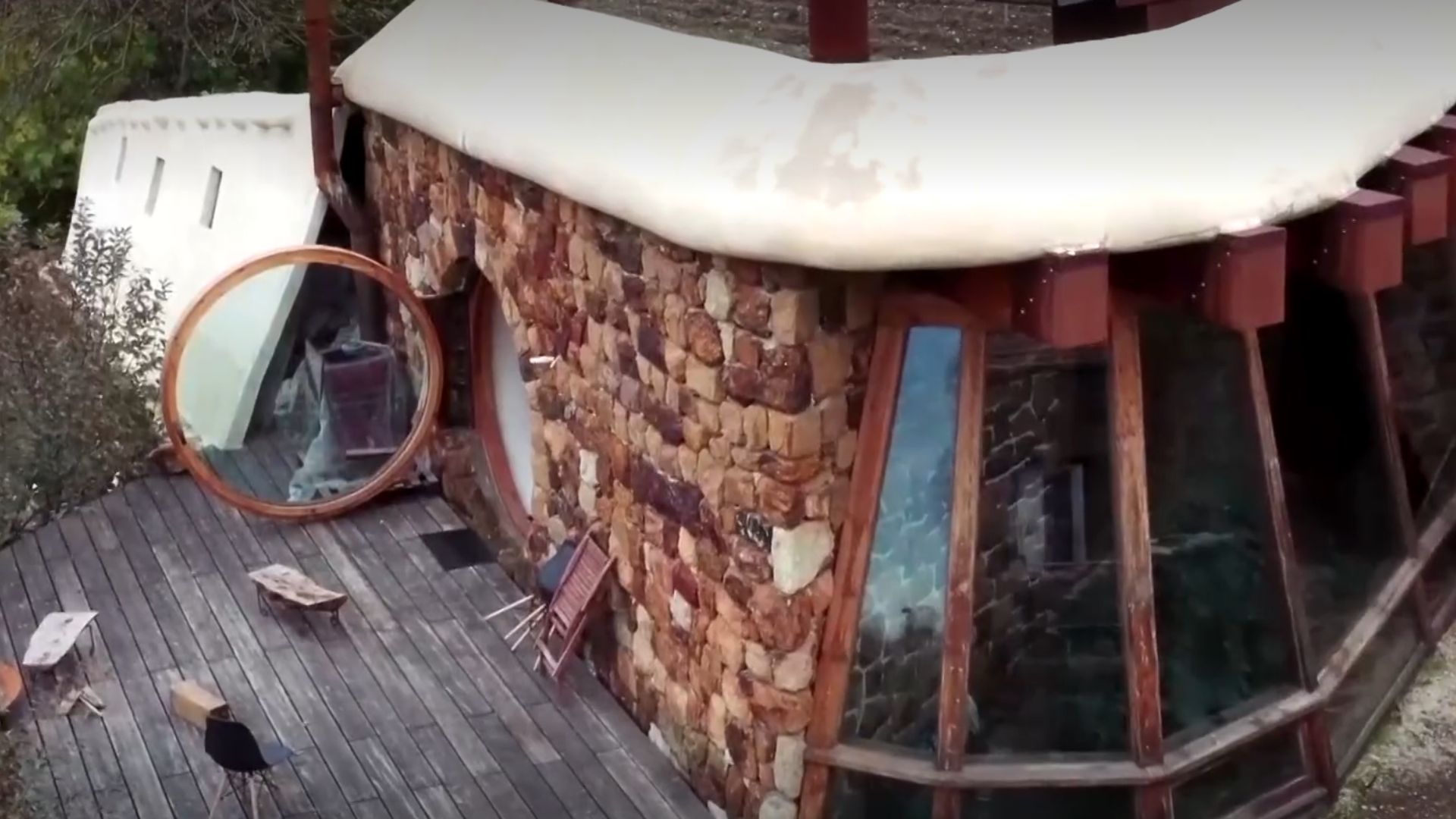
He buried 1,200 old tires in the walls to build his own self-sufficient house in the mountains with glass bottles, rainwater, and an integrated greenhouse.

The ship was built by Shanghai Waigaoqiao Shipbuilding Co. and will have Guangzhou Nansha as its home port. The pace has drawn attention because the assembly was completed in just 9 months, a shorter timeframe than the first large cruise ship produced in the country.
Ship carries 5,232 passengers and bets on Chinese identity
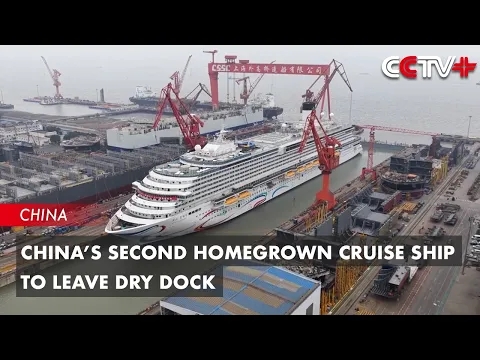

The new cruise ship is 341 meters long and 37.2 meters wide. Inside, it can accommodate 5,232 passengers distributed across 2,144 cabins, placing it among the large projects in the sector.
The design of the ship seeks to reinforce local identity. The visual proposal is inspired by the ancient Silk Road and Lingnan culture, featuring floral elements that reference Guangzhou, known as the City of Flowers.
Building a cruise ship is the toughest test of the shipbuilding industry
This type of vessel demands much more than size. A mega cruise ship combines complex systems, leisure areas, accommodation, internal logistics, and strict operational standards, functioning like a small city on the sea.
That is precisely why the Chinese advancement attracts attention. By moving from a position of lag to a faster delivery in the second major project, the country demonstrates technical capability and speed of learning in a sector that has always had high barriers.
2015 marked the origin of Adora Cruises and the turnaround came later

Adora Cruises was born in 2015 as a partnership between the Chinese state-owned CSSC and Carnival Corporation, the world’s largest cruise operator. The idea was to combine Chinese industrial structure with international experience in operating this type of ship.
Over time, this arrangement changed. The pandemic cooled the relationship between the companies, and Carnival exited the project. According to Xinhua, China’s state news agency, the operation continued under Chinese control and was integrated this year with other state operators under the China Cruises brand.
Adora Magic City paved the way with a hull assembled in 11 months
Before Flora City, the country had already launched the Adora Magic City, the first large cruise ship manufactured in China. This ship is 323 meters long, has capacity for 5,246 passengers, 14 decks, and 2,125 cabins.
In that project, the hull assembly took 11 months. The comparison reinforces the industrial leap achieved now, as the new cruise ship progressed with greater speed and more local control over the execution of the work.
External dependence decreases and the goal for 2030 comes into focus
In the first large ship, the technical support from the Italian shipyard Fincantieri was more intense. Now, the construction and coordination of the work appear to be much more concentrated in Chinese engineering, even with the continued presence of licenses, design platform, and some parts supplied by external partners.
The next step is already outlined. China Tourism Group and CSSC signed a memorandum for a new cruise ship, while the shipyard in Shanghai wants to accelerate its own assembly base. The declared goal is to deliver the first large 100 percent Chinese cruise ship by 2030.
The change goes beyond a new ship. It indicates that China wants to transform recent experience into industrial scale, shortening the path to mass production in a segment that has been concentrated in Europe for decades.
If this pace continues, the country will not only enter the luxury cruise market. It will reposition global competition in shipbuilding and change the strategic landscape.









Seja o primeiro a reagir!