





 Portuguese
  English
  Spanish
  4 min of reading
  0 comments


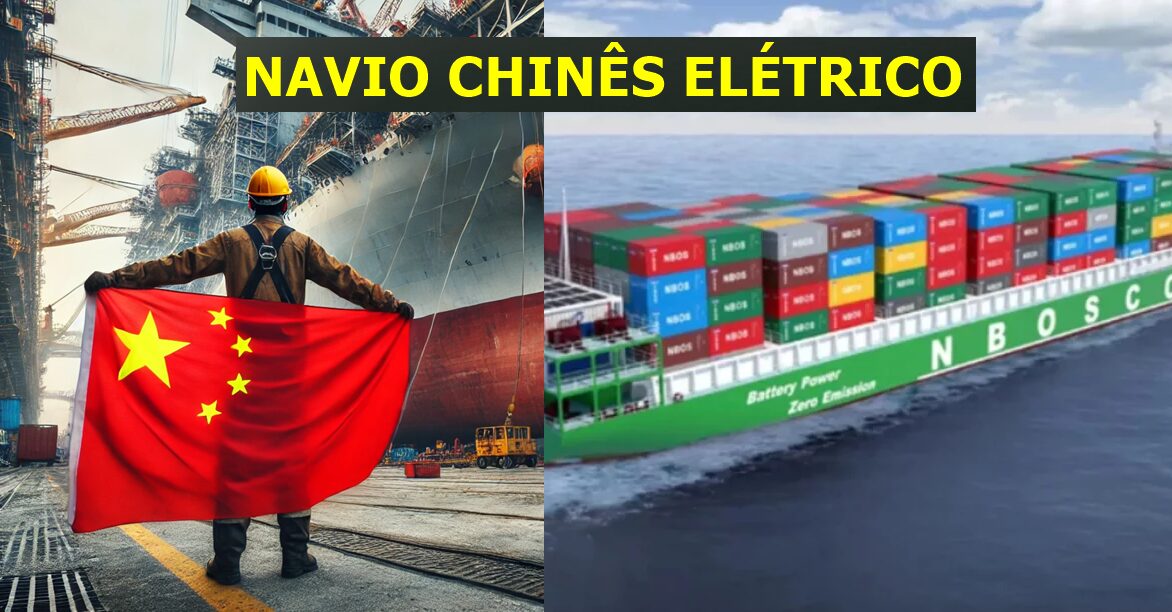
Historic Milestone: China Begins Construction of the World’s Largest Electric Container Ship, a Giant Step Toward Sustainability and Innovation in Maritime Transport
China has launched an innovative project in the maritime sector with the construction of the world’s largest electric container ships, marking a significant advance toward more sustainable maritime transport. These ships represent a major achievement in the country’s commitment to reducing carbon emissions, meeting environmental demands, and the growing need for cleaner energy solutions.
China, recognized for its strategic position in international trade, is betting big on the construction of these vessels that promise to revolutionize maritime transport, particularly focusing on the use of electric energy, free of emissions.
The development of these container ships is part of a broader strategy for modernization of infrastructure and seeking more eco-friendly alternatives.
-
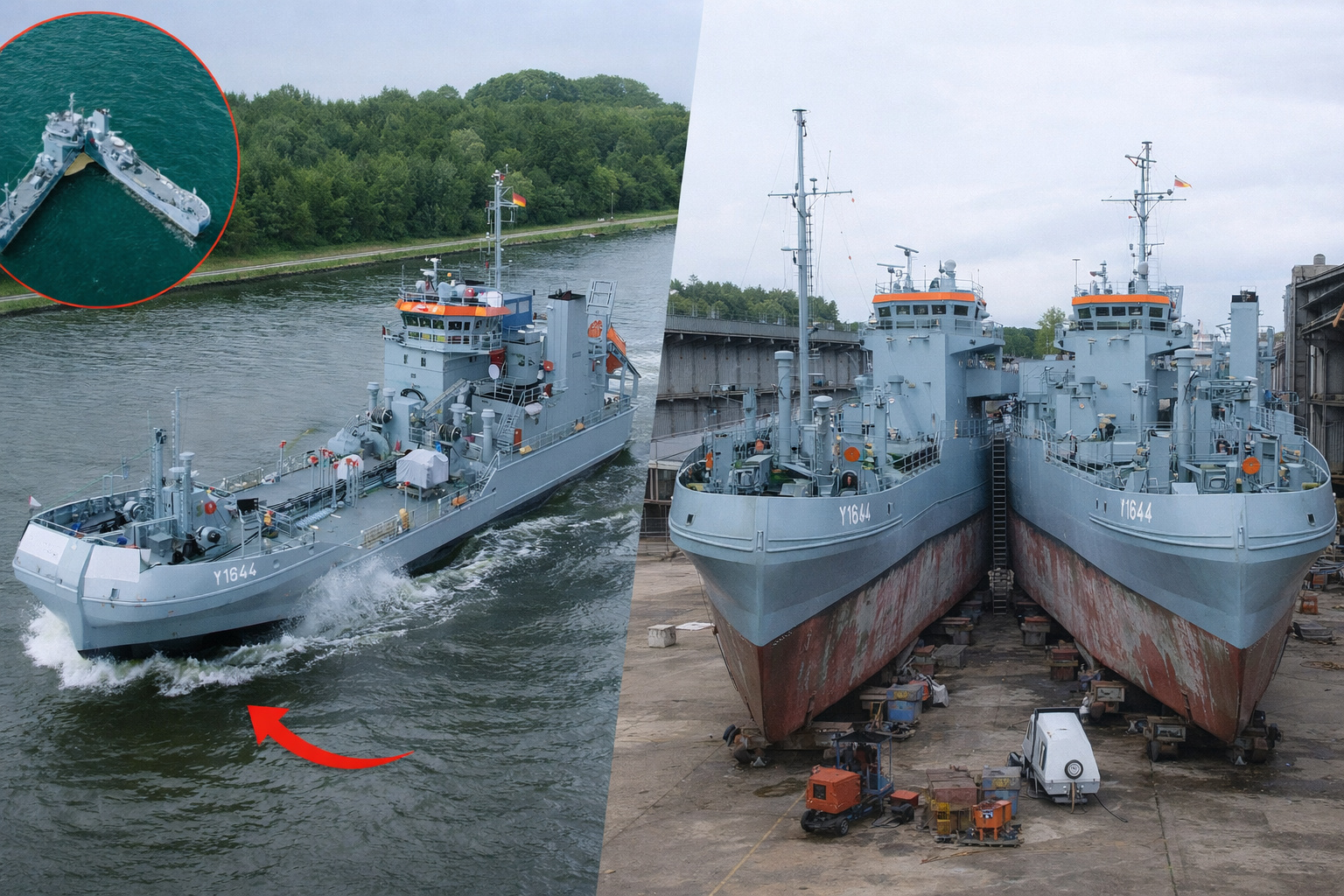
The German ship Bottsand splits its hull in two halves in the middle of the ocean to swallow spilled oil on the surface, separating the oil from the water inside a 790 cubic meter tank and then closing again. It is the only ship in the world factory-designed to split in half as part of normal operations, and the crew of six people who operate everything is civilian.
-
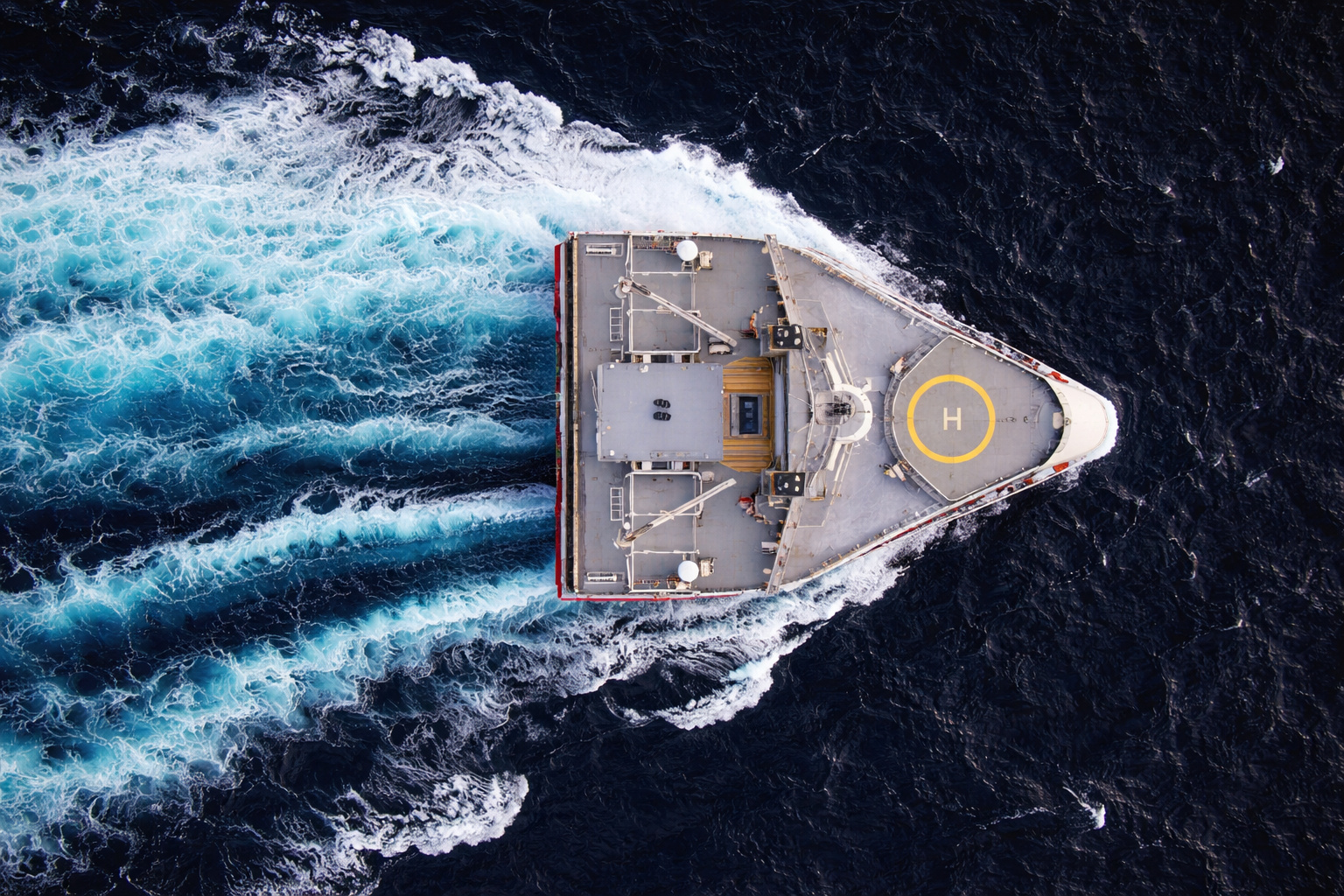
With almost 70 meters in width at the stern and a shape resembling a “giant slice of cheese,” the Ramform Titan tows up to 24 seismic cables to sweep the ocean floor in 3D and reveal oil reserves hidden beneath kilometers of sediment.
-
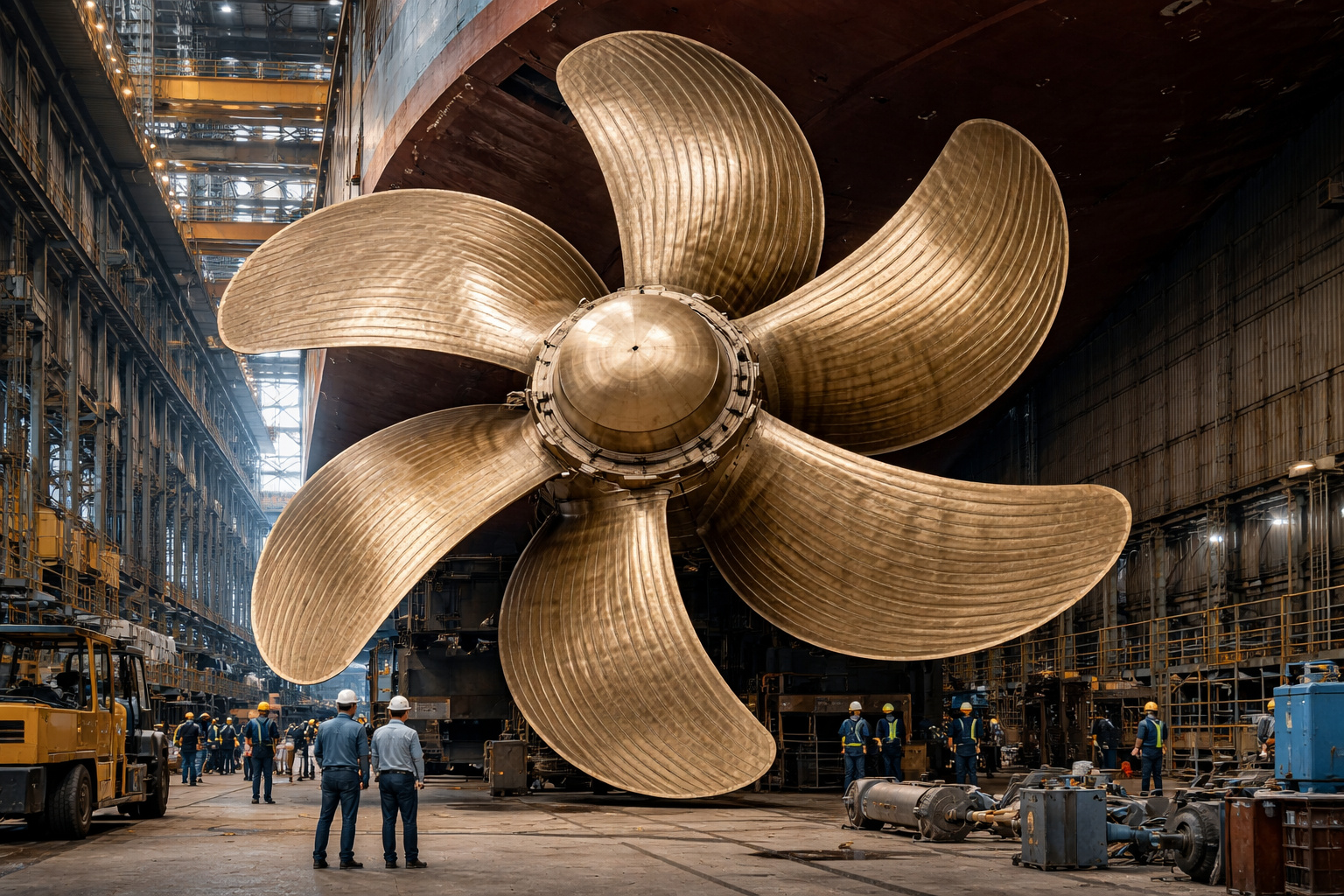
How a 131-ton, 11-meter propeller supports 90% of global trade and transforms the largest container ships on the planet.
-
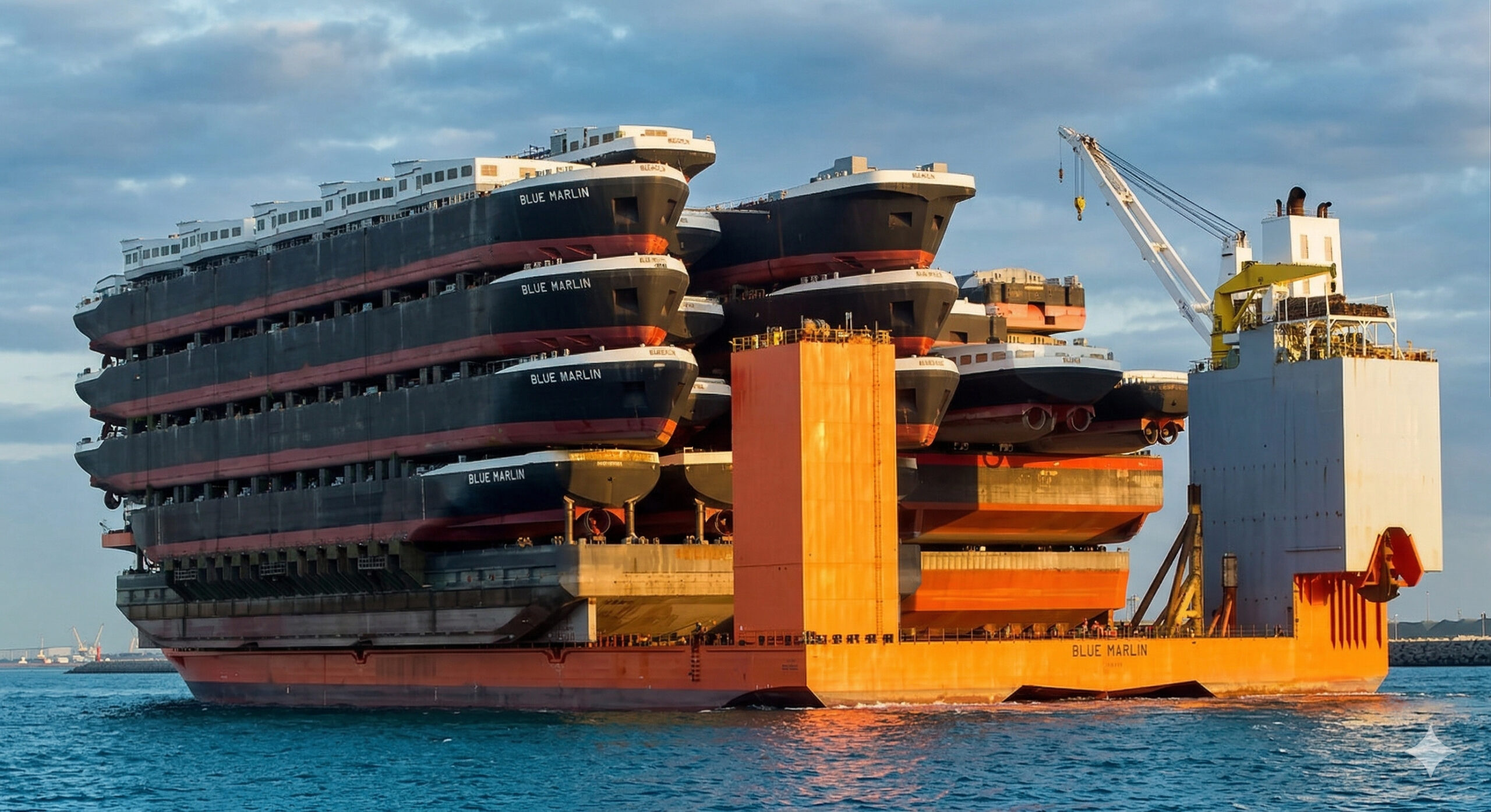
With a length of 225 meters and a capacity of 76 thousand tons, this ship “sinks” its own deck down to 28 meters deep to accommodate war destroyers, oil platforms, and giant radars floating above, and then emerges with everything intact on top like a colossal tray crossing oceans.

China Leads Innovation in Sustainable Maritime Transport
The International Maritime Organization (IMO) had already established an ambitious goal in 2018 to halve maritime transport emissions by 2050.
However, experts warn that this measure may not be enough to prevent global warming from exceeding the 1.5 degrees Celsius threshold set in the Paris Agreement.
To reach this warming goal, the shipping industry would need to adopt a more radical approach, aiming for net-zero emissions by 2050. The challenge is enormous as current maritime transportation is responsible for nearly 3% of global greenhouse gas emissions, equivalent to around one billion tons of carbon dioxide per year. This places significant pressure on the sector to find innovative solutions, and China appears to be leading this effort with its new electric container ships.
The supply chain crisis, exacerbated by the COVID-19 pandemic and the conflict in Ukraine, has exposed the vulnerability of the maritime transport sector. With global trade at a critical phase, the reliance on conventional transport methods is being questioned, opening the door for more sustainable and efficient alternatives like the electric container ships being developed by China.
The Chinese initiative aims not only to reduce emissions but also to increase operational efficiency, which is critical in an increasingly interconnected world.
Electric Ship as an Ecological Solution for Transport
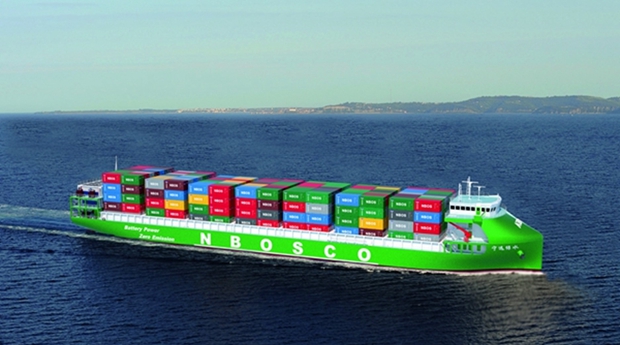
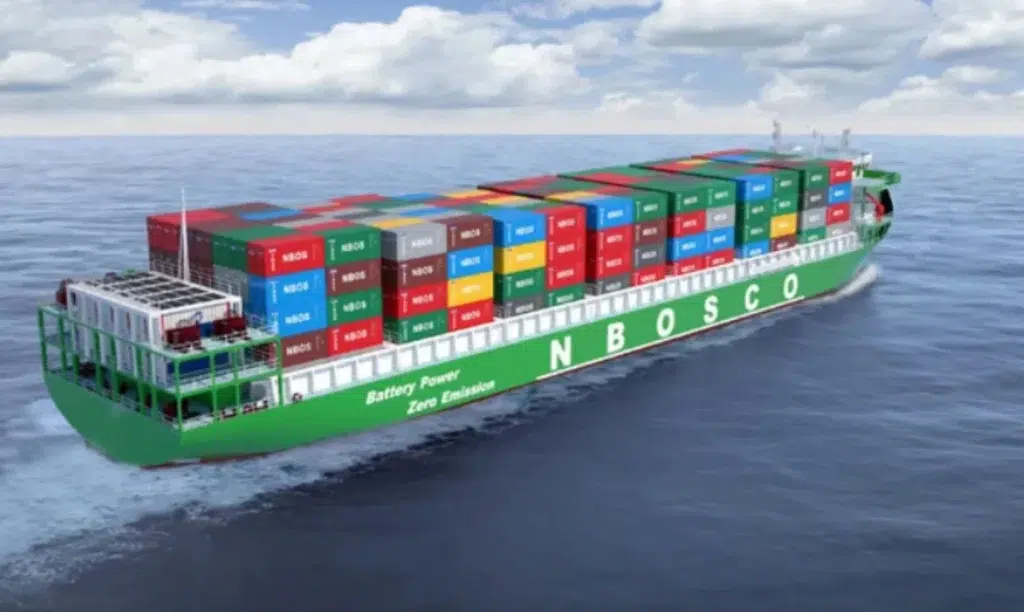
The new ships, commissioned by Ningbo Ocean Shipping, are designed by the Shanghai Ship Research and Design Institute (SDARI), a subsidiary of China State Shipbuilding Corporation (CSSC), and built by Jiangxi Jiangxin Shipbuilding Corporation.
These vessels will be 127.8 meters long and 21.6 meters wide, capable of transporting up to 740 twenty-foot equivalent units (TEUs) on a specific coastal route between two ports in Zhejiang Province, one in Ningbo and the other in the city of Zhapu, Jiaxing. This route aims to optimize domestic coastal transport, reducing not only carbon emissions but also operational costs.
The impact of these container ships on the shipping industry will be significant, especially considering that each ship will have the capacity to carry more than 9,000 tons of cargo, optimizing docking and departure times with its efficient design. Cargo and unloading operations will also be facilitated by the presence of four holds and seven hatchways without covers, an innovative design that speeds up the process and reduces operational costs.
In addition to their impressive capacity, China’s electric container ships incorporate cutting-edge technologies. One highlight is the use of 10 batteries with a total capacity of 19,000 kilowatt-hours, ensuring efficient and sustainable performance. These batteries are managed by a multilayer management system, ensuring safety by isolating the batteries from living and cargo areas. This represents an advance in safety and energy efficiency in maritime transport.
Container Ships Innovate with Advanced Technologies
Other innovations include an electric propulsion cabin at the stern and a wind resistance-reducing superstructure at the bow, contributing to a significant reduction in vibration and noise, providing a smoother and more efficient navigation. The vessels will also be equipped with intelligent systems that allow for real-time monitoring, route planning, and even autonomous navigation, along with a collision avoidance platform. This places the new Chinese ships at the forefront of maritime technology.
The quick recharging capability of the ships at ports with high-voltage power stations or the rapid replacement of batteries are other features that demonstrate China’s commitment to creating a more eco-friendly and efficient transport infrastructure. The use of photovoltaic systems for on-board renewable energy generation also reflects the concern for sustainability at all stages of the project.
With these innovations, China is paving the way for a future where maritime transport will be increasingly integrated with cutting-edge technological solutions and environmental conservation principles.
By adopting electric container ships, the country is taking a decisive step to tackle global climate challenges, while also strengthening its position as a leader in maritime innovations. Expectations are that this new generation of vessels will not only significantly reduce carbon emissions but also serve as a model for other countries looking to modernize their fleets sustainably.









Seja o primeiro a reagir!