





 Portuguese
  English
  Spanish
  2 min of reading
  0 comments



Beijing Begins New Era Of Mobility With Regulations For Autonomous Vehicles And Investments In Smart Infrastructure
The capital of China, Beijing, took a significant step towards the future of mobility by approving regulations that encourage the use of autonomous vehicles. Starting from April 2025, vehicles that meet stringent safety standards will be able to legally operate on public roads, including autonomous taxis and buses, according to Auto News.
This move reflects China’s ambition to lead the global autonomous driving market, strengthening its position as a pioneer in technological innovation. In addition to Beijing, other cities in China such as Wuhan are already adopting measures to promote connected smart vehicles, consolidating autonomous driving as a national priority.
Strategic Expansion And Smart Infrastructure
Beijing’s vision for mobility goes beyond autonomous taxis and buses. The Chinese capital aims to integrate this technology into private cars, urban trains, and trolleybuses, creating a complete ecosystem of autonomous transportation.
-
A 250cc motorcycle that can reach 560 km with a 14-liter tank, features disc brakes on both wheels and is among the most well-known in Brazil.

-
Man finds over 200 rare cars abandoned on a lot and tries to do the impossible in 8 hours with a surprise at the end.

-
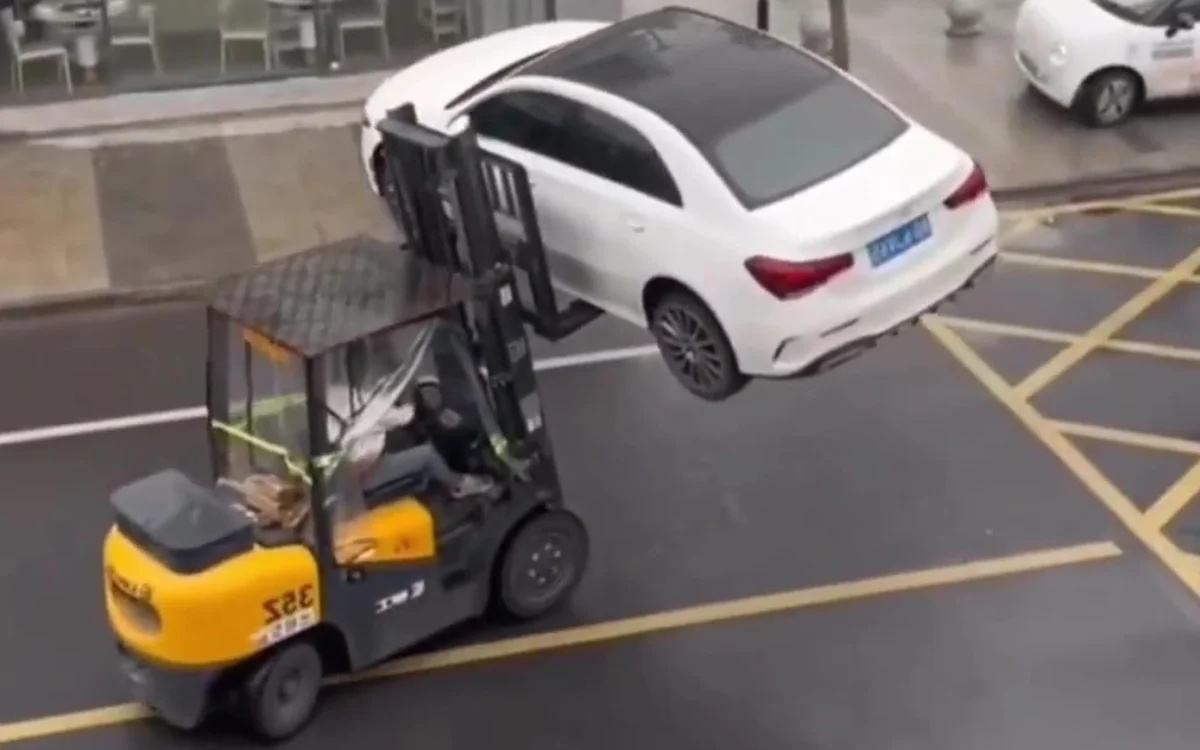
An irregular parking case gains attention after a Mercedes Classe A was removed in such a strange way that it even raised doubts about damage to the car.
-
Costing R$ 16,000, the new Yamaha features a 125 cc hybrid engine with electric assistance, delivers 8.3 hp, includes ABS, optimized fuel consumption, Y-Connect connectivity, 25 liters of storage space, and a surprising 4-year warranty in the urban segment.




To facilitate this transformation, investments in smart road infrastructure and technology are underway in China. This technology will enable communication between vehicles and the road network, ensuring safer and more efficient operations. Currently, 19 Chinese cities are already testing robotaxis and robobuses, reinforcing the national commitment to autonomous driving.
Companies Compete For Leadership In Autonomous Market
The autonomous driving market in China, particularly in Beijing, is booming, with tech giants and the automotive sector vying for space. Among the leaders is Baidu, which, through its subsidiary Apollo Go, plans to deploy 1,000 robotaxis in Wuhan by the end of 2024.
Pony.ai, which went public in the United States, is also seeking a leading role, with plans to expand its fleet of 250 robotaxis to over 1,000 by 2026. Other companies like WeRide, AutoX, and SAIC Motor are also keeping a close eye on opportunities in this promising sector.
Even Tesla is entering the competition, with plans to launch its Full Self-Driving (FSD) technology in China in early 2025, subject to regulatory approvals. The American automaker has also announced it will begin producing its own robotaxi model in 2026.






-

-

3 pessoas reagiram a isso.